



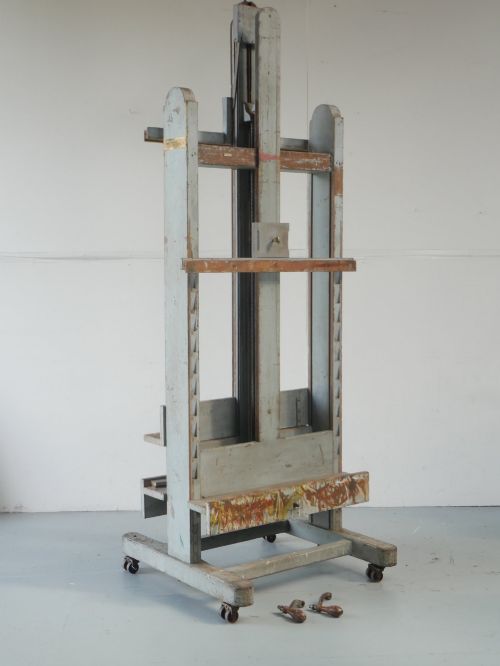
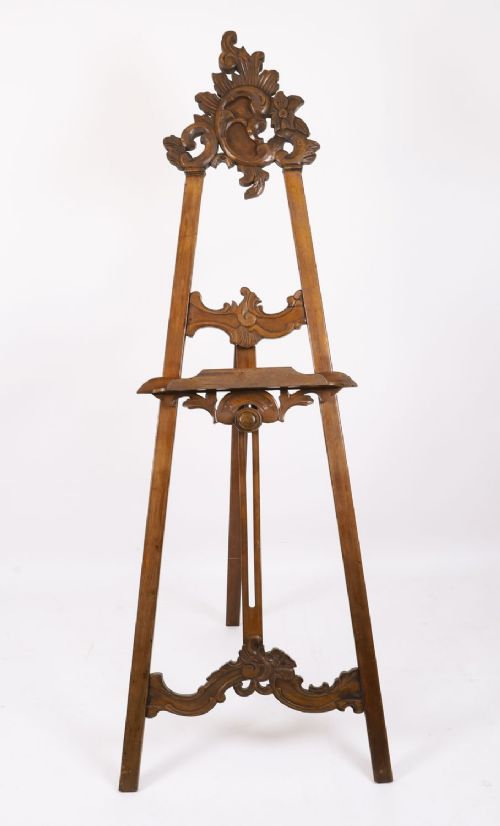
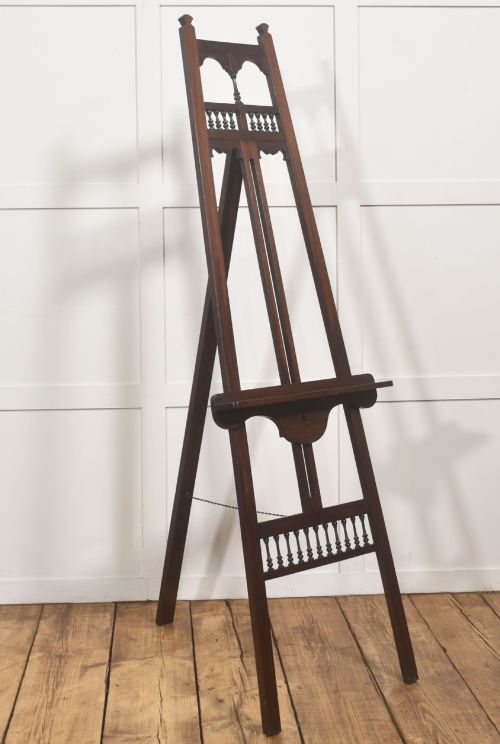
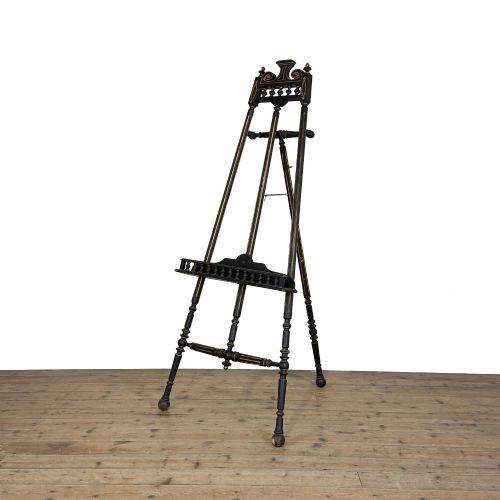

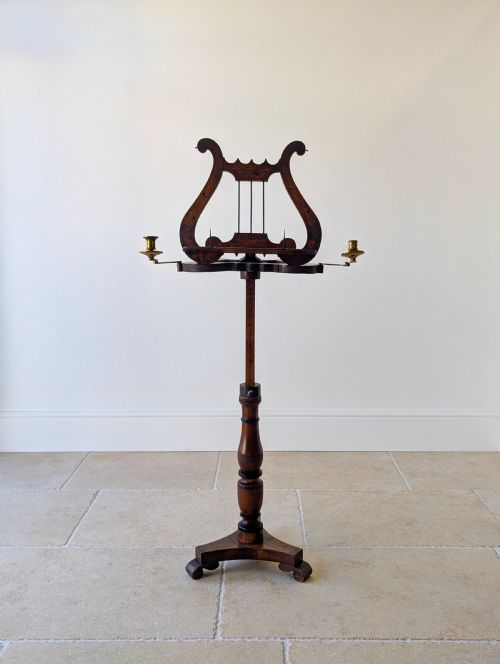
Wooden Easel Stand
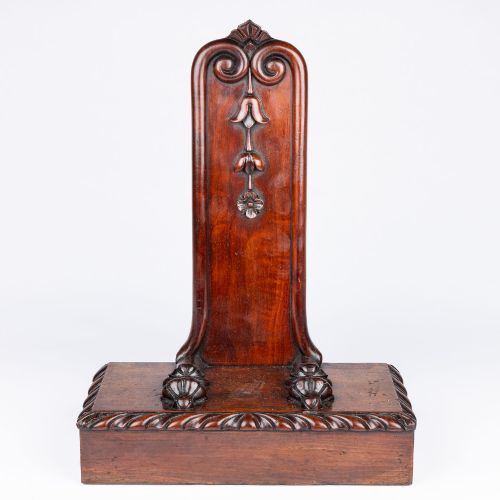
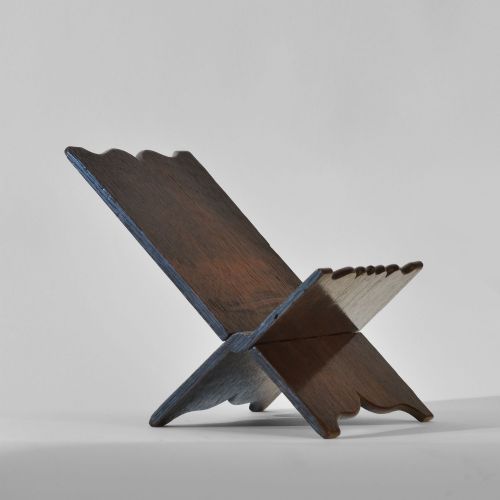
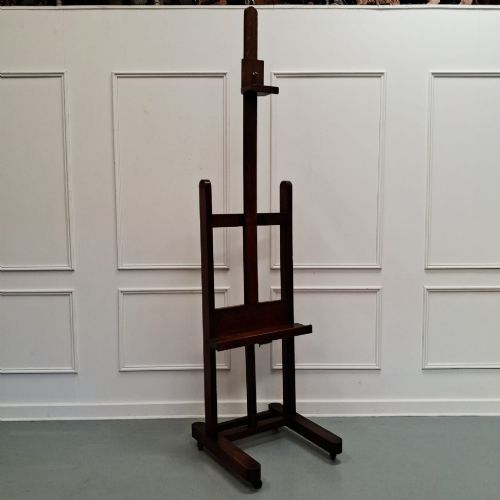
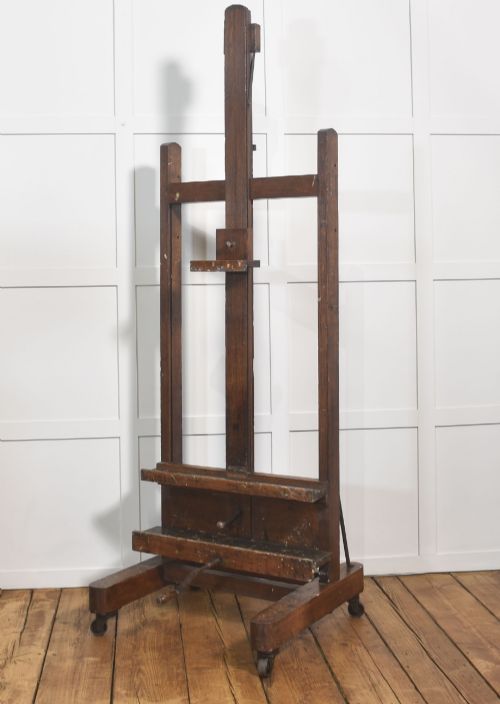
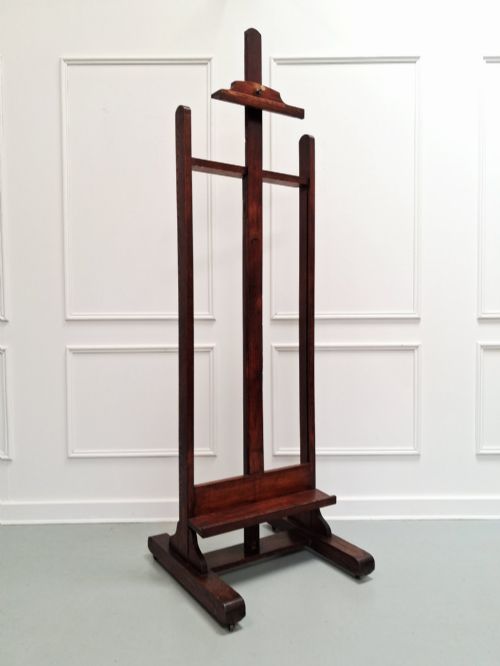
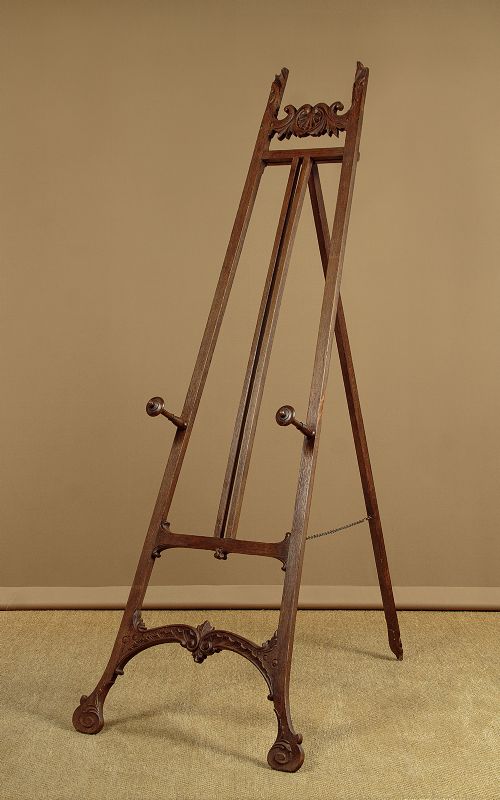
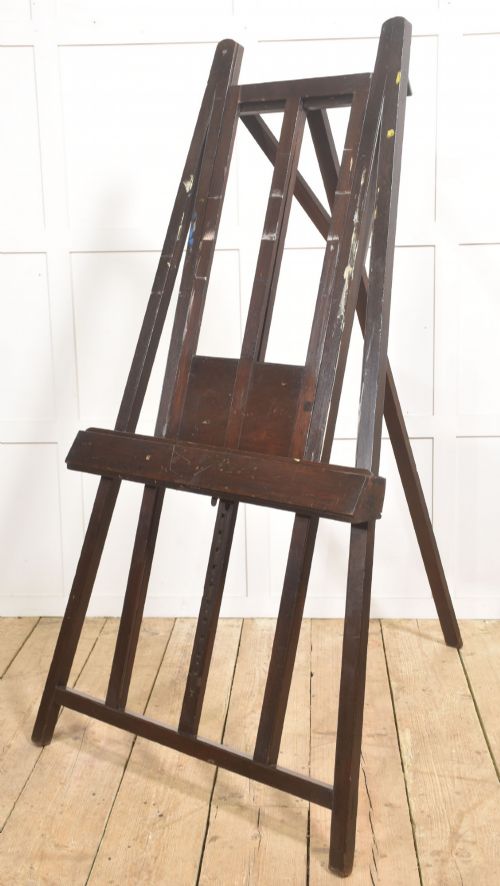
A wooden easel stand holds canvases, books, or plates securely while offering adjustable viewing angles for artists and collectors alike.
Wooden Easel Stand
A wooden easel stand serves multiple display purposes across various domestic and studio settings. Buyers searching for a wooden easel stand will encounter sturdy floor-standing studio models alongside compact tabletop versions.
The selection ranges from large architectural studio pieces to smaller book stands and plate holders. Oak, mahogany, and walnut dominate the forms, originating from the Victorian, Edwardian, and Georgian periods.
Materials and construction
Cabinetmakers utilised dense hardwoods such as mahogany, oak, and walnut to ensure stability under heavy canvases and folios. Metal adjustments, brass fittings, and cast iron components were integrated into functional studio pieces for mechanical reliability.
Carved decorative elements frequently incorporate giltwood, ebonised finishes, and elaborate revival styles such as Gothic, Rococo, and Renaissance. Joinery techniques reflect the period of manufacture, from simple pegged joints to complex adjustable rackwork.
Wooden Easel Stand Retail Price Guide 2026
Typical asking prices for wooden easel stand among the pieces listed under this phrase on Sellingantiques today, from the lower quarter to the upper quarter. They describe what is for sale here now, not the wider market.
Listings feature oak, mahogany, and walnut timbers spanning the Georgian, Victorian, and Edwardian eras.
Evaluating craftsmanship
Quality rests upon the integrity of the timber selection and the precision of the mechanical adjustment mechanisms. Superior examples feature robust framing that supports heavy weight without warping or straining at the joints.
Carving depth and finish refinement distinguish standard utility items from decorative salon pieces. Original hardware, smooth winch actions, and intact brass ratchets elevate the standing of functional studio equipment.
Windsor and Newton
The Wooden Easel Stand Glossary
- Chevalet
- A French term for an easel, often applied to tabletop or artists' easel stands. These smaller stands were designed for desktop use.
- Giltwood
- Wood that has been coated with gold leaf or a gold-coloured metallic finish. This technique highlights carved ornament on decorative stands and frames.
- Lectern
- A reading stand with a slanted top designed to hold books or sheet music. They appear in wood and metal across the nineteenth century.
- Lyre-form
- A decorative shape resembling an ancient Greek lyre, frequently utilised in the central column of music stands and reading desks. It provides both structural support and aesthetic elegance.
- Folio stand
- A piece of furniture designed to hold large art portfolios, prints, or architectural drawings. These stands feature sloping racks to keep papers organised.
Wooden Easel Stand: Frequently Asked Questions
Can these stands hold heavy books?
Robust oak and mahogany book stands and reading desks are engineered to support substantial volumes. The weighted bases and deep ledges prevent heavy folios from sliding forward.
When displaying thick books, adjust the back support to distribute the weight evenly across the wooden frame. Avoid placing excessive strain on delicate folding hinges.
How do I clean wooden surfaces?
Dust the timber regularly with a dry, soft lint-free cloth to prevent particulate buildup. Avoid silicone-based polishes that can degrade historic finishes over time.
Apply a microcrystalline wax sparingly if the wood appears dry, buffing gently to a soft sheen. Keep wooden stands away from direct heat sources to prevent timber splitting.
What is a gallery easel?
A gallery easel is a heavy-duty display stand designed to exhibit finished paintings in showrooms or exhibitions. These pieces often feature double-sided viewing capabilities or extra-wide bases for stability.
Their substantial construction allows them to hold large framed artworks securely in public spaces. They serve as impressive decorative furniture in large domestic rooms.