

Wooden Double Cupboard
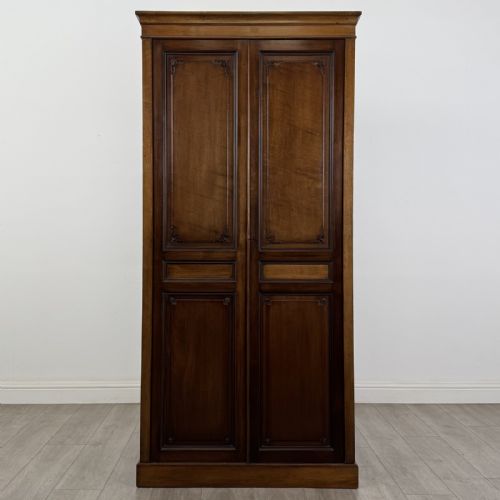
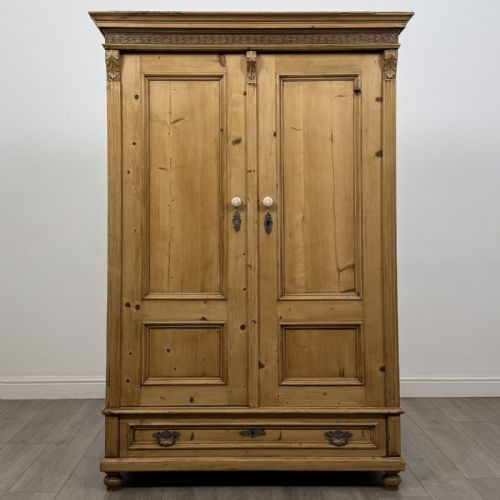
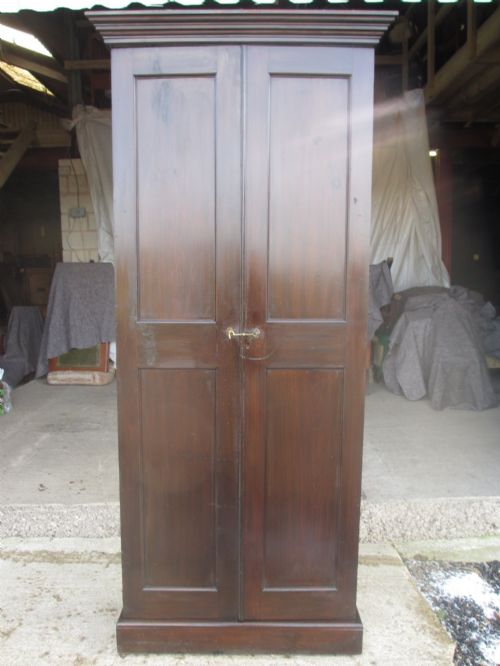
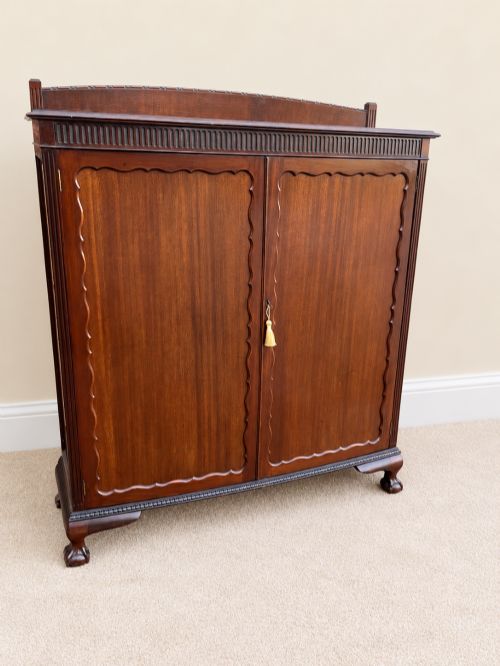
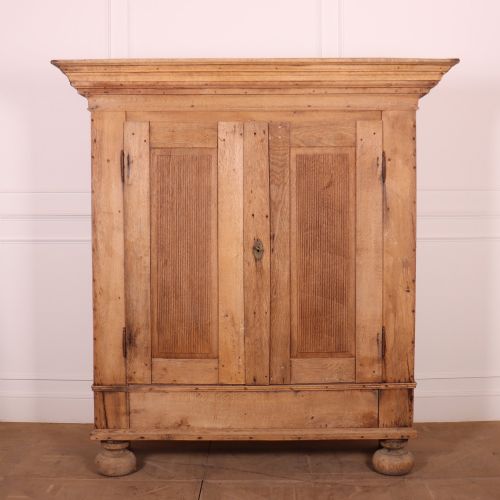
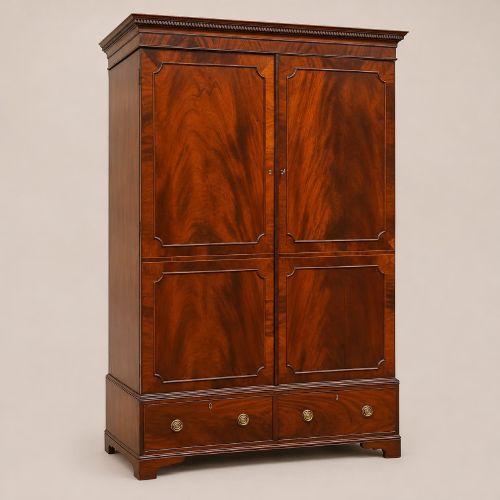
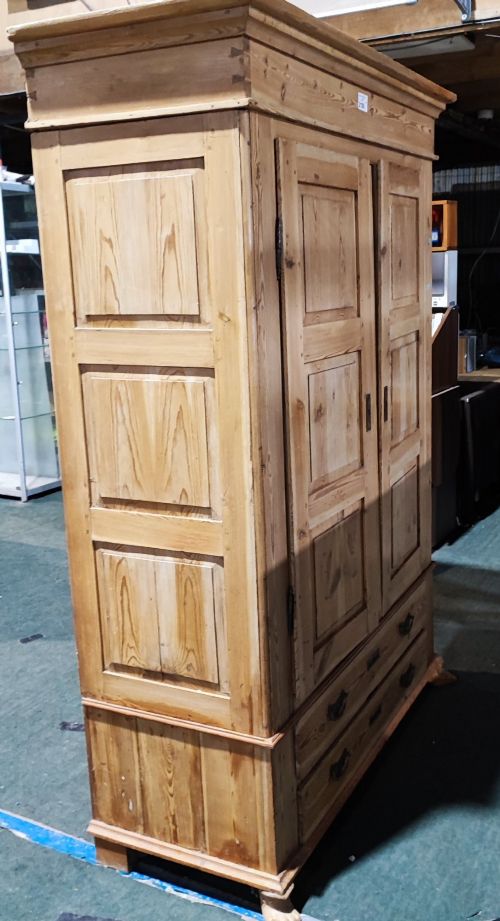
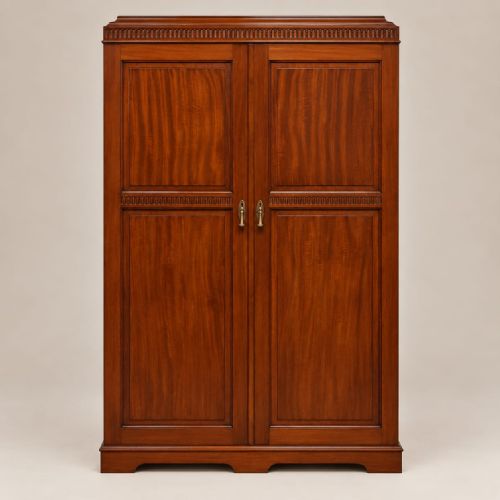
A wooden double cupboard provides serious storage through twin doors, spanning Georgian elegance to robust Victorian and Edwardian utility.
Wooden Double Cupboard
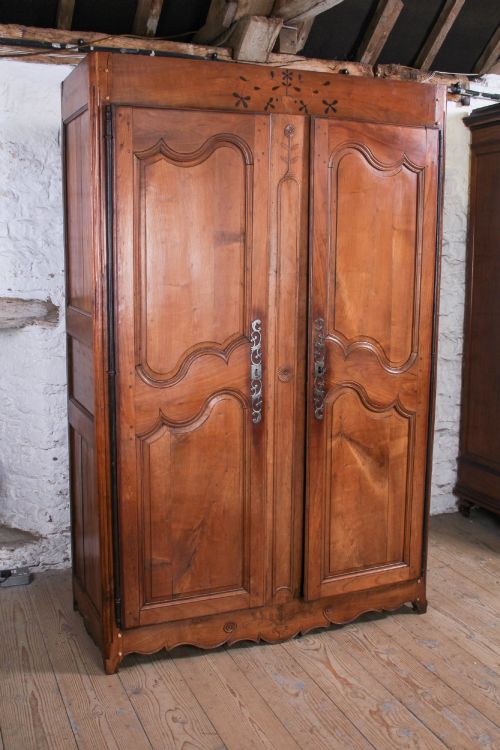
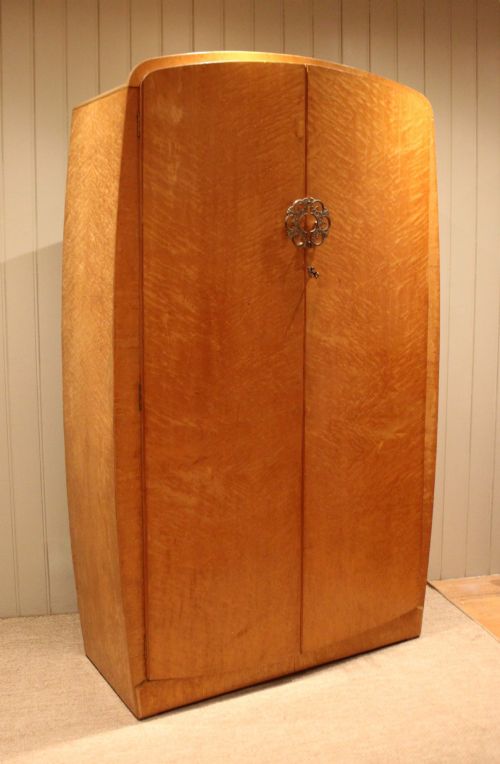
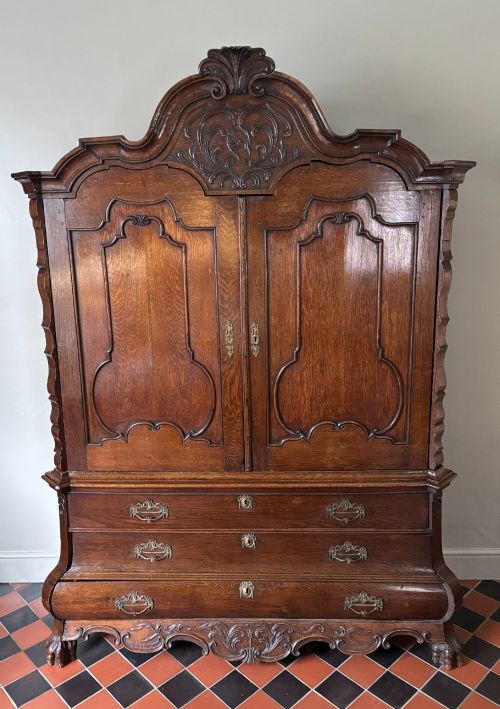
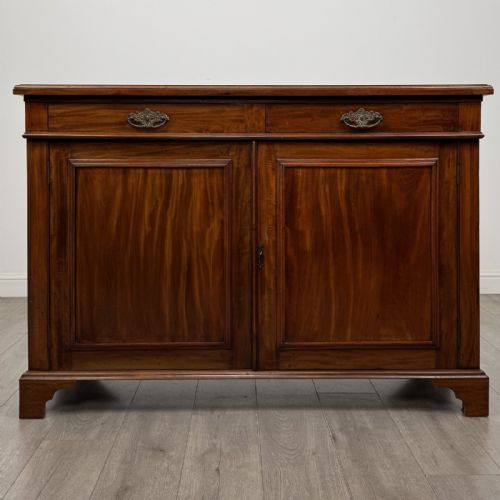
A wooden double cupboard encompasses large wardrobes, linen presses, armoires, and side cabinets built with two primary doors. These pieces emerge across the 18th, 19th, and early 20th centuries, reflecting changing domestic storage needs over generations.
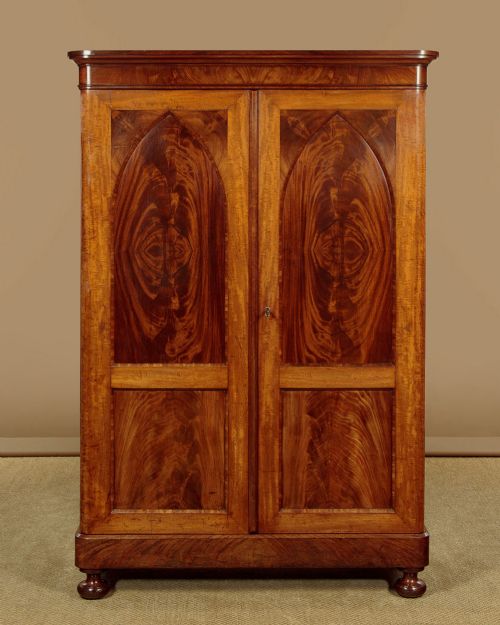
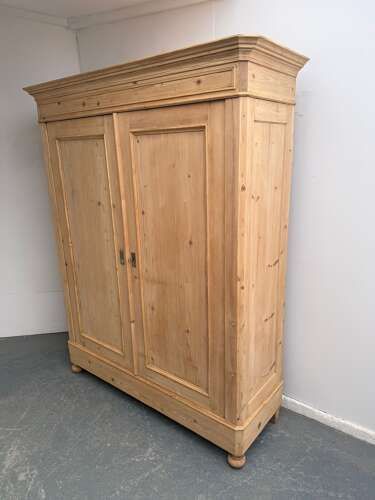
Victorian and Edwardian versions appear most frequently on this page, often rendered in mahogany, walnut, or pine. Buyers encounter tall wardrobes for garments as well as shorter side cabinets and linen presses designed for household textiles.
Regional variations span English workshops and French provincial centres, yielding everything from formal Georgian inlaid mahogany to rustic painted pine. Each form utilises twin doors to conceal shelved, hung, or drawer-fitted interiors.
Materials and construction
Cabinet makers relied predominantly on solid hardwoods like mahogany, oak, and walnut, alongside softer pine for utilitarian pieces. Finer examples incorporate flame mahogany veneer or burr walnut to create striking grain patterns across the twin doors.
Construction techniques combine traditional joinery with functional hardware in brass and iron. Many large wardrobes and armoires were built as knockdown pieces to facilitate transport in domestic spaces.
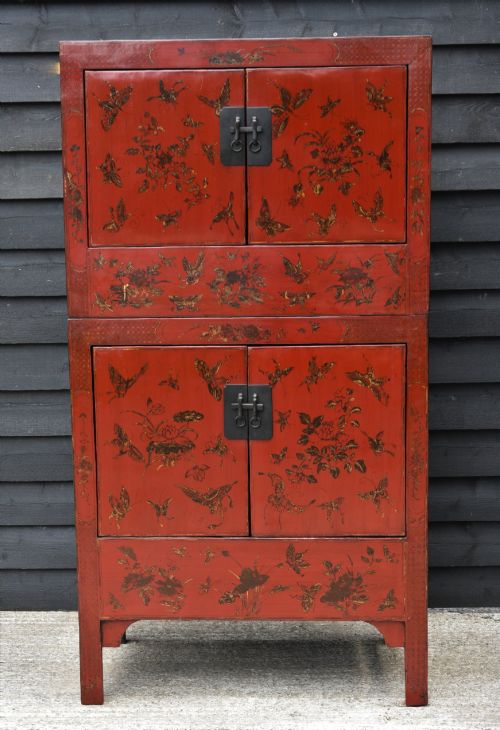
Surface finishes range from clear wax over natural timber to traditional scumble faux oak paintwork and Chinese red lacquer. Carved details and inlaid borders define the decorative vocabulary of the Georgian and Victorian periods.
Wooden Double Cupboard Retail Price Guide 2026
Typical asking prices for wooden double cupboard among the pieces listed under this phrase on Sellingantiques today, from the lower quarter to the upper quarter. They describe what is for sale here now, not the wider market.
Listings feature woods spanning mahogany, oak, pine, walnut, and flame mahogany veneer, alongside brass and iron hardware.
Assessing craftsmanship
Quality separates pieces through the selection of timber and the precision of the cabinet work. Superior examples display carefully matched veneer grains and solid timber framing that maintains structural integrity over centuries.
The sophistication of internal fittings - such as original sliding trays in linen presses or fitted compartments in wardrobes - distinguishes finer commissions from simpler utilitarian cupboards. Original hardware like brass escutcheons and working locks add integrity.
Proportion and decorative restraint dictate the aesthetic tier of each piece. Finely carved mouldings, bracket feet, and subtle inlay elevate a cabinet above standard provincial workshop output.
The Wooden Double Cupboard Glossary
- Linen Press
- A tall cabinet featuring upper doors enclosing sliding shelves or trays for linen, placed above a base of wider drawers. This form evolved to protect household textiles from dust.
- Armoire
- A large freestanding wardrobe or cupboard of continental origin, typically featuring two heavy doors. These pieces provide deep internal storage for garments.
- Compactum
- A fitted wardrobe designed to maximise storage efficiency by combining hanging space, drawers, and shelving within a single multi-section carcass.
- Scumble
- A decorative paint technique used to simulate the grain of more expensive woods like oak over a pine base. Artisans applied a translucent glaze and manipulated it with combs or brushes.
Wooden Double Cupboard: Frequently Asked Questions
What is a linen press?
A linen press is a tall storage piece featuring upper doors that conceal sliding trays, paired with a chest of drawers below.
Historically, households used these compartments to keep folded textiles flat, clean, and protected from pests.
How do I date a wooden cupboard?
Dating relies on examining the timber species, construction methods, and stylistic cues like bracket feet or inlaid mahogany borders.
Earlier 18th-century pieces often feature pegged oak or solid walnut, while Victorian and Edwardian examples frequently employ mahogany and applied veneers.
Are knockdown wardrobes difficult to assemble?
Knockdown wardrobes were deliberately engineered by period makers with interlocking panels and bolts to allow dismantling for transport.
Living with one simply requires basic care during reassembly to ensure the frame remains square and the double doors hang true.
What is burr walnut?
Burr walnut is a decorative veneer harvested from growths on walnut trees where the grain grew in swirling, irregular patterns.
Cabinet makers applied these rich veneers to the front doors of Victorian and Edwardian pieces to create striking visual movement.