



Wooden Double Bed
A wooden double bed brings warmth and character to a bedroom through substantial timbers and period craftsmanship.
Wooden Double Bed
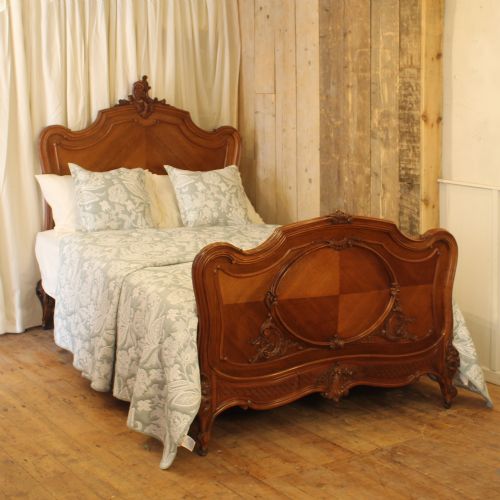
A wooden double bed serves as the central sleeping platform in a bedroom, combining practical function with decorative woodwork. When searching for a wooden double bed, buyers encounter a range of historic examples spanning from the seventeenth century through the Edwardian era and into the Art Deco period.
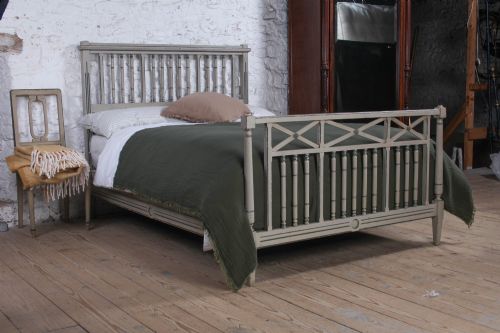
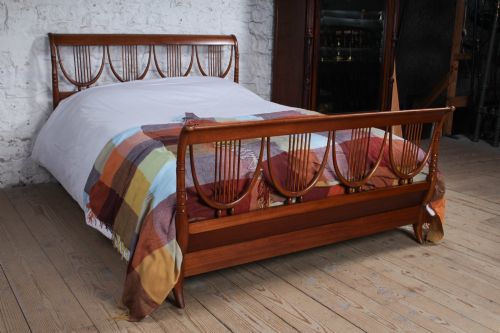
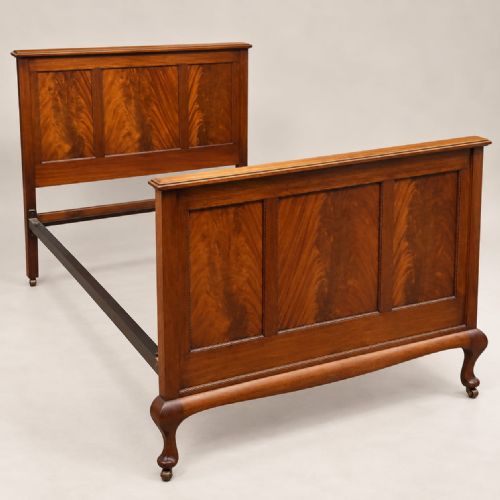
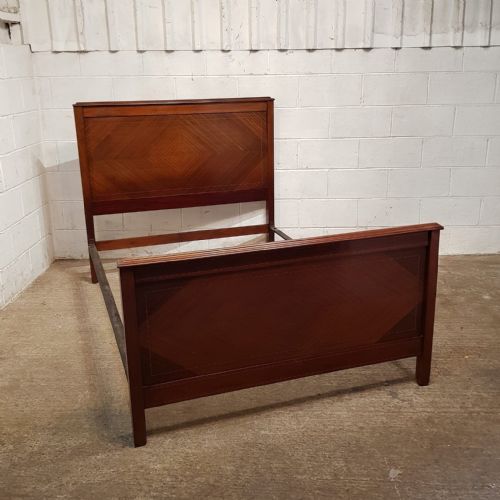
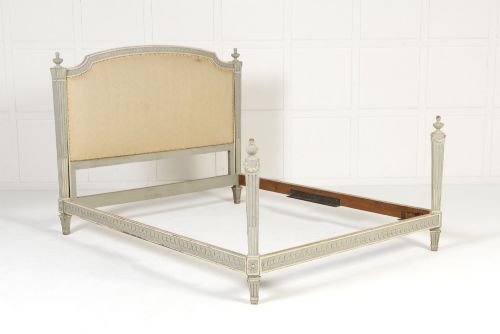
The selections available lean heavily towards nineteenth-century designs, Edwardian mahogany frames, and walnut pieces from the nineteen-twenties and nineteen-thirties. Formats include traditional bedsteads, four-poster configurations, and French styles such as Louis XVI revival and provincial painted finishes.
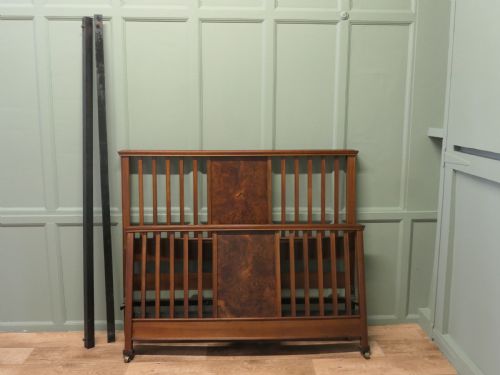
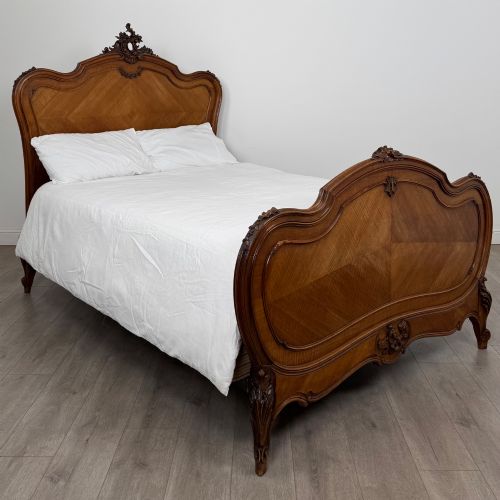
Makers and workshops of the past utilised native and exotic timbers to construct these frames, often incorporating carved details, burr veneers, or upholstered panels. Buyers find items ranging from simple oak frames to elaborate figured walnut and satinwood creations.
How they were made
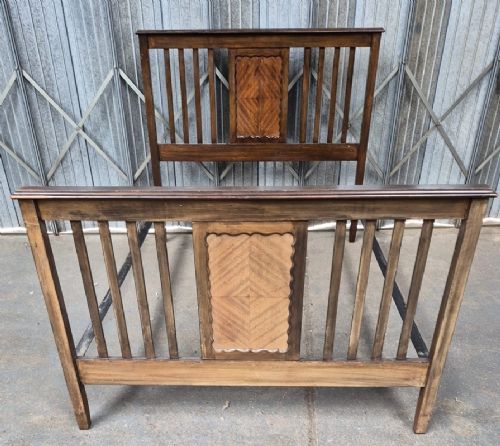
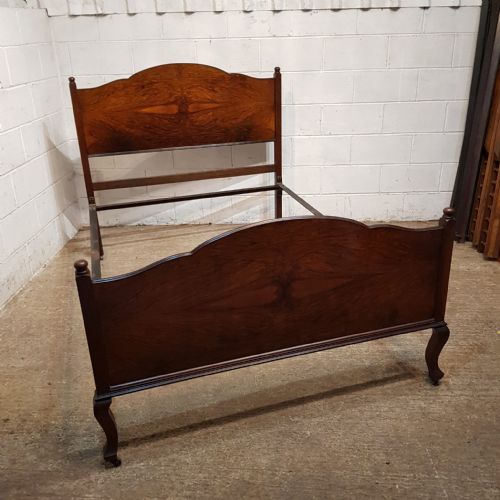
Cabinetmakers and joiners constructed these beds using solid timbers such as mahogany, oak, and walnut, often applying veneers of burr walnut, birch, or satinwood to display rich grain patterns. Frames frequently feature hand-carved ornamentation, decorative mouldings, and structural joints designed to support mattresses securely.
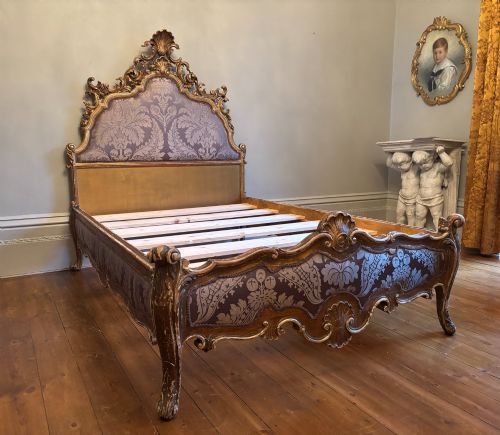
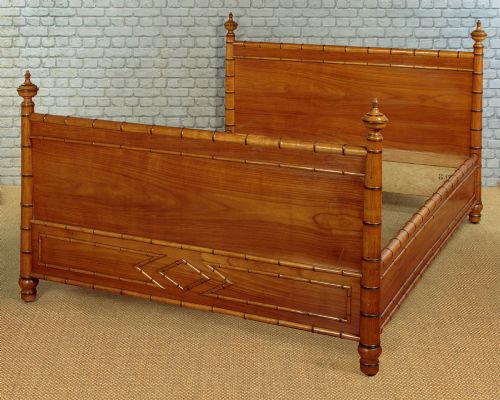
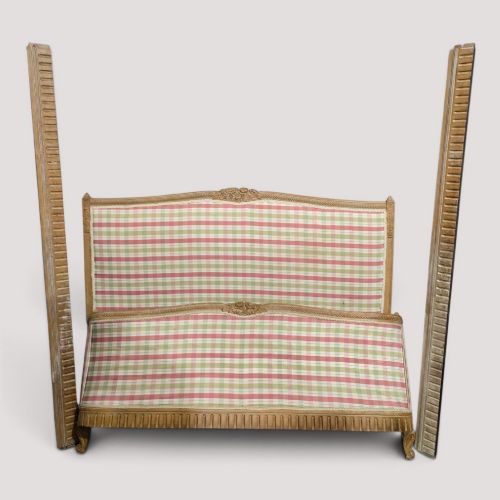
French and English workshops employed distinct stylistic approaches, ranging from simple faux bamboo turnings to elaborate marquetry, parquetry, and painted finishes. Upholstered headboards utilised high button backs or plain fabrics fixed directly into the wooden framework.
Wooden Double Bed Retail Price Guide 2026
Typical asking prices for wooden double bed among the pieces listed under this phrase on Sellingantiques today, from the lower quarter to the upper quarter. They describe what is for sale here now, not the wider market.
Several beds embrace playful imitation, utilising carved and painted faux bamboo to bring whimsical Victorian botanical style straight into the bedroom.
What varies in quality
Quality in a wooden double bed rests upon the selection of timber, the precision of the joinery, and the refinement of the carved or veneered surfaces. Superior examples display highly figured veneers like burr walnut or birds-eye maple matched symmetrically across the headboard and footboard.
The depth and crispness of hand-carving distinguish finer pieces from standard production items, alongside the structural integrity of the side rails and headboard supports. Finer beds maintain original surface patination and cohesive stylistic details consistent with their stated period.
Stanley Webb Davies
The Wooden Double Bed Glossary
- Bedstead
- A framework of a bed consisting of headboard, footboard, and side rails designed to support a mattress. It excludes the mattress and base.
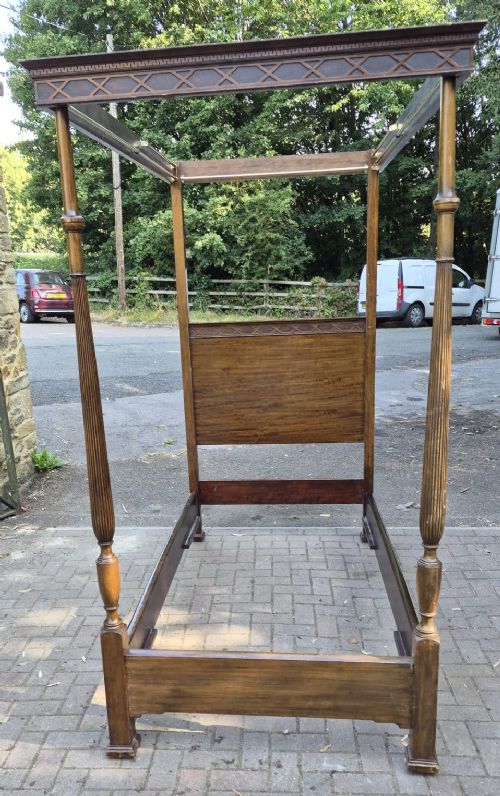
- Four Poster
- A bed with four vertical posts supporting an upper canopy or tester frame. This traditional form often incorporates carved oak or mahogany structural members.
- Veneer
- A thin layer of figured wood applied to a secondary timber base to create decorative patterns. Burr walnut and satinwood veneers appear frequently on twentieth-century frames.
- Faux Bamboo
- Wood turned and painted to imitate natural bamboo stalks. This decorative finish gained popularity during the late nineteenth century.
Wooden Double Bed: Frequently Asked Questions
What is a wooden double bed?
A wooden double bed is a traditional sleeping frame constructed primarily from timber such as mahogany, walnut, oak, or chestnut. These pieces date from various historical periods and incorporate styles ranging from plain rustic designs to elaborate French revival carving.
Buyers select these beds to introduce historic character and solid construction into modern bedrooms while retaining standard double mattress dimensions.
How do I identify the period?
Period identification relies on observing the combination of timber choices, decorative styles, and construction techniques used in the frame. For instance, satinwood and blond woods often point towards nineteen-thirties Art Deco designs, while mahogany with satinwood stringing frequently indicates an Edwardian origin.
Examining the turning of the legs, the presence of veneers, and stylistic motifs such as faux bamboo or Louis XVI revival helps narrow down the decade of manufacture.
How were four poster beds used?
Four-poster beds served as prominent bedroom furnishings designed to display the wealth and social standing of the household through elaborate woodwork and drapery. The vertical posts and upper tester frame originally held curtains that enclosed the sleeping area to retain heat and provide privacy.
In domestic settings, these substantial oak or mahogany frames formed the focal point of principal bedrooms.
How do I care for antique wood?
Antique wood frames require placement away from direct heat sources and strong sunlight to prevent timber warping and veneer drying. Regular dusting with a soft, dry cloth preserves the polished surface without damaging the historic finish.
Occasional application of appropriate furniture wax maintains the moisture balance of the timber and enhances the natural grain.