



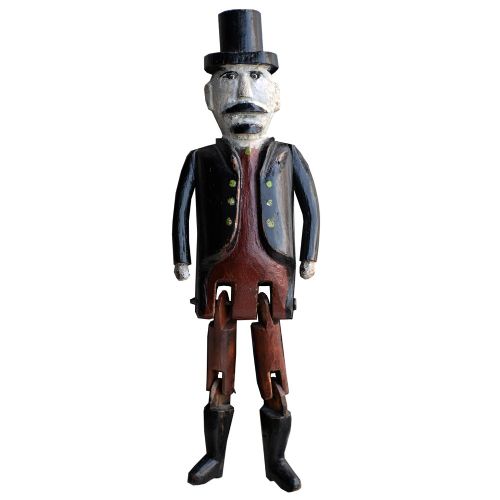
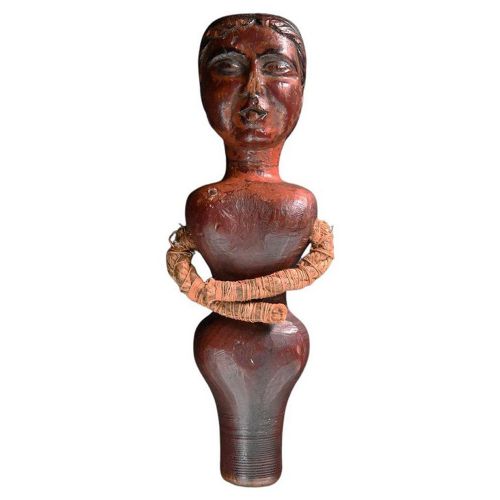


Wooden Doll Figure
These wooden doll figure pieces range from articulated artist lay figures to processional sculptures, offering tactile historical character for a collector's interior.
Wooden Doll Figure
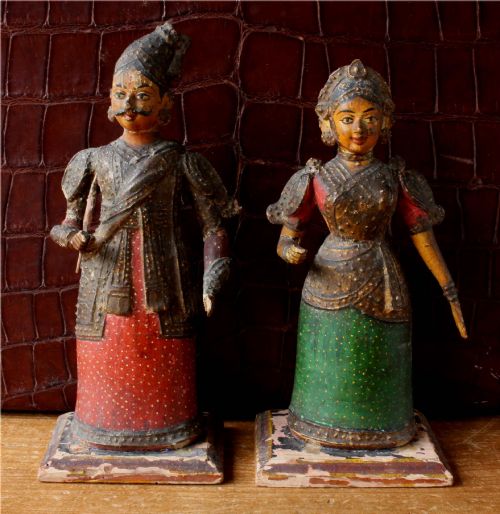
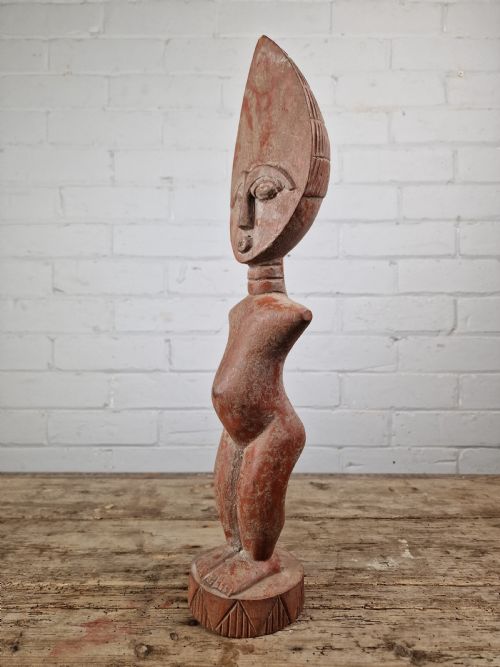
When you search for a wooden doll figure, you encounter a diverse group of objects spanning artist lay figures, religious processional sculptures, and folk art toys. The selections available here heavily concentrate on 19th-century and early 20th-century examples from English, French, Italian, and African origins.
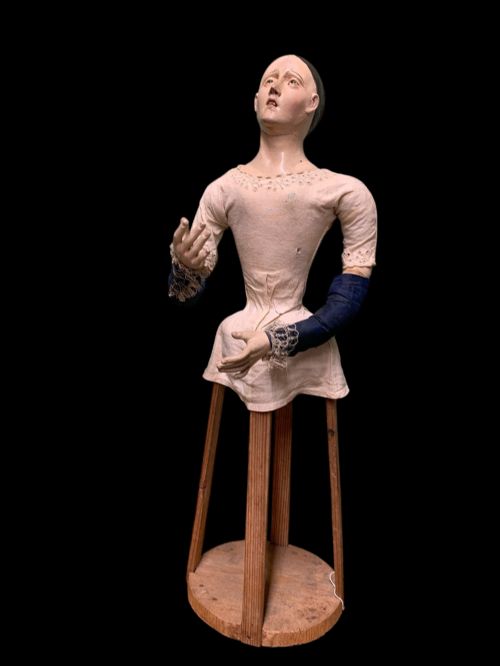
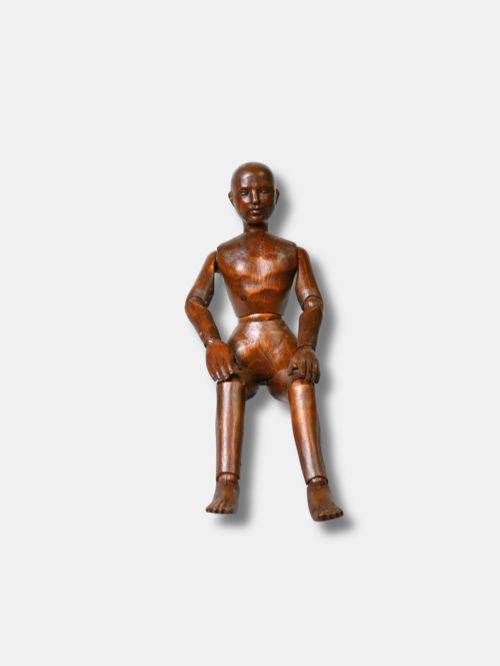
Articulated mannequins designed for artists sit alongside religious figures like Italian Santos pieces and traditional folk toys such as jigger dolls. These varied forms reflect both practical studio tools and cultural artefacts made for worship or entertainment.
Materials and construction
The primary material across these pieces is carved wood, often paired with surface finishes like paint, gesso, and polychrome pigments. Artisans utilised metals for internal joints and mechanics in articulated lay figures and puppets to allow movement.
Some figures incorporate textiles such as linen and lace for clothing, adding textural contrast to the carved wooden bodies. Hand-carving techniques define the surface details, varying from precise anatomical shaping in studio mannequins to expressive, simplified forms in folk art.
Wooden Doll Figure Retail Price Guide 2026
Typical asking prices for wooden doll figure among the pieces listed under this phrase on Sellingantiques today, from the lower quarter to the upper quarter. They describe what is for sale here now, not the wider market.
Some wooden figures wear tiny handmade waistcoats and tailcoats for a dapper appearance.
Assessing quality and character
Quality in these figures rests on the dexterity of the carving and the preservation of original surface treatments like paint and gesso. Finer studio lay figures demonstrate sophisticated articulation in the joints, allowing natural positioning.
Folk art and tribal examples rely on bold carving and genuine patination from use rather than anatomical precision. The survival of original pigments and textiles significantly elevates the visual impact of religious and processional figures.
The Wooden Doll Figure Glossary
- Articulated Lay Figure
- A wooden mannequin with movable joints utilised by artists to study drapery and human anatomy. These models date primarily from the 19th and early 20th centuries.
- Santos Figure
- A carved wooden religious sculpture representing a saint or holy figure, frequently dressed in real fabrics. Italian and European examples often show careful polychrome detailing.
- Jigger Doll
- A mechanical folk art toy designed to dance or jig on a board when manipulated. English and American versions from the early 20th century often feature painted details and miniature clothing.
- Procession Mannequin
- A large carved figure carried during religious or civic parades. These pieces often display robust construction to withstand outdoor use.
Wooden Doll Figure: Frequently Asked Questions
What is an artist lay figure?
An artist lay figure is a jointed wooden mannequin used historically by painters and sculptors to arrange clothing and study human form.
These pieces feature wooden pins and metal joints that allow the limbs to hold various poses in the studio.
How do I care for wooden figures?
Keep wooden figures away from direct sunlight and sudden temperature shifts to protect the wood and any painted gesso surfaces.
Dust gently with a dry, soft cloth and avoid applying liquid cleaners or oils that might damage old patination.
Are these figures painted?
Many examples retain their original paint, gesso layers, or polychrome decoration applied by the maker.
Surface finishes vary from simple flesh tones on studio mannequins to detailed religious vestments on Santos figures.