
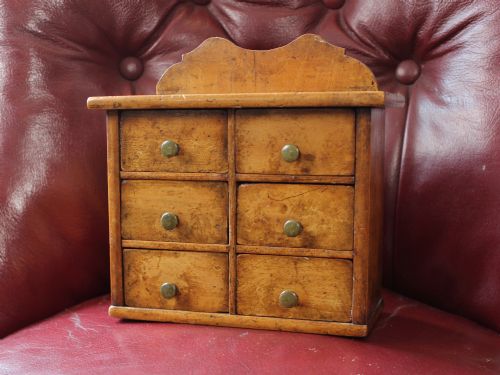


Wooden Desktop Storage Box
These wooden desktop storage box pieces are compact organizational chests and caskets designed to sit on a desk or table, prized for keeping letters, cigars, and small valuables neatly ordered.
Wooden Desktop Storage Box
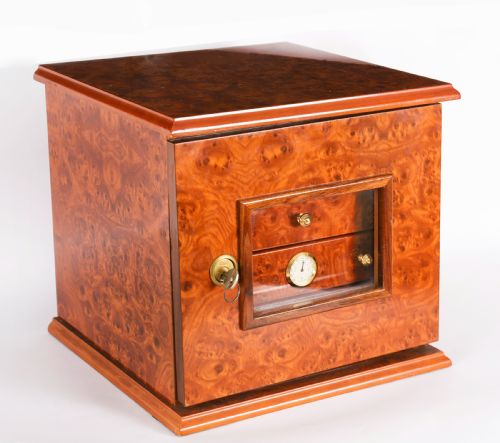
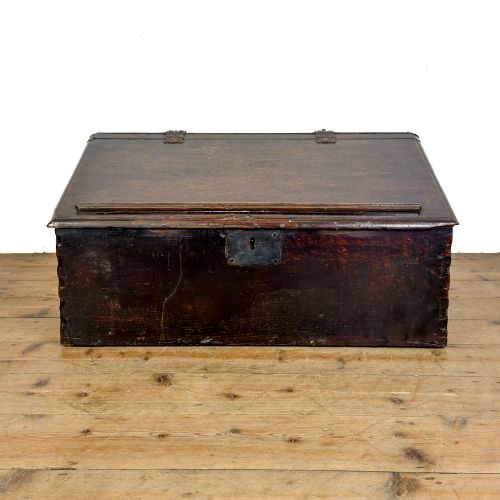
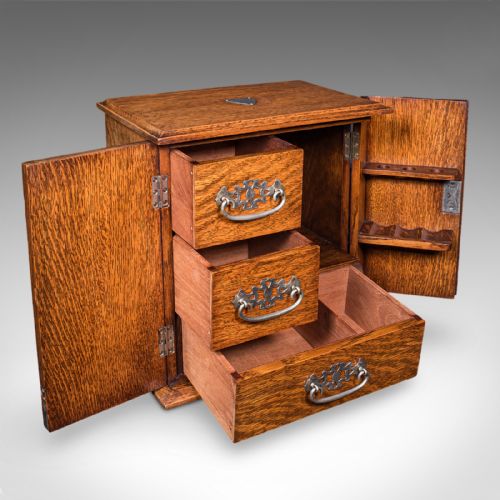
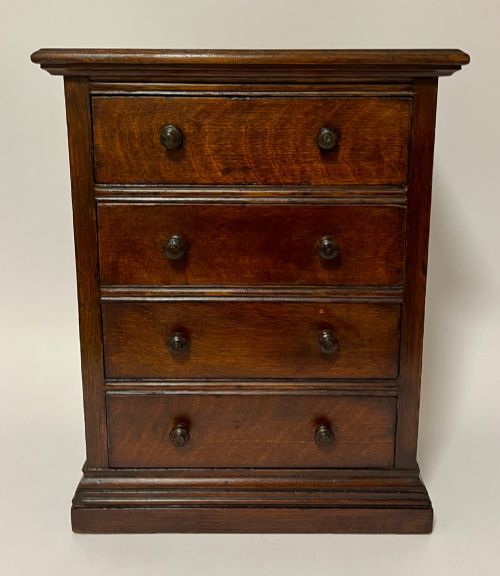
A wooden desktop storage box encompasses miniature chests of drawers, table cabinets, cigar humidors, and slope-front writing boxes built to hold correspondence, personal items, and collectibles close at hand. These pieces serve functional purposes on top of writing desks and tables in studies and libraries.
The versions most commonly met span the eighteenth and nineteenth centuries, alongside Edwardian and later twentieth-century examples. Forms range from simple oak desk boxes and spice drawers to sophisticated pollard oak and burr walnut collector cases with multiple internal compartments.
Many examples double as specialised receptacles such as apothecary display boxes, jewellery caskets, and doctor smoking cabinets. Their scale allows them to sit comfortably on standard tabletops while offering considerable internal division through drawers, trays, and lift-out sections.
Materials and construction
Construction relies heavily on durable hardwoods such as oak, mahogany, walnut, and fruitwood, selected for their stability and grain character. Specialised pieces utilise burr elm, satinwood, and exotic woods like kingwood and ebony for decorative surfaces.
Joinery methods include dovetail corners on drawers and secure panel construction for box bodies to withstand daily desktop use. Brass handles, hinges, and corner binding provide structural reinforcement and functional contrast to the timber.
Listings feature woods including mahogany, oak, fruitwood, burr walnut, ebony, and kingwood across the eighteenth, nineteenth, and twentieth centuries.
Variations in quality
Quality reveals itself in the selection of timber figure, such as richly grained burr walnut or figured oak, and the precision of the joinery. Fine examples display carefully matched veneers, subtle inlay work in holly and bog oak, and well-fitted internal drawers that move smoothly.
Hardware choice and execution also mark the standard of a piece, from heavy brass carrying handles to integrated locks and working keys. The integrity of the original polish and surface patina further distinguishes standard utility boxes from superior cabinetmaker work.
Alfred Dunhill·Amberg
The Wooden Desktop Storage Box Glossary
- Humidor
- A specialised box lined to maintain humidity for storing cigars safely. These internal compartments often incorporate cedar or other moisture-retentive woods.
- Collector cabinet
- A small chest featuring multiple shallow drawers designed for organising specimens, coins, or small artefacts. These units prioritize internal modularity.
- Sloped writing box
- A portable desk with an angled lid that opens to reveal a flat or slanted writing surface and pigeonholes. When closed, it stores stationery and ink.
- Apprentice piece
- A miniature item demonstrating a cabinetmaker's skill to achieve journeyman or master status. These small chests replicate full-sized furniture designs.
- Patina
- The surface sheen and colour developed by wood over decades of handling and exposure to light. This visual depth indicates age and careful maintenance.
Wooden Desktop Storage Box: Frequently Asked Questions
What were wooden desktop storage boxes used for?
These boxes held correspondence, stationery, cigars, jewellery, and small collectible specimens within easy reach on working desks.
Their varied internal layouts allowed owners to sort documents, protect valuables, and dispense specialised items like medical supplies or smoking accessories.
How do I care for a vintage wooden box?
Keep the wood away from direct heat sources and strong sunlight to prevent the timber from warping or the finish from fading.
Apply a traditional beeswax polish occasionally to nourish the grain and maintain the natural lustre of the surface patina.
How can I tell the period of a desktop box?
Examine the construction methods, such as hand-cut dovetails on drawers and the type of secondary timbers used inside the case.
Stylistic cues like Georgian bracket feet, Regency brass inlay, or Victorian burr walnut veneers help narrow down the manufacturing era.
Are these boxes suitable for modern daily use?
Their compact dimensions and sturdy timber construction make them practical for organising modern desk accessories, pens, and small keepsakes.
Lined compartments originally intended for cigars or stationery work well for storing contemporary jewellery and personal items.