


Wooden Desktop Organizer
These wooden desktop organiser pieces range from Victorian stationery boxes to Georgian miniature chests, keeping your papers and correspondence in order.
Wooden Desktop Organizer
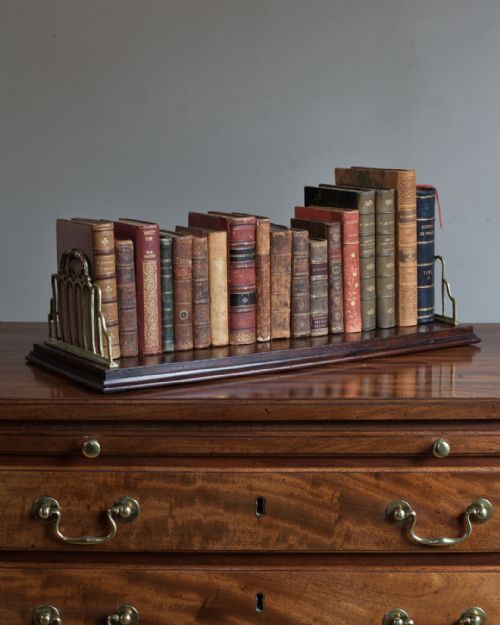
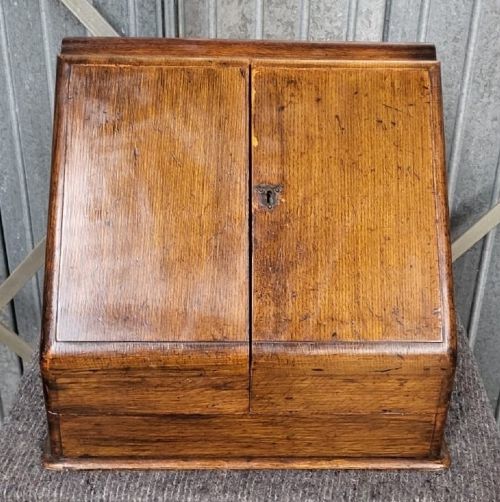
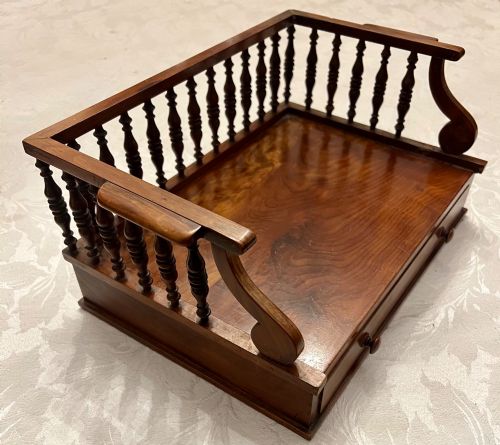
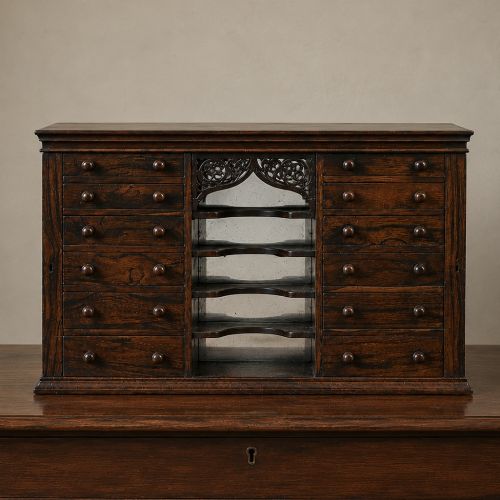
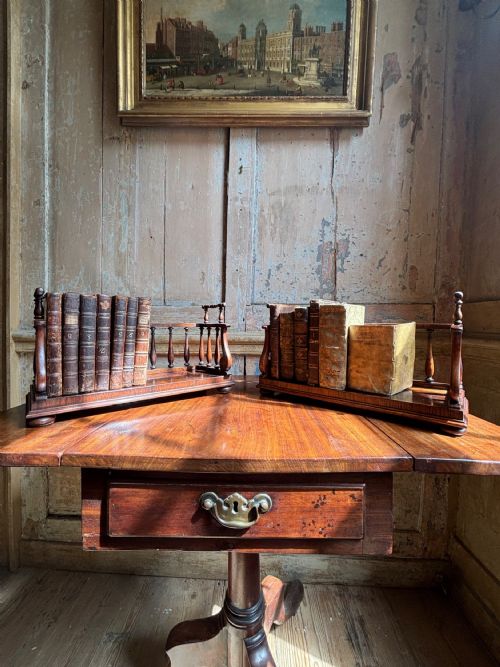
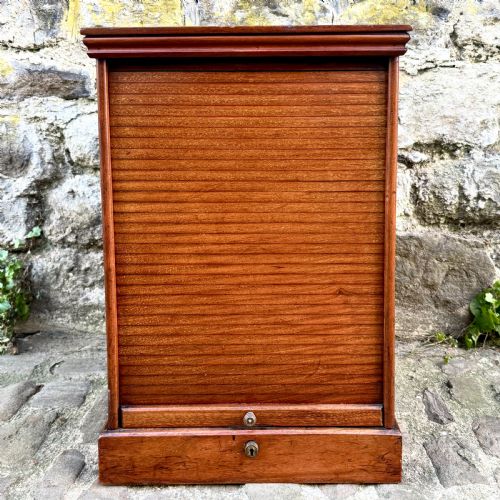
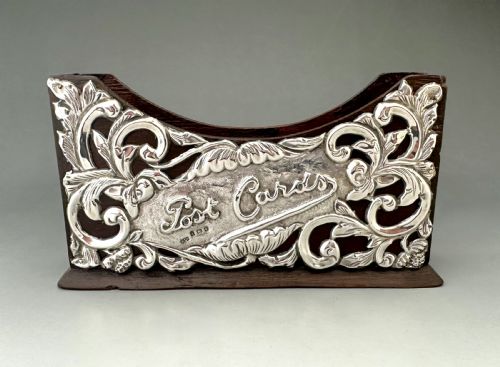
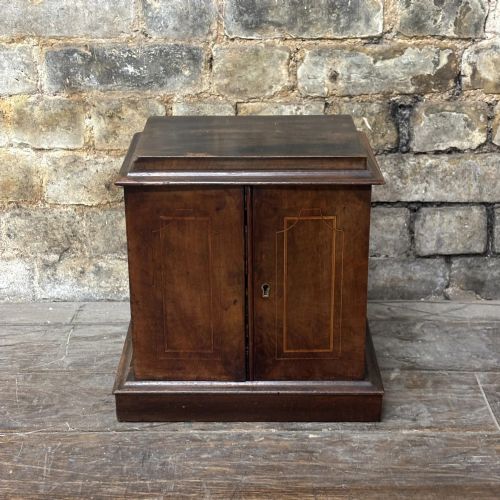
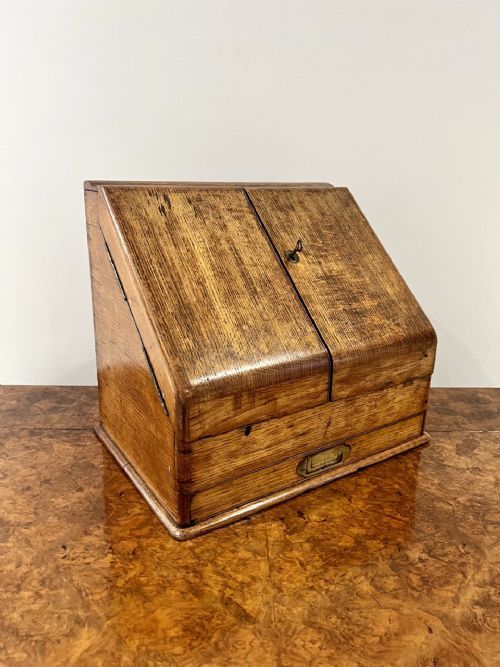
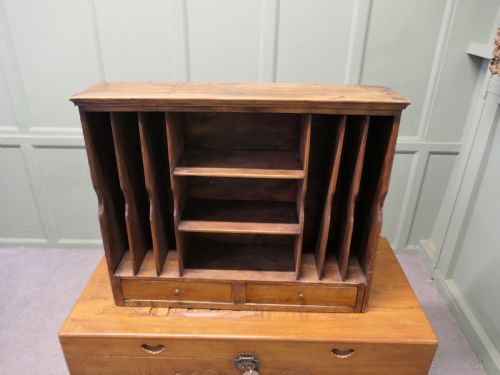
A wooden desktop organiser serves to keep correspondence, books, and writing materials tidy on a desk or table. When searching for a wooden desktop organiser, you encounter various practical forms such as stationery cabinets, book slides, letter racks, and miniature chests of drawers.
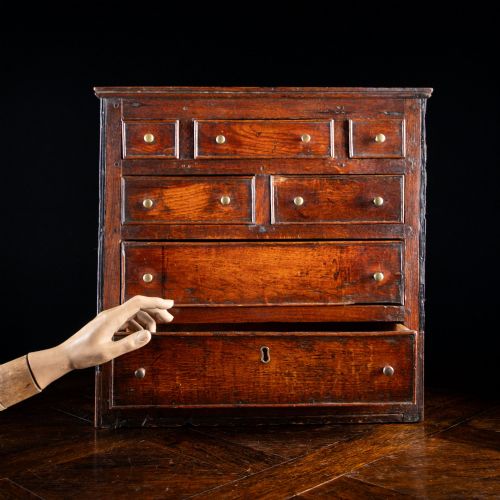
The selections span distinct historical eras, appearing in Georgian, Regency, Victorian, Edwardian, and later periods up to the nineteen-twenties. Common physical formats include slope-front boxes, table cabinets with doors, expanding book troughs, and small banks of drawers.
Makers utilised these accessories for domestic studies, libraries, and offices, creating functional pieces that often incorporate compartments, brass mounts, or secret drawers. Oak, mahogany, and rosewood dominate the surviving examples, reflecting the favoured cabinet timbers of their respective centuries.
Materials and construction methods
Cabinet makers built these desktop items using solid hardwoods like oak, mahogany, walnut, and rosewood, occasionally employing exotic woods such as coromandel or yew for decorative effect. They joined the timber using traditional dovetail and mitre joints to ensure durability in daily use.
Metal hardware, particularly brass hinges, drop handles, locks, and corner mounts, provides structural reinforcement and visual contrast to the dark timber surfaces. Decorative treatments include hand-carving in styles such as Black Forest or Arts and Crafts, marquetry inlay, and mother of pearl embellishment.
Wooden Desktop Organizer Retail Price Guide 2026
Typical asking prices for wooden desktop organizer among the pieces listed under this phrase on Sellingantiques today, from the lower quarter to the upper quarter. They describe what is for sale here now, not the wider market.
Hand-carved Black Forest bears peer out from inkstands, guarding inkwells with fierce wooden expressions.
Judging quality and execution
The grade of a desktop piece depends heavily on the selection of timber grain and the precision of the joinery used in its construction. Superior examples display careful matching of wood veneers, fine dovetailing on drawer boxes, and original brass fittings that sit flush with the wood.
Design complexity also separates standard utility items from high-end commissions, with better pieces featuring integrated locking mechanisms, secret compartments, fitted pigeonholes, or hand-carved detailing. Patina and surface preservation indicate how well a piece has aged through decades of desk use.
Amberg·Gillows
The Wooden Desktop Organizer Glossary
- Stationery cabinet
- A tabletop cabinet fitted with internal shelves, pigeonholes, and document slots designed to hold writing paper and envelopes.
- Book slide
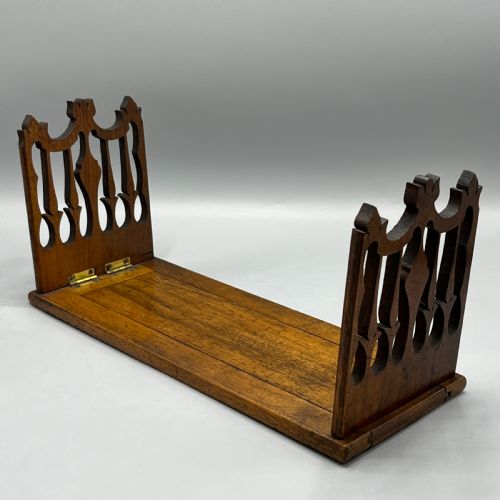
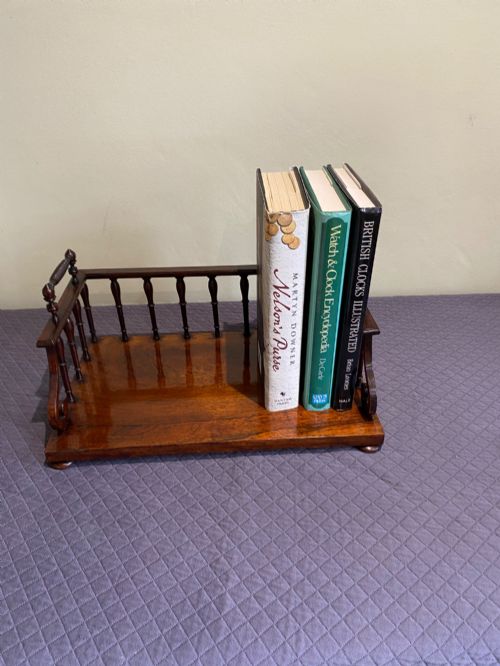
- An extending wooden stand placed on a desk or shelf to hold books upright, often featuring hinged or sliding sections to adjust length.
- Apprentice piece
- A miniature item of furniture, such as a chest of drawers, demonstrated by a craftsman to prove skill before achieving master status.
- Pigeonhole
- A small, open compartment within a desk or cabinet used for sorting letters and documents.
- Patina
- The deep gloss and surface character developed on wood over long periods of handling and waxing.
Wooden Desktop Organizer: Frequently Asked Questions
What is a wooden desktop organiser used for?
These pieces served to sort and store letters, writing paper, account books, and small office supplies in period studies and libraries.
They kept loose documents tidy and protected valuable correspondence behind doors or inside lidded compartments.
How do I identify a Victorian stationery cabinet?
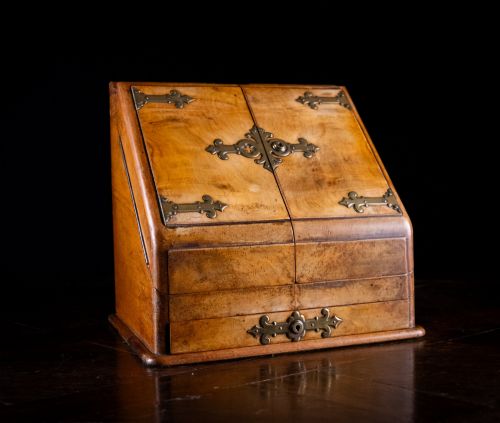
Victorian models typically utilise dense timbers such as mahogany or oak, often featuring brass mounts, galleried tops, and fitted internal partitions.
Many incorporate panelled doors or sloping lids that open to reveal letter slots and pen trays specific to nineteenth-century correspondence.
Are these desk accessories meant for daily use?
Most pieces remain structurally sound and function well for holding modern mail, notebooks, and writing instruments on a contemporary desk.
Care should be taken with antique mechanisms, delicate wood veneers, and original locking systems to preserve their condition.
What is the difference between a desk box and a cabinet?
Desk boxes usually feature hinged lids, slope fronts, or lifting sections designed for writing and storing papers flat or angled.
Cabinets stand upright with vertical doors or drawers, offering fixed internal shelving and pigeonholes for organised document filing.