






Wooden Deity Statue
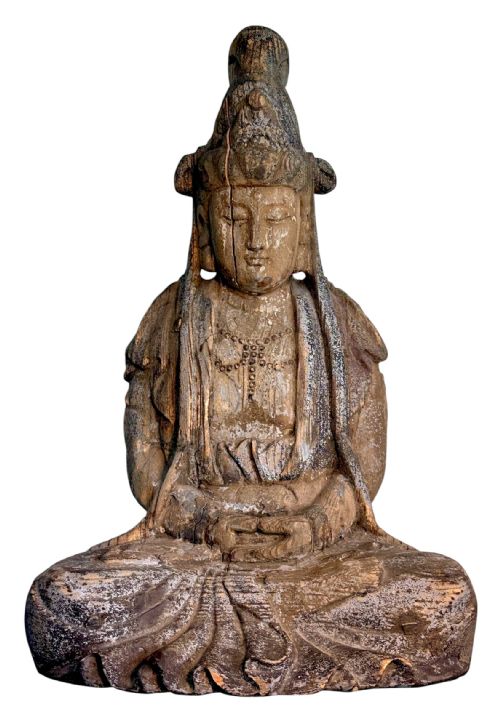
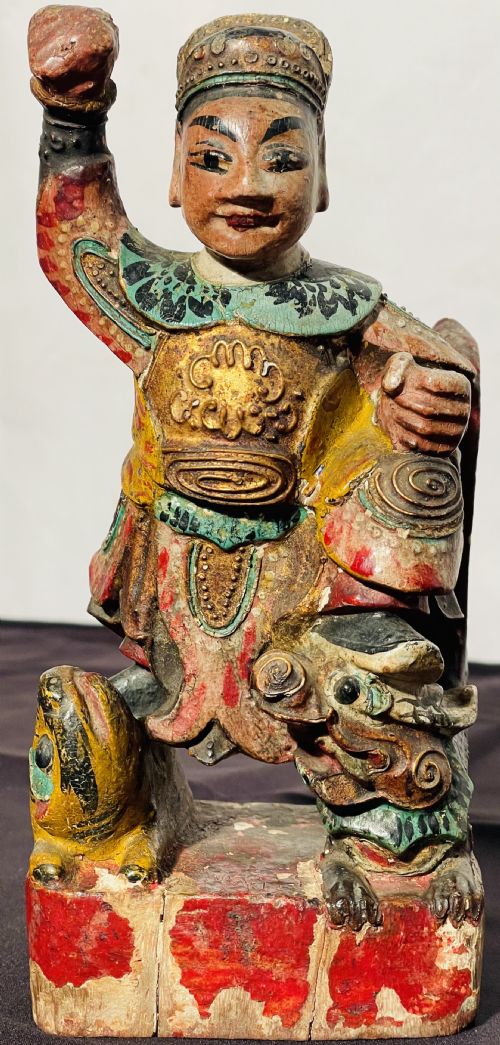
A wooden deity statue carries centuries of devotion and ritual, shaped from dense timber and finished with pigment or gold.
Wooden Deity Statue
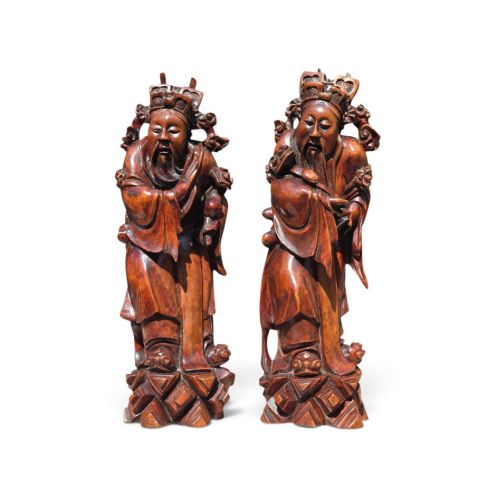
A wooden deity statue represents figures from spiritual traditions across Asia and Europe, spanning periods from the mid-eighteenth century through to the early twentieth century. When searching for a wooden deity statue, buyers encounter diverse regional forms including Chinese immortals, Balinese figures, Indian gods, and Japanese deities.
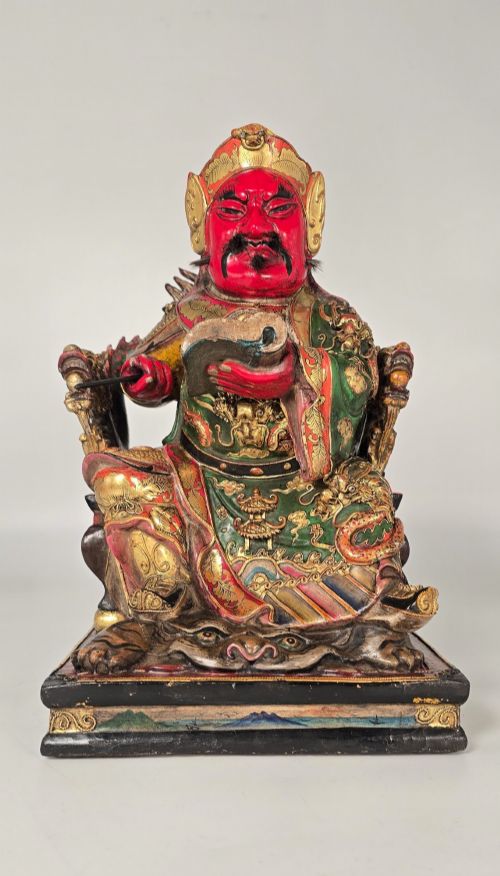
The selections on this page encompass architectural carvings, temple guardians, medicine figures, and household shrines. Materials range from plain hardwood and boxwood to intricately gilded and polychrome painted surfaces.
Most examples originate from Asian traditions, featuring recognizable figures such as Buddha, Quan Yin, Rama and Sita, or Daoist immortals, alongside European interpretations like the goddess Fortuna from the Grand Tour.
Materials and construction methods
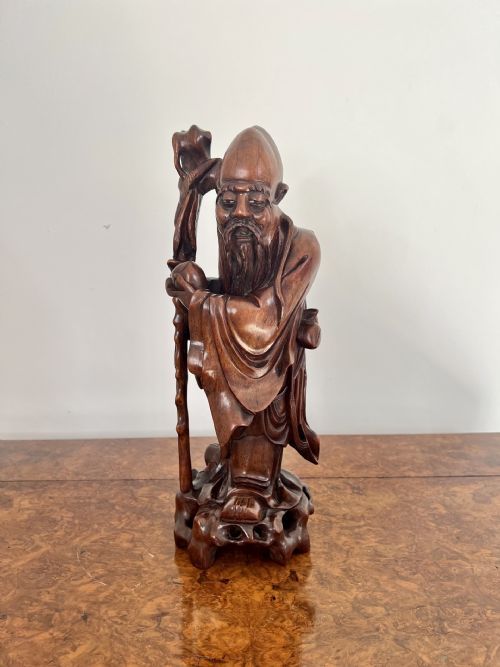
Makers shaped these sculptures from various timbers, utilising heavy hardwoods, boxwood, and root wood that provided stable foundations for intricate carving. Carvers worked the grain directly, defining drapery, facial expressions, and symbolic attributes through deep relief and openwork.
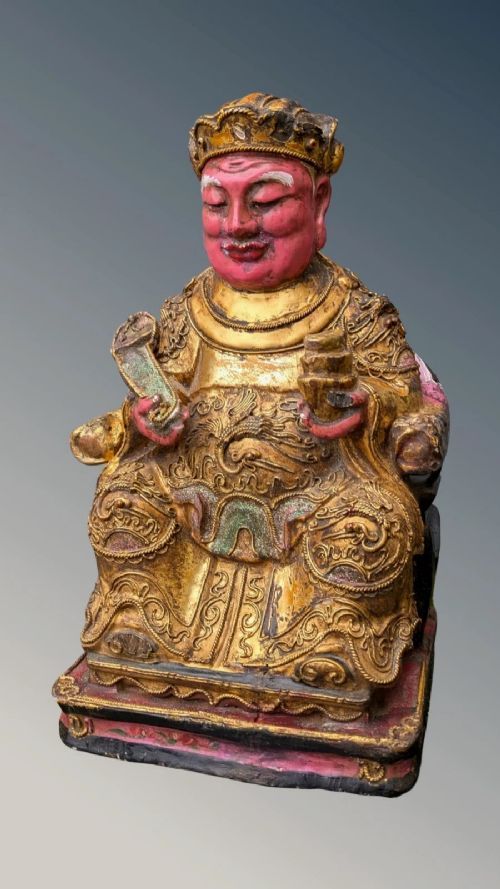
Surfaces frequently received layers of gesso to smooth the wood before artisans applied gold leaf, lacquer, or polychrome pigments in red, green, and black tones. These finishes often combined gilding with hand-painted details to highlight garments and ritual objects.
Wooden Deity Statue Retail Price Guide 2026
Typical asking prices for wooden deity statue among the pieces listed under this phrase on Sellingantiques today, from the lower quarter to the upper quarter. They describe what is for sale here now, not the wider market.
Materials recorded across the inventory include plain wood, hardwood, boxwood, root wood, gold leaf, gesso, lacquer, and polychrome pigment.
Assessing craftsmanship and finish
The integrity and preservation of original surface treatments dictate the distinction between pieces, as intact layers of early polychrome paint, lacquer, or gold leaf retain the intended visual impact. Pieces demonstrating harmonious integration between the carved wooden form and its decorative finish command greater attention.
The Wooden Deity Statue Glossary
- Polychrome
- Painted in several colours. This describes statues decorated with mineral pigments directly over wood or gesso grounds.
- Gilt Wood
- Timber that has been decorated with gold leaf or gold paint. Artisans applied this technique to highlight sacred figures and architectural elements.
- Hardwood
- Dense timber from broad-leaved deciduous trees. Carvers utilised these heavy woods to prevent warping and to support fine detail work.
- Gesso
- A plaster mixture applied to wood as a base for paint or gold leaf. It created a smooth surface for detailed decoration.
- Okimono
- A Japanese ornamental carving intended for display. These small figures often depict deities, folklore characters, or auspicious beings.
Wooden Deity Statue: Frequently Asked Questions
What is a wooden deity statue?
A wooden deity statue is a carved sculptural representation of a religious figure, saint, or mythological being fashioned from timber.
These pieces served as objects of veneration in temples and homes, or as decorative works during periods like the Qing dynasty and Meiji era.
How do I care for a wooden deity statue?
Protect the sculpture from direct sunlight, extreme temperature shifts, and high humidity to prevent the timber from splitting.
Dust gently with a dry, soft brush and avoid using water or chemical cleaners on painted, lacquered, or gilded surfaces.
Were these statues painted originally?
Many sculptures received applications of polychrome paint, lacquer, or gold leaf over a gesso base to enhance their visual presence.
Over time, handling and age cause these surface treatments to weather, leaving visible traces of earlier colours.