









Wooden Counter Display Case
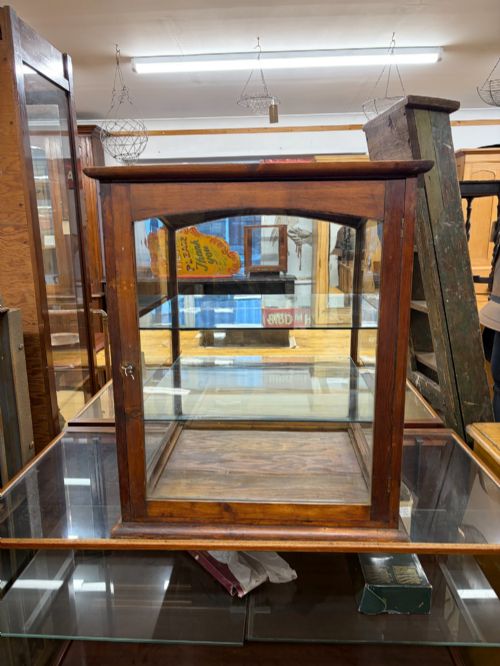
A wooden counter display case puts merchandise right under the customer's eye, built from timber and glass to show off small goods.
Wooden Counter Display Case
A wooden counter display case brings shopkeeping history directly into a room, serving as a tabletop showcase or a full counter. When searching for a wooden counter display case, a buyer encounters pieces from the Victorian era up through the 1930s, reflecting changing retail needs.
Most examples found here take the form of countertop cabinets, haberdashery units, and apothecary boxes. These serve to protect and present small goods like sewing cottons, chocolates, and writing equipment.
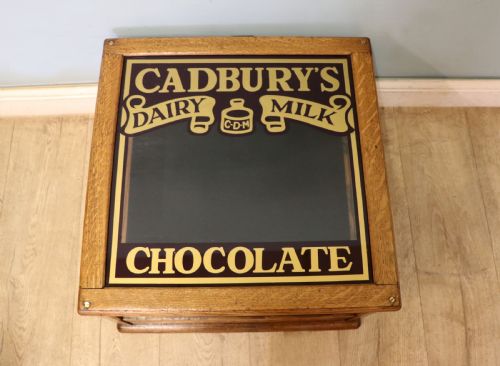
Origins span standard commercial styles to specific advertising pieces for brands like Fry, Cadbury, and Chadwick. The range includes simple oak frames alongside polished mahogany and cedar structures in various regional tastes.
Evaluating craftsmanship and condition
Quality rests in the selection of timber and the precision of the joinery used in the frame. Higher grades show refined moulding, well-fitted doors, and robust brass fittings that endure daily commercial use.
The integration of original glazing and specialist elements like period sign-writing elevates a piece above standard utility boxes. Finer examples maintain their original polished surfaces and intact interior linings.
Wooden Counter Display Case Retail Price Guide 2026
Typical asking prices for wooden counter display case among the pieces listed under this phrase on Sellingantiques today, from the lower quarter to the upper quarter. They describe what is for sale here now, not the wider market.
Periods represented span the Victorian era, the 1850s, 1880s, 1890s, Edwardian years, 1910, 1920s, and the Art Deco 1930s.
Fry·Chadwick·Saml Elliott And Sons·Ermen And Roby·Cadburys·Venus Pencil
The Wooden Counter Display Case Glossary
- Haberdashery cabinet
- A specialised storage and display unit originally used in drapery shops for small sewing goods. These often feature multiple glass-fronted compartments.
- Countertop cabinet
- A small display case designed to sit directly on top of a shop counter for customer viewing. This form keeps merchandise at eye level.
- Apothecary box
- A small chest or case intended for medicines and medical components. They frequently contain multiple internal divisions.
- Sign-written
- Lettering painted directly onto the glass or wood surface of a cabinet. This technique was standard for period commercial advertising.
Wooden Counter Display Case: Frequently Asked Questions
What were wooden counter display cases used for?
Merchants used these cases to showcase small retail items on shop counters while keeping them protected from dust and handling. Goods ranged from sewing cottons and chocolates to writing materials and medicines.
Customers viewed the merchandise through glass panels while shopkeepers accessed the items from the rear. These units doubled as functional storage and point-of-sale advertising.
How do I date a wooden counter display case?
Dating relies on observing the timber types, hardware, and commercial style indicators. Victorian and Edwardian examples often feature mahogany or oak construction with traditional joinery.
Later pieces from the 1920s and 1930s incorporate Art Deco geometric lines or specific corporate advertising for brands like Cadbury and Fry. Patent dates on brass fittings also offer clues to the period.
Where should I place a display case at home?
These cabinets suit tabletops, sideboards, or dedicated display tables where their glass panels can catch the room's light. Placing them away from direct sunlight protects both the wooden frames and any items stored inside.
They work well for organising and exhibiting small collections such as vintage tins, stationery, or sewing accessories. The countertop footprint allows them to fit easily into living spaces without dominating the room.
Are advertising cabinets authentic?
Many commercial cabinets bear period sign-writing for brands such as Chadwick or Venus Pencil, applied to promote specific goods on the shop counter. Assessing authenticity involves examining how the lettering ages alongside the surrounding wood and glass.
Original advertising paint shows appropriate wear consistent with the age of the cabinet frame. The integration of the brand name into the design indicates factory-level production rather than later addition.