

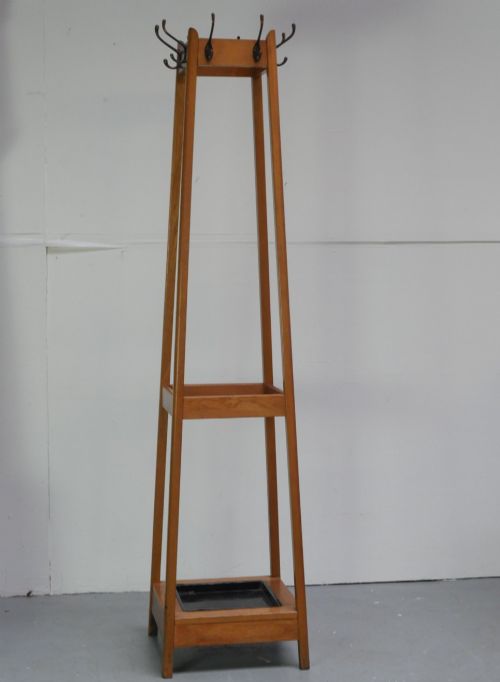
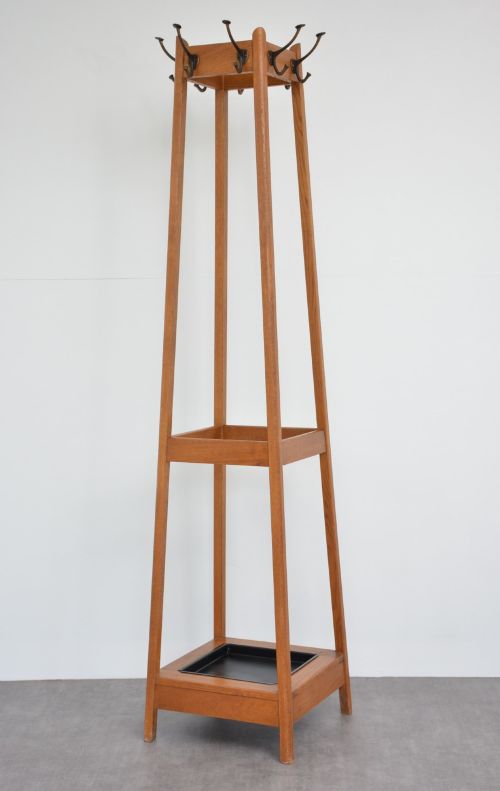
Wooden Coat Stand Umbrella Rack
A wooden coat stand umbrella rack provides a practical hallway centrepiece, combining hat hooks, coat pegs and integrated stick holders.
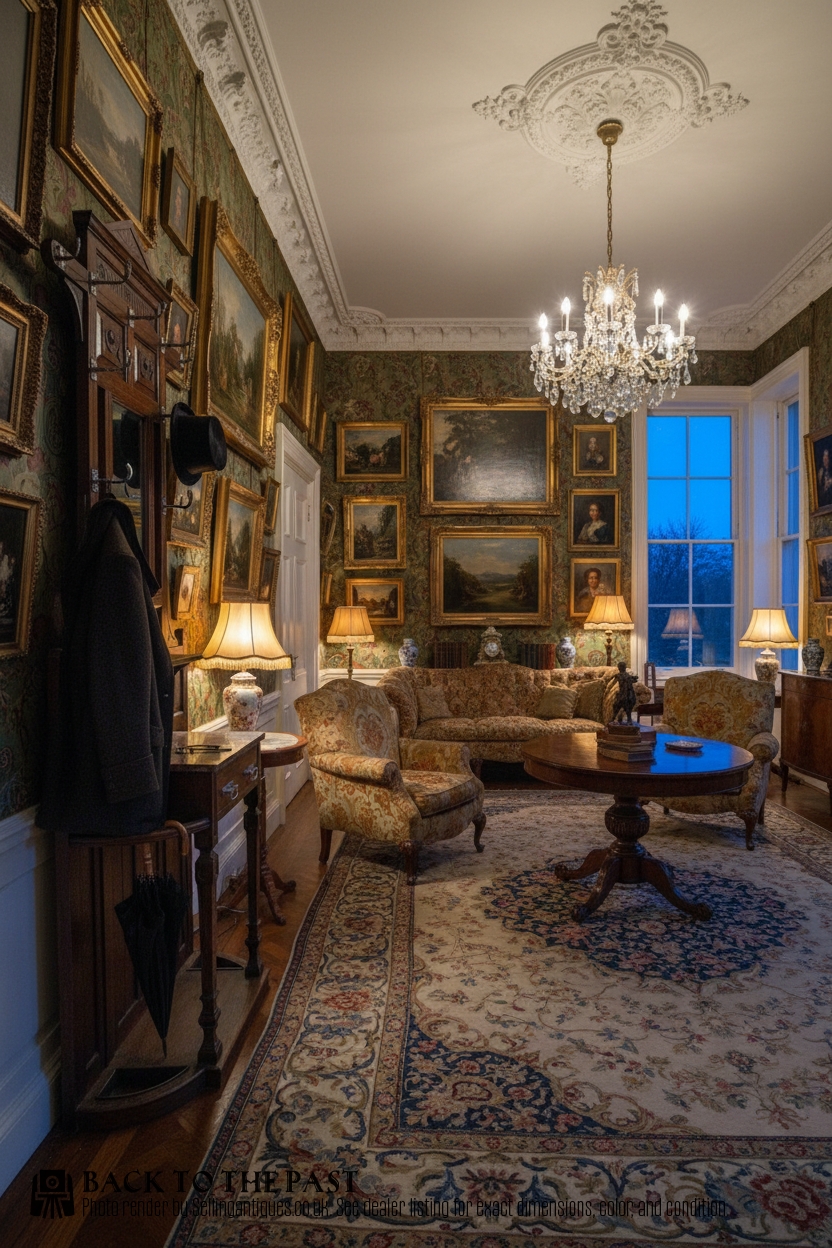
Wooden Coat Stand Umbrella Rack
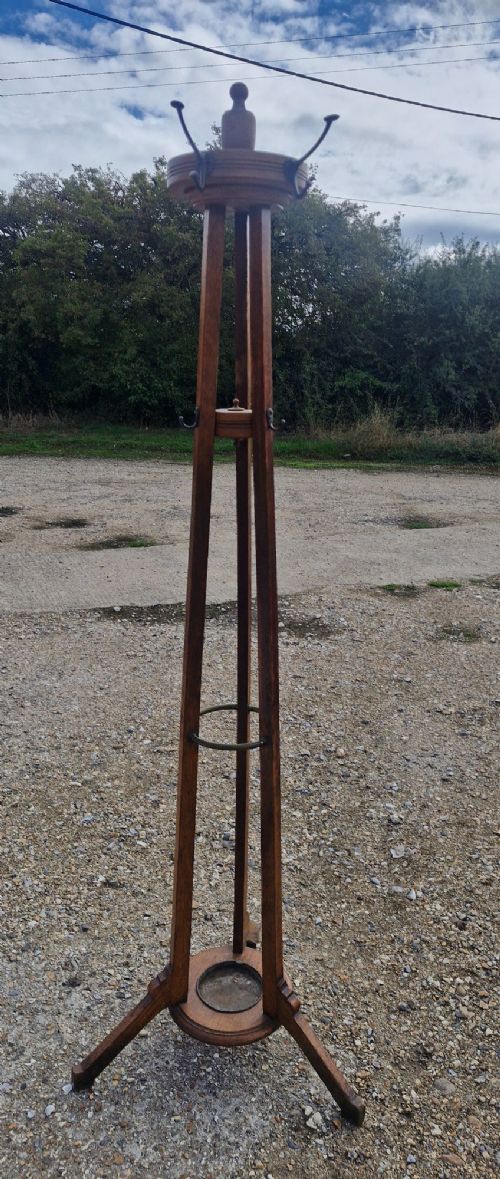
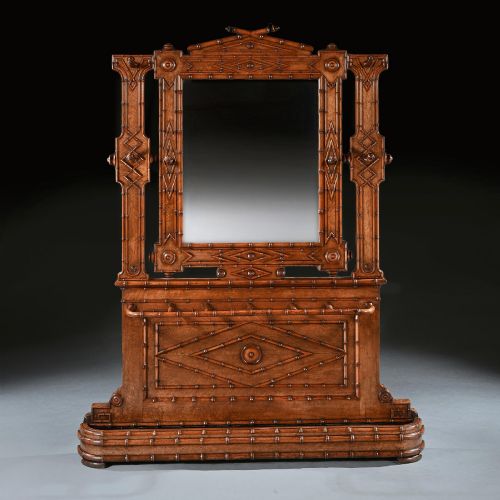
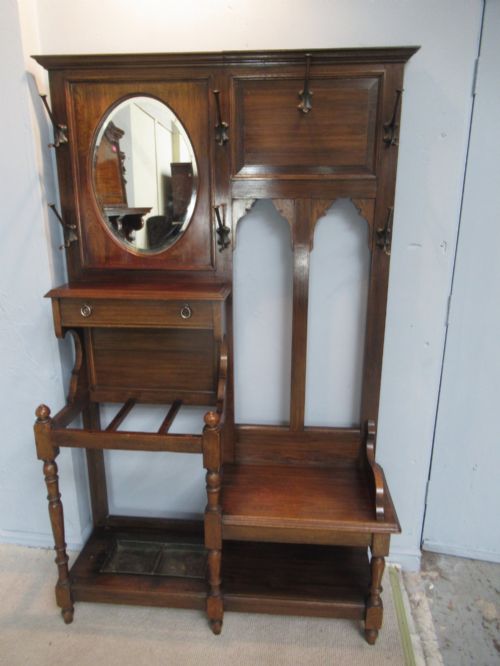
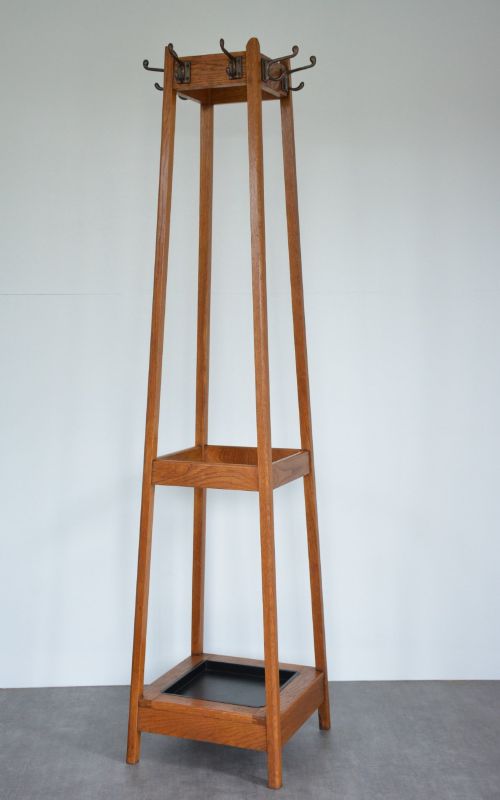
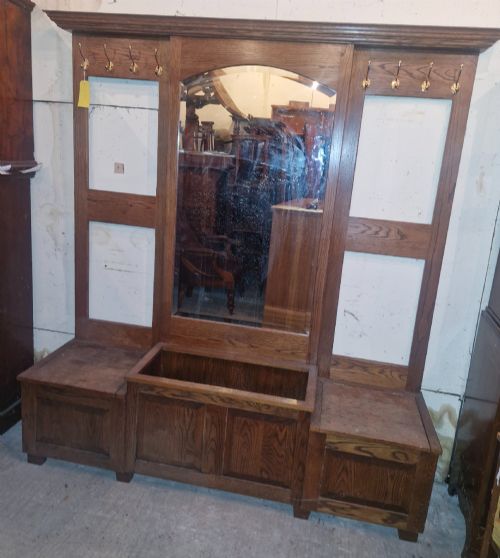
A wooden coat stand umbrella rack serves as a functional hallway furniture piece designed for organising outerwear and walking sticks. When searching for a wooden coat stand umbrella rack, buyers encounter a variety of forms ranging from compact upright designs to substantial hall seats with mirrors and storage. These pieces date across the nineteenth and twentieth centuries, spanning periods from the Victorian era through the Edwardian period and into the 1930s.
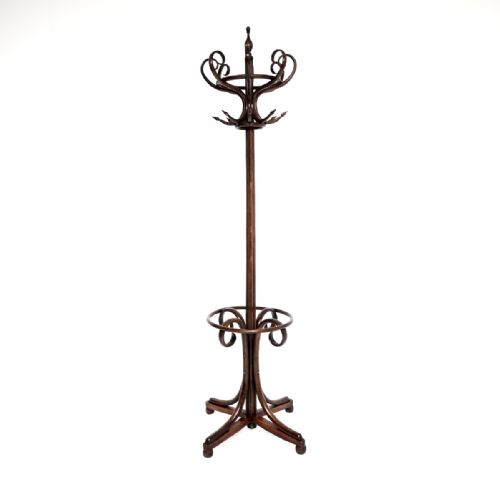
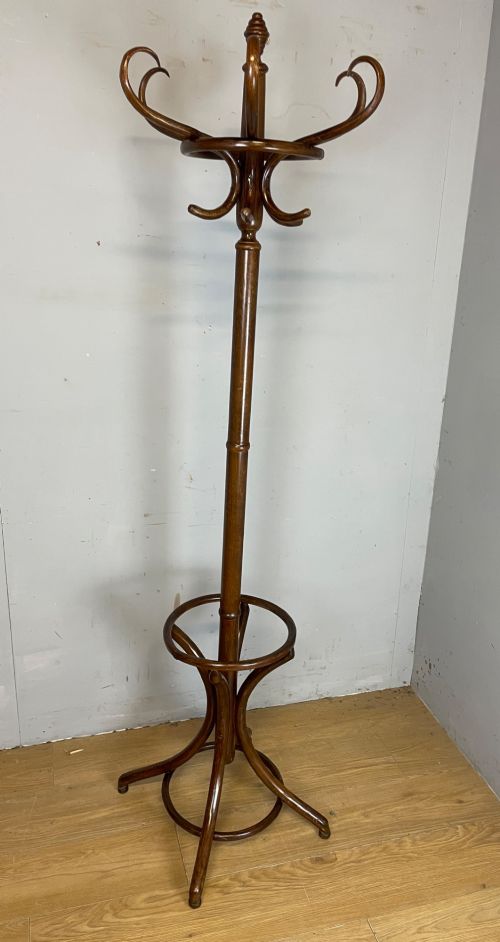
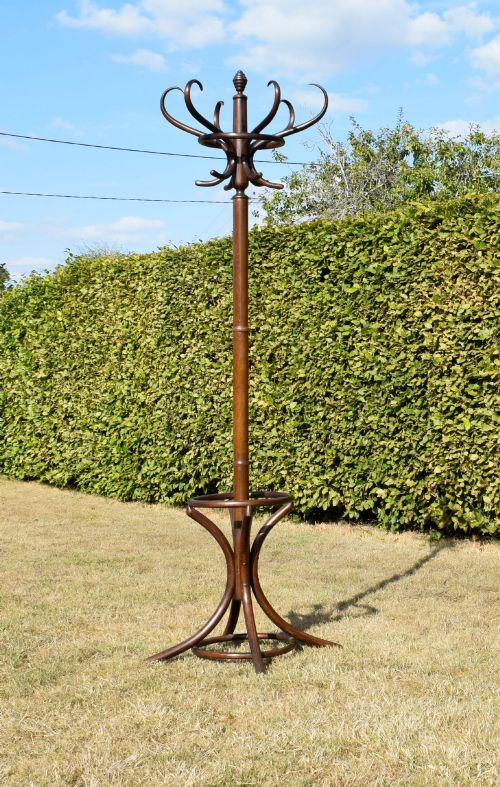
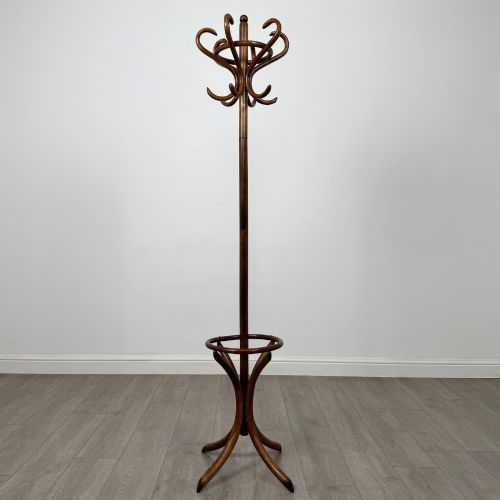
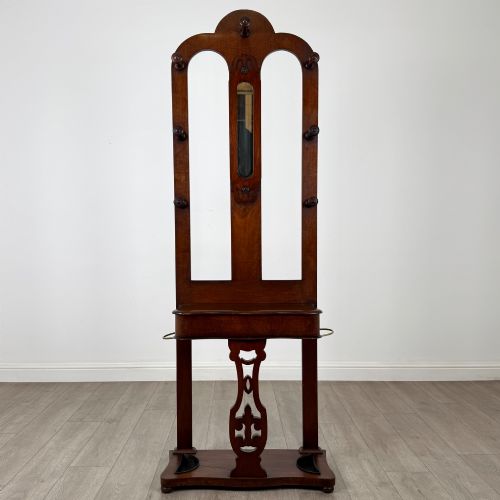
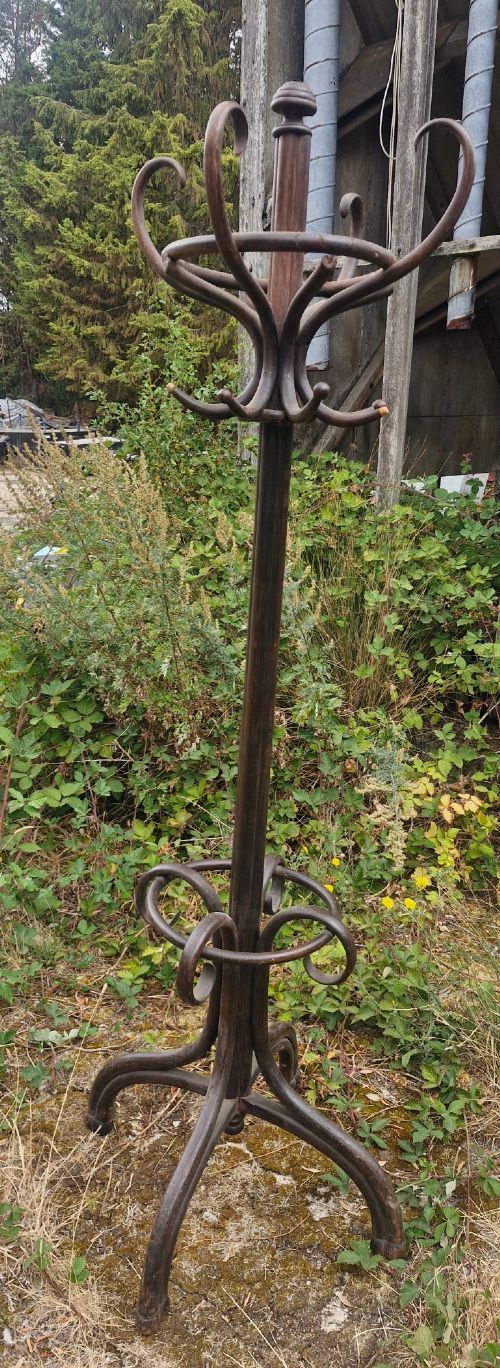
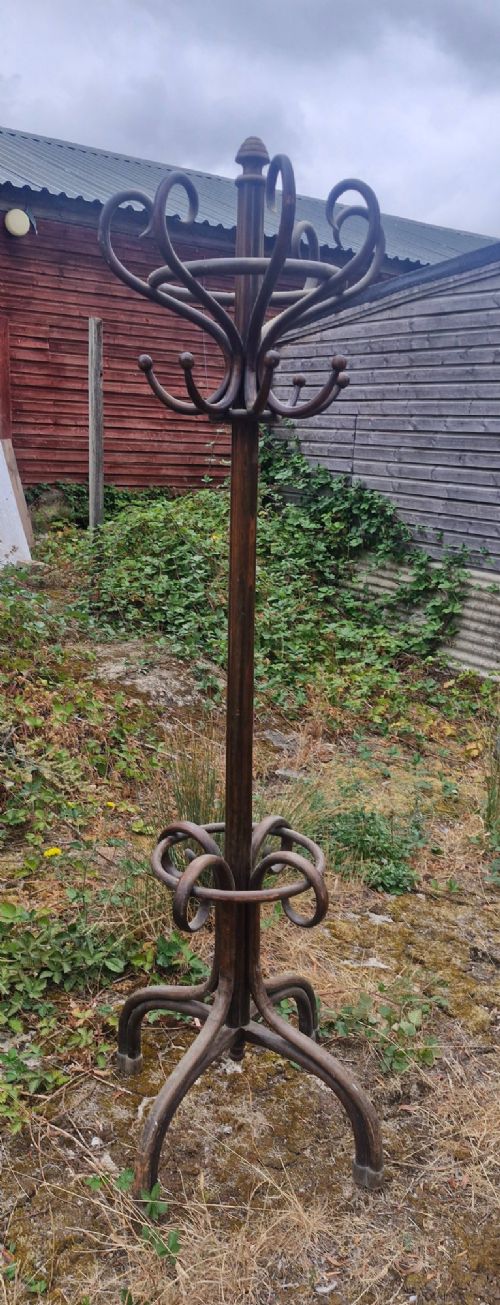
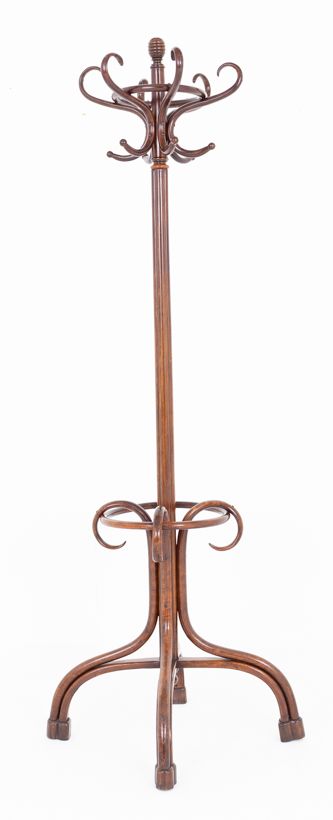
The most common versions met on this page include bentwood hat and coat stands, often associated with Thonet, alongside solid oak and mahogany hall stands. Many examples incorporate metal drip trays at the base to catch water from wet umbrellas and walking sticks. Styles vary from minimalist bentwood curves to decorative Arts and Crafts, Art Nouveau and Black Forest carved designs.
How they were made
Wood selection defines the construction, with oak, beech, mahogany and birdseye maple utilised across different periods and styles. Beech appears predominantly in bentwood pieces, where lengths of wood are subjected to steam and bent into flowing curves to form sturdy frames.
Solid hardwoods such as oak and mahogany form the structure of traditional hall stands, joined using traditional cabinet-making techniques. Additional materials include brass and metal for coat hooks, rods and umbrella drip trays, sometimes accompanied by inset glass panels or mirrors.
Listings feature oak, beech and mahogany pieces spanning the Victorian, Edwardian and Arts and Crafts periods.
What varies in quality
Construction robustness dictates the standard of a piece, distinguishing heavy solid oak or dense beech frames from lighter alternatives. The presence of original hardware, including brass hooks and intact metal drip trays, elevates the integrity of the object.
Artistic execution and detail set exceptional pieces apart, visible in carved Black Forest ornamentation, precise bentwood joinery or distinct styles like Arts and Crafts and Aesthetic Period design.
Thonet·Astrola
The Wooden Coat Stand Umbrella Rack Glossary
- Bentwood
- Wood softened by steam and bent into curved structural forms. This technique creates lightweight yet durable frames.
- Hall stand
- A combined hallway furniture piece incorporating coat hooks, hat storage, a mirror and umbrella holders. Many also feature a small bench seat or glove drawer.
- Drip tray
- A metal or brass pan placed at the base of a stand to collect water from wet umbrellas. It protects wooden flooring from moisture damage.
- Hat tree
- An upright freestanding pole with multiple branching pegs at the top for hats and coats. Some versions rotate for easy access.
Wooden Coat Stand Umbrella Rack: Frequently Asked Questions
How do I care for a wooden hall stand?
Maintain the wood finish using appropriate furniture wax and clean metal components gently. Keep the umbrella drip tray dry to prevent moisture damage.
Avoid placing the stand in direct sunlight or near heat sources to protect the wood from warping.
Where should I place a coat and umbrella stand?
Position the piece near the main entrance of a home to serve its intended daily function. Ensure sufficient clearance around the hooks and umbrella base for practical use.
Allow enough space for coats and hats to hang freely without crowding adjacent walls.
How do I date a bentwood stand?
Examine the construction methods, label traces and design characteristics to establish the era. Bentwood production expanded significantly during the late Victorian and Edwardian periods.
Manufacturers often stamped their frames or applied paper labels underneath the base or hooks.
What is the difference between a hall stand and a coat stand?
A coat stand primarily focuses on hanging garments and storing hats or umbrellas in an upright footprint. Hall stands typically form larger furniture units that include mirrors, panels and sometimes bench seating.
Smaller bentwood stands suit compact hallways, whereas larger architectural hall stands require more substantial entrance space.