



Wooden Clothing Closet
A wooden clothing closet is a substantial piece of furniture designed to house garments, offering generous storage and distinct period character.
Wooden Clothing Closet
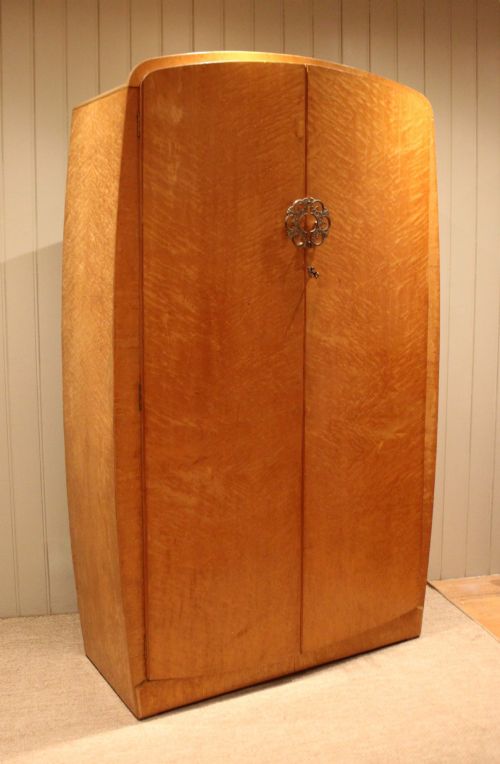
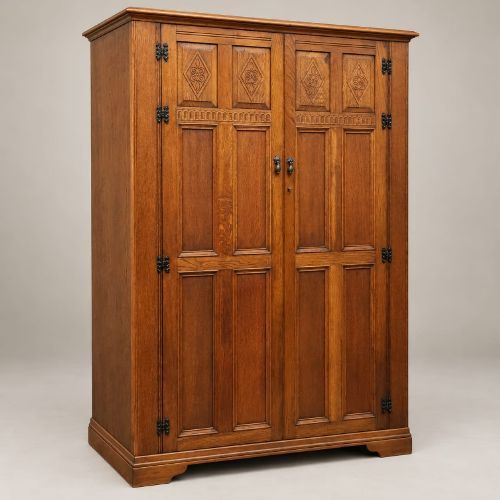
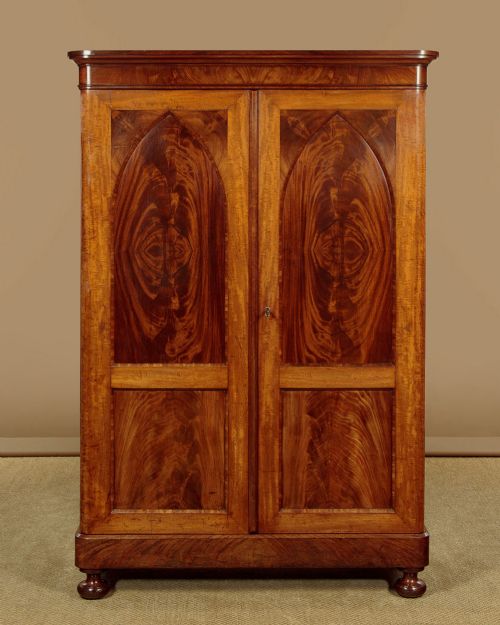
When buyers search for a wooden clothing closet, they encounter substantial storage furniture spanning from the early nineteenth century through to the Art Deco period. These pieces take the form of wardrobes and armoires, built to accommodate garments in domestic settings.
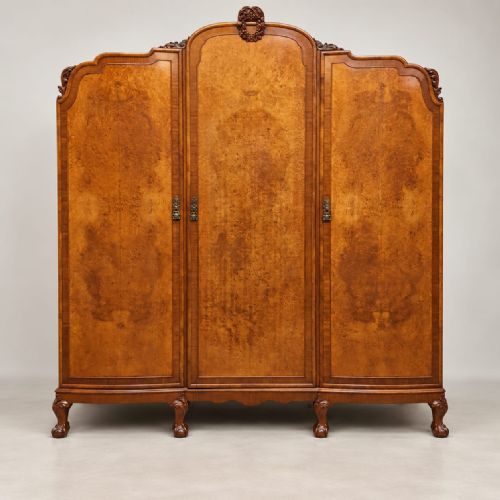
The selections on this page are most commonly represented by large triple wardrobes, compact double doors, and French armoires. Woods such as mahogany, oak, pine, and burr walnut dominate the construction across various historical eras.
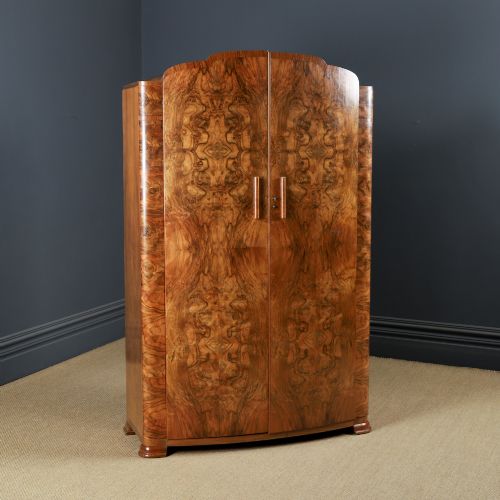
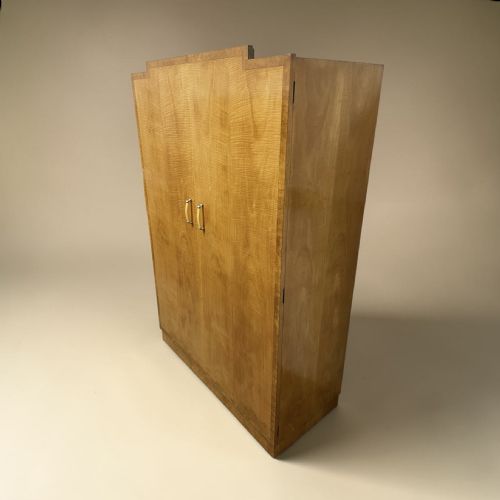
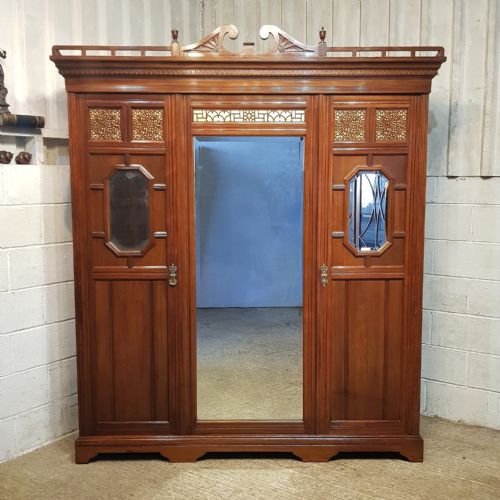
Examples range from restrained Victorian designs and Edwardian Arts and Crafts pieces to dramatic Art Deco burr walnut creations and rustic European painted finishes. Each style brings specific proportions and detailing to the bedroom or dressing space.
Construction and Materials
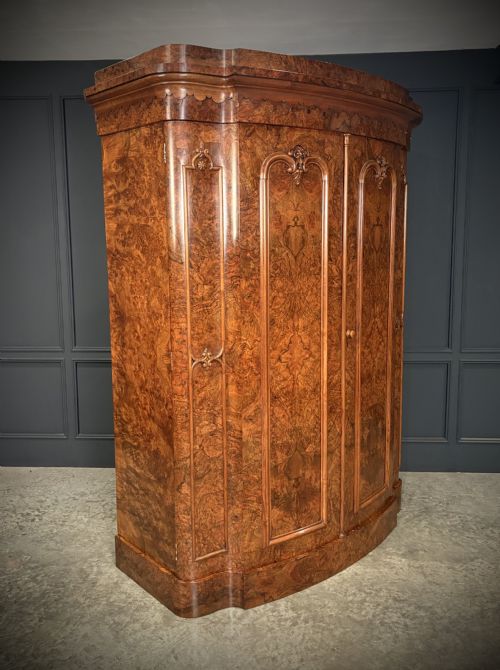
Cabinetmakers utilised timbers like solid mahogany, oak, and pine for structural integrity, often applying figured veneers such as burr walnut to prominent exterior surfaces. These woods were selected for their durability and grain patterns.
Surface ornamentation included marquetry inlay, carved details, and bow front designs, complemented by functional brass hardware and glass elements. Joints and framing were hand-finished to ensure stability across large double and triple doors.
Wooden Clothing Closet Retail Price Guide 2026
Typical asking prices for wooden clothing closet among the pieces listed under this phrase on Sellingantiques today, from the lower quarter to the upper quarter. They describe what is for sale here now, not the wider market.
Listings feature woods such as oak, mahogany, pine, and burr walnut, spanning periods from the early nineteenth century to the Art Deco era.
Assessing Quality and Execution
Quality in these wardrobes is evident in the selection of timbers, where highly figured burr walnut or rich mahogany veneers elevate the visual impact of the facade. The precision of marquetry and the crispness of carved woodwork further distinguish finer examples.
Structural refinement shows in the fitting of large doors, the integrity of internal compartments, and the quality of brass detailing or iron fixings. Pieces that retain harmonious proportions across large triple configurations represent superior cabinetmaking.
Crown Furniture
The Wooden Clothing Closet Glossary
- Wardrobe
- A tall freestanding cupboard built for storing clothes. It typically contains hanging space, shelving, or internal drawers.
- Armoire
- A traditional European cupboard or wardrobe with doors enclosing storage shelves or hanging space. French versions often feature decorative carved panels and brass detailing.
- Marquetry
- The art of applying pieces of veneer to a structure to form decorative patterns. Craftsmen use varied timber tones to create pictorial or geometric designs.
- Burr Walnut
- A specialised wood grain obtained from the warted growths on walnut trees. It yields complex, swirling patterns highly prized for cabinet fronts.
Wooden Clothing Closet: Frequently Asked Questions
What is a wooden clothing closet?
A wooden clothing closet is a large freestanding piece of furniture designed for storing garments securely. These items incorporate hanging rails, shelves, and internal drawers.
They appear in various timber finishes and architectural styles, serving as the main wardrobe storage in traditional bedrooms.
How do I date a wooden wardrobe?
Dating relies on observing the prevailing style, construction techniques, and timber choices used by cabinetmakers. Details like Art Deco curves, Victorian proportions, or Edwardian Arts and Crafts simplicity point to specific eras.
Hardware, dovetailing methods, and wood veneers also provide reliable clues to the decade of manufacture.
Are these closets suitable for modern homes?
These pieces offer substantial internal capacity that rivals modern storage units while introducing character and warmth to a room. Their freestanding nature allows placement in large bedrooms or dressing areas.
Buyers should measure ceiling heights and access routes carefully before introducing large triple wardrobes into domestic spaces.
What woods were used for these wardrobes?
Cabinetmakers employed a wide variety of timbers depending on the period and region of origin. Common structural woods include oak, pine, and mahogany, chosen for their strength.
Decorative surfaces frequently feature figured walnut, burr walnut, or exotic veneers to enhance the visual appeal of the doors.