


Wooden Clothes Closet
These wooden clothes closet pieces are substantial storage furniture designed to hold garments, offering a traditional presence and practical utility for any interior.
Wooden Clothes Closet
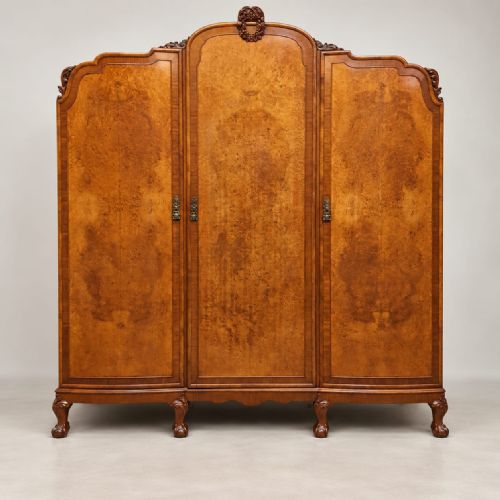
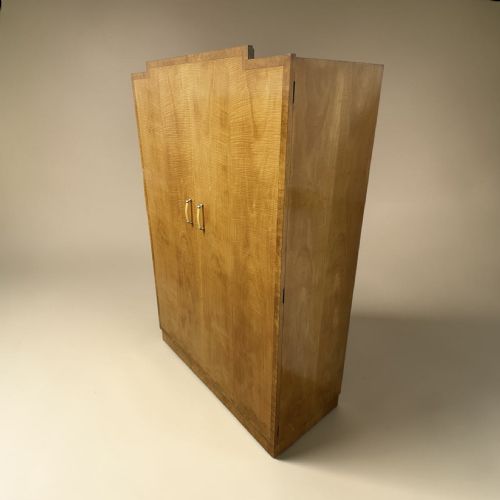
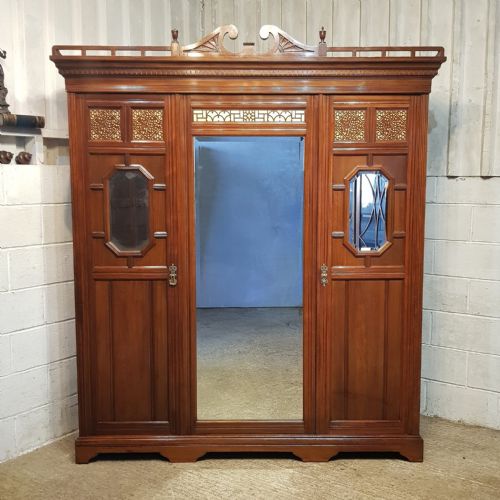
When you search for a wooden clothes closet, you encounter substantial furniture items designed for hanging and storing garments across various historical periods. The selections span compact models and large triple wardrobes, reflecting diverse historical periods from the eighteenth century to the twentieth century.
Makers and designers of these items utilised native and exotic timbers to construct practical bedroom furniture. Pieces include simple fitted interiors as well as decorative statement items featuring detailed veneers.
How they were made
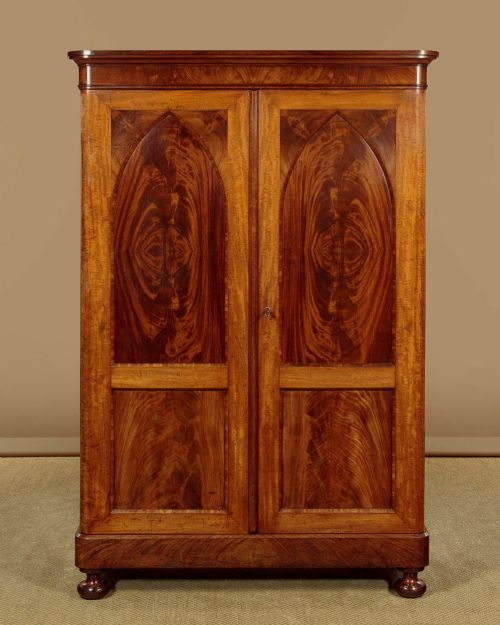
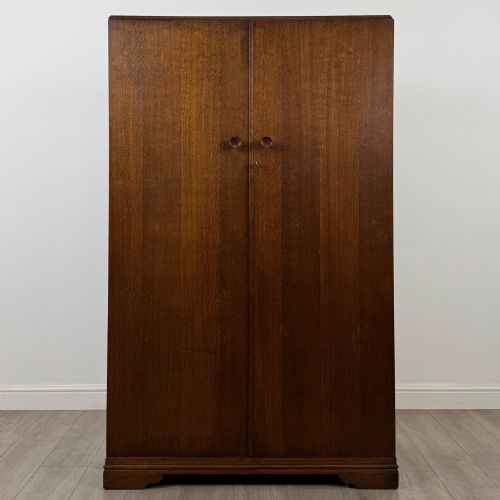
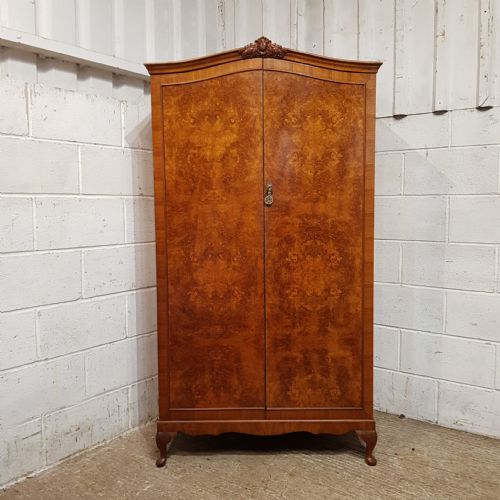
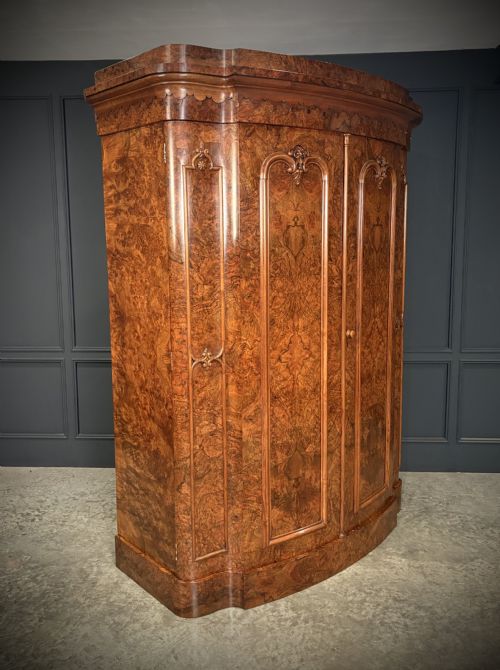
Makers constructed these storage pieces using solid hardwoods such as oak, mahogany, and walnut, often applying flame or burr walnut veneers to primary surfaces for visual depth. Construction methods combined traditional joinery techniques with panelled door construction to house garments securely.
Surface ornamentation involved carving, marquetry inlay, and painted finishes, complemented by metal or brass detailing on handles and hinges. Glass panels and internal fittings appear on selected wardrobe variants to enhance their utility.
Listings feature items spanning the eighteenth century, Victorian, Edwardian, nineteen twenties, and Art Deco periods, constructed in oak, mahogany, walnut, and ash.
What varies in quality
The grade of timber and the complexity of the veneer work largely determine the quality of a wooden clothes closet. Pieces featuring matched burr walnut or flame mahogany veneers represent a higher tier of craftsmanship than simpler painted or plain softwood lined variants.
Structural refinement shows in the execution of the mouldings, the crispness of any carved detailing, and the integration of internal fittings. The stability of the larger triple wardrobes relies on solid timber framing and accurate door alignment.
Crown Furniture
The Wooden Clothes Closet Glossary
- Wardrobe
- A tall piece of furniture used for storing clothes. This primary form houses hanging space and internal shelving.
- Armoire
- A large cupboard or wardrobe, often of continental European origin. These items feature double doors and decorative carving or painted surfaces.
- Veneer
- A thin layer of superior wood glued to a base timber. Burr walnut and flame mahogany examples utilise this technique to display striking grain patterns.
- Marquetry
- Decorative inlay work using pieces of wood veneer to form pictorial or geometric designs. Dutch examples frequently display this detailed craft.
- Fitted wardrobe
- A storage unit designed to fit a specific interior space, often incorporating internal compartments and hanging rails.
Wooden Clothes Closet: Frequently Asked Questions
What periods do these wardrobes cover?
The selection encompasses pieces ranging from the eighteenth century through the Victorian and Edwardian eras up to the Art Deco period of the nineteen thirties. This timeline shows evolving tastes in domestic storage.
Cabinet makers adapted traditional forms across these decades, shifting from heavy carved oak to veneered walnut and painted finishes.
How do I distinguish between an armoire and a wardrobe?
Armoires generally originate from continental European traditions, often displaying distinctive carved details, painted surfaces, or brass hardware. Wardrobes tend to follow British cabinet-making conventions of the period.
Both forms serve the primary purpose of clothes storage but exhibit different regional design characteristics.
What timbers were used for these clothes closets?
Construction materials include oak, mahogany, ash, and walnut, with some examples utilising decorative burr walnut or flame mahogany veneers. Metal hardware and glass elements appear on specific designs.
Makers selected these durable woods to ensure the structural integrity of large storage furniture.
Are these pieces suitable for modern bedrooms?
These large storage items provide substantial capacity for contemporary garment organisation while offering historical character. Their presence anchors a bedroom interior with traditional craftsmanship.
Consider the external dimensions and ceiling height of your room before placing a large triple wardrobe or armoire.