



Wooden Clerk Desk
A wooden clerk desk is a practical workspace built to stand through generations of daily business.
Wooden Clerk Desk
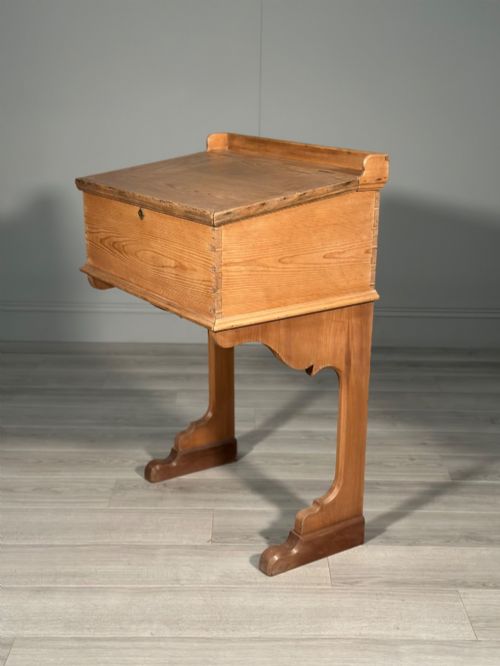
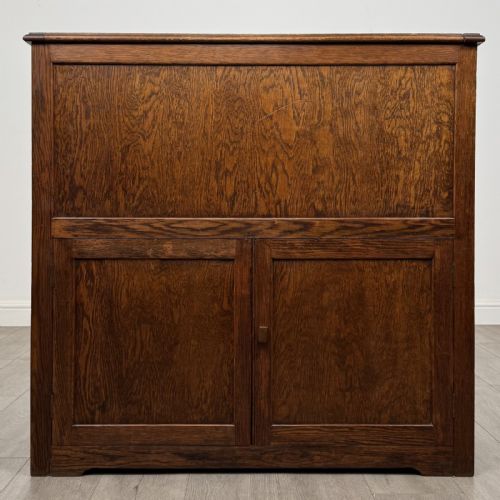
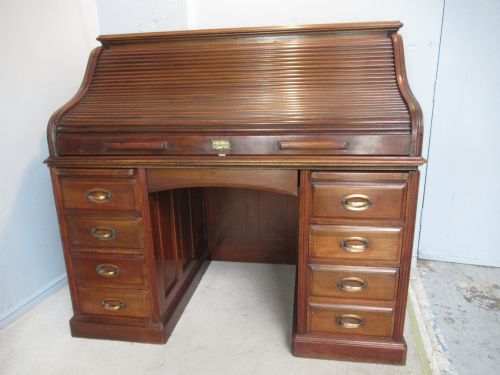
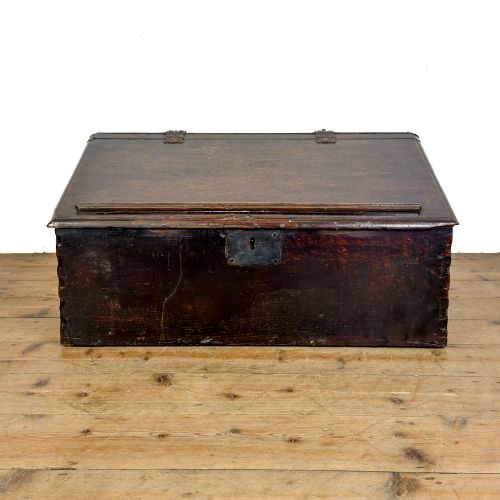
When you search for a wooden clerk desk, you encounter utilitarian writing furniture spanning from the eighteenth century to the early twentieth century. These pieces include sloping table top boxes, standing pedestals, and compact writing slopes designed for practical daily administration.
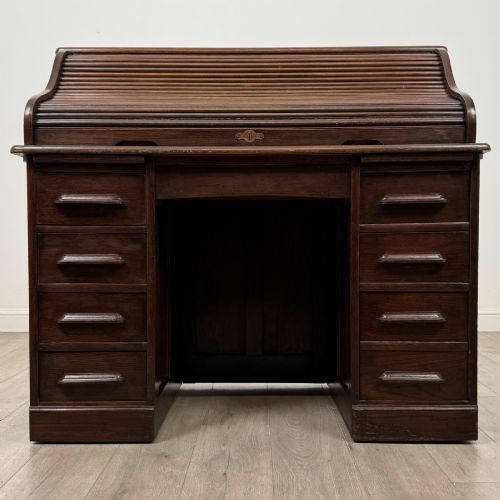
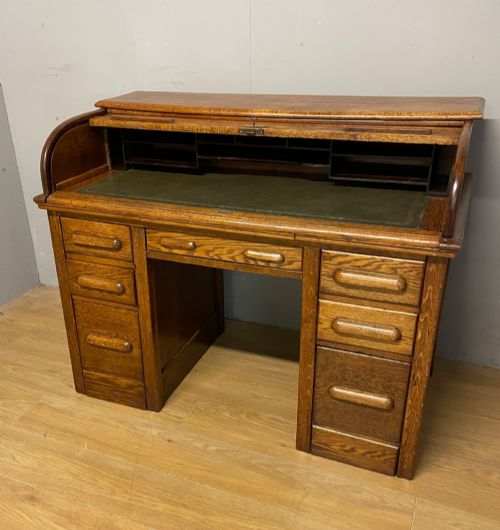
The selections available here lean heavily toward sturdy oak and mahogany examples from the Georgian and Victorian eras. You will regularly find functional variations ranging from table top bible boxes to full pedestal roll top desks with internal compartments.
Originating in offices, churches, and country estates, these functional desks reflect the straightforward needs of past clerks and administrators. Their enduring construction relies on solid timbers built to withstand decades of heavy use.
How they were made
Cabinet makers constructed these pieces using dense hardwoods like oak, mahogany, and walnut, frequently pairing them with secondary pine carcasses. Joints were typically pinned or dovetailed to ensure the framework remained rigid under heavy downward pressure.
Iron and brass hardware, such as hinges, handles, and gallery rails, reinforced high-stress areas while leather inserts provided a durable writing surface. Tambour slats and panelled doors required precise carpentry to operate smoothly within their wooden tracks.
Wooden Clerk Desk Retail Price Guide 2026
Typical asking prices for wooden clerk desk among the pieces listed under this phrase on Sellingantiques today, from the lower quarter to the upper quarter. They describe what is for sale here now, not the wider market.
Object forms span from tabletop bible boxes and tavern desks to full pedestal roll top configurations.
What varies in quality
The distinction between standard utility pieces and finer examples lies in the selection of timber and the complexity of the interior fittings. Superior items feature finely figured grain, secondary internal drawers, and carved decorative friezes.
Construction methods also separate utilitarian workshop pieces from sophisticated estate furniture, visible in the tightness of dovetail joints and the finish of panelled surfaces. Original brass fixtures and intact leather writing inserts indicate a higher grade of preservation.
The Wooden Clerk Desk Glossary
- Bible Box
- A small tabletop wooden container with a sloping lid, historically used to hold large books or writing materials. These portable boxes often sat upon larger tables before standalone desks became common.
- Tambour Top
- A flexible screen made of narrow wooden slats glued to canvas, allowing a desk lid to slide open along a curved track. This mechanism concealed the pigeonholes and drawers of roll top desks.
- Gallery Back
- A low decorative railing attached to the rear edge of a desk top to prevent papers and inkwells from sliding off. They frequently incorporate small compartments or stationery slots.
- Davenport
- A compact pedestal writing desk featuring a sloping lid that lifts to reveal a small interior compartment. The side typically houses a set of functional drawers.
- Tally Desk
- A high standing desk designed for clerks to work while positioned on a stool. These pieces prioritised an elevated writing surface over extensive seated storage.
Wooden Clerk Desk: Frequently Asked Questions
What is a wooden clerk desk?
A wooden clerk desk is a traditional piece of administrative furniture designed for writing, typically featuring a sloping top surface and internal compartments for ledgers.
These pieces were utilised in offices, churches, and estate houses where standing or seated clerks managed daily accounts and correspondence.
How were these desks used?
Clerks and administrators used these surfaces for handwriting records, ledger entries, and sorting correspondence before the widespread adoption of typewriters.
The sloping lid provided an ergonomic angle for writing by hand, while internal drawers and pigeonholes kept inkwells and loose documents organised.
How do I date an antique desk?
Dating relies on observing construction techniques, timber choices, and hardware styles across different historical periods. Hand-cut dovetails, specific wood species like early oak or later mahogany, and fastener types offer clear chronological indicators.
Stylistic details such as carved friezes or gallery backs further align a piece with Georgian, Victorian, or Edwardian manufacturing standards.
How do I care for a wooden desk?
Maintain the timber by keeping the desk away from direct heat sources and fluctuating humidity that can cause wood to warp or split. Regular application of suitable wax polish preserves the finish and protects the dry grain of older hardwoods.
Avoid harsh chemical cleaners on leather inserts and metal hardware to maintain the original patina.