

Wooden Cane Chairs
Wooden cane chairs combine woven natural seating with timber frames across periods from the Regency to the twentieth century.
Wooden Cane Chairs
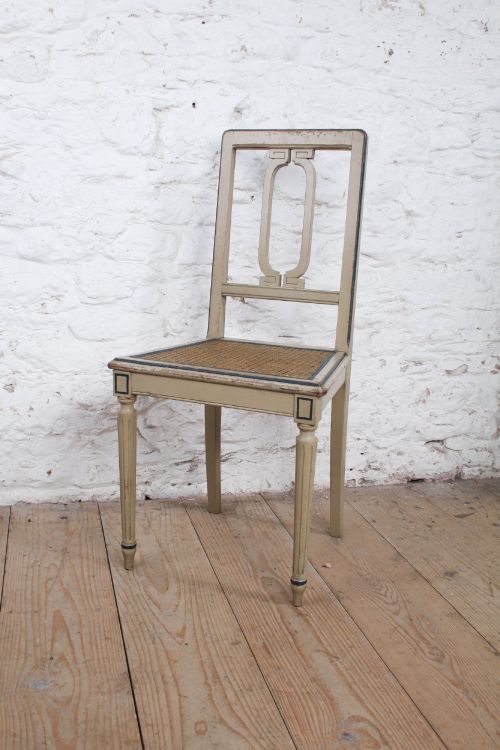
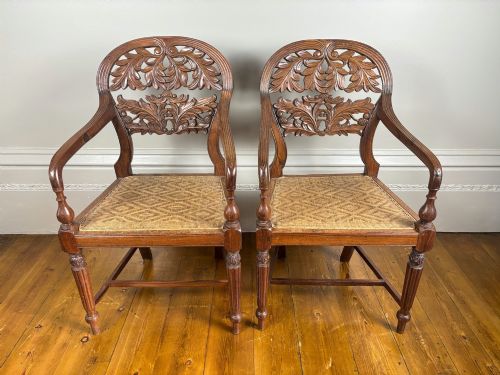
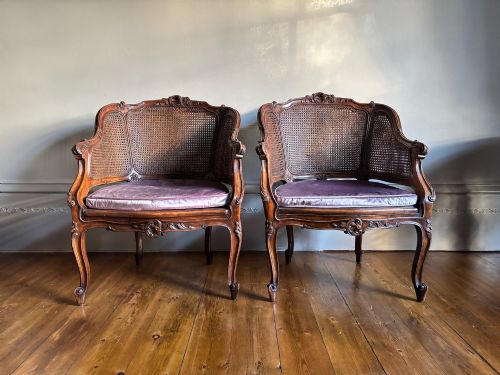
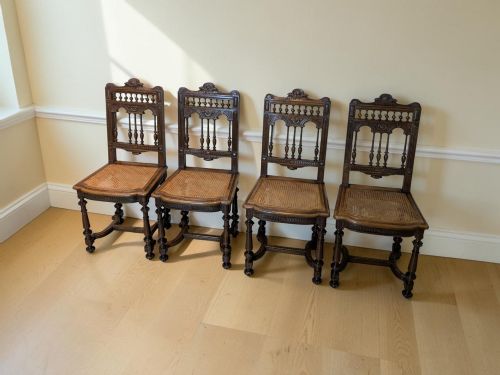
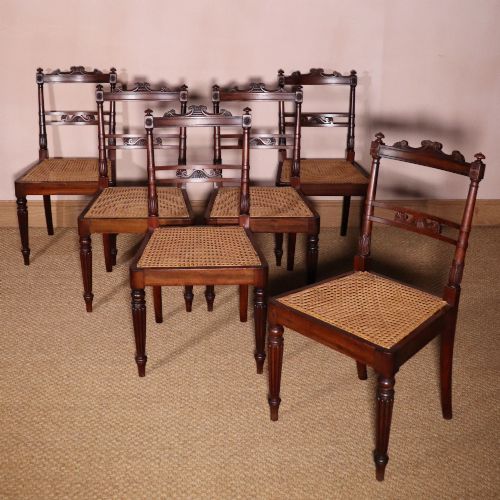
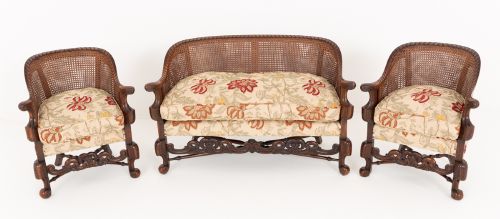
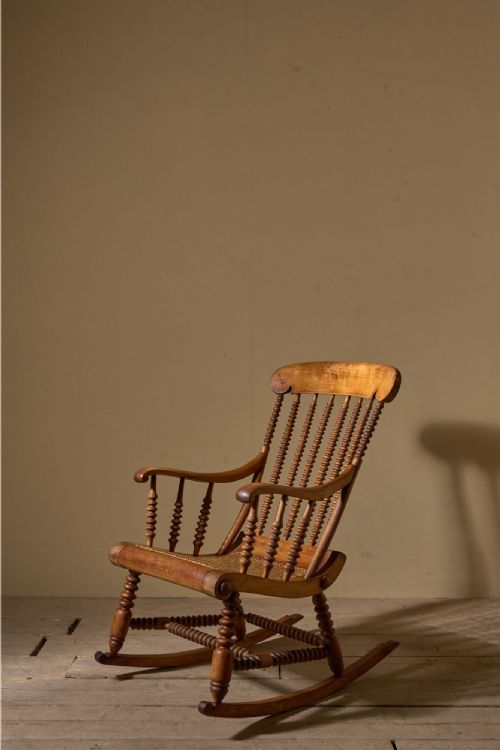
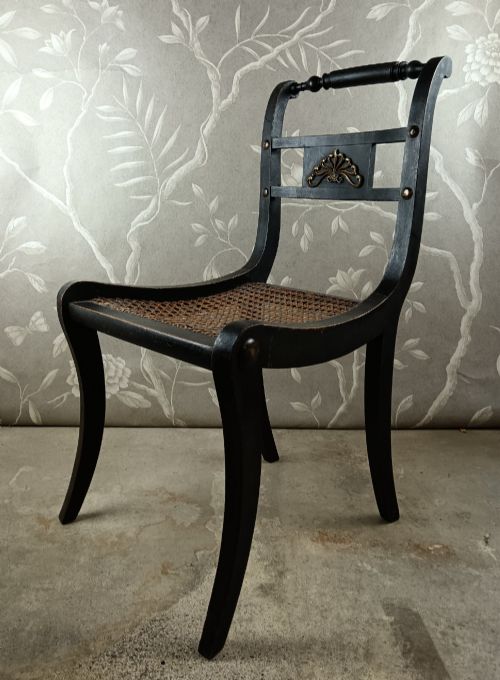
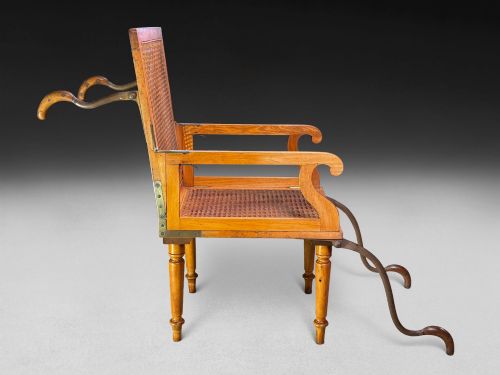
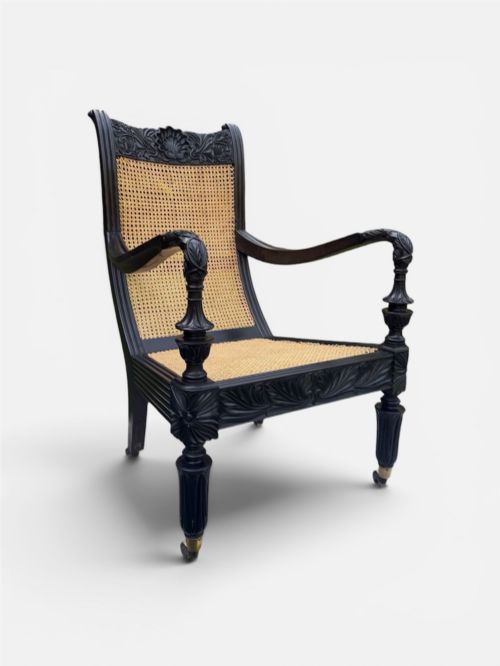
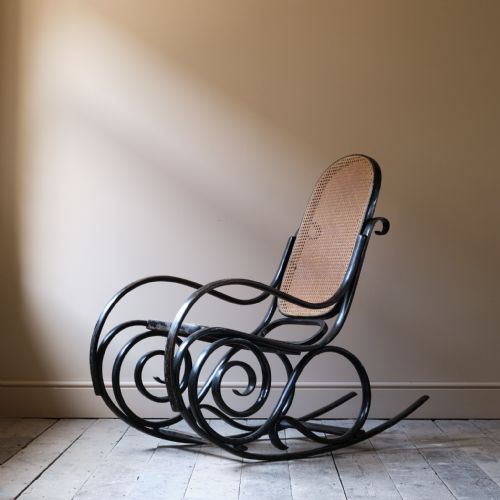
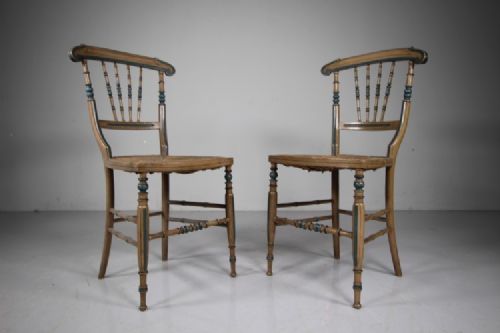
Wooden cane chairs encompass everything from formal Regency dining sets and library armchairs to Victorian rocking chairs and occasional seating. Buyers seeking wooden cane chairs encounter diverse forms including side chairs, armchairs, high chairs, and matching settees spanning the eighteenth to the twentieth centuries. The selection ranges from British Regency ebonised models to continental Louis XV style bergères and Anglo-Indian colonial pieces.
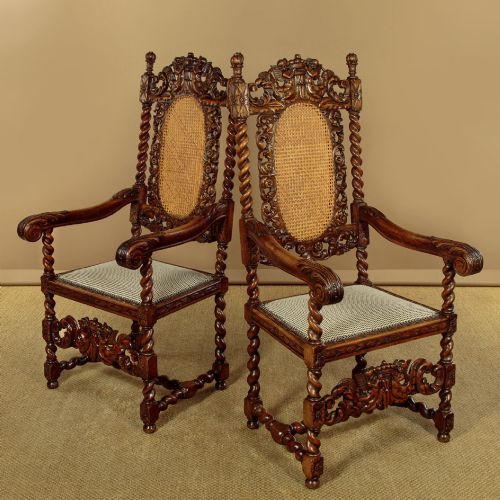
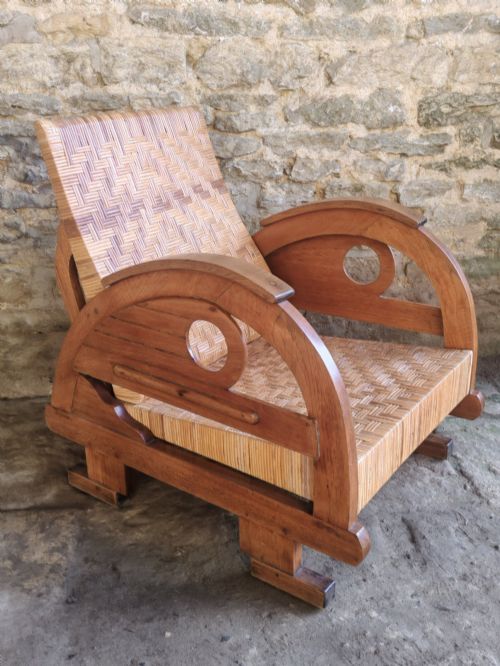
The material combinations on this page reflect both domestic and global influences, joining traditional timbers with woven rattan seats and backs. Pieces emerge from distinct revival movements such as Carolean and Renaissance styles alongside Arts and Crafts and Art Deco interpretations. Regional craftsmanship appears in items originating from France, Italy, and Ceylonese workshops.
Materials and construction
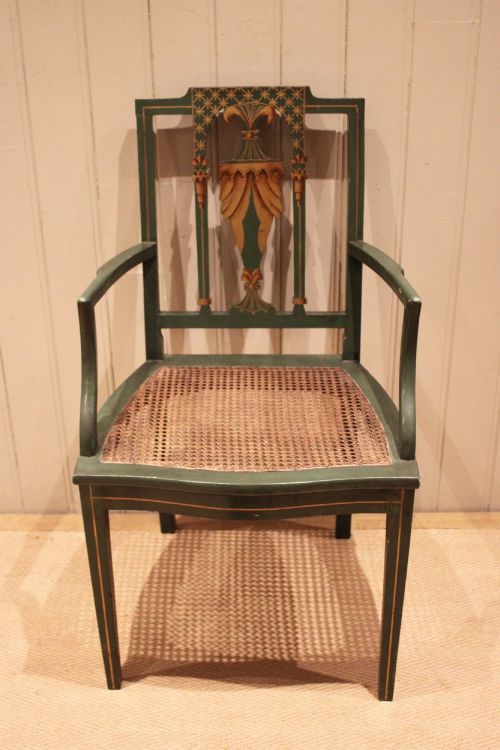
Frames rely on hardwoods including mahogany, walnut, oak, satinwood, and ebony, shaped through turning, carving, and steam bending. Carpenters frequently painted, ebonised, or gilded these timbers to suit changing interior fashions.
Cane work utilises split rattan threaded through holes drilled in the wooden frame or slotted into channels. Skilled hands weave this material into porous, resilient panels that support the sitter while providing ventilation.
Wooden Cane Chairs Retail Price Guide 2026
Typical asking prices for wooden cane chairs among the pieces listed under this phrase on Sellingantiques today, from the lower quarter to the upper quarter. They describe what is for sale here now, not the wider market.
Musicians once required specialised seating with low backs to accommodate their instruments.
Evaluating craftsmanship
The distinction between ordinary and exceptional examples rests in the precision of the timber carving and the tightness of the cane weave. Master craftsmen employed dense hardwoods and detailed joinery that ensure structural integrity over centuries.
Surface treatment further separates the tiers of production, with hand-painted decoration, gilding, and simulated wood finishes marking out ambitious workshops from standard commercial output.
The Wooden Cane Chairs Glossary
- Bergère
- An enclosed upholstered or caned armchair featuring wooden armrests and a tight cane back and seat. Originating in France, this form provides deep lounging comfort.
- Sabre leg
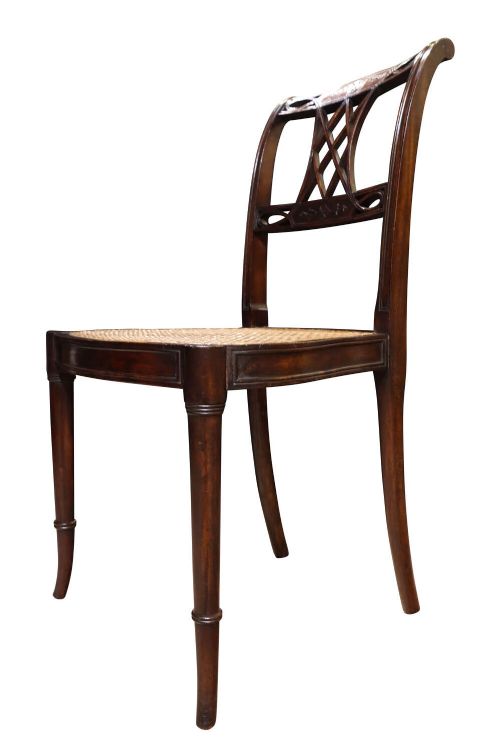
- A concave, outwardly curving furniture leg tapering toward the foot, typical of Regency design. This configuration adds dynamic visual movement to chairs.
- Gonçalo Alves
- A dense exotic hardwood with striking striped figure patterns utilised in high-status Regency furniture. It provides remarkable durability and a distinctive dark grain.
- Caning
- The craft of weaving rattan peel into open or closed mesh patterns for chair seats and backs. This technique creates a lightweight yet supportive membrane.
- Bobbin turned
- Furniture legs or stretchers shaped on a lathe to resemble a series of wooden reels or bobbins. This decorative turning method defines seventeenth-century revival pieces.
Wooden Cane Chairs: Frequently Asked Questions
How do I care for antique cane?
Keep cane work hydrated by occasionally wiping it with a damp cloth and avoiding direct heat sources.
Natural rattan dries out in centrally heated rooms, so maintaining moderate humidity helps prevent brittleness.
Can broken cane be repaired?
Skilled artisans can re-weave damaged panels using traditional hand-caning techniques and matching materials.
Professional restoration preserves the structural authenticity and visual harmony of older seating.
Are these chairs suitable for daily use?
Most sturdy frames handle everyday sitting, though fragile antique surfaces require sensible consideration.
Heavier individuals should avoid delicate side chairs or small Victorian parlour seating.
How do I identify a Regency chair?
Look for classical architectural lines, sabre legs, ebonised finishes, and decorative brass inlay.
These characteristic elements reflect early nineteenth-century neoclassical design influences.