

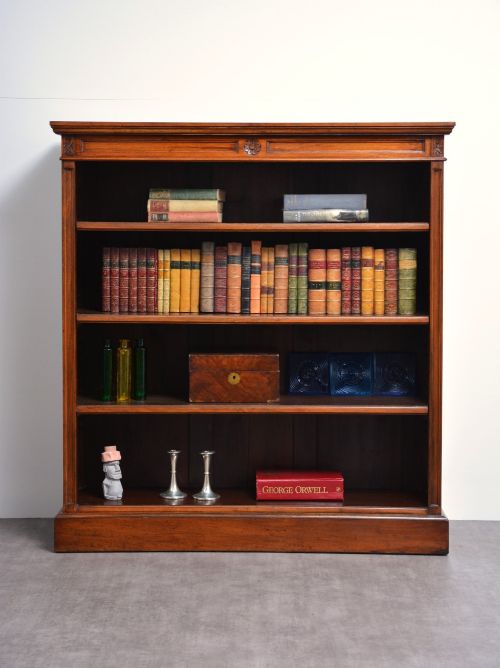
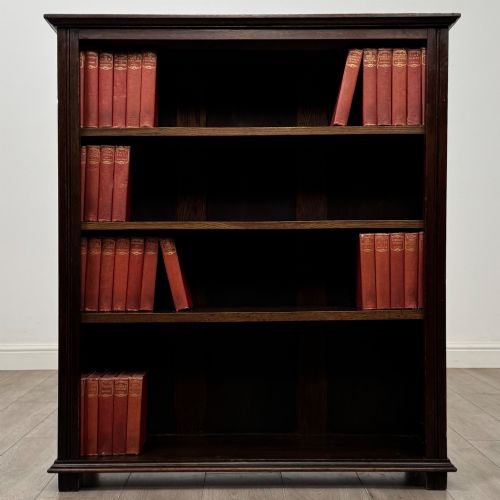
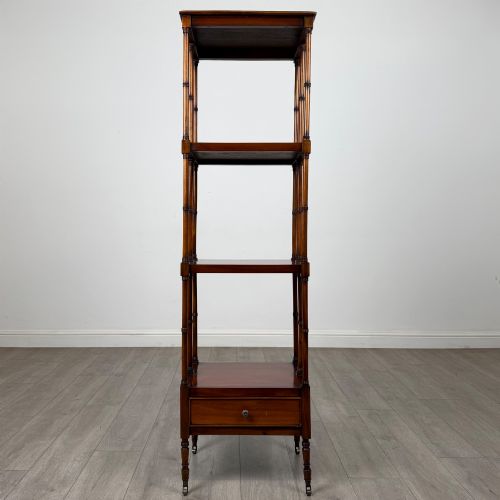
Wooden Bookcase Open Shelves
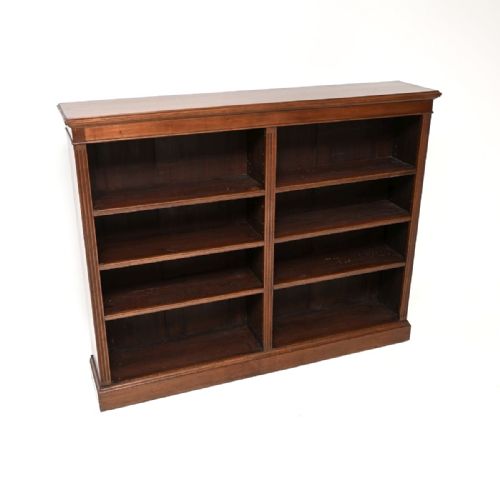
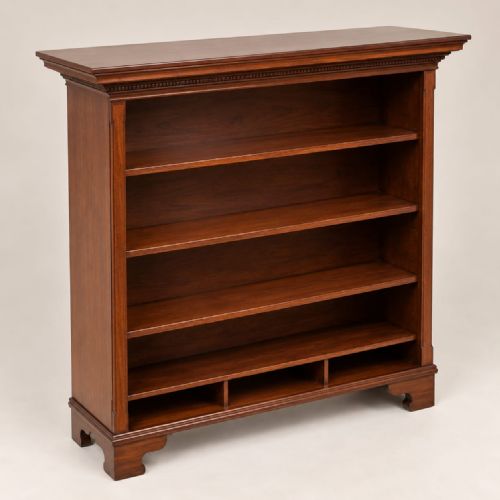
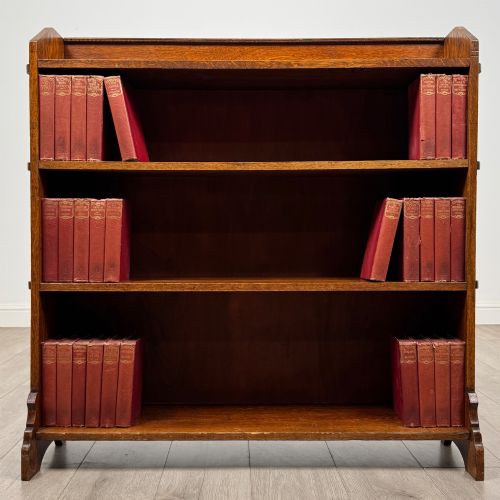
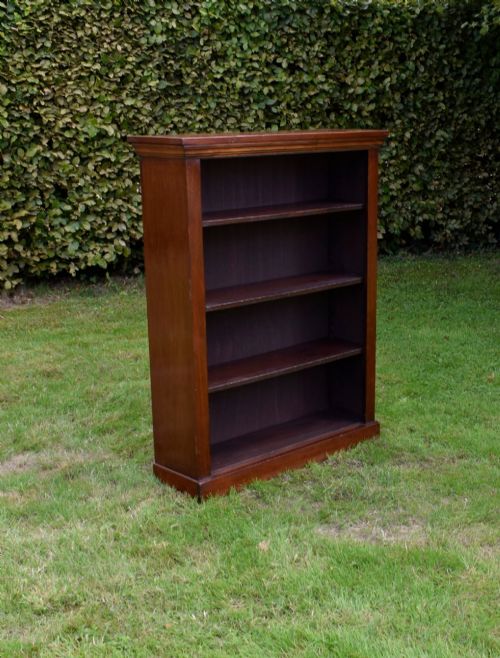
These wooden bookcase open shelves offer practical storage and display across periods from the Georgian era to the twentieth century.
Wooden Bookcase Open Shelves
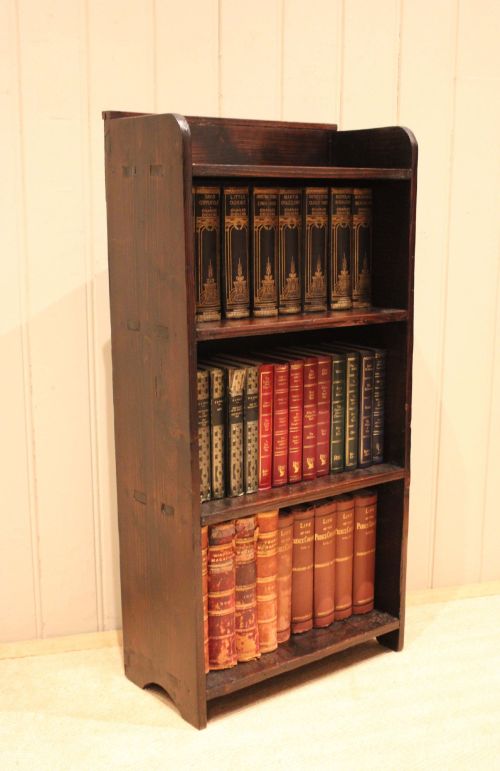
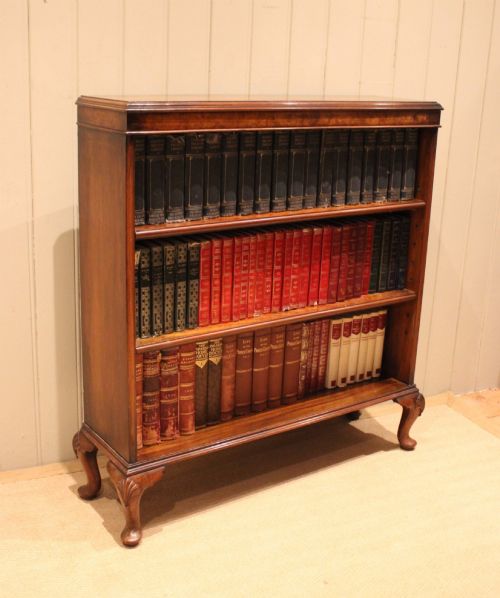
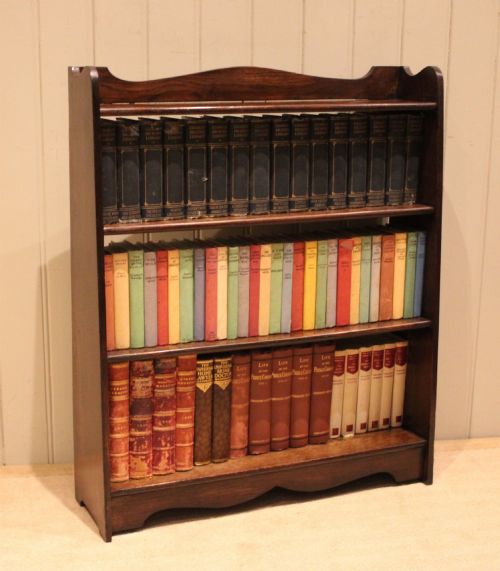
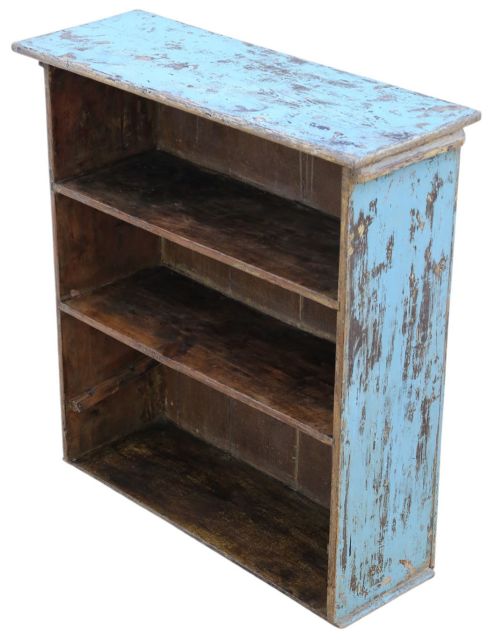
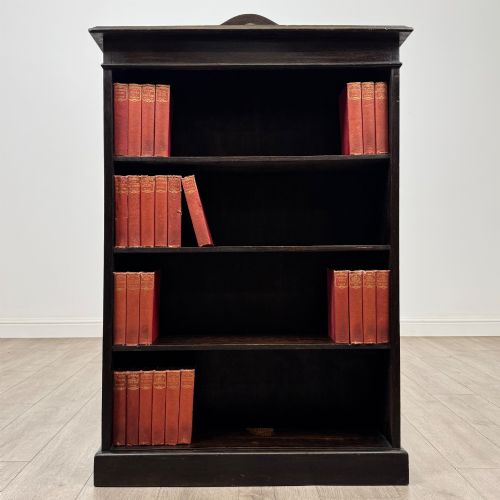
When you search for wooden bookcase open shelves, you are looking at items designed to hold libraries and display collections without doors. These pieces appear across various eras, including the Georgian, Victorian, Edwardian, and Art Deco periods, ranging from small rustic pine units to large oak library bookcases.
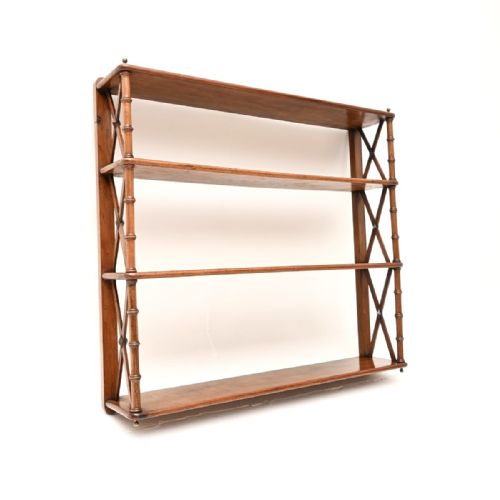
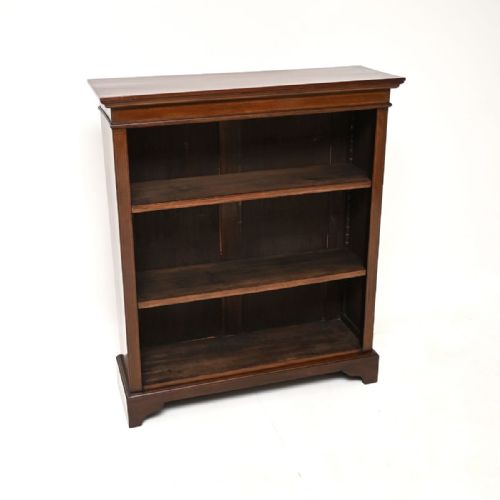
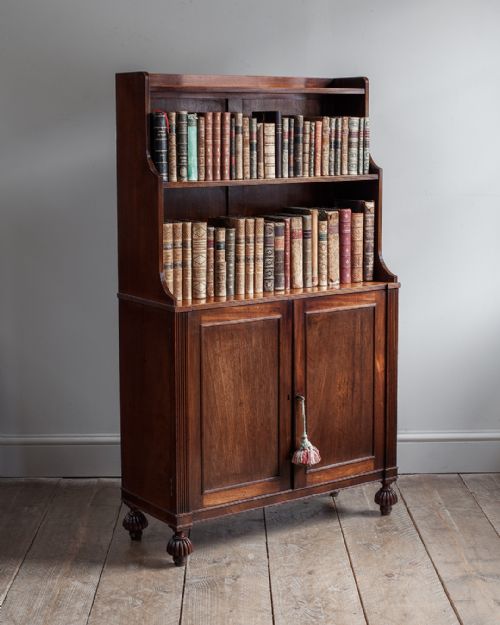
The most common examples on this page date from the Edwardian period and the nineteenth century, often constructed in oak or mahogany. You will encounter formats such as wall mounting shelves, waterfall bookcases on brass castors, and low freestanding units with adjustable shelving.
Makers and designers of these utilitarian items utilised robust timbers to support heavy volumes in domestic and institutional settings. Styles vary from plain rustic country pieces and Arts and Crafts designs to inlaid mahogany cabinets and walnut ormolu mountings.
Quality and Craftsmanship
The distinction between standard domestic items and superior examples lies in the selection of timber and the finesse of the joinery. Finer pieces employ figured woods like burr walnut and flame mahogany, sometimes enhanced by brass mounts or intricate inlay work.
Construction methods also dictate grade, with better workshops providing adjustable shelving mechanisms and sturdy backboards rather than simple fixed partitions. The proportion and balance of the piece, whether a slender waterfall design or a large library unit, determine its architectural success.
The listings span from the Georgian period through Victorian, Edwardian, and Art Deco eras, constructed primarily in oak, mahogany, and walnut.
Johnstone and Jeanes·Heals
The Wooden Bookcase Open Shelves Glossary
- Waterfall bookcase
- A graduated set of open shelves where each tier steps back from the one below, creating a tiered profile. These pieces often feature curved sides and sit on brass castors.
- Ormolu
- Gilded bronze ornamentation applied to furniture, frequently seen in combination with walnut during the nineteenth century. This decorative metalwork adds architectural definition to the timber frame.
- Burr walnut
- Timber taken from a tree growth or burl, prized for its swirling grain patterns. Cabinet makers used veneers of this material on prominent surfaces of fine bookcases.
- Arts and Crafts
- A design movement of the late nineteenth and early twentieth centuries emphasising honest construction and visible craftsmanship. Bookcases from this tradition prioritize plain oak and structural simplicity.
Wooden Bookcase Open Shelves: Frequently Asked Questions
What rooms suit open bookcases?
These units fit comfortably in studies, living rooms, and hallways where quick access to books or display items is useful. Their open construction keeps spaces feeling light while providing generous surface area.
Smaller wall mounting shelves work well in compact rooms, whereas larger library bookcases anchor spacious interiors. The variety of timbers allows them to integrate easily with different interior schemes.
How do I adjust the shelves?
Many nineteenth and twentieth century pieces feature internal wooden slots or metal pins that let you alter shelf heights. This adaptability accommodates books of varying sizes.
When adjusting shelves, support the board fully and reposition the supports evenly to maintain structural stability across the unit.
Are these bookcases sturdy?
Solid timbers like oak and mahogany provide inherent strength for supporting heavy rows of books. Most freestanding pieces are built to bear substantial weight.
Heavier library units remain stable under a full load, while smaller wall mounting formats require secure attachment to wall studs for safety.
How do I date an open bookcase?
Stylistic clues such as Edwardian inlay, Victorian carved oak details, or Art Deco ash construction help determine the period. Timber selection and joinery techniques also point toward specific manufacturing decades.
Examining the backboards, fixings, and secondary woods provides further evidence of the era in which the piece was made.