



Wooden Bar Chairs
Wooden bar chairs bring sturdy utility and traditional presence to high seating, spanning sturdy 19th-century bar stools and bar back designs.
Wooden Bar Chairs
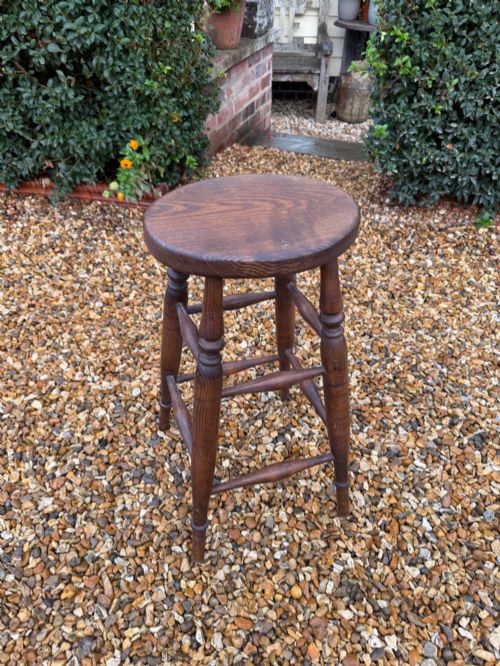
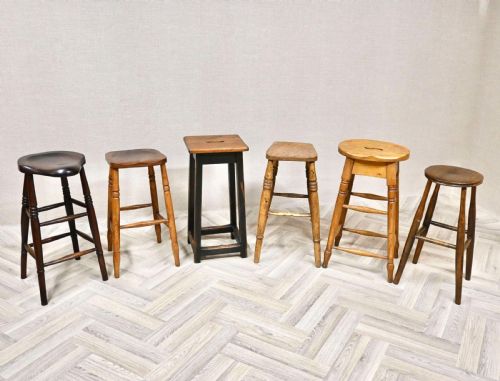
Wooden bar chairs encompass tall bar stools, bar back dining chairs, and clerk's stools that elevate seating for counters and high tables. These pieces emerge predominantly from the 19th century, drawing on Georgian, Regency, and Victorian vernacular furniture traditions.
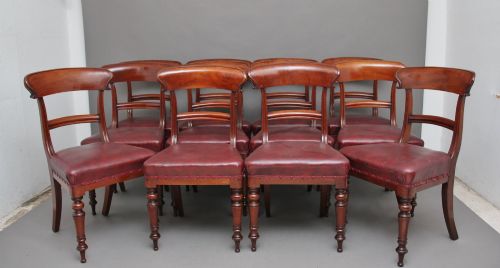
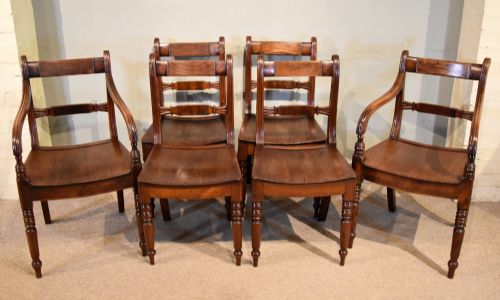
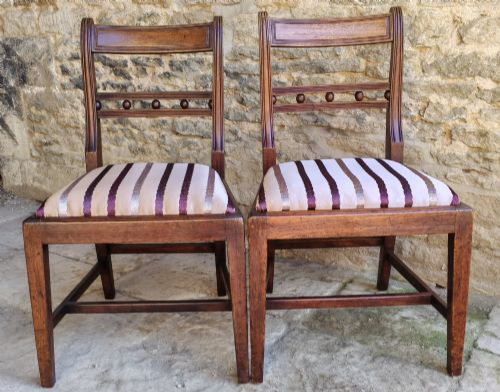
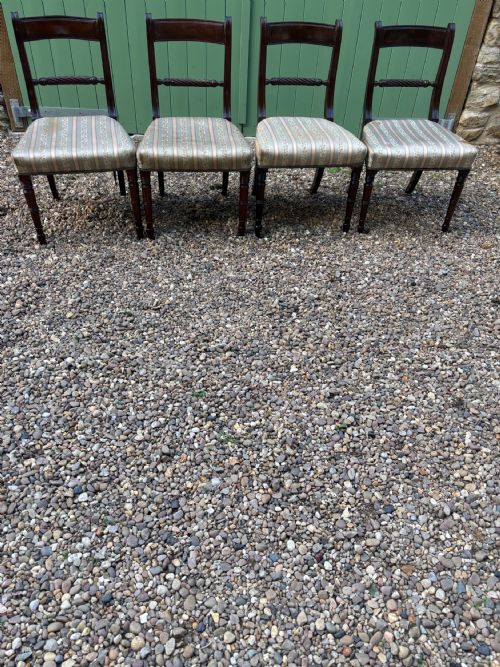
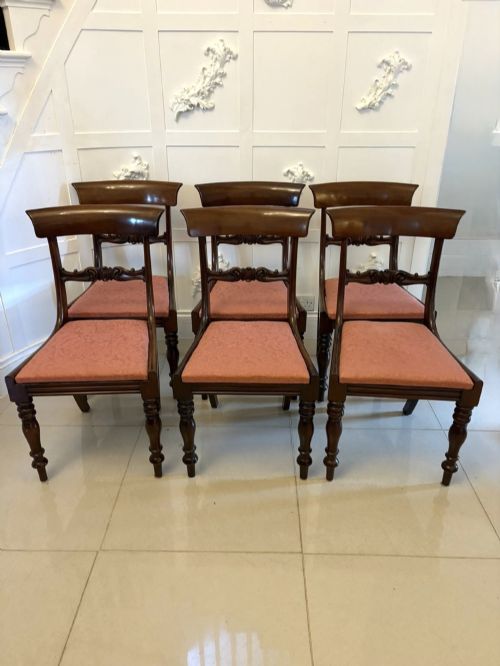
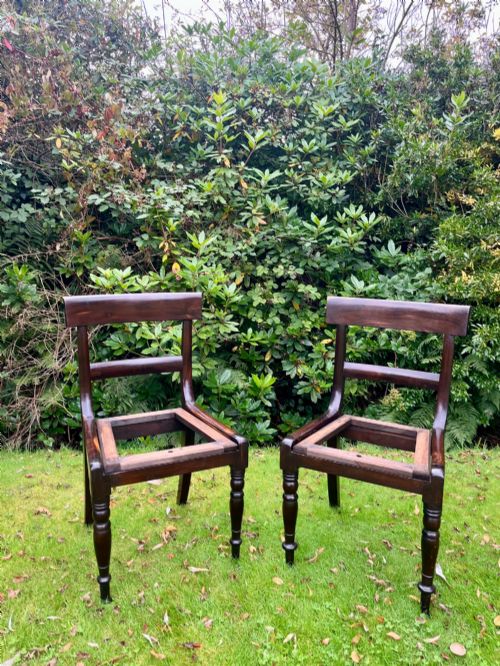
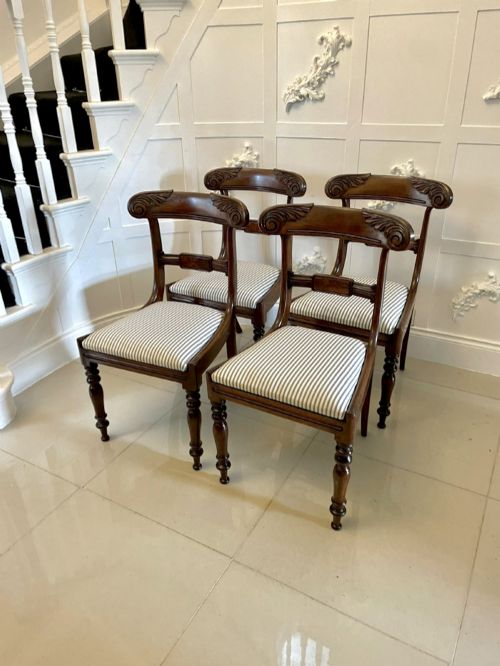
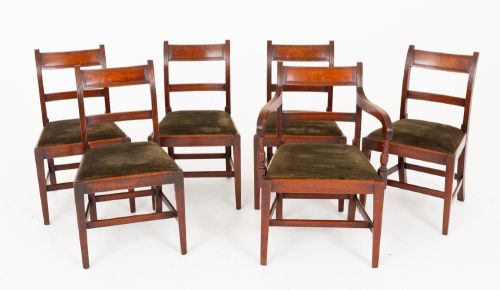
The selections on this page lean heavily toward formal mahogany dining chairs featuring bar backs alongside utilitarian beech, elm, and oak seating. Buyers also encounter adjustable height bar stools and walnut examples with leather upholstery.
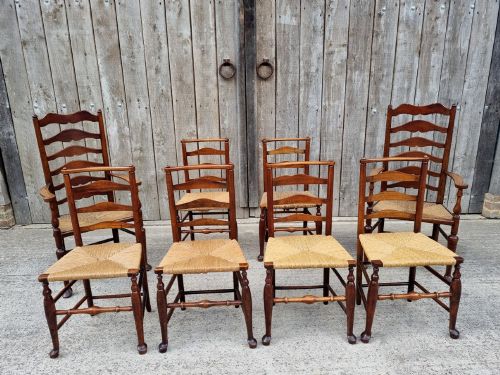
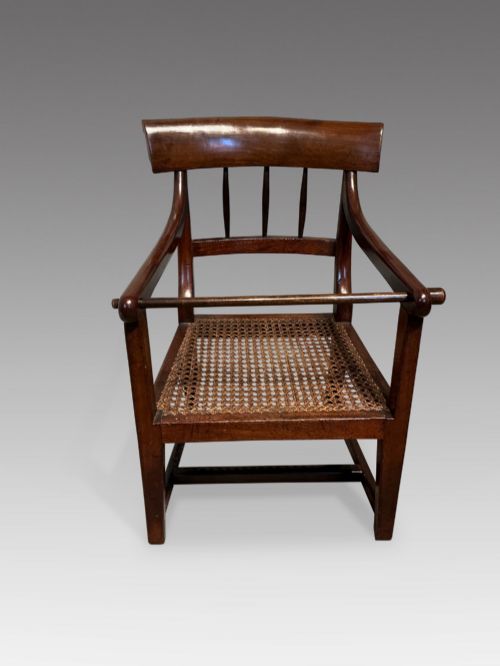
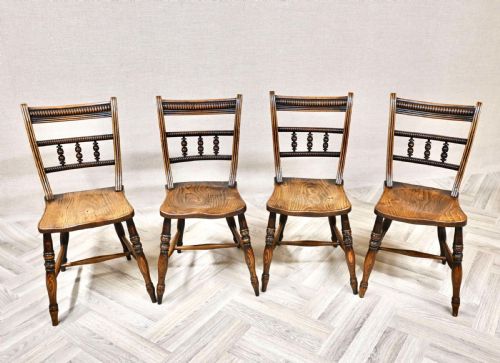
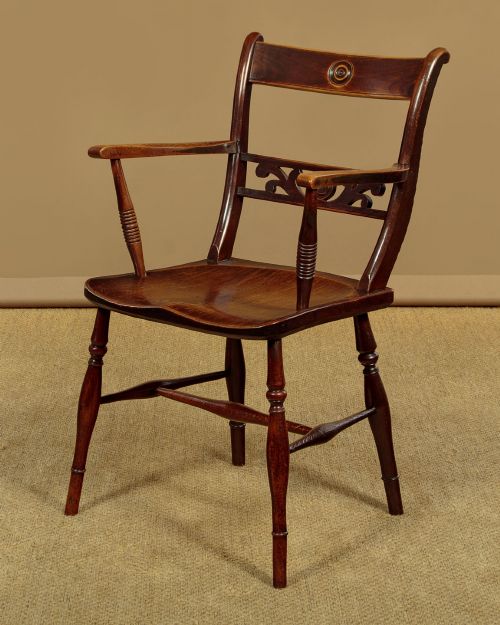
Forms range from simple turned leg stools to Windsor armchairs and matching sets intended for domestic or commercial spaces. Each piece reflects the functional demands of high-level seating from the 1800s onward.
Materials and construction
Cabinetmakers and joiners relied primarily on dense hardwoods like mahogany, walnut, and oak to build durable frames capable of withstanding constant daily use. Beech and elm frequently reinforced structural elements, particularly in Windsor and kitchen chairs where turned spindles and curved crest rails required resilient, flexible timber.
Joinery techniques combined traditional mortise and tenon construction with steam-bent components and wood turnings. Decorative details such as wood inlay, brass accents, and carved bar backs added refinement to otherwise utilitarian seating forms.
Wooden Bar Chairs Retail Price Guide 2026
Typical asking prices for wooden bar chairs among the pieces listed under this phrase on Sellingantiques today, from the lower quarter to the upper quarter. They describe what is for sale here now, not the wider market.
Object types include tall bar stools, Windsor armchairs, clerk's stools, and matching sets of dining chairs.
Assessing craftsmanship and integrity
Quality rests in the selection of timber grain, the tightness of structural joints, and the crispness of turned or carved details. Superior examples utilise uncompromised hardwoods with well-preserved patination rather than replacement components or heavy structural repairs.
The sophistication of the design dictates much of the distinction, separating standard kitchen utility seating from refined Regency or Georgian parlour pieces. Original surface finishes and cohesive matching sets hold greater distinction than assembled or matched groups.
The Wooden Bar Chairs Glossary
- Bar back
- A chair design featuring a horizontal top rail reminiscent of a small ladder or bar supporting the back. This form appears frequently in 19th-century dining and Windsor chairs.
- Windsor chair
- A wooden chair constructed with a solid saddle-shaped seat into which the legs and back spindles are bored directly. These pieces utilise various timbers such as elm and beech.
- Sabre leg
- A concave, outwardly curved chair leg shaped like a cavalry sabre, common in Regency seating. It offers both stability and a lighter visual profile.
- Carver chair
- An armchair designed to match a set of dining or side chairs, traditionally positioned at the head of a table. These pieces often feature supportive armrests.
- Turned leg
- A leg shaped on a lathe to create decorative rings, cylinders, or vase profiles. This technique was standard across 19th-century seating frames.
Wooden Bar Chairs: Frequently Asked Questions
How do I date a wooden stool?
Dating relies on examining tool marks, timber species, and construction methods such as hand-turned spindles versus machine-tooled components. 19th-century examples often display subtle irregularities from lathe work.
Upholstery nails, joinery styles, and general wear patterns further assist in establishing the decade of origin.
Are these chairs suitable for daily use?
Solid hardwood construction ensures these chairs remain structurally sound for everyday seating around modern kitchen islands or breakfast bars. Regular checks of the joints keep them stable.
Applying appropriate wax preserves the timber surface against everyday friction and environmental changes.
What is the difference between a bar stool and a dining chair?
Bar stools stand significantly taller to accommodate elevated counters, sometimes featuring adjustable height mechanisms or footrests for stability. Dining chairs sit lower for standard table heights.
Stools prioritise compact vertical footprints, whereas dining chairs often include broader seats and backrests.