


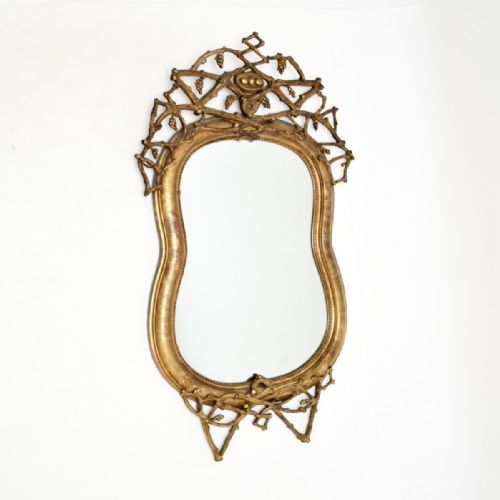
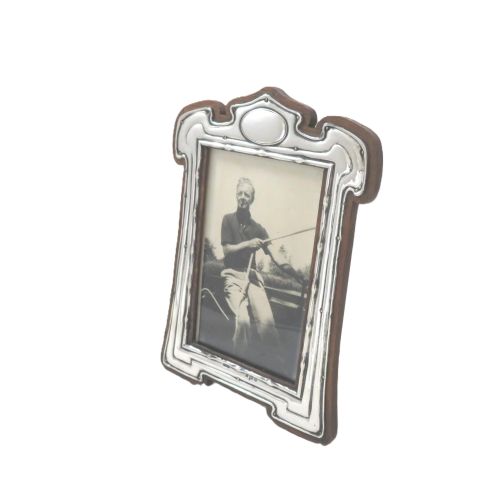
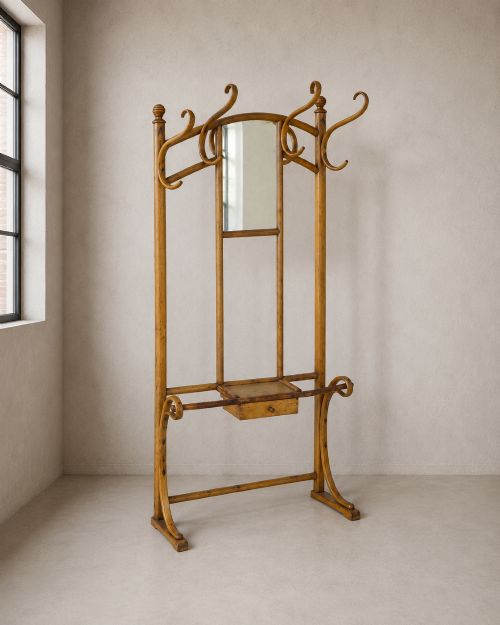
Wooden Art Nouveau Antiques
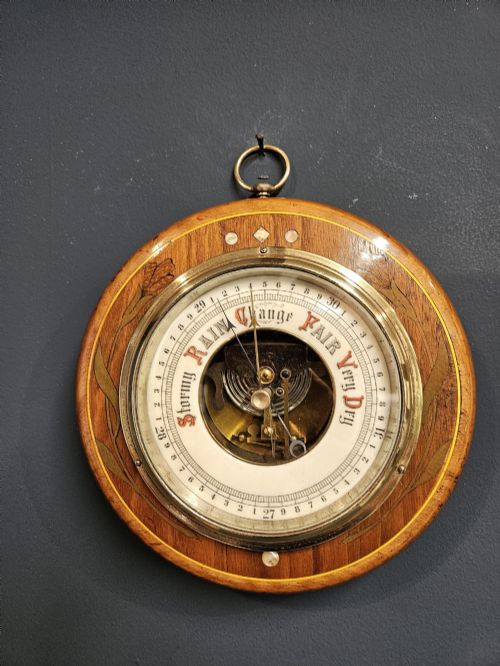
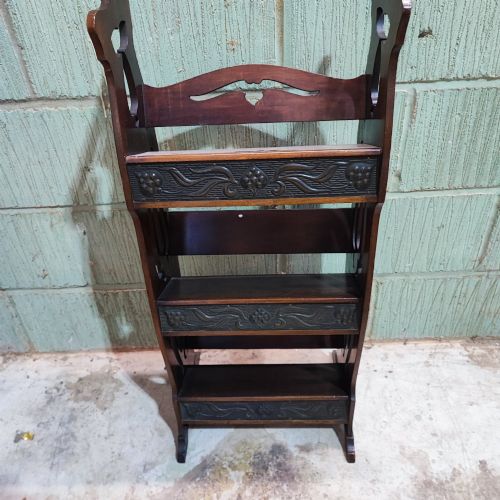
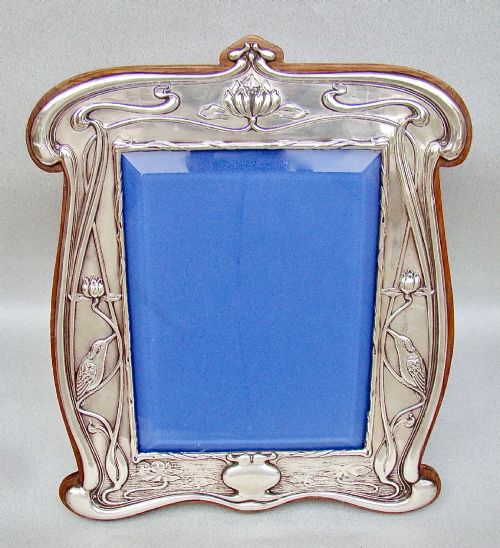
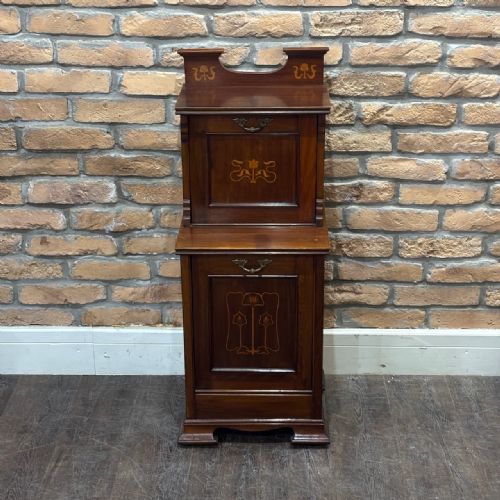
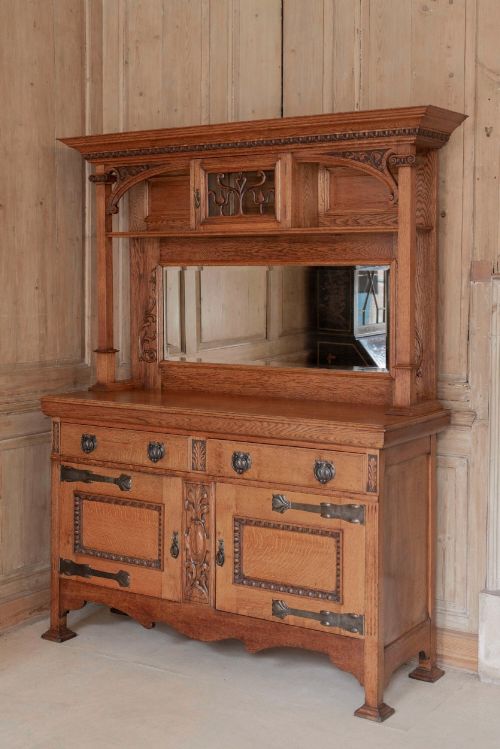
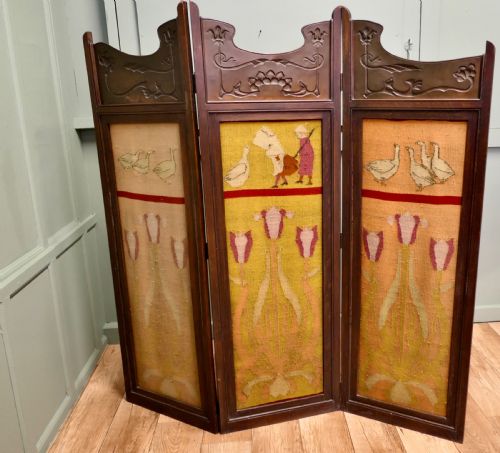
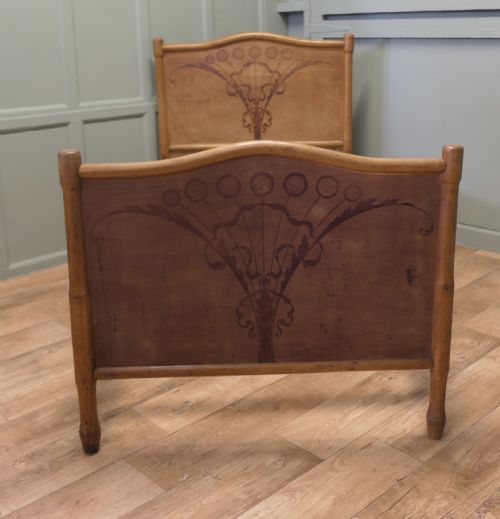
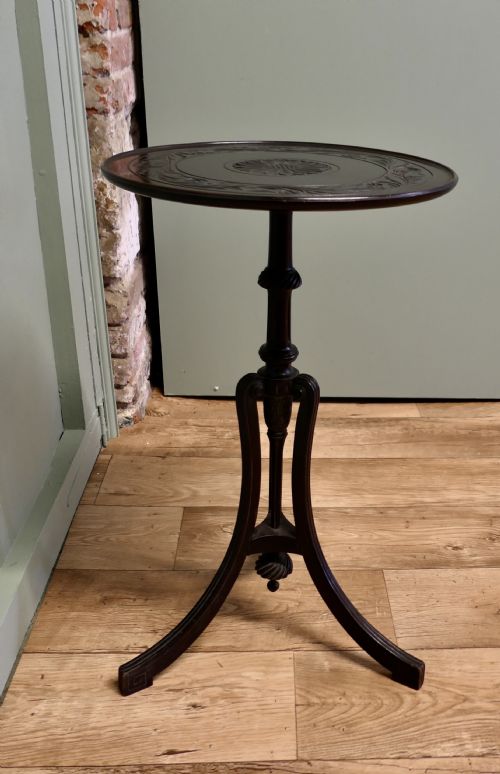
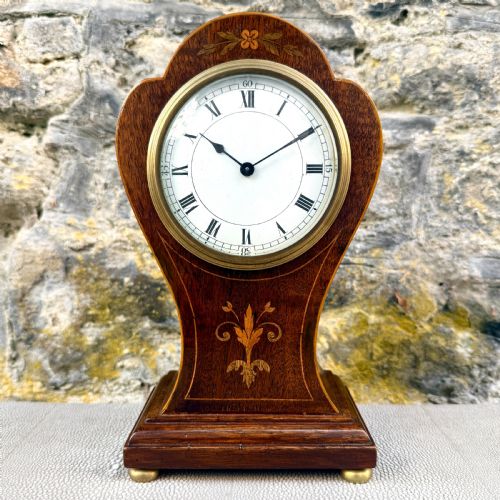
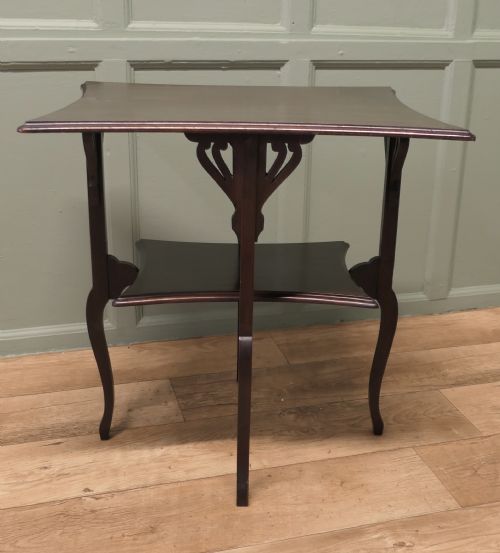
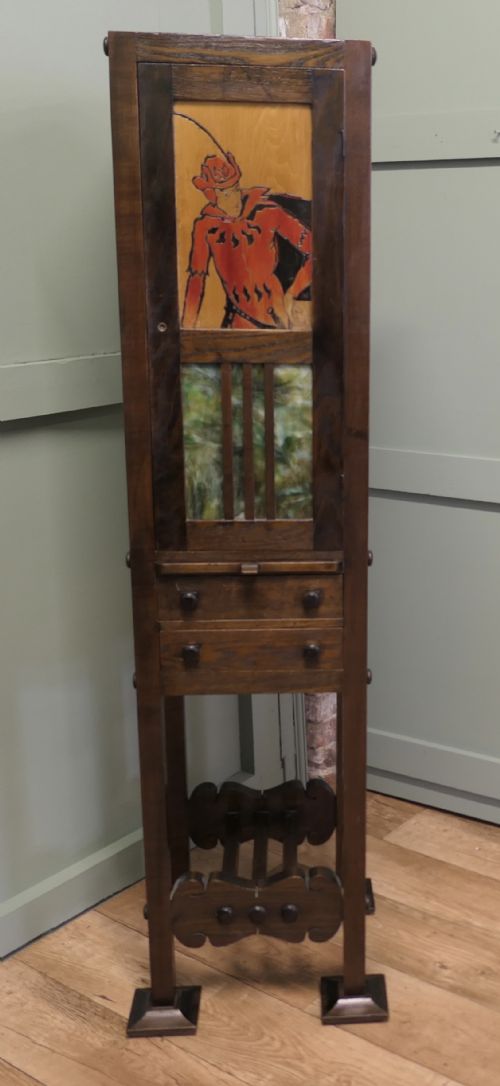
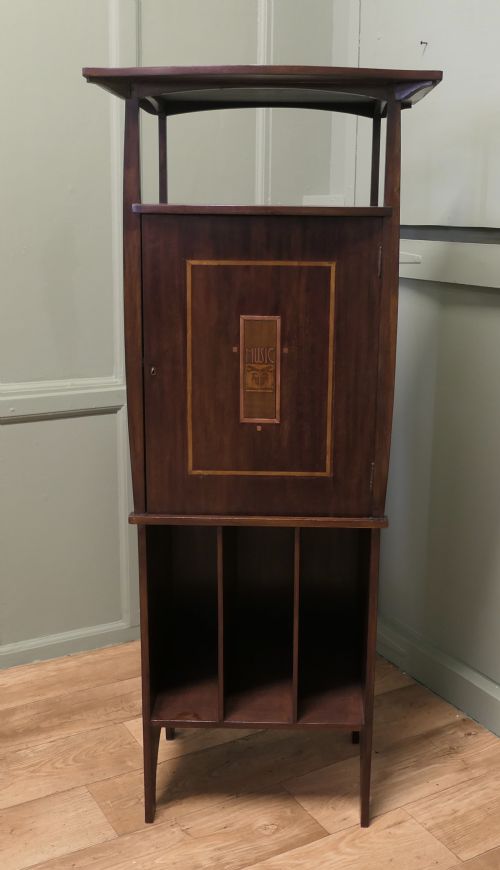
These wooden art nouveau antiques bring flowing, organic lines and tactile craftsmanship into a room.
Wooden Art Nouveau Antiques
Most examples date from the period spanning the late Victorian era through the Edwardian years and the nineteen-tens. Alongside standard British production, the selection incorporates continental movements like Vienna Secession, Jugendstil, and Amsterdam School designs.
Seating and storage forms dominate the selection, often pairing sturdy oak or polished mahogany with decorative wood inlay, brass fittings, or bentwood construction.
What varies in quality
Quality rests in the precision of the joinery and the integrity of the original materials, separating mass-produced items from pieces bearing thoughtful hand-carving and careful wood selection. The execution of inlaid motifs and the retention of original hardware distinguish finer cabinetwork from simpler utility furniture.
Design attribution also separates examples, as pieces bearing the mark of notable makers or specific continental workshops display superior proportions and integration of the style's signature curves.
Wooden Art Nouveau Antiques Retail Price Guide 2026
Typical asking prices for wooden art nouveau antiques among the pieces listed under this phrase on Sellingantiques today, from the lower quarter to the upper quarter. They describe what is for sale here now, not the wider market.
Listings feature oak, mahogany, and beech as primary woods, often enhanced by brass, copper, and delicate wood inlay work.
Thonet·Jacob and Joseph Kohn·Shapland and Petter·JS Henry·James Shoolbred and Co·Erhard and Sohne·Philipp Haas
The Wooden Art Nouveau Antiques Glossary
- Bentwood
- Wood heated and bent into curved structural forms. This technique created lightweight, resilient frames for chairs, coat stands, and rocking chairs.
- Vienna Secession
- An artistic movement that rejected historicism in favour of geometric clarity and stylised organic ornament. Pieces from this circle often exhibit pared-down structural forms.
- Jugendstil
- The German-language variant of Art Nouveau. This movement emphasised flowing botanical lines across furniture, clocks, and decorative metalwork.
- Settle
- A wooden bench featuring a high back and enclosed storage beneath the seat. These pieces frequently incorporate inlaid panels and carved decoration.
- Torchere
- A tall stand or pedestal designed to support a lamp or decorative figure. These objects elevated lighting fixtures within Edwardian interiors.
Wooden Art Nouveau Antiques: Frequently Asked Questions
What defines wooden art nouveau antiques?
These pieces incorporate fluid, plant-inspired lines, asymmetrical motifs, and natural wood grains characteristic of design movements from the late nineteenth and early twentieth centuries.
They bridge domestic utility and decorative art, featuring on furniture, clocks, and occasional tables.
How do I identify a Vienna Secession piece?
Vienna Secession items show a shift toward geometric restraint combined with organic ornamentation, often produced by prominent Austrian makers.
They stand apart from standard Edwardian furniture through their distinct structural severity and refined joinery.
Where were bentwood items made?
Bentwood furniture was largely produced by specialised continental workshops utilising steam-heated beech to form continuous curves.
These techniques allowed makers to construct lightweight, durable chairs and coat stands without traditional heavy framing.
How should I care for waxed oak furniture?
Waxed oak surfaces require occasional gentle cleaning with a soft cloth and the application of a quality maintenance wax to preserve the finish.
Keeping pieces away from direct heat sources prevents the timber from drying out or splitting over time.