





Wooden Art Deco Stand
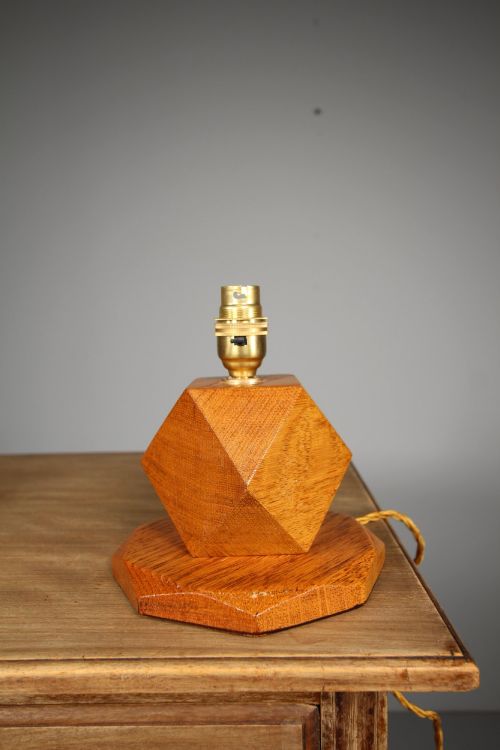
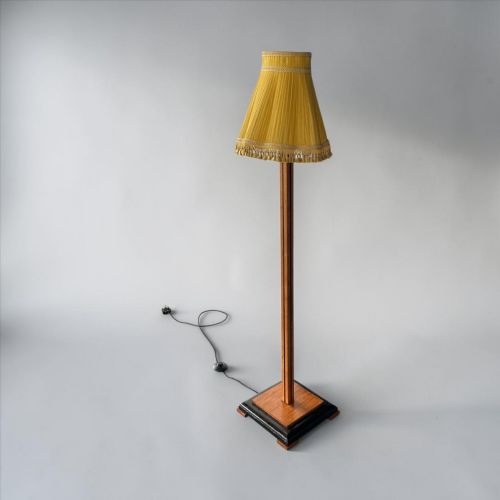
A wooden art deco stand brings geometric presence to a room, combining functional height with the bold grain of oak, walnut, and mahogany.
Wooden Art Deco Stand
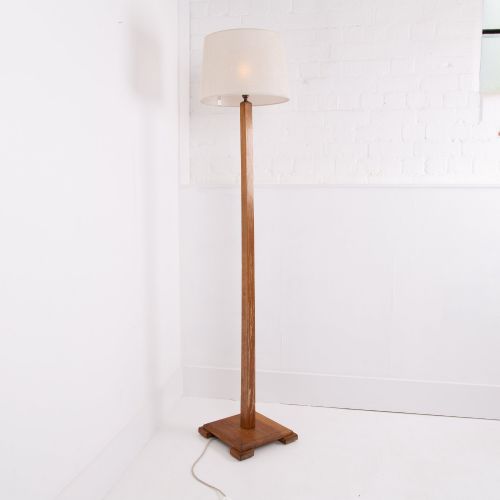
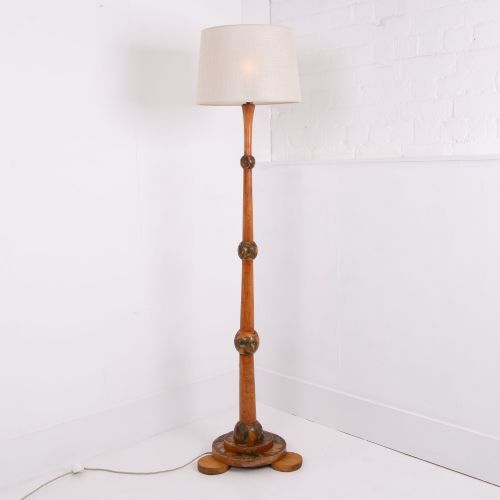
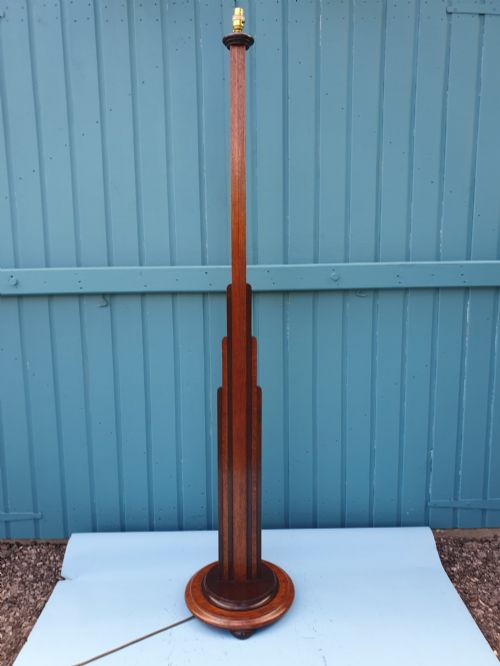
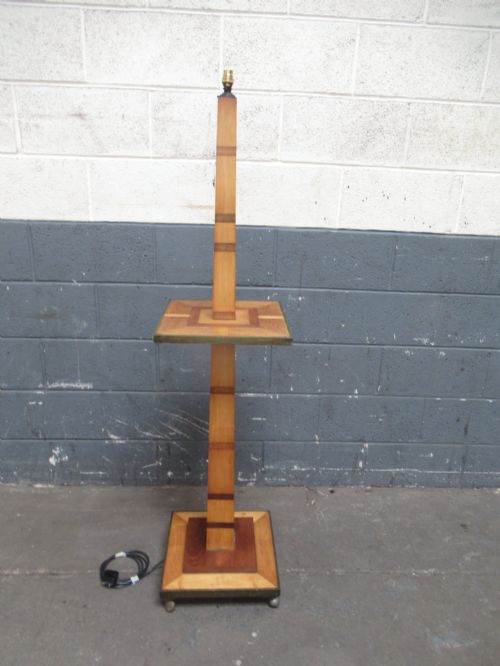
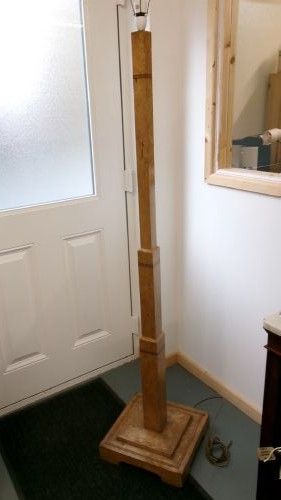
A wooden art deco stand encompasses pieces designed to elevate objects or illuminate spaces, primarily originating from the 1920s, 1930s, and 1940s. The selection on this page relies heavily on standard lamps, torcheres, and occasional tables that showcase the period's architectural lines.
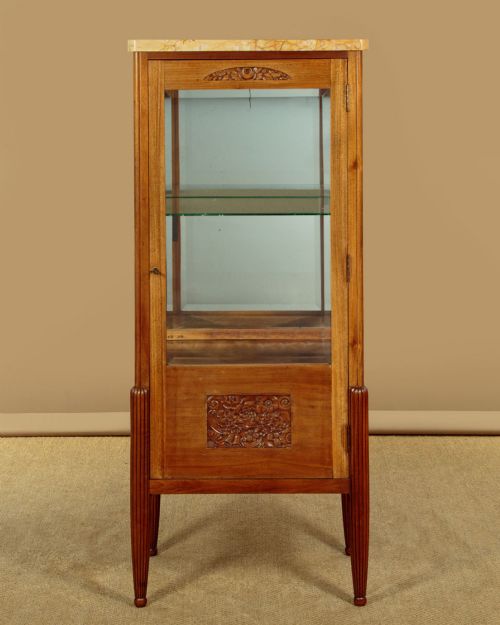
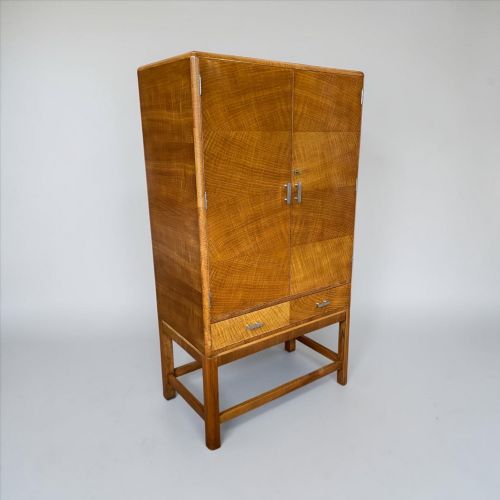
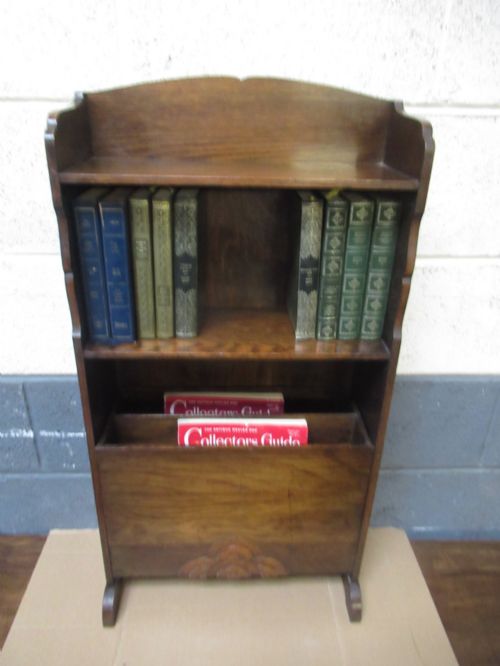
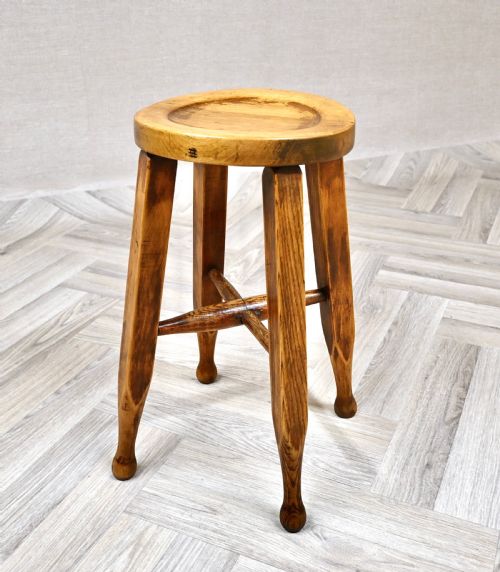
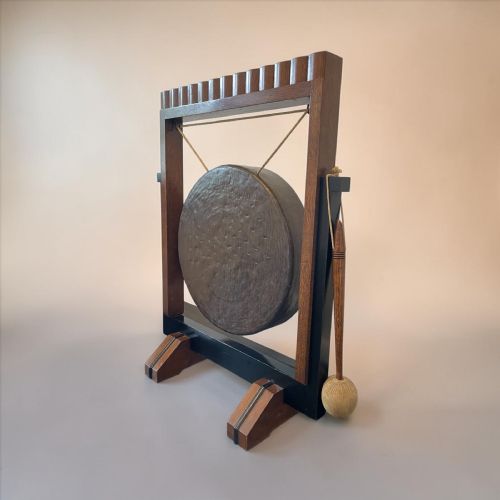
Buyers will encounter items ranging from oak and walnut standard lamps to mahogany lamp tables, occasional tables, and specialised display stands. Alongside these lighting and surface pieces appear smaller utilitarian items such as book troughs, magazine shelves, and drinks cabinets raised on stands.
Originating predominantly from British, French, and Amsterdam School workshops, these items integrate revival styles like Regency Revival and Neoclassical Revival alongside pure Art Deco geometry. The forms demonstrate how practical household items received sculptural treatment during the early twentieth century.
Materials and construction
Construction relies on solid timbers and decorative veneers applied to carcases of oak, walnut, mahogany, and burr elm. Artisans used contrasting woods such as ebony and macassar ebony inlay to accentuate the geometric planes characteristic of the style.
Metal components in brass and white metal frequently accompany the timber elements, appearing in standard lamp mountings, pricket candlesticks, and hardware. Fabric and cord details surface particularly on lighting and steamer trunk interiors from the period.
Wooden Art Deco Stand Retail Price Guide 2026
Typical asking prices for wooden art deco stand among the pieces listed under this phrase on Sellingantiques today, from the lower quarter to the upper quarter. They describe what is for sale here now, not the wider market.
Look closely for the cherry-wielding wooden figure hiding among the cocktail stick sets.
Quality and execution
Distinction between pieces lies in the choice of timber and the ambition of the veneer work, where figured golden walnut and macassar ebony denote superior selection. The precision of the joinery and the integration of contrasting wood inlays dictate the visual authority of each stand.
Proportion and architectural presence separate standard production items from more ambitious designs. Pieces displaying restrained mouldings or Amsterdam School influence demonstrate a higher degree of sculptural resolve than simpler utility items.
Heal's·Sudre·Hartman Luggage Co.
The Wooden Art Deco Stand Glossary
- Torchiere
- A tall stand designed to support a lamp or vase, lifting the light source or decorative object toward the ceiling. These pieces often feature turned wooden shafts and stepped bases.
- Occasional table
- A small, movable surface designed for specific, temporary uses such as holding drinks or books. They appear frequently in octagonal and paired configurations.
- Book trough
- A low, open receptacle designed to hold volumes upright on a desk or floor. They often incorporate decorative wooden ends shaped with animal or geometric motifs.
- Golden walnut
- A specific timber variety prized for its warm, reflective grain and lighter honey tones. It was utilised extensively in high-end cabinet work and standard lamps.
- Amsterdam School
- An expressionist architectural and design movement originating in the Netherlands. It is characterised by rounded brickwork, expressive timber forms, and rich metal detailing.
Wooden Art Deco Stand: Frequently Asked Questions
What is a wooden art deco stand?
A wooden art deco stand is a functional household furnishing designed during the early twentieth century to support lamps, books, or decorative objects. These pieces utilise geometric forms, stepped profiles, and figured timbers such as oak and walnut.
They reflect the design priorities of the interwar period, combining architectural presence with everyday utility in domestic interiors.
How do I date these stands?
Dating relies on examining the timber selection, construction methods, and stylistic cues present in the piece. Items from the 1920s and 1930s often incorporate distinct veneers like macassar ebony alongside characteristic stepped mouldings. nComparing the hardware, wiring access, and revival influences helps place the item within the Edwardian to 1940s spectrum.
Where should I place a standard lamp stand?
A standard lamp stand works effectively in corners or beside seating areas where its vertical height can balance low furniture. Placing it away from heavy traffic ensures the wooden shaft and base remain protected.
Positioning the piece where natural light catches the grain of the oak or walnut highlights the decorative qualities of the timber.
How do I care for walnut and oak stands?
Maintenance involves dusting with a soft, dry cloth and avoiding direct exposure to strong sunlight or sudden temperature changes. Natural wax finishes benefit from occasional gentle nourishment to preserve the depth of the grain.
Moisture should be kept away from the timber surfaces by using coasters and mats beneath any objects placed on the stands.