



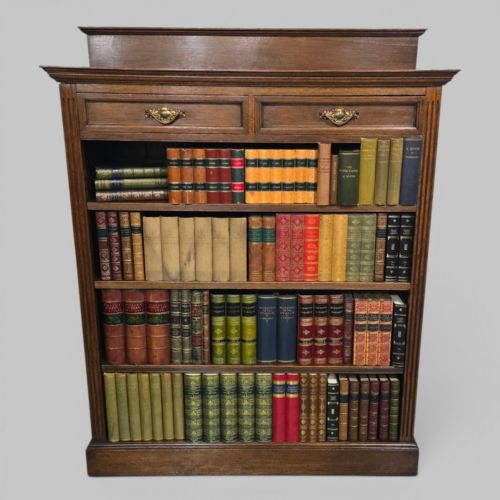
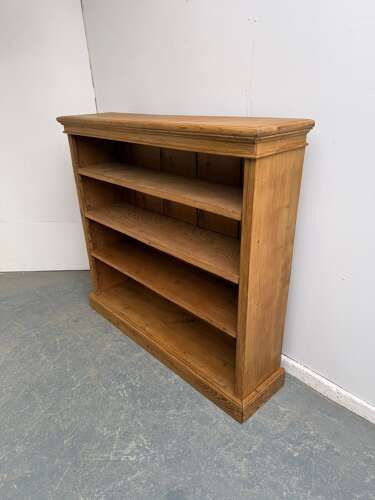
Wooden Adjustable Bookcase
A wooden adjustable bookcase brings order to a growing library while offering the simple utility of altering shelf heights for volumes of any size.
Wooden Adjustable Bookcase
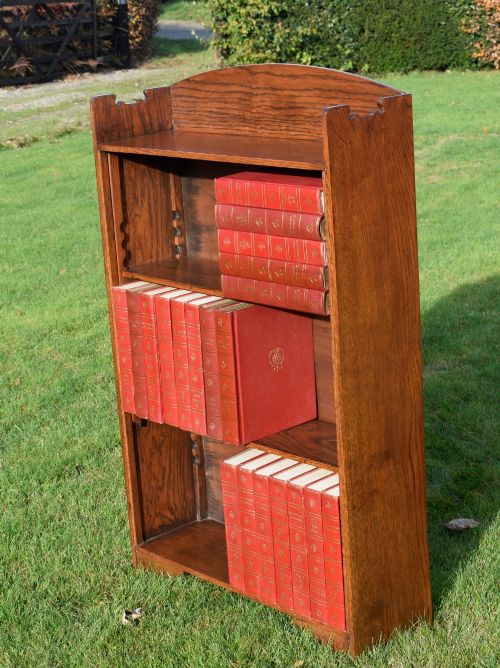
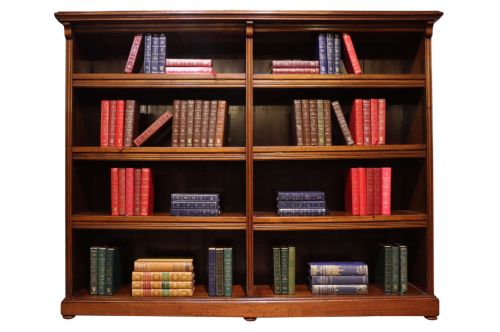
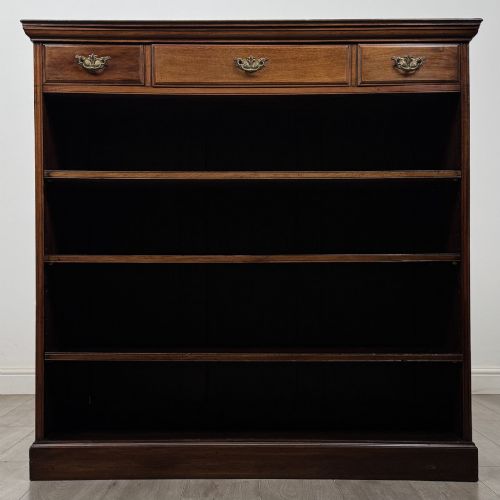
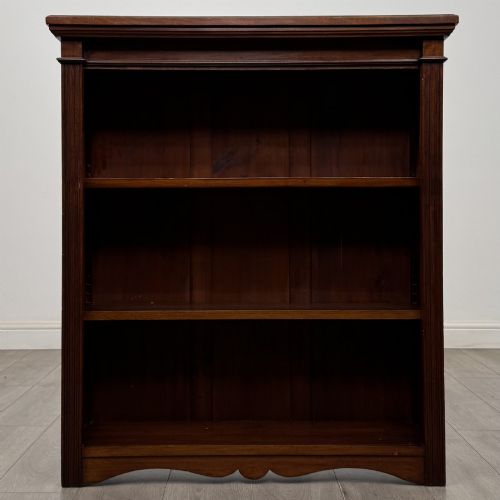
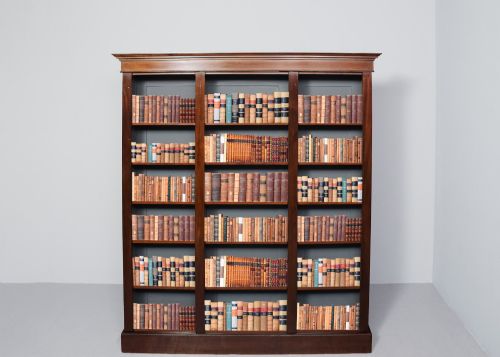
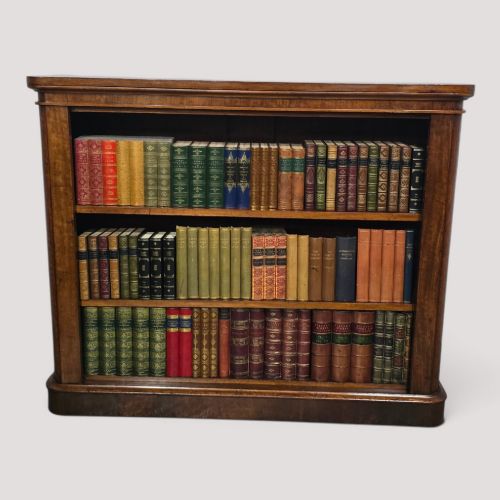
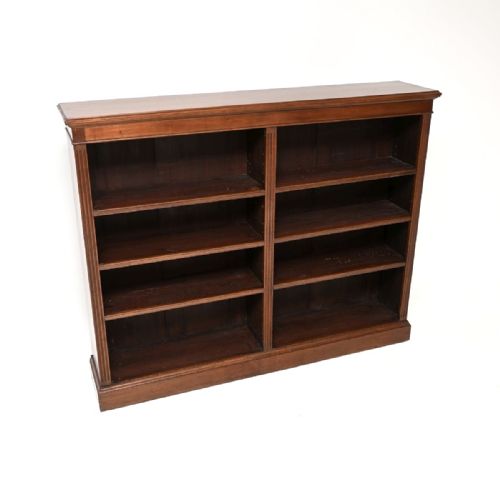
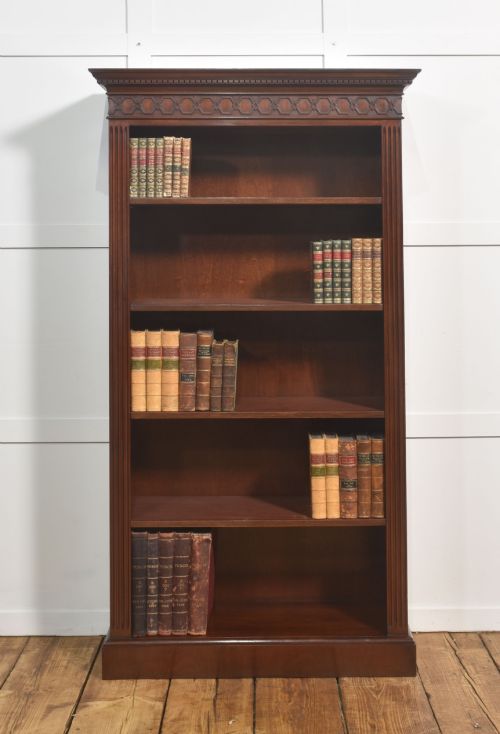
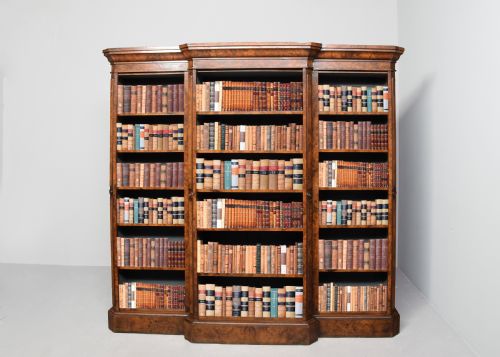
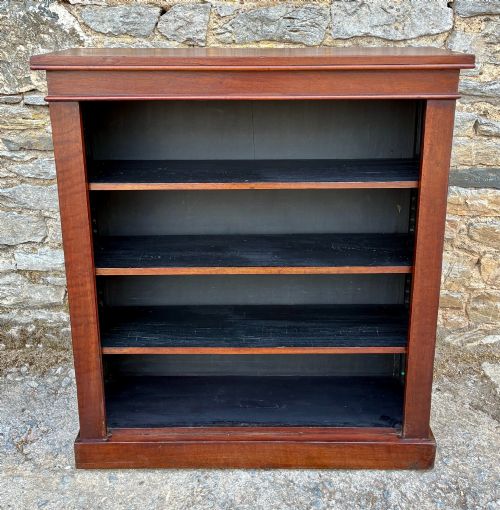
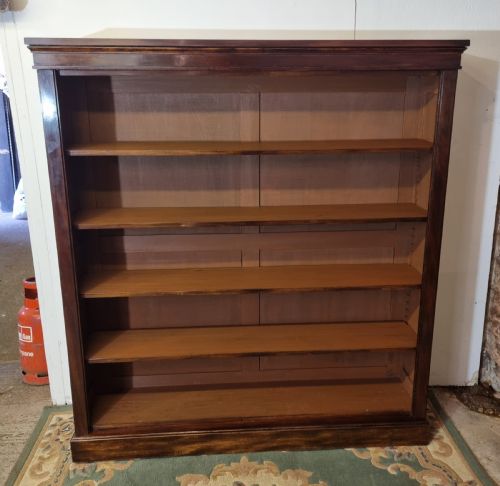
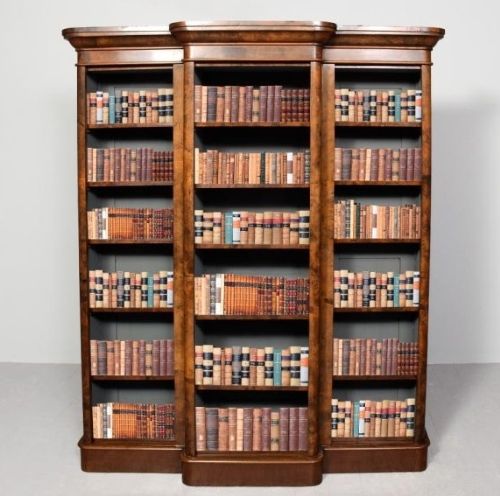
A wooden adjustable bookcase serves as the primary storage vessel for collections of books, appearing most frequently on this page in open-front formats from the Victorian and Edwardian eras. These pieces range from small low units to large three-section breakfront library furniture designed to house substantial private collections.
The materials span mahogany, oak, walnut, burr walnut, pine, and softwood, often constructed with open shelves or occasional glazed doors. Alongside standard upright bookcases, the selection includes related forms such as revolving bookcases, desk accessories, and extending book slides.
Originating across periods from the mid-nineteenth century through the early twentieth century, these items reflect the domestic and institutional reading habits of their time. Buyers searching for a wooden adjustable bookcase will encounter traditional upright designs as well as more expansive breakfront configurations.
How they were made
Carpenters constructed these bookcases primarily using solid hardwoods and softwoods like mahogany, oak, walnut, and pine, frequently incorporating decorative veneers such as burr walnut and inlaid details. Structural durability relied on solid timber frames and fitted interior battens or tracks to support movable shelving.
Wooden Adjustable Bookcase Retail Price Guide 2026
Typical asking prices for wooden adjustable bookcase among the pieces listed under this phrase on Sellingantiques today, from the lower quarter to the upper quarter. They describe what is for sale here now, not the wider market.
Some oak revolving bookcases come equipped with an integrated reading stand for hands-free study.
What varies in quality
The grade of timber and the complexity of the cabinetry distinguish standard utility furniture from finer library pieces. Breakfront configurations, multi-section formats, and burr walnut veneers generally indicate higher ambition in design and execution.
Subtleties in carving, inlay work, and the execution of adjustable shelf mechanisms separate workshop production levels. The integration of functional reading stands or concertina doors further differentiates standard shelving from superior library examples.
The Wooden Adjustable Bookcase Glossary
- Breakfront
- A piece of furniture whose central section projects forward from the side sections. This layout creates depth and visual variety in larger library bookcases.
- Concertina
- A folding mechanism that allows doors or hardware to expand and collapse in a zigzag pattern. In these listings, it describes specialised expanding door action.
- Book slide
- A portable desktop or table accessory with extending ends designed to hold a small selection of books upright. These items utilise wood and sometimes brass to hold volumes securely.
- Revolving bookcase
- A freestanding small bookcase mounted on a rotational base for easy access from any angle. They frequently incorporate reading stands on top.
- Burr walnut
- Timber taken from the growth growths of a walnut tree, yielding highly figured and intricate grain patterns. Cabinetmakers used it as a veneer on high-status Victorian furniture.
Wooden Adjustable Bookcase: Frequently Asked Questions
What periods do these bookcases come from?
The listings span the Victorian and Edwardian eras, alongside pieces dated across the nineteenth and early twentieth centuries.
Most examples originate between eighteen-fifty and nineteen-thirty, reflecting traditional cabinet-making styles of those decades.
How do adjustable shelves work in antiques?
Antiques use various timber or brass support systems inside the cabinet walls to allow shelves to move up or down.
These systems accommodate books of different heights within the same bookcase.
Are all these bookcases open-fronted?
The majority of pieces feature open-front shelves designed for immediate access to books.
Some examples include glazed cabinet doors or half-glazed concertina doors for enclosed storage.
What wood types are most common?
Mahogany and oak appear most frequently across the selection, often in solid boards or with decorative veneers.
Walnut, burr walnut, pine, and softwood also feature in various regional and period styles.