




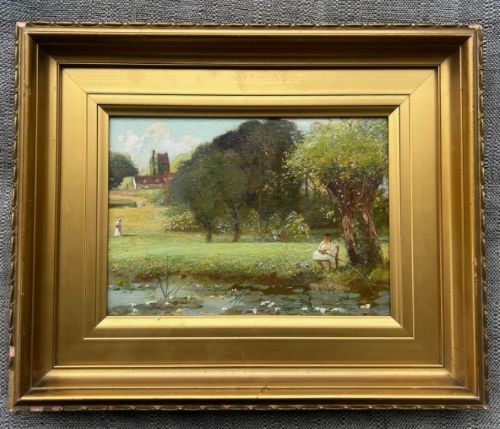
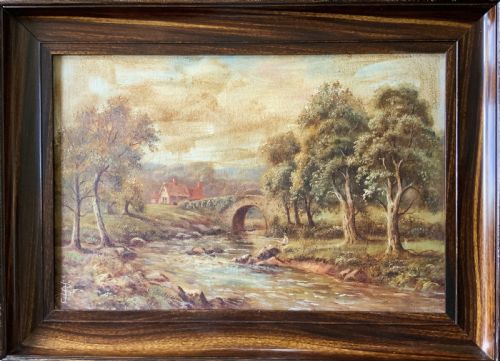


Wooded River Oil Painting
A wooded river oil painting captures the quiet light of running water beneath trees, offering a pastoral window into past landscapes.
Wooded River Oil Painting
A wooded river oil painting portrays natural waterways shaded by trees, drawn from traditions spanning the Victorian era through the early twentieth century.
Most examples found here date from the nineteenth century or the Edwardian period, executed by British and continental painters working in oil on canvas or wood panel.
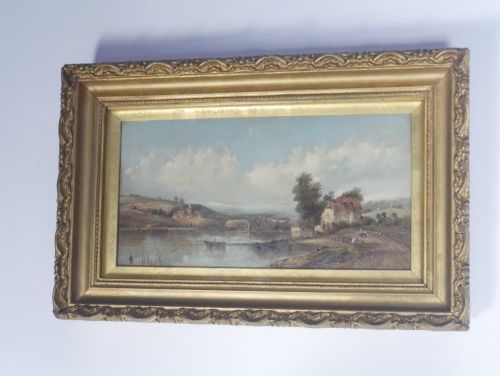
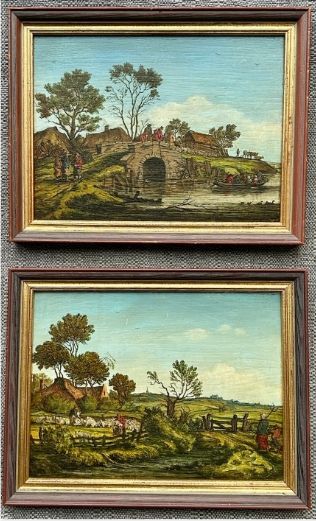
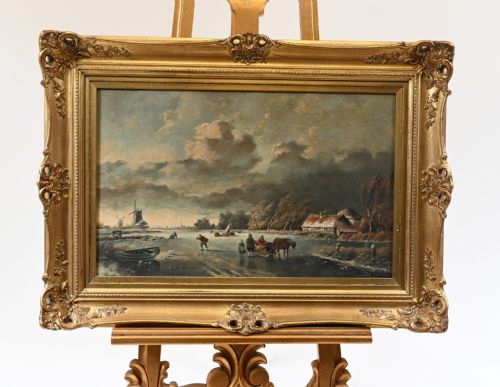
These works typically depict rural streams, highland rivers, and pastoral riverbanks framed by foliage, often housed in original gilt wood frames.
How they were made
Artists applied oil paint using brushes and palette knives onto stretched canvas or solid wood panels, building up layers of pigment to capture light on water.
Many works were painted en plein air to record immediate atmospheric effects, whilst studio pieces combined these direct observations with traditional composition.
Finished canvases and panels were secured within wooden surrounds, frequently finished with gilt leaf to complement the warm tones of the landscape.
Wooded River Oil Painting Retail Price Guide 2026
Typical asking prices for wooded river oil painting among the pieces listed under this phrase on Sellingantiques today, from the lower quarter to the upper quarter. They describe what is for sale here now, not the wider market.
Several riverbanks are quietly monitored by stray cattle, distant washerwomen, and occasional fishermen waiting persistently for a bite.
What varies in quality
The distinction between standard works and superior examples lies in the confidence of brushwork and the artist's handling of reflected light on water.
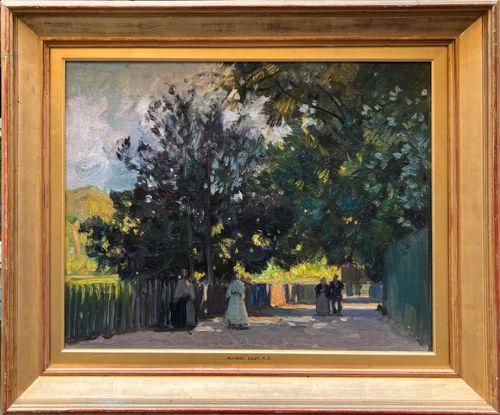
Compositional balance and the subtle rendering of atmospheric depth separate mass-produced decorative landscapes from accomplished academic and impressionist studies.
Sir Alfred East·Benjamin Williams Leader·William Mellor·Sydney Yates Johnson·Edward Charles Williams
The Wooded River Oil Painting Glossary
- Oil paint
- A slow-drying medium made by pigment particles suspended in a drying oil, typically linseed. This allowed artists to blend tones smoothly and build rich textures.
- Wood panel
- A rigid support made from timber, used by painters before and alongside canvas. It provided a stable surface for detailed brushwork.
- Gilt wood
- Wood decorated with gold leaf or metallic gilt powder. Frames utilising this finish were designed to reflect ambient light onto the painting.
- Plein air
- Painting outdoors to capture direct natural light and weather conditions. This method became central to impressionist and realist landscape traditions.
- British Impressionism
- A painting style influenced by French movements, focusing on light and loose brushwork. British practitioners applied these techniques to domestic river scenes.
Wooded River Oil Painting: Frequently Asked Questions
How do I date a river landscape?
Dating relies on stylistic evidence, artist signatures, framing techniques, and the material support used for the pigment.
Paintings executed on wood panels often point to the nineteenth century, whilst canvas preparations and costume details in staffage help narrow down the decade.
Where should I hang an oil painting?
Select an interior wall away from direct sunlight and excessive humidity to protect the oil paint and canvas.
Placing the artwork at eye level in a room with stable ambient temperature ensures the gilt frame and panel remain preserved.
Are these paintings cleaned?
Many antique canvases retain their historical patination and original varnish layers accumulated over generations of display.
Conservation history varies by piece, with some works presenting untouched surfaces while others show evidence of past maintenance.
What frames come with the paintings?
A significant proportion of these works are housed in their original gilt wood frames that match the period of the artwork.
These frames often display period ornamentation and gold leaf finish characteristic of nineteenth-century framing workshops.