


Wood Vanity Box
A wood vanity box sits on a dressing table to hold personal trinkets, combining practical storage with period craftsmanship.
Wood Vanity Box
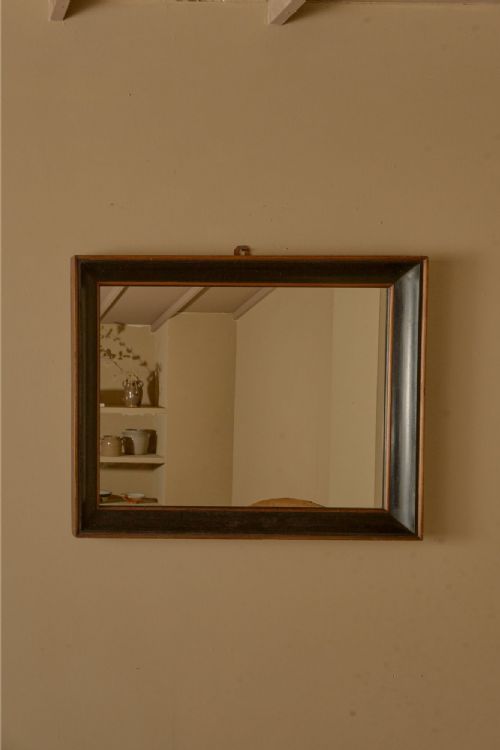
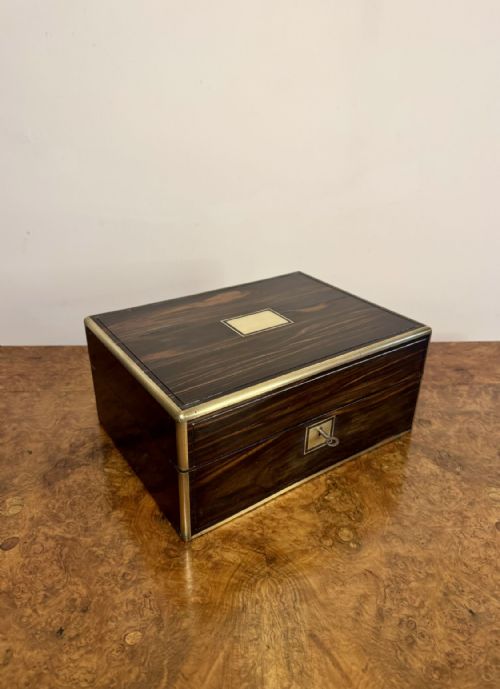
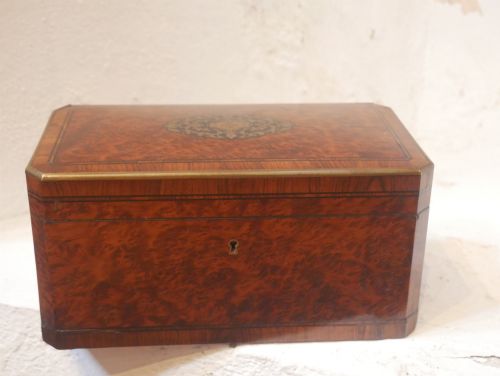
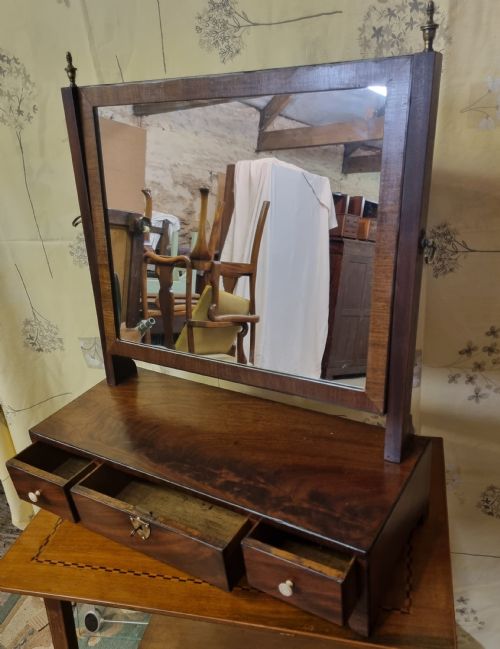
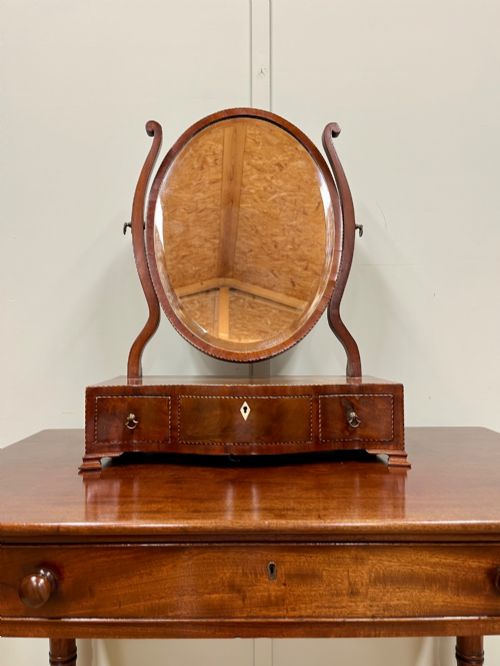
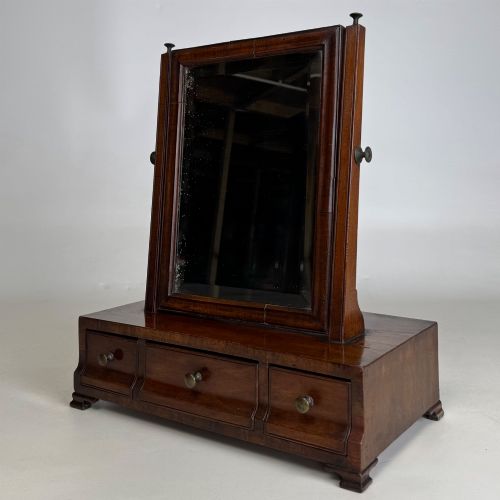
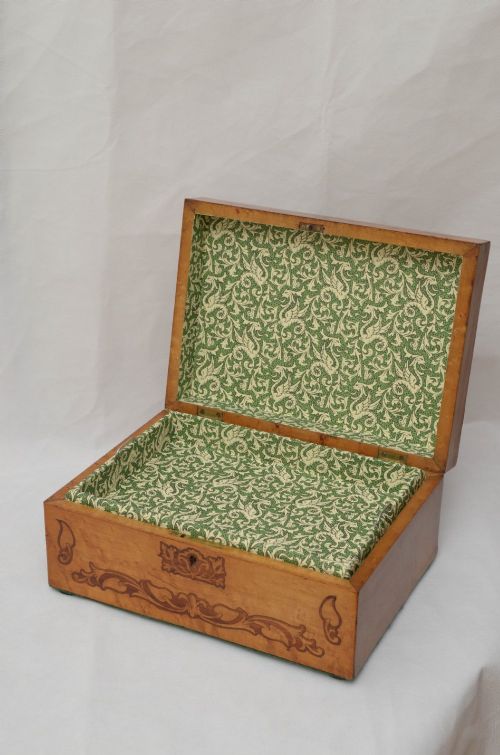
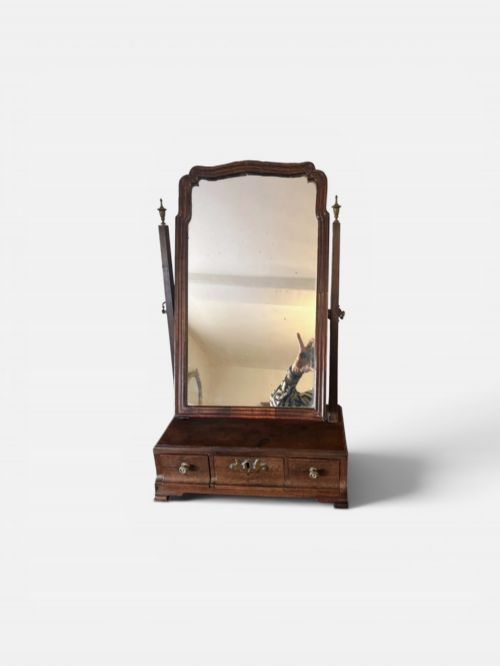
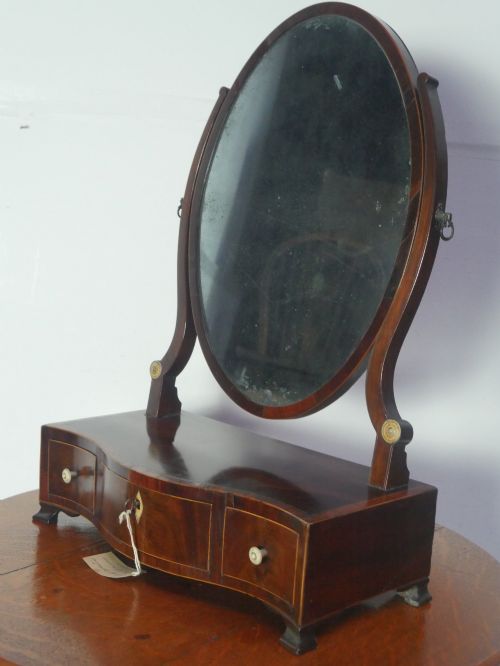
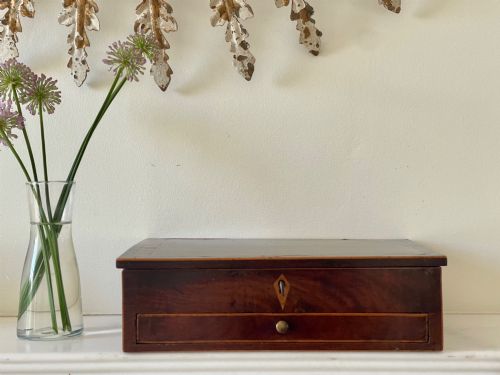
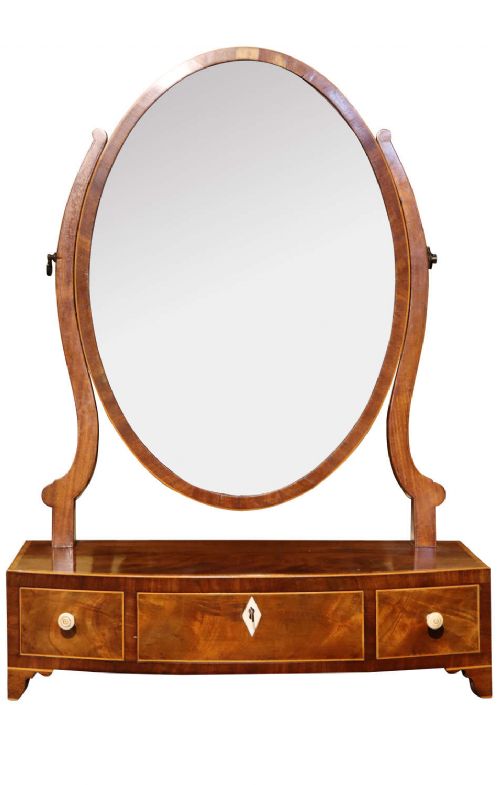
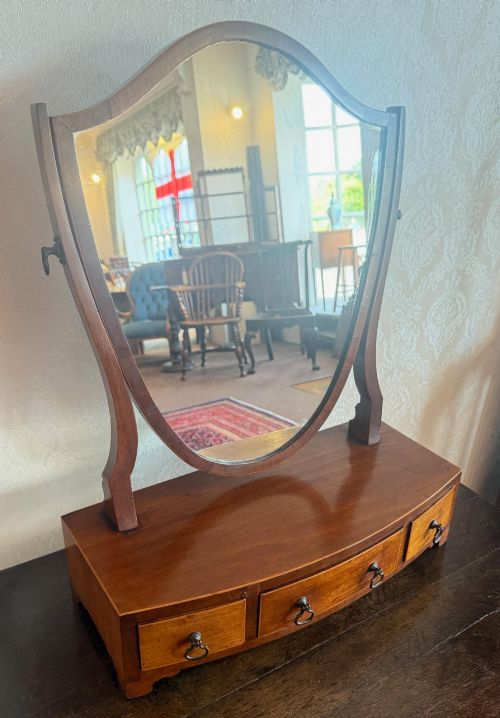
When you search for wood vanity box, you encounter various containers and mirrors designed for grooming and personal storage from the eighteenth and nineteenth centuries. The selection includes dressing mirrors, toilet mirrors, and fitted jewellery boxes originating from Georgian, Regency, and Victorian periods.
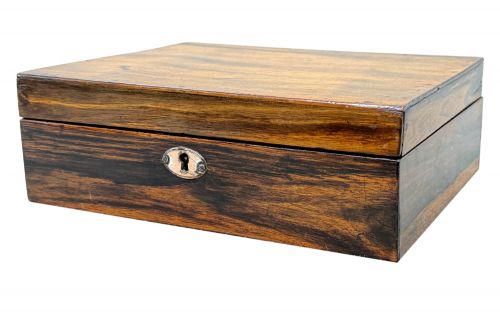
Mahogany and rosewood form the core of the selection, frequently accompanied by coromandel and amboyna. Many examples incorporate compartments, trays, and inlaid details such as mother-of-pearl or tulipwood.
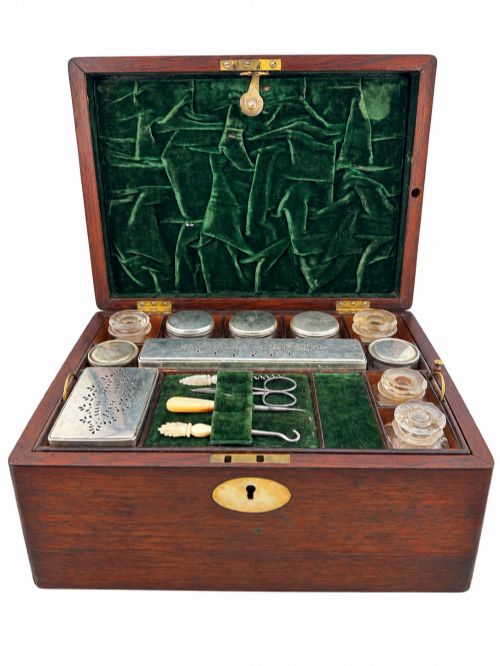
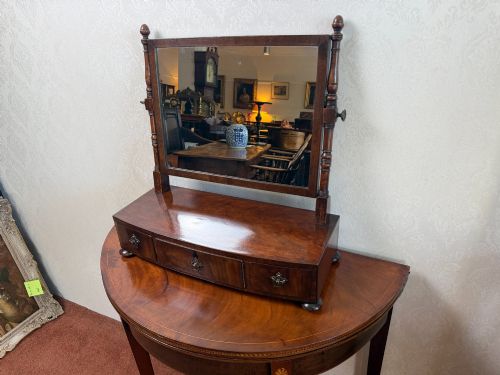
Tabletop mirrors feature swing frames above small drawers, while boxes often house compartments for bottles and accessories. These objects reflect the daily dressing rituals of past households.
How they were made
Cabinetmakers utilised dense timbers like mahogany, rosewood, and coromandel to construct durable frames and boxes. These woods were often selected for distinct grain patterns, including flame figures and bird's eye effects.
Inlay techniques incorporated contrasting materials such as brass, bone, mother-of-pearl, and tulipwood into the primary surfaces. Interiors typically featured fitted trays, linings, and mirrored sections assembled with traditional joinery.
Wood Vanity Box Retail Price Guide 2026
Typical asking prices for wood vanity box among the pieces listed under this phrase on Sellingantiques today, from the lower quarter to the upper quarter. They describe what is for sale here now, not the wider market.
Several boxes arrive with working keys, sparing future owners from locked compartments.
What varies in quality
The standard of construction depends on the precision of the joinery and the selection of timber veneers. Finely figured mahogany and well-matched coromandel denote superior cabinetmaking.
Complexity of internal fittings, such as secret drawers, original glass, and intact brass hardware, distinguishes standard boxes from more elaborate custom commissions.
Tahan·H Mitchell
The Wood Vanity Box Glossary
- Crossbanding
- A decorative border of veneer laid perpendicular to the grain of the main surface. This technique creates a neat framing effect on drawer fronts and box lids.
- Coromandel
- A dense, heavily figured timber from Asia with dark brown and black streaks. It appears frequently on nineteenth-century luxury boxes and caskets.
- Toilet mirror
- A small mirror mounted on a pivoting frame above a miniature set of drawers. These pieces sat upon tables for personal grooming.
- Parquetry
- Geometric wood inlay forming patterned surfaces on boxes and cabinets. Artisans arranged contrasting timber squares and triangles to create visual depth.
Wood Vanity Box: Frequently Asked Questions
What is a wood vanity box?
A wood vanity box is a portable container or tabletop mirror used during the eighteenth and nineteenth centuries for cosmetics, jewellery, and grooming items.
These pieces range from simple mahogany dressing mirrors to elaborately fitted coromandel boxes with internal trays and secret compartments.
How do I date a mahogany mirror?
Dating relies on construction methods, timber choice, and frame profiles. Georgian examples often feature flame mahogany and ogee feet, while later pieces show Victorian influences.
Secondary woods and mirror plate characteristics also help determine the period of manufacture.
How were these boxes used?
Owners stored personal items such as rings, trinkets, glass bottles, and sewing implements inside these fitted containers. Dressing mirrors assisted with daily grooming and hair styling.
Many boxes included lockable lids to secure valuables.