



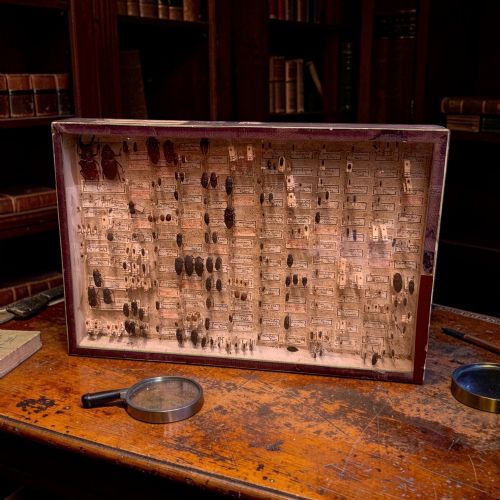


Wood Taxidermy Display
A wood taxidermy display brings nineteenth-century natural history indoors, protecting specimens beneath glass domes and inside wooden cases.
Wood Taxidermy Display
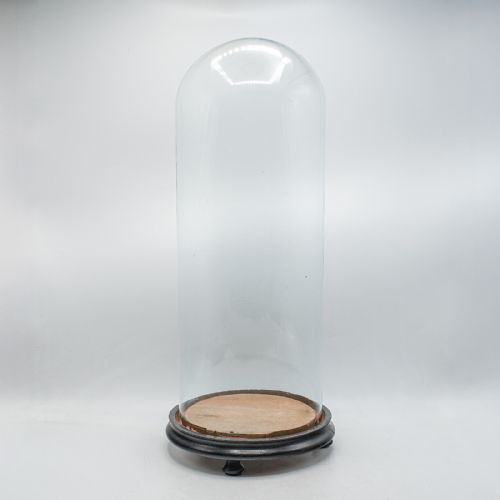
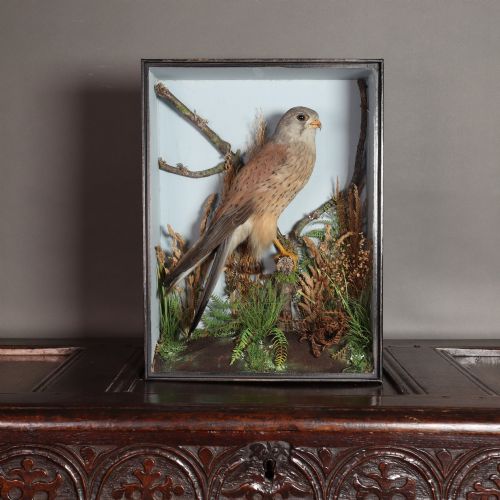
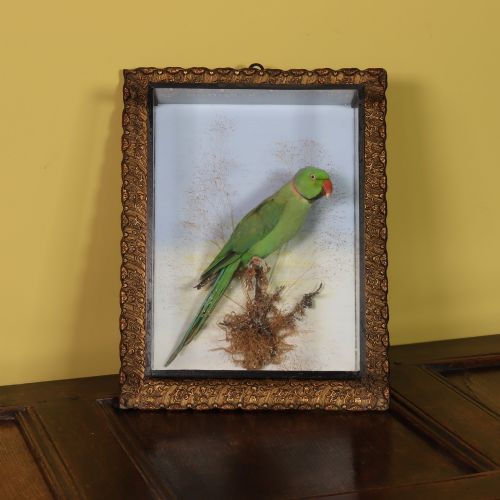
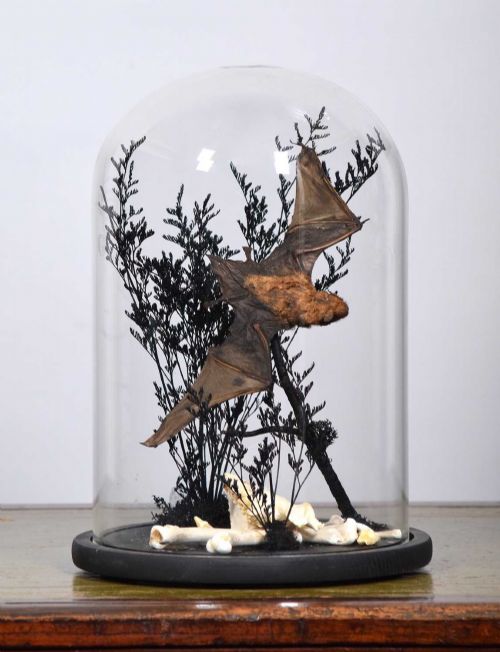
When you search for wood taxidermy display, you encounter Victorian and Edwardian enclosures designed to preserve birds, bats, and fish. These items range from glass domes on wooden bases to wall-mounted cabinets and picture frame cases.
The most common formats on this page are tall display domes with turned wooden plinths and rectangular glazed dioramas. They reflect the nineteenth-century passion for natural history and domestic curiosity cabinets.
Makers housed kestrels, owls, jays, and birds of paradise within these wooden frames, often arranging them amid paper, fabric, and painted snow scenes to mimic natural habitats.
Materials and construction
Wood taxidermy display pieces rely on solid timbers such as mahogany, oak, beech, pine, and ebonised wood to form the bases, plinths, and glazed wall cases. Glass domes sit snugly into turned wooden grooves, whilst larger dioramas utilise framed softwood and hardwood boxes.
Makers mounted specimens using internal wire armatures, arranging feathers, paper, felt, and painted backgrounds to recreate woodland or winter environments inside the sealed enclosures.
Wood Taxidermy Display Retail Price Guide 2026
Typical asking prices for wood taxidermy display among the pieces listed under this phrase on Sellingantiques today, from the lower quarter to the upper quarter. They describe what is for sale here now, not the wider market.
Quality and craftsmanship
Quality rests upon the skill of the taxidermist and the cabinetmaker rather than mere age. Superior specimens retain vibrant plumage and natural postures without distortion, housed inside heavy, hand-blown glass domes and meticulously joined timber bases.
Plain softwood boxes with simple glass panes contrast against signed works by prominent natural history firms featuring complex diorama composition and polished hardwood cabinetry.
T. E. Gunn·William Bazeley & Sons·Henry Ward London·James Jones of London·James Gardner
The Wood Taxidermy Display Glossary
- Taxidermy
- The art of preparing, stuffing, and mounting the skins of animals for display. Victorian practitioners arranged birds and mammals in realistic or decorative poses.
- Display Dome
- A blown glass cover resting on a wooden base to protect fragile specimens from dust and humidity. They frequently house birds, insects, and botanical specimens.
- Diorama
- A three-dimensional scene containing taxidermy specimens set against a painted background with artificial foliage. These enclosures create the illusion of animals in their natural habitats.
- Ebonised Wood
- Timber treated with a dark stain or finish to imitate ebony. This dark surface focuses attention upon the bright plumage of the specimens inside.
- Entomology Case
- A shallow wooden box fitted with a glass lid designed for housing insect specimens. They form part of the broader tradition of natural history collecting.
Wood Taxidermy Display: Frequently Asked Questions
How do I clean a glass dome?
Lift the glass carefully using both hands and wipe the exterior with standard glass cleaner. Avoid spraying liquid directly near the wooden base or the taxidermy specimen.
Use a soft, dry brush to gently remove any dust from the interior wooden plinth before replacing the dome securely.
Where should I place a taxidermy display?
Keep these items away from direct sunlight to prevent the plumage and painted backgrounds from fading over time. Stable indoor temperatures protect the timber frames and fragile feathers.
Position the displays on sturdy tabletops or shelves where accidental knocks remain unlikely.
How do I date a Victorian display dome?
Examine the glass for bubbles, thickness, and irregularities typical of nineteenth-century mouth-blown manufacturing techniques. Turned wooden bases often display lathe marks characteristic of the period.
Paper trade labels pasted beneath the wooden base frequently provide specific maker details and approximate dates.
Were these pieces made for science?
Victorian natural history displays served both educational and decorative purposes within domestic settings. Collectors arranged cabinets of curiosities to showcase an interest in the natural world.
Professor and collector domes functioned as scientific specimens as well as parlour ornaments.