






Wood Piano Stool
A wood piano stool provides the practical seat for the instrument while bringing period character to a room.
Wood Piano Stool
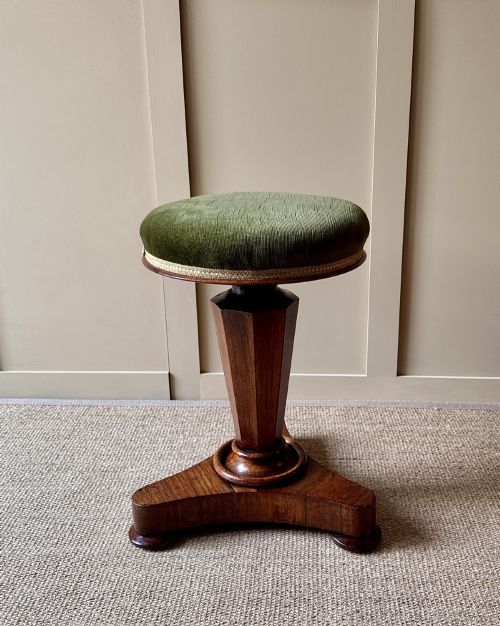
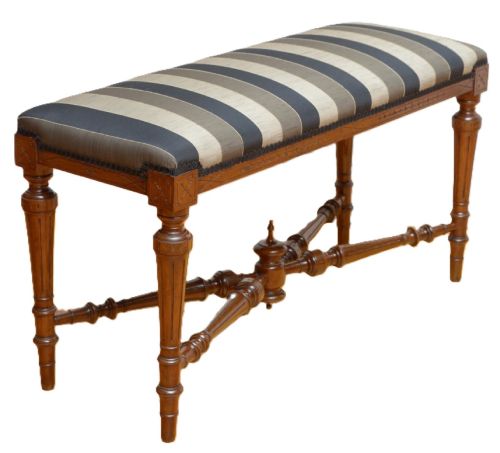
A wood piano stool serves the musician at the keyboard, offering various heights and mechanisms to suit the player. When searching for a wood piano stool, buyers encounter diverse forms ranging from single-seat swivel designs to longer duet benches.
The pieces on this page span the Victorian, Regency, Edwardian, and Art Deco periods, with 19th Century examples appearing frequently. These range from simple turned-leg models in mahogany or walnut to revolving music chairs and elaborate rise-and-fall types.
How wood piano stool pieces were constructed
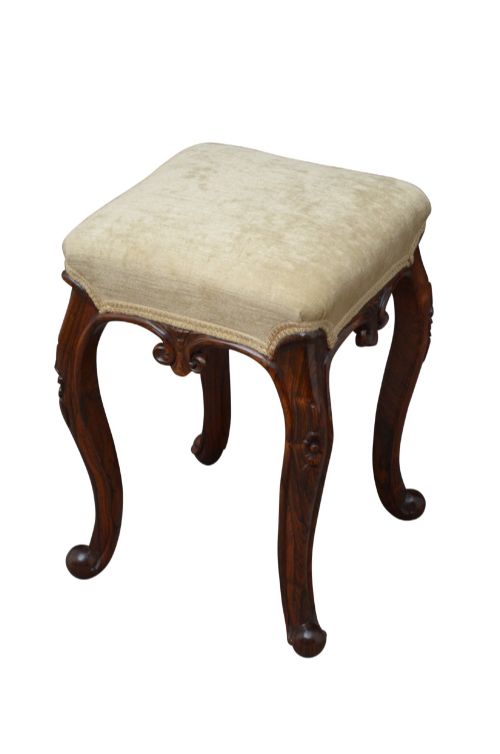
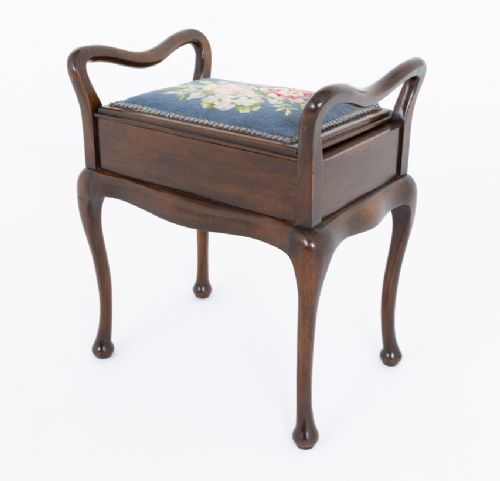
Cabinet makers utilised dense hardwoods such as mahogany, rosewood, walnut, and goncalo alves, often shaping them with cabriole legs, turned supports, or carved details. Metal mechanisms in brass and iron allowed for the rise-and-fall or revolving actions essential for adjusting player height.
Seats featured upholstery finished in fabric, velvet, or leather, sometimes concealing hinged storage boxes for sheet music inside the bench.
Wood Piano Stool Retail Price Guide 2026
Typical asking prices for wood piano stool among the pieces listed under this phrase on Sellingantiques today, from the lower quarter to the upper quarter. They describe what is for sale here now, not the wider market.
Listings feature woods spanning mahogany, rosewood, walnut, goncalo alves, and padouk, alongside cast iron and brass hardware.
What varies in quality
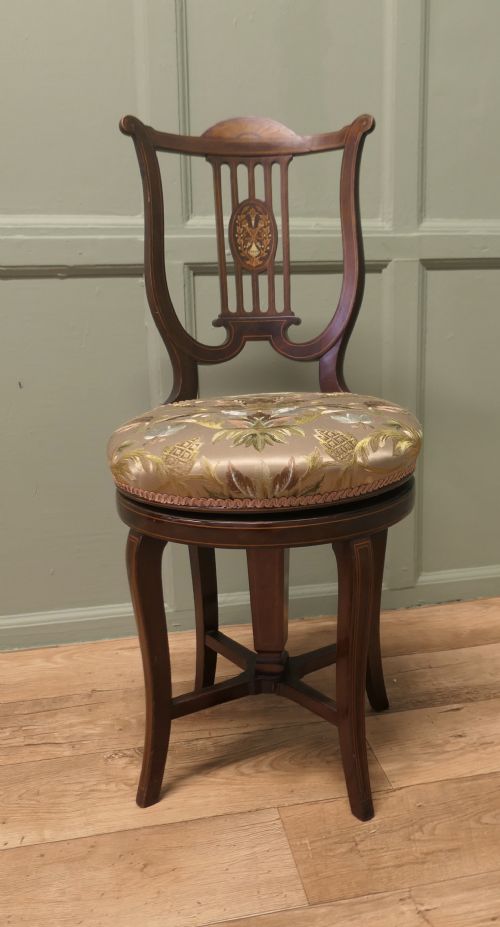
Quality rests in the smoothness of the mechanical adjustment and the integrity of the timber framing. Superior pieces display crisp carving on cabriole legs or lyre backs, alongside robust swivel screws that operate without wobble.
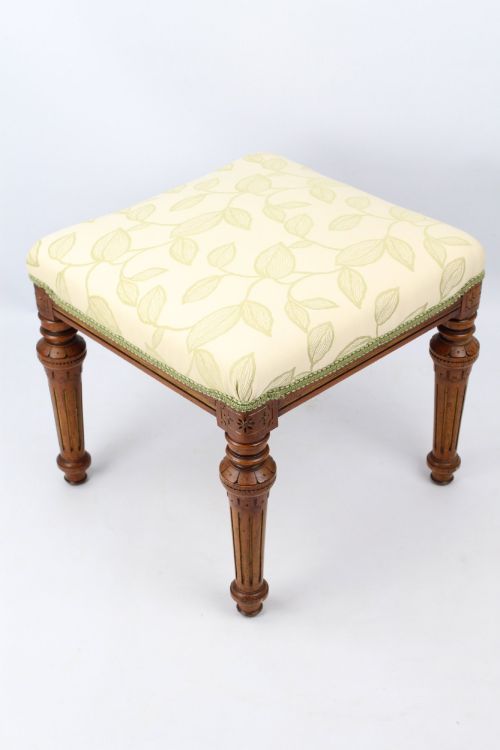
Lesser examples show simpler turned legs without adjustment mechanisms, relying on fixed heights and basic joinery.
Jennens & Bettridge·Gillows
The Wood Piano Stool Glossary
- Revolving piano stool
- A seat featuring a threaded spindle or swivel mechanism allowing the player to spin and alter seating height.
- Rise and fall stool
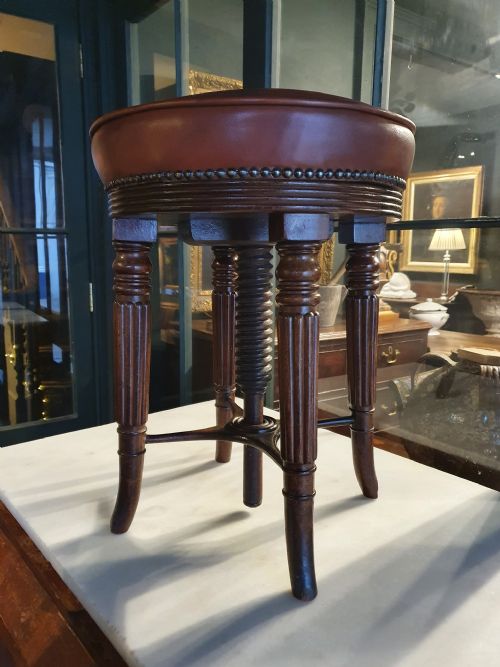
- A music seat incorporating a mechanical screw mechanism operated by handles or by turning the top itself to adjust height.
- Duet stool
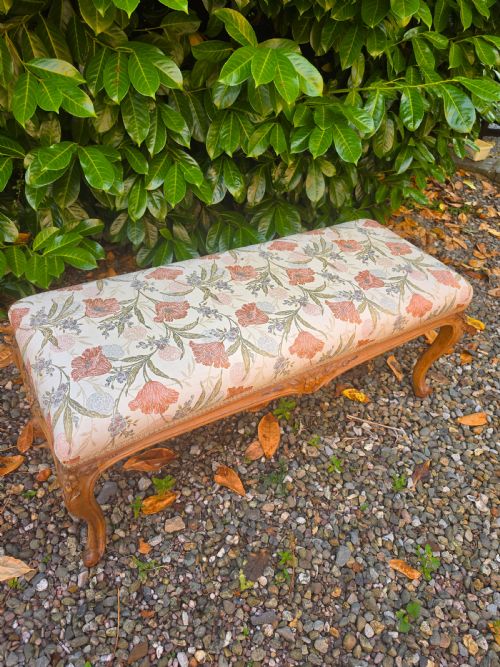
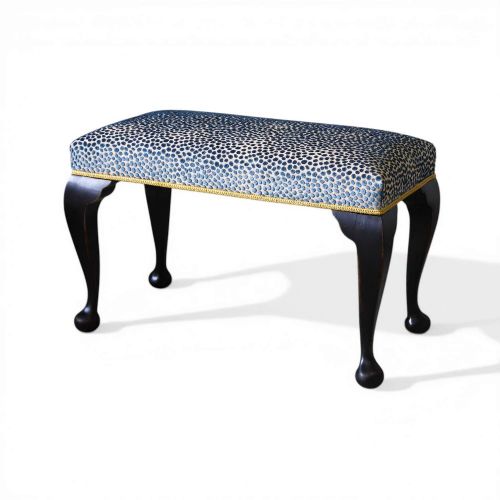
- An elongated piano bench designed to accommodate two players side by side, often housing a hinged seat compartment for music scores.
- Cabriole leg
- A furniture leg that curves out and then tapers inward, common on Victorian and Georgian seating.
- Goncalo Alves
- A dense exotic hardwood sometimes utilised in high-end Victorian cabinet making for distinctive figuring.
Wood Piano Stool: Frequently Asked Questions
How do adjustable piano stools work?
Adjustable models use a central wooden or metal screw mechanism hidden beneath the seat. Turning the top clockwise or anti-clockwise raises or lowers the sitting height.
Some Victorian examples incorporate a side handle or leverage system to lift the platform smoothly before locking it into position.
What is the difference between a music chair and a piano stool?
Music chairs typically feature a backrest, such as a lyre-shaped or harpist design, providing lumbar support during long playing sessions.
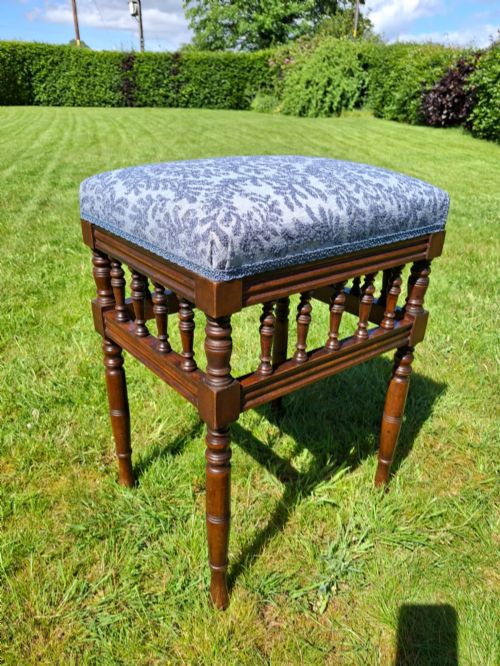
Stools generally offer a backless seat, either round or rectangular, allowing freedom of movement across the keyboard.
Can I use a piano stool as a dressing table seat?
Many period piano stools adapt well to dressing tables, particularly swivel or adjustable height models originally intended for multiple domestic uses.
Their compact footprints and upholstered tops fit neatly beneath bedroom vanities while offering convenient seat height adjustments.