



Wood Panel Fine Art
These wood panel fine art pieces offer enduring historical depth through oil paint and carved oak.
Wood Panel Fine Art
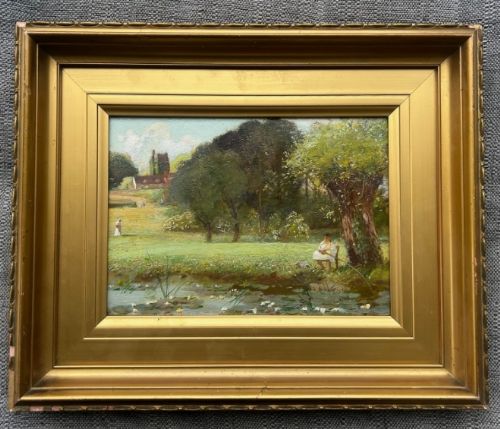
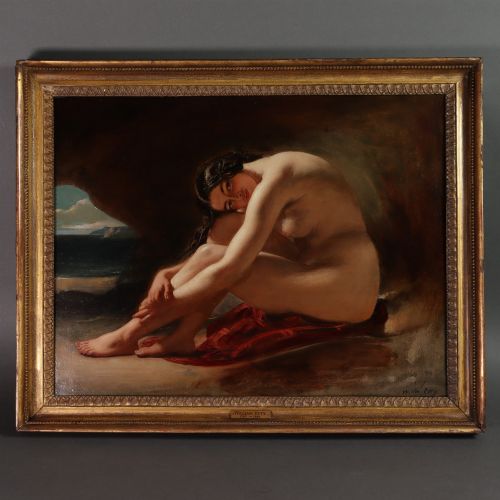
When you search for wood panel fine art, you encounter a curated selection of oil paintings, carved wall reliefs, and decorative plaques spanning multiple centuries. These works range from seventeenth-century portraits and high baroque carvings to early twentieth-century Scottish landscapes and French genre scenes.
The pieces on this page appear on rigid wooden supports rather than stretched canvas, utilising oak panels and various native woods. Subjects include Highland cottages, classical figures, botanical landscapes, and historical interiors from British, French, Flemish, and Italian traditions.
Materials and construction methods
Artists painted directly onto prepared wood panel supports using oil paint, frequently building rich surfaces upon layers of gesso and sometimes incorporating gold leaf. Carved works utilise dense timber such as oak, shaped with chip carving and sculptural relief techniques.
The rigidity of the wood panel protected the paint layer from the flexing that affects canvas over generations. Joinery and grain selection governed the stability of these panels, preventing the warping that threatens thinner boards.
A seventeenth-century Dutch mangle board hides domestic laundry duties behind intricate chip carving meant to bring good fortune to the household.
Distinctions in craftsmanship and preservation
Quality rests in the finesse of the brushwork or the crispness of the chisel work, distinguishing master portraitists and skilled carvers from provincial artisans. Finer pieces demonstrate confident handling of light, shadow, and anatomical detail.
Condition and original surface integrity separate superior examples from heavily restored ones. The stability of the wood support and the preservation of the early oil pigment or carved relief determine the enduring merit of each piece.
Tom Campbell·Sir David Murray·William Etty·Hans Temple·Théophile Emmanuel Duverger
The Wood Panel Fine Art Glossary
- Oil on panel
- A painting technique executed on a rigid wooden support rather than canvas. This method provides a smooth, stable ground for detailed brushwork.
- Gesso
- A plaster-like mixture applied to wooden panels to create a smooth, absorbent surface for painting. It prepares the timber to receive oil pigments.
- Chip carved
- A style of carving where small chips are removed from a wooden surface to form geometric patterns or pictorial designs. It creates distinct faceted relief.
- High Baroque
- An ornate artistic style originating in the seventeenth century, characterised by dramatic movement and deep relief carving. It emphasises theatricality and emotional intensity.
- Folk art
- Utilitarian objects and decorative pieces created by self-taught or traditional makers outside the formal academic tradition. These items often possess rustic charm and regional character.
Wood Panel Fine Art: Frequently Asked Questions
Why did artists paint on wood panels instead of canvas?
Wood panels provided a completely rigid and durable ground that did not sag or flex over time. Painters valued this stability for achieving meticulous detail and smooth blended finishes.
Panels remained the preferred support for many artists well into the seventeenth century before canvas gained widespread dominance due to its portability and lower cost.
How should I care for antique wood panel art?
Display these pieces away from direct sunlight, heating vents, and damp environments to protect both the wood and the oil paint. Stable indoor humidity prevents the timber from expanding or contracting.
Avoid applying modern cleaning products or water to the painted or carved surfaces. Dust the piece gently with a soft, dry brush as needed.
How can I identify the period of a carved wooden panel?
Examine the tooling marks, joinery methods, and wood species to determine the likely era of manufacture. Seventeenth-century pieces often display hand-adzed surfaces and dense oak construction.
Stylistic motifs such as strapwork, chip carving, or high baroque ornamentation offer further clues regarding date and regional origin.
What subjects are common in antique wood panel paintings?
Portraits of nobility and gentry frequently appear on early panels, capturing detailed attire, jewels, and lace. Landscapes, domestic scenes, and mythological subjects became more prevalent in later centuries.
Artists also utilised panels for allegorical works and genre paintings depicting everyday rural life.