


Antique Oil Portrait Narrative
An antique oil portrait narrative captures a story on canvas, offering a glimpse into domestic life, history, and romance.
Antique Oil Portrait Narrative
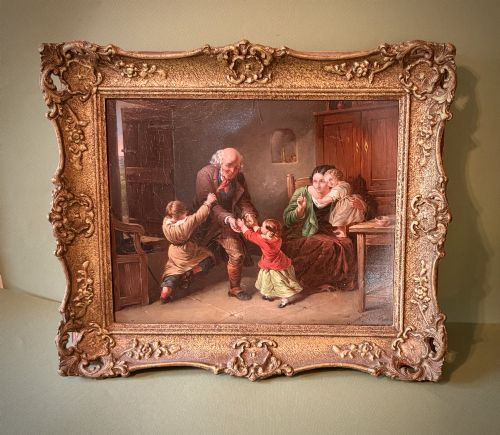
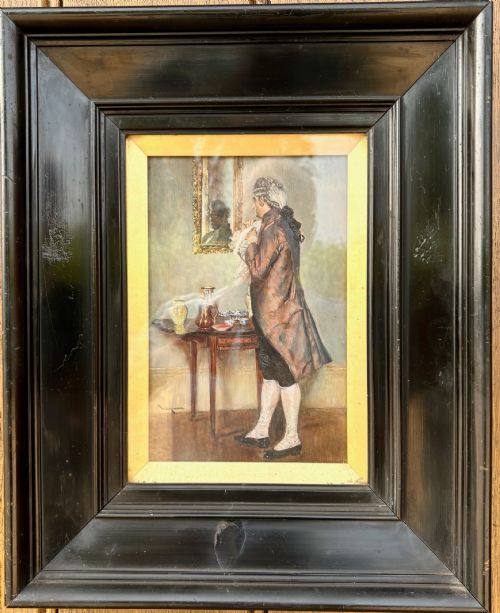
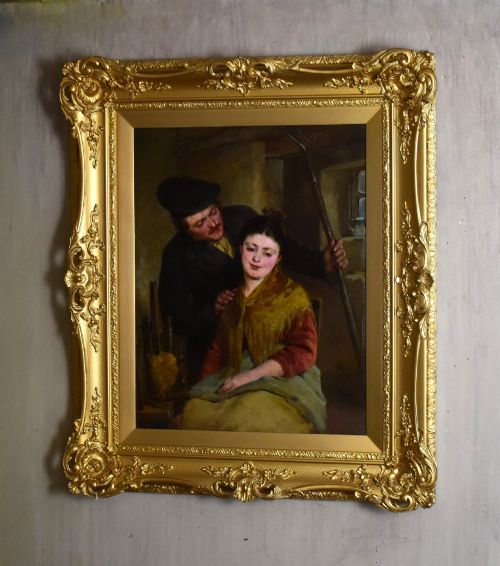
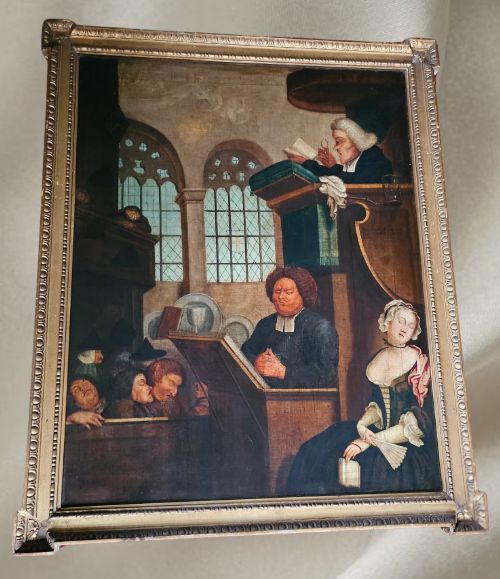
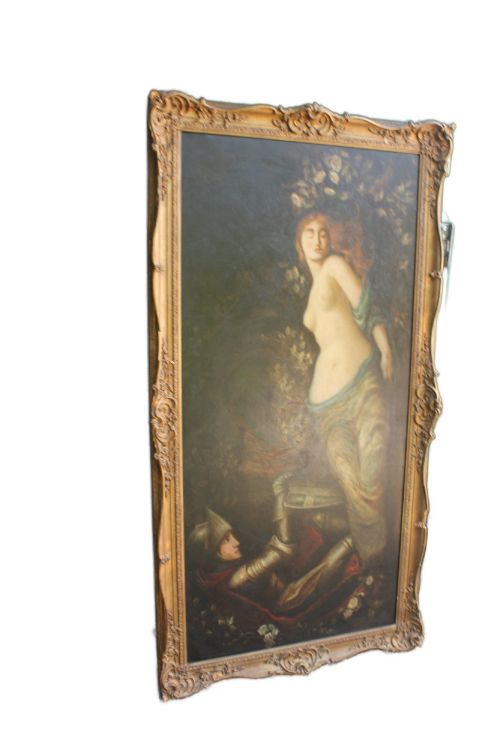
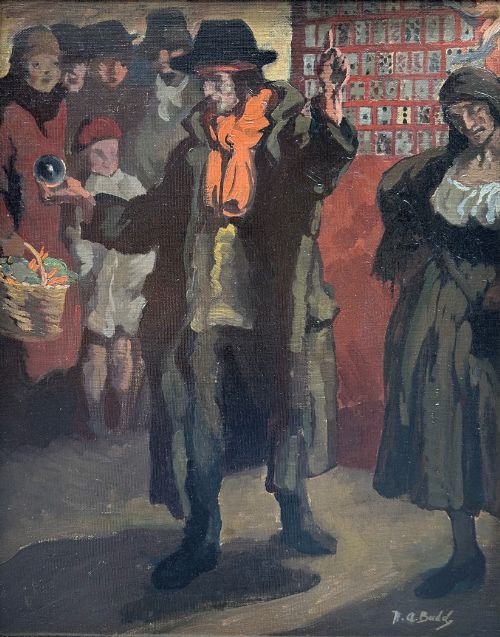
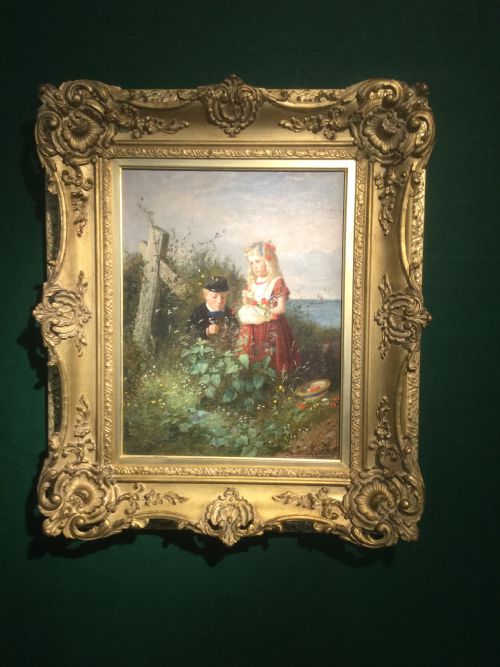
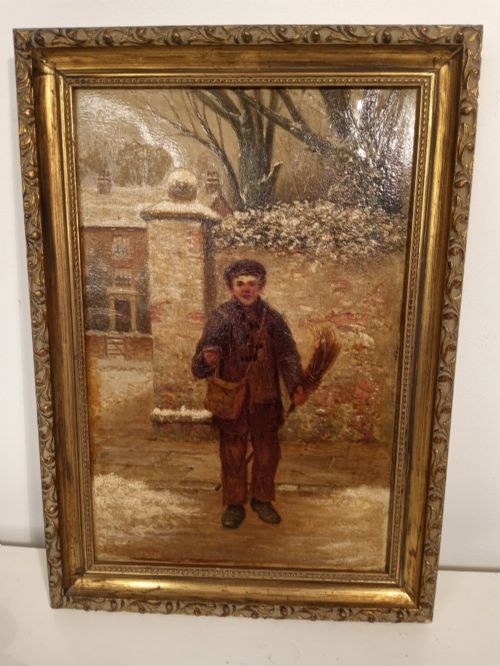
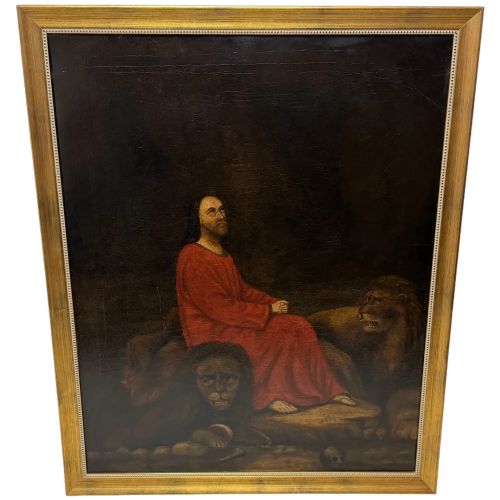
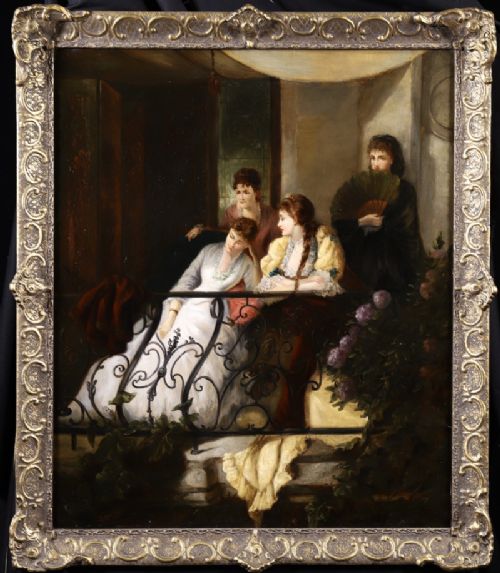
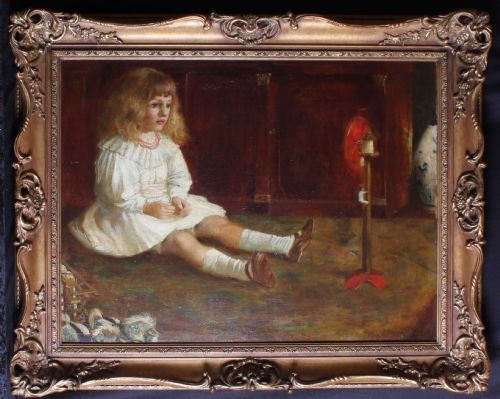
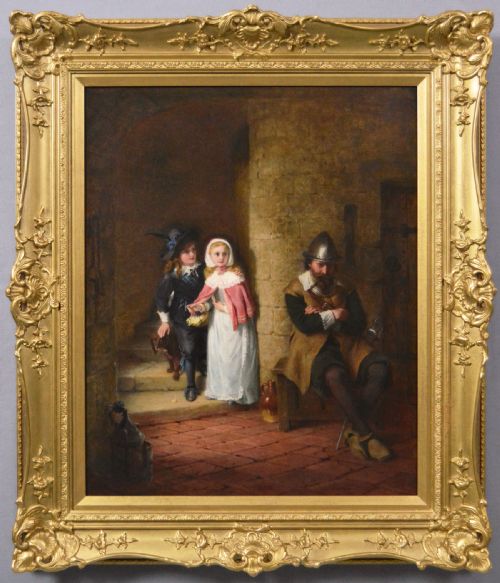
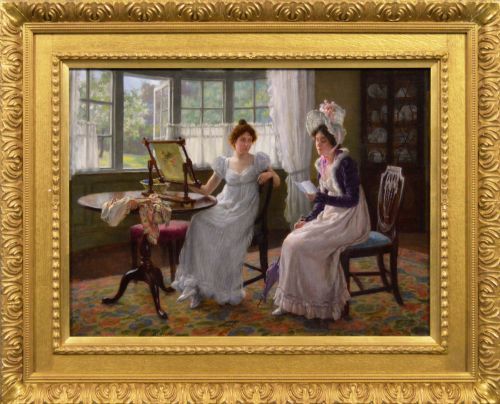
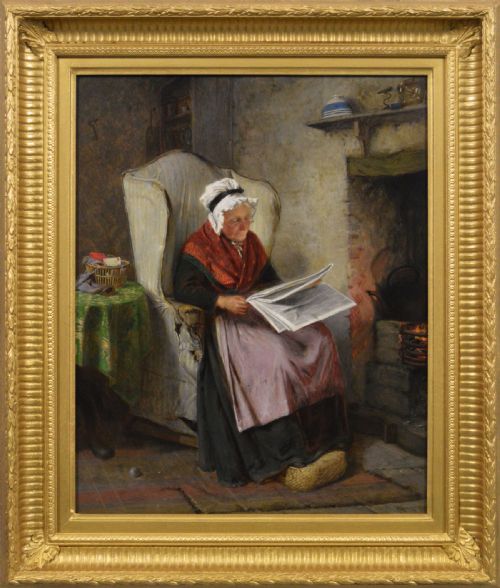
An antique oil portrait narrative presents figures engaged in a specific story, scene, or domestic interaction rather than a static pose. These works combine portraiture with genre painting or historical subjects, capturing moments of everyday life, literature, or biblical events.
The selections available here span from the Georgian period through the Victorian era and into the early twentieth century. Common forms include framed oil paintings on canvas, board, and panel, often depicting figures in domestic interiors or pastoral settings.
Buyers will encounter works by named artists and regional schools working within nineteenth-century realism, Pre-Raphaelite circles, and Victorian genre painting. The focus rests firmly on human interaction and narrative depth.
How They Were Made
These works rely primarily on oil paint applied to stretched canvas, wooden panels, or copper plates. Painters built up compositions using layered pigments to achieve depth in drapery, flesh tones, and interior shadow.
Frames form an integral part of the physical object, frequently constructed from giltwood, carved wood, or burr maple. The joinery and ornamentation of the framing often reflect the prevailing style of the painting's period.
Materials span oil on canvas, wood panels, copper plates, and giltwood frames across the nineteenth and early twentieth centuries.
What Varies in Quality
Compositional ambition and the rendering of human expression separate the finest examples from standard studio production. Masterful brushwork captures narrative tension and psychological nuance effectively.
The preservation of the paint surface and the originality of the mounting influence the standing of a piece. Intact nineteenth-century frames and stable grounds maintain the integrity of the artwork.
Howard Helmick·Herbert Ashwin Budd·Charles Hunt·Charles Haigh Wood·Haynes King·Charles Burton Barber·James Kyd·Thomas Hicks·William Arthur Breakspeare·Alfred Holst Tourrier·Frank Hyde·John Henry Dell·Ralph Hedley·Andrew Young·Hans Temple·Rolinda Sharples·Charles Sillem Lidderdale·Christoffel Bisschop·John Ritchie·Pompeo Massani·Edmund Alphonse Andre·James Bertrand·Abraham Cooper·Wilhelm Alexander Meyerheim
The Antique Oil Portrait Narrative Glossary
- Genre painting
- A style depicting scenes from everyday life, typically involving ordinary people in domestic or public settings. These works focus on narrative rather than formal portraiture.
- Oil on panel
- A technique where oil paint is applied to a prepared wooden board rather than canvas. Panels provide a rigid support that prevents the cracking often seen in aged fabric.
- Pre-Raphaelite
- An artistic movement characterised by detailed depiction, intense colours, and complex literary or biblical narratives. Works in this style draw inspiration from Italian art prior to Raphael.
- Giltwood
- Wood that has been coated with a thin layer of gold leaf or gold paint. This finish is commonly found on traditional frames enclosing nineteenth-century canvases.
- Provenance
- The documented history of ownership of an artwork. A clear record helps establish authenticity and attribution to specific painters.
Antique Oil Portrait Narrative: Frequently Asked Questions
What is a narrative oil portrait?
A narrative oil portrait tells a specific story involving one or more figures, moving beyond a simple likeness to capture an event, emotion, or interaction.
These pieces often depict domestic rituals, literary scenes, or historical moments set within detailed interior or landscape backgrounds.
How do I identify a Victorian narrative painting?
Victorian narrative works typically feature clear moral lessons, sentimental domestic scenes, or theatrical historical events rendered in realistic detail.
Examining the canvas preparation, framing style, and artist signatures helps place the work securely within the nineteenth century.
Where should I hang an oil painting?
Oil paintings on canvas or panel require stable environmental conditions away from direct sunlight and excessive humidity. Maintaining a consistent room temperature protects both the paint layer and the wooden support.
Positioning the piece at eye level in a principal room allows the narrative details and brushwork to be appreciated fully.
Are these paintings signed by the artist?
Many nineteenth-century works bear the artist's signature or monogram, often located discreetly in a lower corner of the canvas. Some pieces include period labels on the reverse detailing the title and creator.
Attributions are also made through stylistic comparison and historical exhibition records when direct signatures are absent.