
Wood Marquetry Cabinet
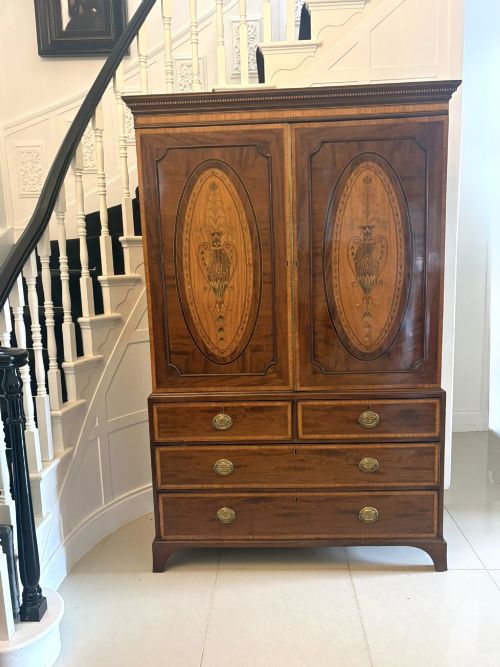
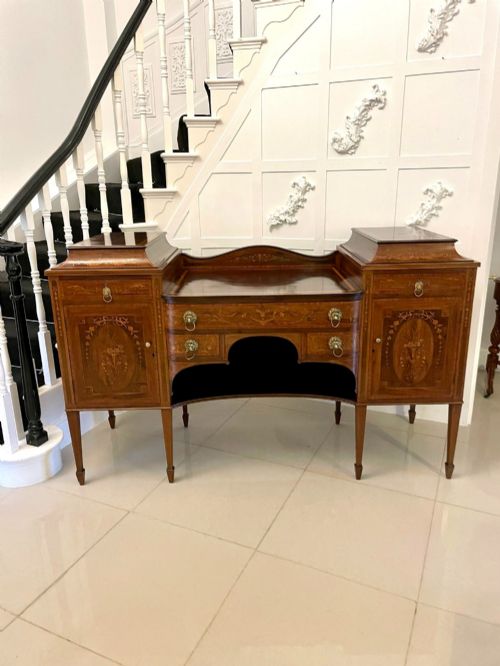
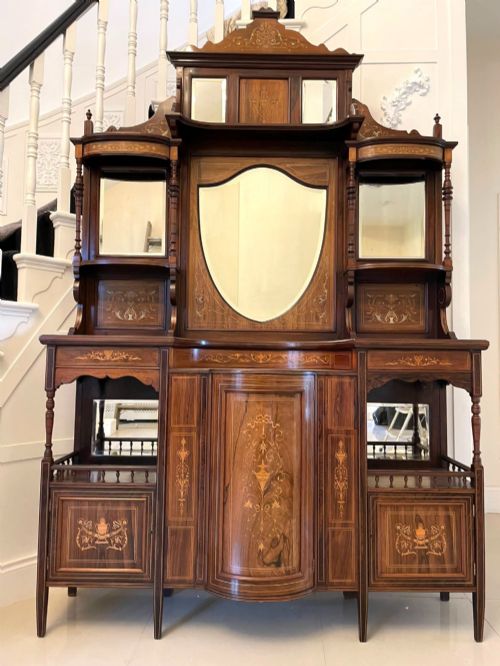
A wood marquetry cabinet brings patterned timber surfaces into a room, offering storage built with complex decorative veneers.
Wood Marquetry Cabinet
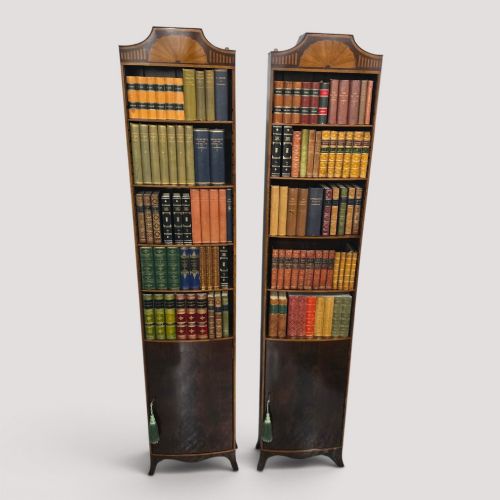
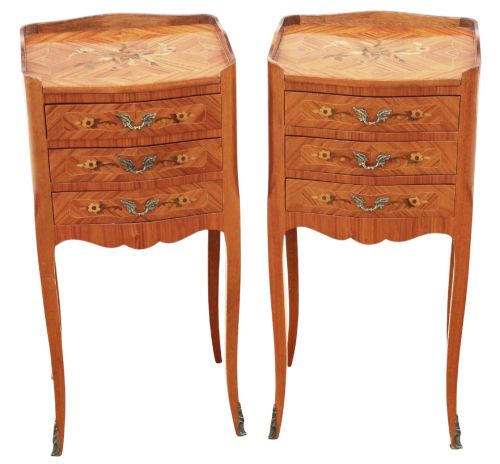
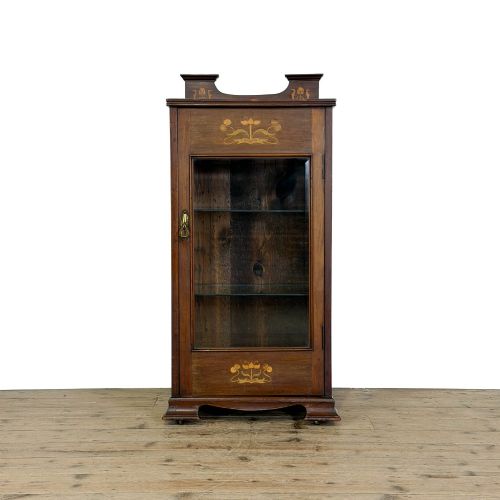
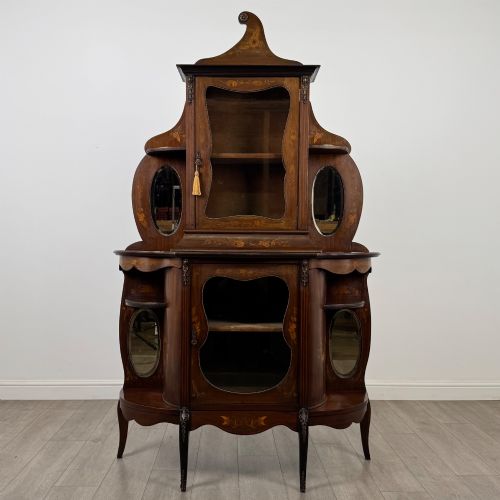
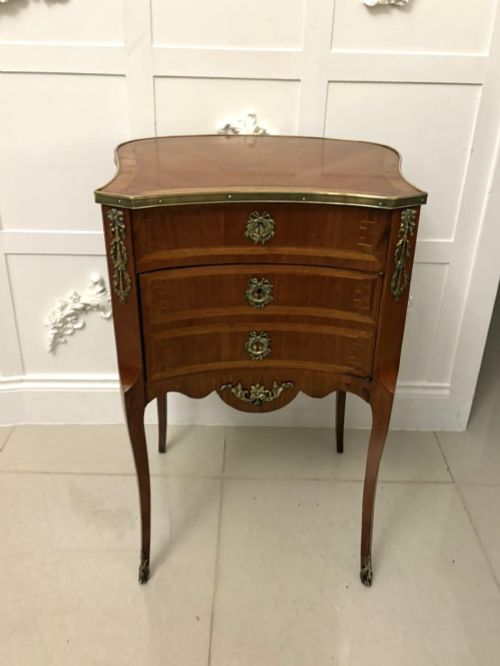
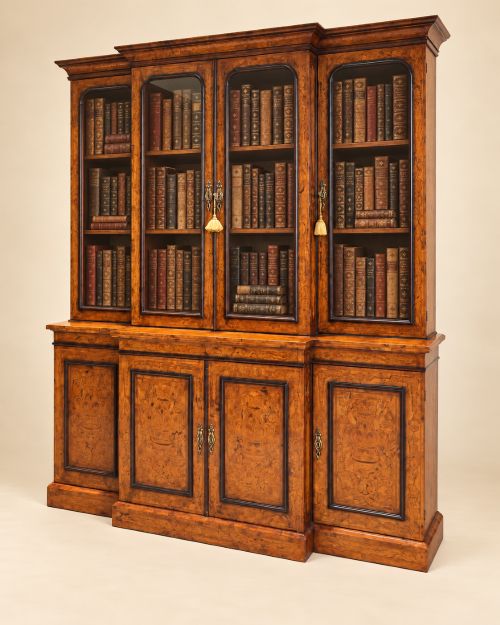
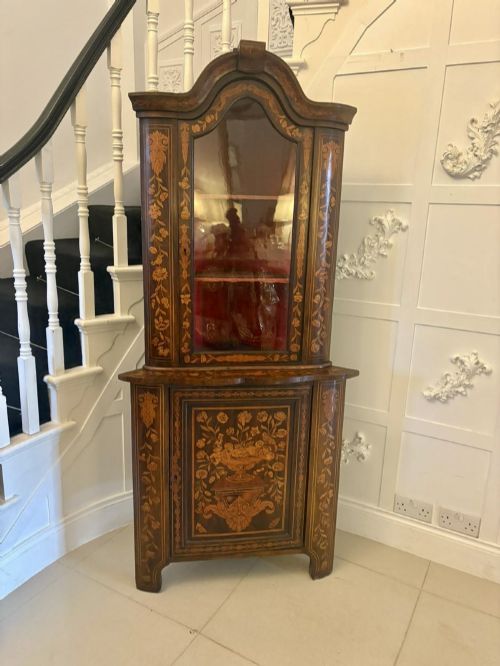
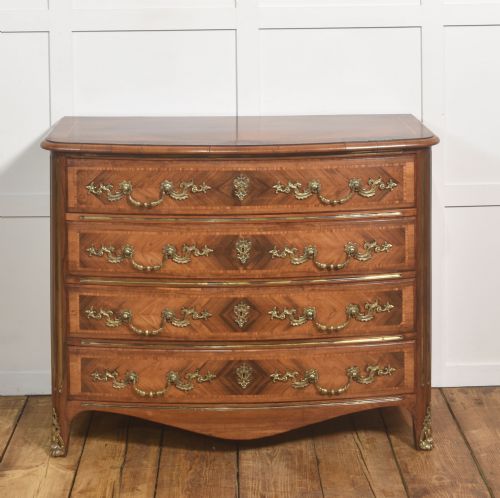
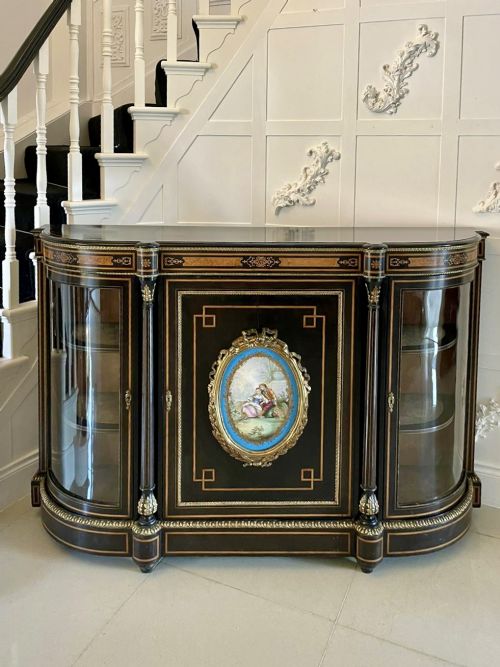
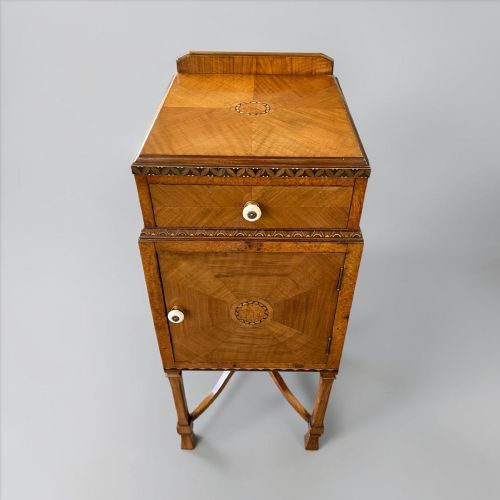
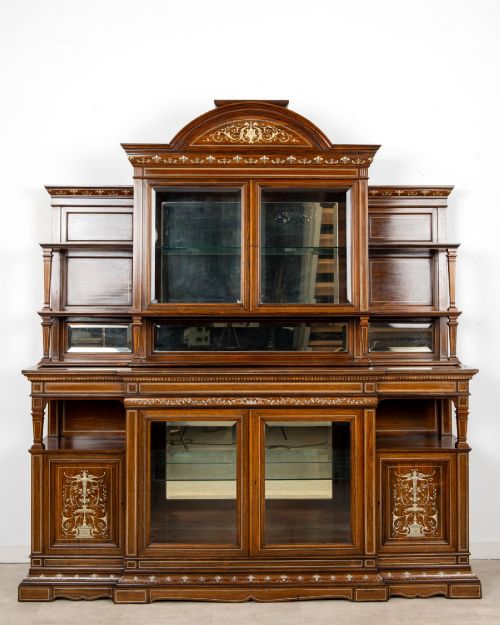
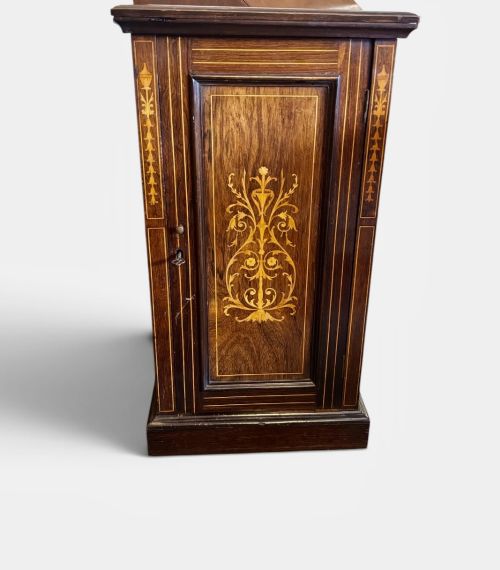
When searching for a wood marquetry cabinet, buyers encounter diverse forms ranging from French vitrines and side cabinets to corner cupboards, bedside tables, and larger sideboards. Pieces emerge primarily from Victorian, Edwardian, and nineteenth-century periods, alongside eighteenth-century Dutch examples and twentieth-century revival works.
Display cabinets and side cabinets dominate the selection, often incorporating glazed doors, serpentine fronts, or marble tops. Smaller bedside versions and cabinets on stands appear frequently, demonstrating how makers applied decorative wood veneers across various domestic scales and room functions.
Determinants of quality
Excellence in these pieces rests on the precision of the veneer cutting and the harmonious selection of contrasting woods. Finer examples display seamless integration between the pictorial marquetry and the underlying carcase timbers, with natural grain variations used deliberately to create depth and shadow.
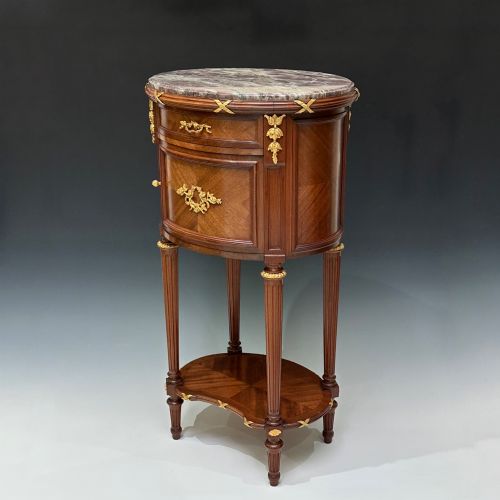
The sophistication of the secondary mounts, such as fire-gilt ormolu or finely chased brass, separates standard production from exceptional studio work. Structural integrity in the joints and the crispness of the surrounding wood framing further distinguish higher-tier output from simpler utility items.
Listings feature periods spanning from the seventeenth-century Baroque era through Victorian and Edwardian revivals up to twentieth-century Art Deco.
Hewetsons London·Collinson and Lock·François Linke·Maison Krieger·Edward Holmes Baldock·Waring and Gillow·Edwards and Roberts·Shapland and Petter
The Wood Marquetry Cabinet Glossary
- Marquetry
- The art of applying decorative pieces of veneer to a structural carcase to form geometric patterns or pictorial designs. This technique relies on precision cutting of various coloured timbers.
- Vitrine
- A glass-fronted display cabinet designed specifically for showing porcelain, glassware, or small decorative objects. These often feature slender framing to maximise visibility.
- Ormolu
- Gilded bronze mounts and decorative trimmings applied to furniture frames and corners. Makers utilised this metalwork to accent the edges of fine cabinets.
Wood Marquetry Cabinet: Frequently Asked Questions
How do I care for a marquetry cabinet?
Keep the wood away from direct sunlight and steady heat sources to prevent the delicate veneers from drying out or lifting from the carcase. Regular dusting with a dry, soft cloth preserves the polished finish without introducing moisture to the fine joints.
Apply specialised furniture wax sparingly, only when the timber appears dull, buffing gently along the grain. Avoid chemical sprays or silicone polishes that can penetrate old finishes and degrade the underlying adhesives.
Where were these cabinets placed originally?
Drawers and side cabinets traditionally stood in formal reception rooms, dining spaces, or parlours to hold tableware, linens, or documents. Display versions and vitrines occupied prominent wall spaces where hosts could exhibit valuable collections.
Bedside cabinets and smaller tables served private chambers for personal storage and lighting. Corner cupboards utilised awkward architectural angles to provide display space in domestic interiors.
What defines the French Louis XV style here?
French Louis XV style cabinets feature flowing serpentine fronts, bombé curves, and cabriole legs that soften the overall rectangular silhouette. Makers emphasised asymmetry and organic movement through elaborate floral marquetry panels.
Ormolu mounts frequently frame the corners and apron of these pieces, echoing the rococo aesthetic. Kingwood and tulipwood veneers predominate in this tradition, creating warm colour variations.
How do I distinguish eighteenth-century Dutch pieces?
Eighteenth-century Dutch marquetry cabinets display dense, highly detailed floral and bird motifs executed in contrasting fruitwoods against dark walnut grounds. The overall composition often covers the entire exterior surface, including the sides and interior doors.
These works frequently take the form of bombé chests, tall wall cabinets, or corner cupboards with robust proportions. Pewter inlay occasionally reinforces the floral outlines, setting them apart from later English interpretations.