


Wood Longcase Clock
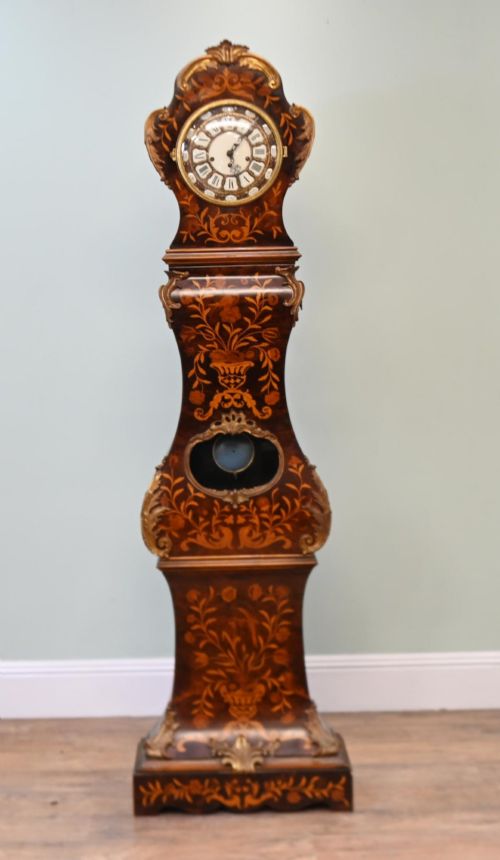
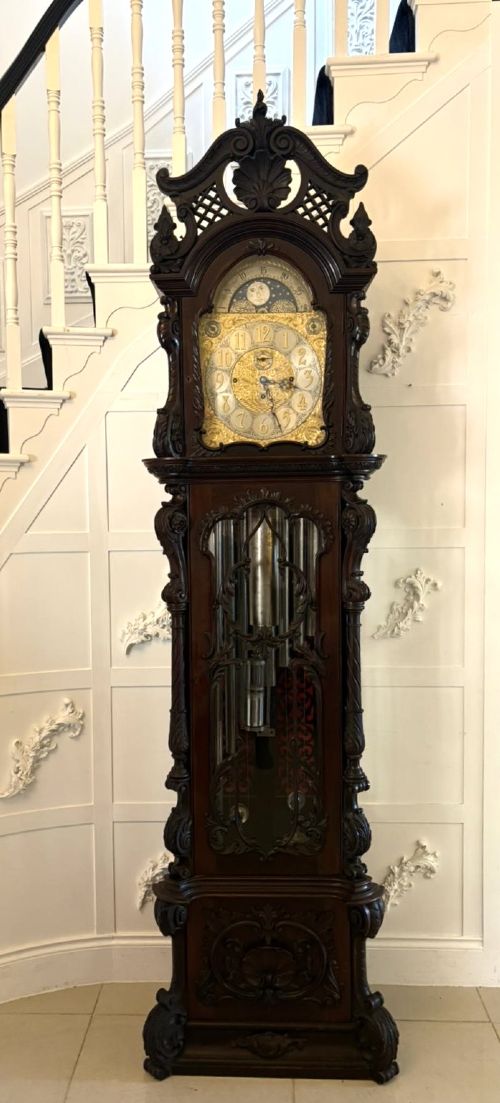
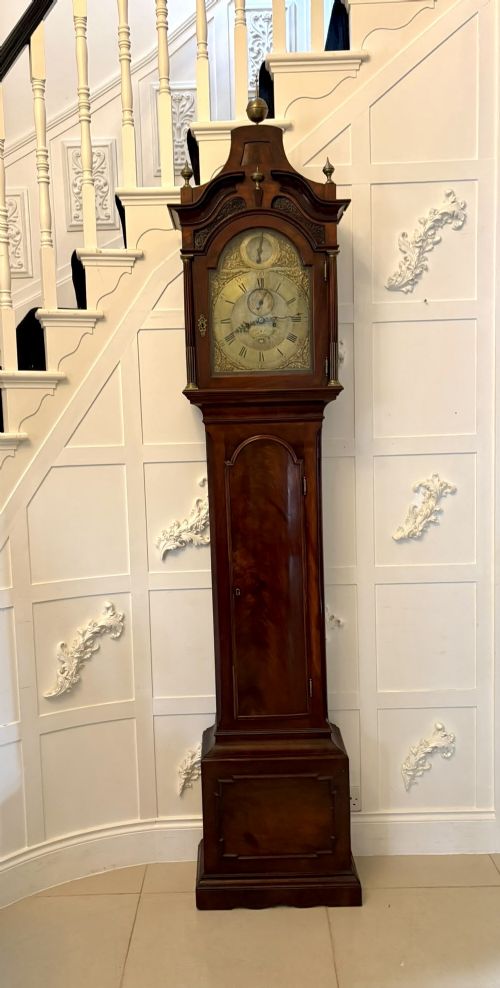
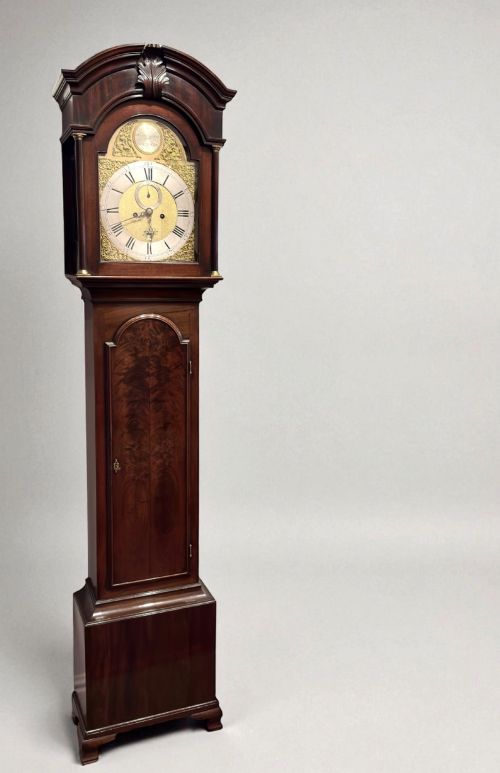
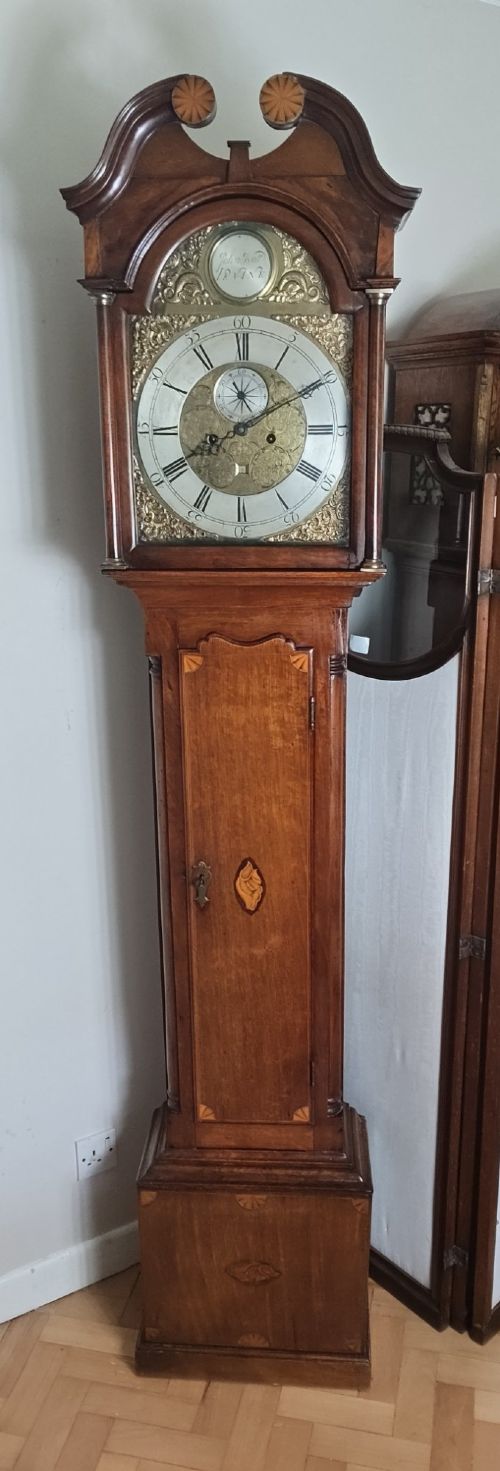
A wood longcase clock stands tall in a room, measuring time through swinging pendulums and weight-driven movements housed within stately timber cases.
Wood Longcase Clock
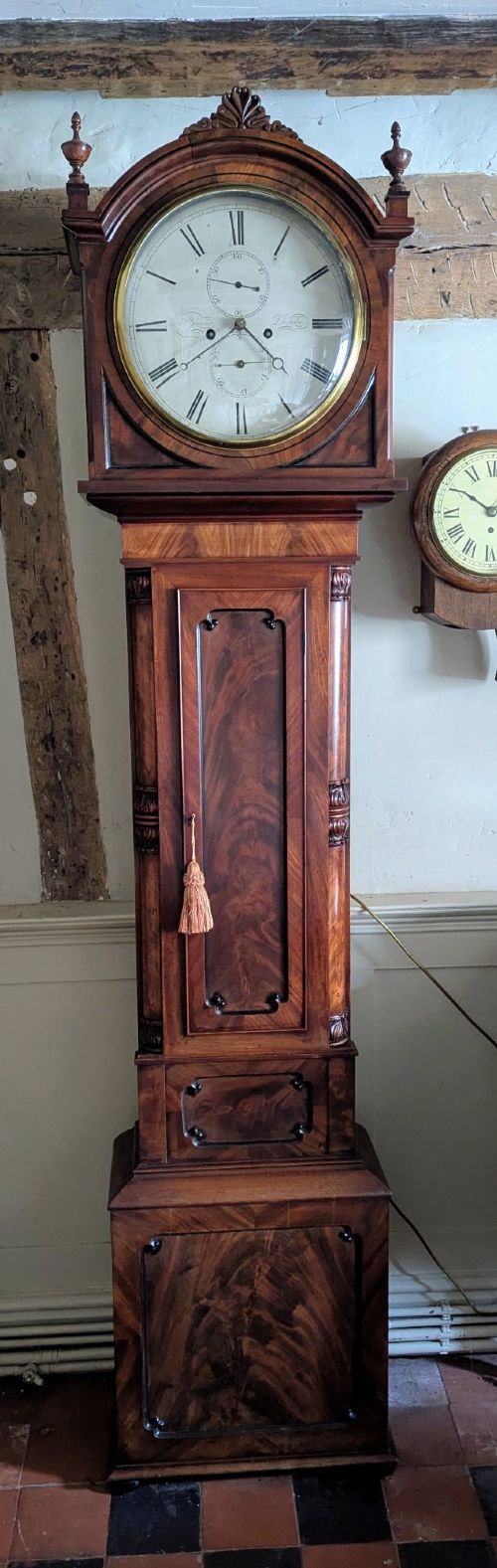
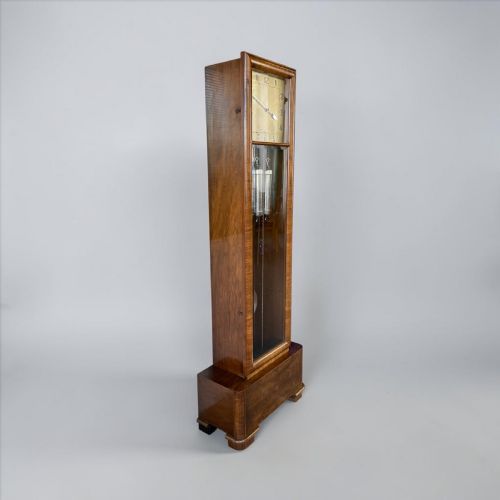
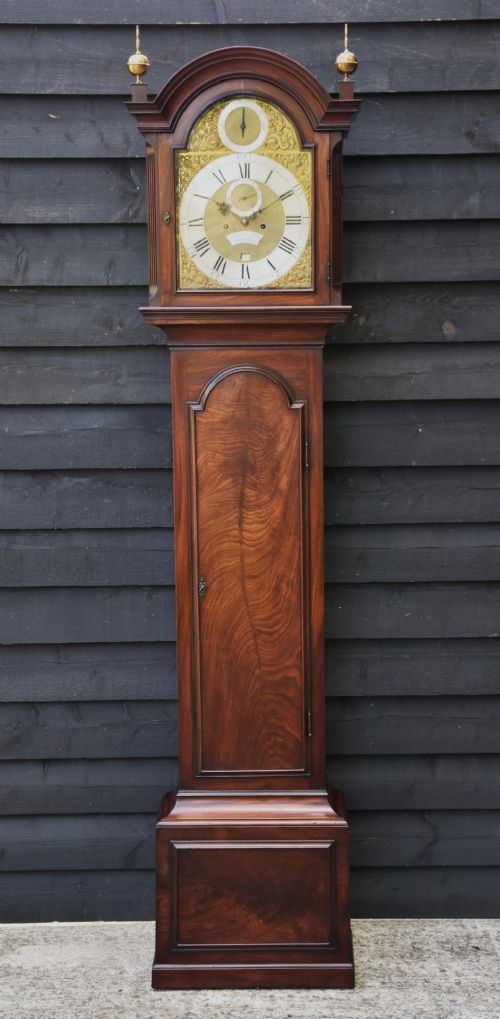
A wood longcase clock combines functional timekeeping with architectural cabinetry, standing upright on the floor to enclose the dial, movement, and weights. These tall floor clocks appear across multiple eras, ranging from early Georgian examples to later Victorian and Edwardian iterations.
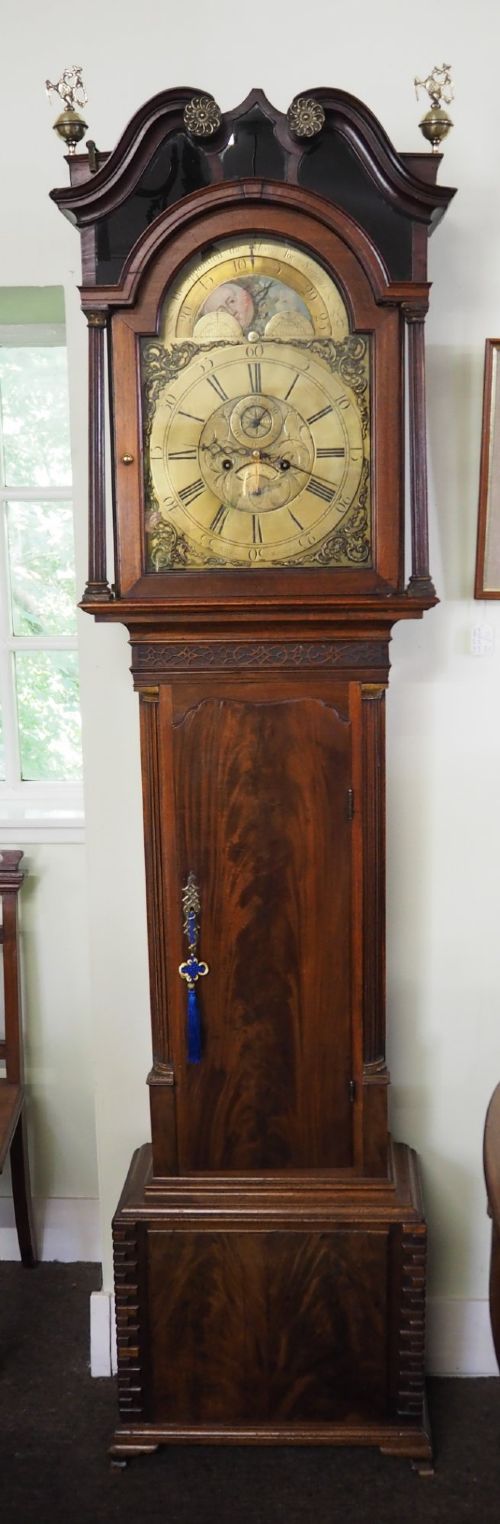
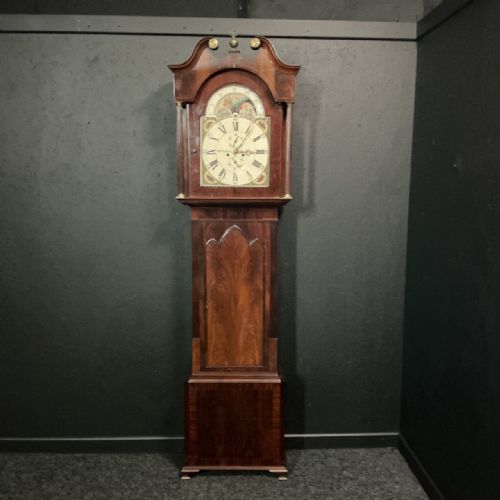
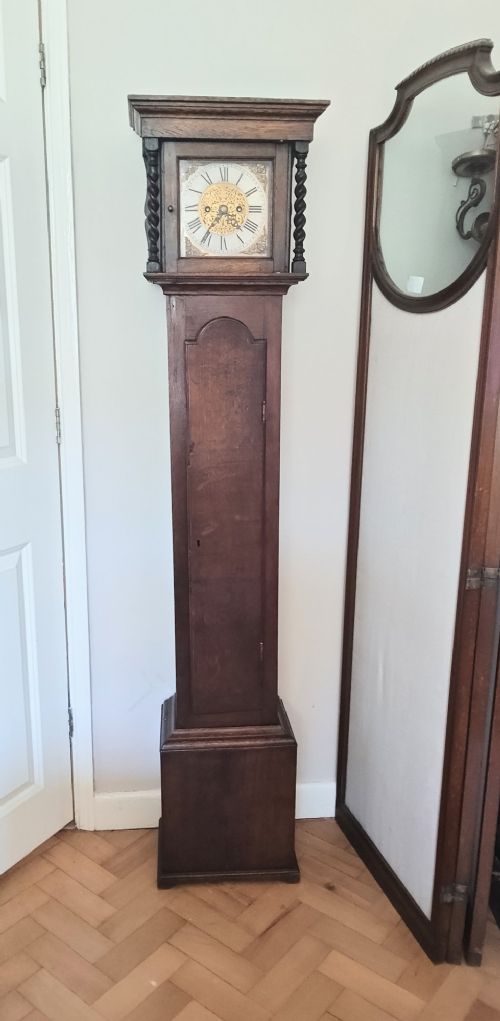
The versions met most frequently on this page feature mahogany, oak, or walnut timber cases. Makers housed eight-day movements, moonphase dials, and striking mechanisms within these tall wooden housings, creating practical household timepieces that also served as principal furnishings.
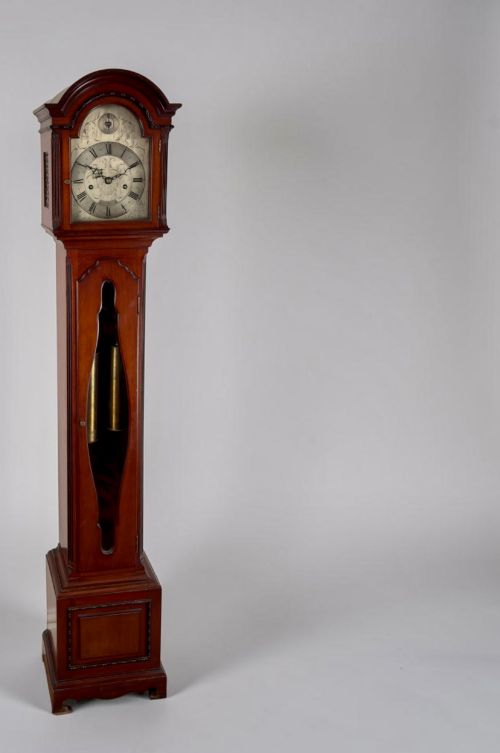
Beyond standard grandfathers, the evidence includes smaller grandmother clocks and domestic regulators. These variations offer the same vertical presence in more compact proportions, suiting different domestic scales while retaining traditional dial work and timber construction.
Materials and construction
Cabinetmakers constructed the tall cases primarily using mahogany, oak, and walnut, frequently selecting flame mahogany veneers and decorative paterae for enrichment. Glass protects the dial face within the hood, while brass and steel form the intricate gears, dials, and movement components.
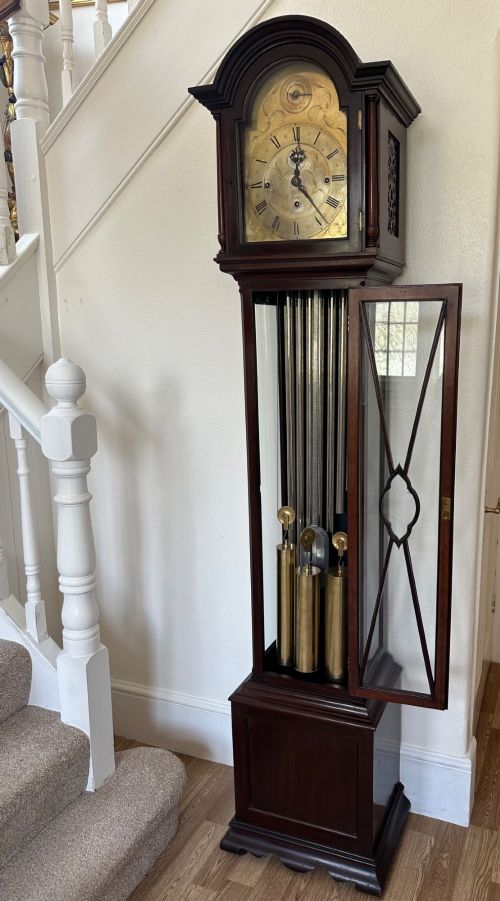
Clockmakers paired these timber housings with mechanical movements ranging from standard eight-day systems to complex musical and chiming apparatuses. Dials often incorporate brass chapter rings, painted moon rollers, and subsidiary hands driven by lead or iron weights suspended on cords or chains.
Wood Longcase Clock Retail Price Guide 2026
Typical asking prices for wood longcase clock among the pieces listed under this phrase on Sellingantiques today, from the lower quarter to the upper quarter. They describe what is for sale here now, not the wider market.
The documented timber selection spans solid oak, figured walnut, and rich mahogany veneers.
Assessing quality and craftsmanship
Quality reveals itself in the cabinetwork and the sophistication of the movement inside. Finer examples display carefully selected timber grains, such as figured walnut or flame mahogany, alongside crisply carved details and well-fitted hood doors.
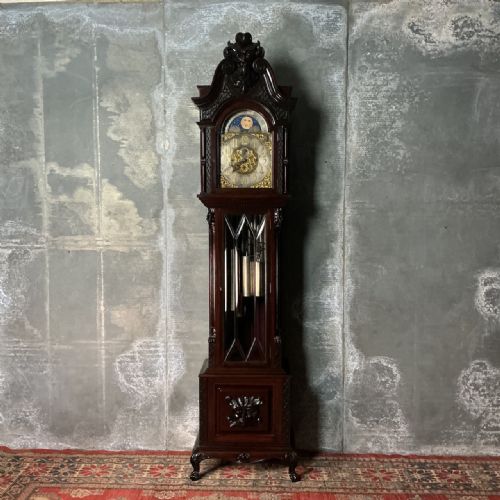
The distinction between standard and superior pieces also rests on the mechanical complexity of the movement. Nine-tube chiming systems, moonphase dials, and signed dial plates by noted regional makers elevate the horological significance of the clock.
John Taylor London·James Field of Hempstead·Samuel Kellett of Bredbury·William Jourdain·George Hallifax Of Doncaster·Edward Shepley of Manchester·Charles Dowsett Of Canterbury·John Denbigh, Merton Park
The Wood Longcase Clock Glossary
- Longcase clock
- A tall, weight-driven pendulum clock enclosed in a vertical wooden case. These floor-standing pieces are commonly known as grandfather clocks.
- Grandmother clock
- A smaller, more compact version of the traditional longcase clock. They were produced in the Edwardian and later periods for rooms with lower ceilings.
- Moonphase
- A dial mechanism that tracks the phases of the lunar cycle. This feature often appears on painted or brass arches above the main time dial.
- Eight day
- A movement type that requires winding once every week. Most traditional tall clocks utilise this system.
- Paterae
- Small, circular ornamental reliefs carved or inlaid into furniture surfaces. They frequently decorate the friezes and hoods of Georgian cases.
Wood Longcase Clock: Frequently Asked Questions
What is a wood longcase clock?
A wood longcase clock is a tall, floor-standing timepiece that houses a weight-driven pendulum movement inside a timber enclosure. These pieces combine mechanical horology with cabinetmaking.
They serve as both accurate timekeepers and substantial architectural furnishings within a room.
How do I wind a longcase clock?
Winding involves using a crank key to pull the hanging weights back up toward the top of the case. Each weight powers a different train within the movement.
Most traditional examples require attention once every week to keep the pendulum swinging.
Where should I place a longcase clock?
These clocks require a stable, level floor and a solid wall to anchor the tall wooden case safely. Placing them away from direct heat sources protects the timber.
Rooms with consistent ambient temperatures help maintain the accuracy of the pendulum.
How do I date a longcase clock?
Dating relies on examining the style of the wood case, the construction of the movement, and the signature on the dial. Cabinet timber choices shifted across different eras.
Inscribed names on the dial plate often point directly to the active working years of the maker.