
Wood Library Display Cabinet
A wood library display cabinet organises volumes behind glass while bringing architectural presence to a room.
Wood Library Display Cabinet
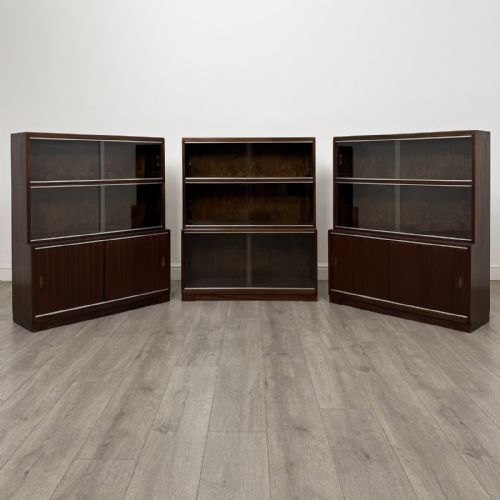
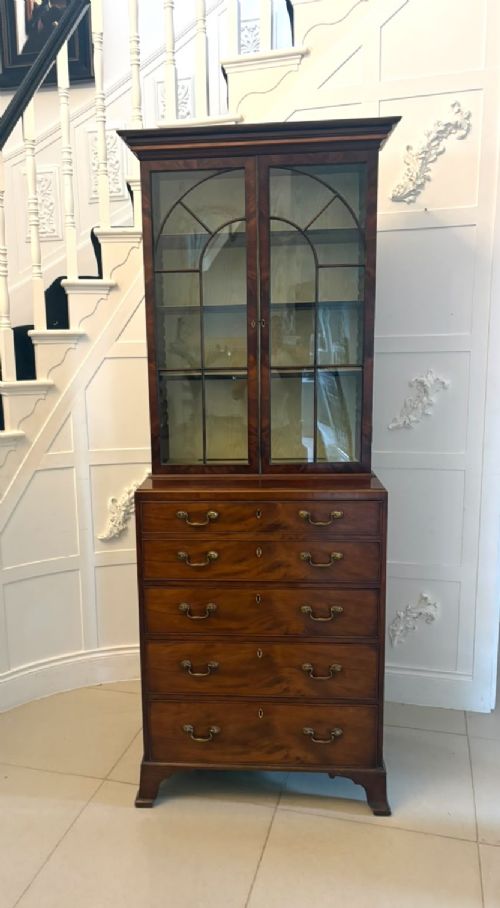
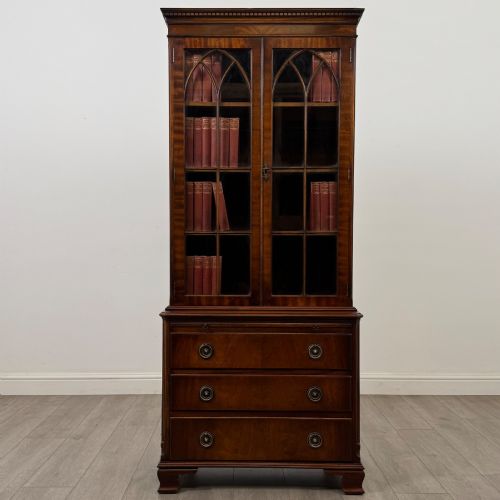
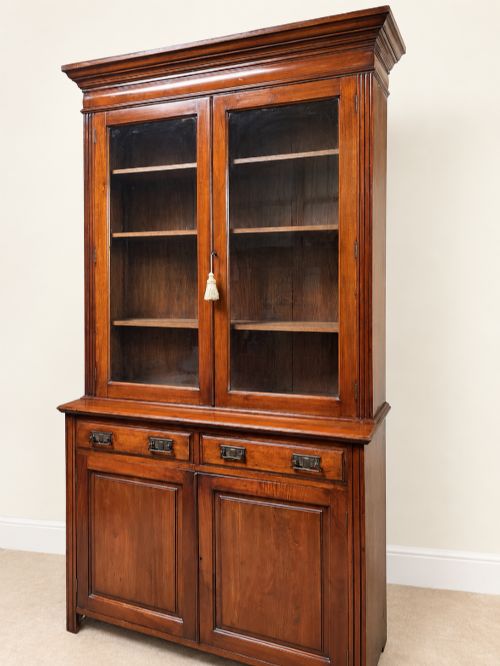
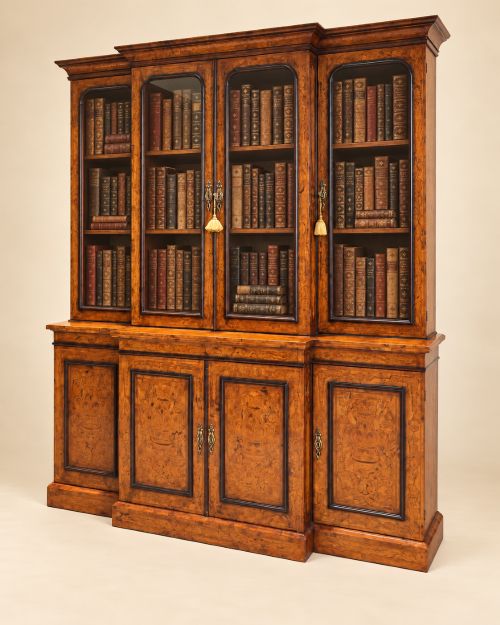
A wood library display cabinet is a storage piece designed to hold books and decorative items, appearing most frequently in mahogany, oak, and walnut across Victorian, Georgian, and Regency periods.
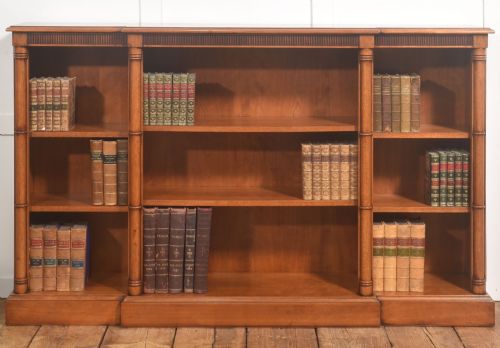
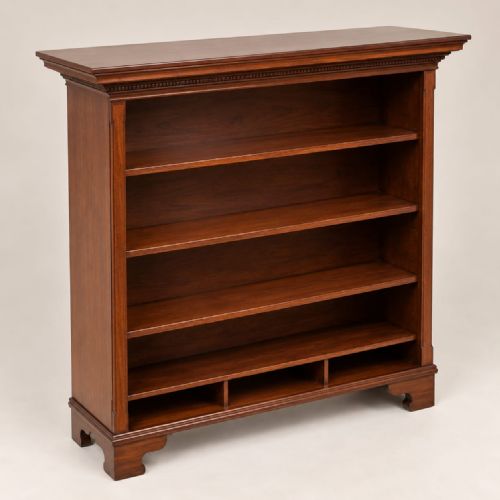
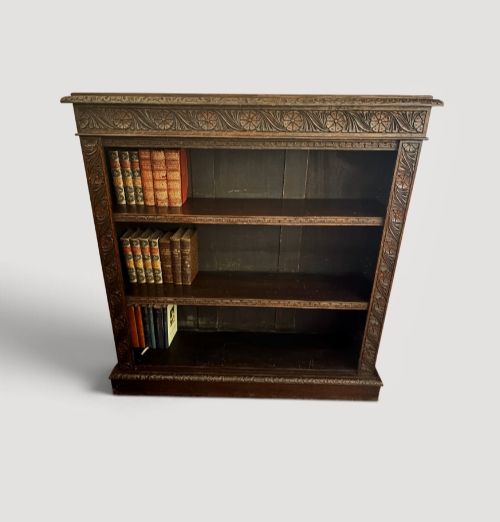
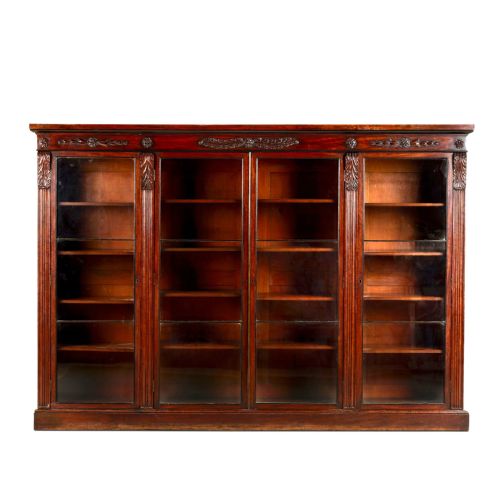
Buyers encounter open bookcases alongside glazed cabinets and breakfront forms, spanning periods from the nineteenth century through to the early twentieth century.
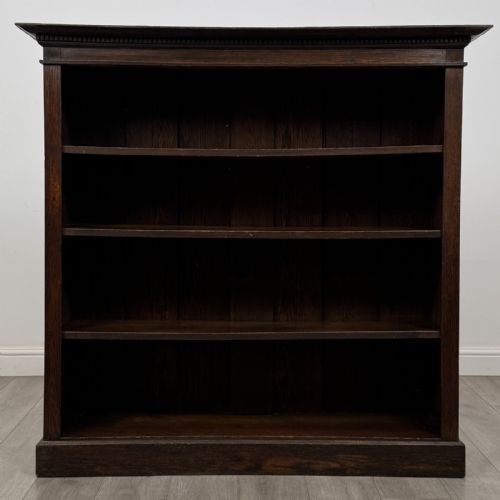
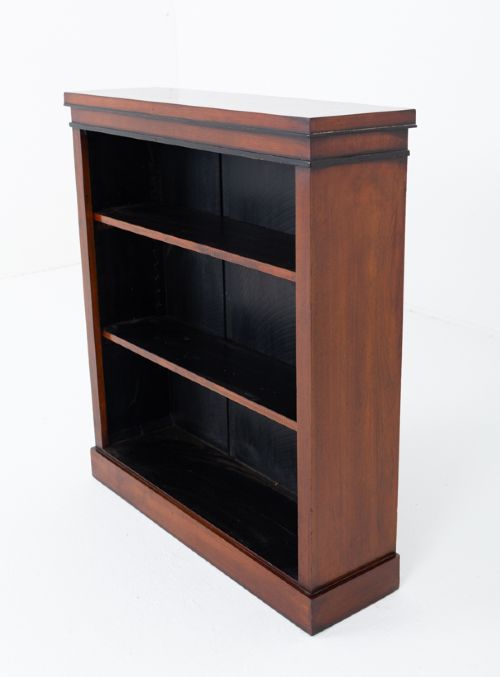
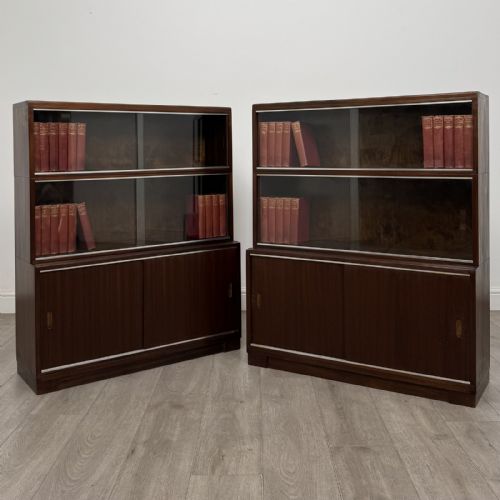
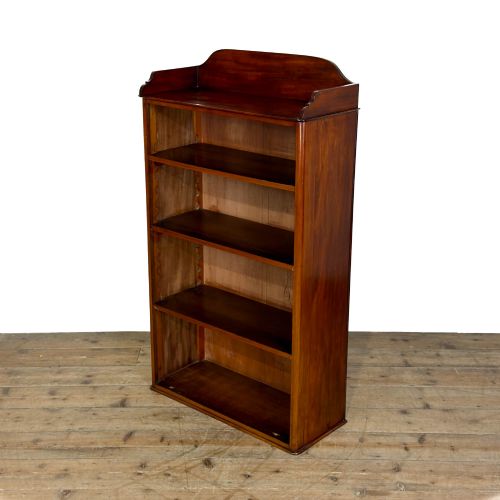
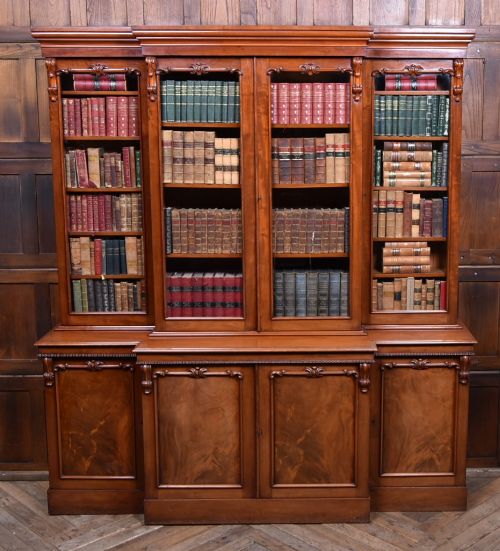
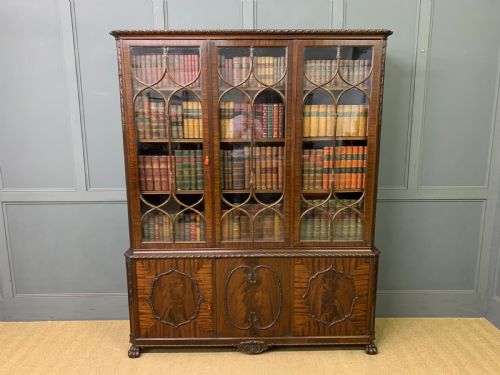
These pieces range from compact open shelving units to large triple library bookcases with adjustable shelves and cupboard bases.
How they were made
Cabinet makers utilised solid timbers alongside flame mahogany veneer and rosewood, applying brass hardware for hinges, locks, and handles.
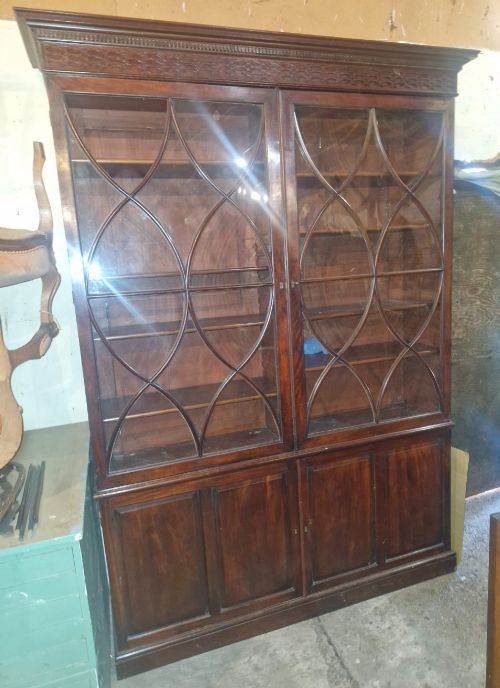
Glazing techniques incorporated glass panels within wooden framing, often structured with astragal bars to create multi-pane doors.
Carving and inlay work appeared on select stylistic examples, while functional elements such as adjustable shelving utilised timber support tracks.
Listings feature mahogany, oak, walnut, rosewood, and pine across Victorian, Regency, and Georgian periods.
What varies in quality
Selection of timber grain dictates visual depth, where figured mahogany or matched veneers elevate a piece above plain utility boards.
Proportion and architectural detailing distinguish standard regional joinery from pieces influenced by specific cabinet-making traditions and stylistic revivals.
Integrity of glazed doors, operating locks, and smooth adjustment mechanisms for internal shelving indicate the level of original craftsmanship.
Gillows·Globe Wernicke·Wylie and Lochhead
The Wood Library Display Cabinet Glossary
- Breakfront
- A cabinet design where the central section projects forward from the flanking wings. This configuration creates greater depth and visual rhythm across large library pieces.
- Astragal glazed
- A door construction where slender wooden bars divide the glass into smaller panes. These mouldings support the glass while adding geometric pattern to the front.
- Flame mahogany veneer
- A decorative wood slicing chosen for its distinctive swirling flame pattern. It is applied to primary surfaces to create dramatic visual movement.
- Adjustable shelves
- Shelving supported by moveable brackets or rack systems inside the cabinet. This allows the internal height to adapt to volumes of varying sizes.
- Secretaire bookcase
- A hybrid furniture form incorporating a pull-down writing desk drawer above lower storage cupboards. It combines workspace functionality with upper display shelving.
Wood Library Display Cabinet: Frequently Asked Questions
How do I adjust the shelves?
Most period library cabinets utilise wooden notches, brass studs, or rack-and-pinion tracks affixed to the interior sides. You simply lift the shelf off its supports and reposition the brackets into the desired slots.
Older mechanisms may require gentle handling if the timber has settled over decades of use.
Are the glass doors original?
Original glass frequently displays minor imperfections, slight waviness, and small bubbles formed during early manufacturing processes. Examining the putty or wooden glazing beads from the interior reveals whether the panes have been replaced.
Uniform, perfectly flat glass often points to twentieth-century reglazing work.
How do I care for mahogany?
Mahogany responds best to occasional applications of traditional beeswax, applied sparingly and buffed with a soft cloth to maintain the natural sheen. Avoid placing the cabinet near direct heat sources or strong sunlight, which dries out the timber and fades the finish.
Regular dusting prevents particulate buildup in carved details and astragal joints.