



Wood Fusee Clock
A wood fusee clock brings together precise mechanical engineering and robust cabinet-making from the Georgian, Regency and Victorian periods.
Wood Fusee Clock
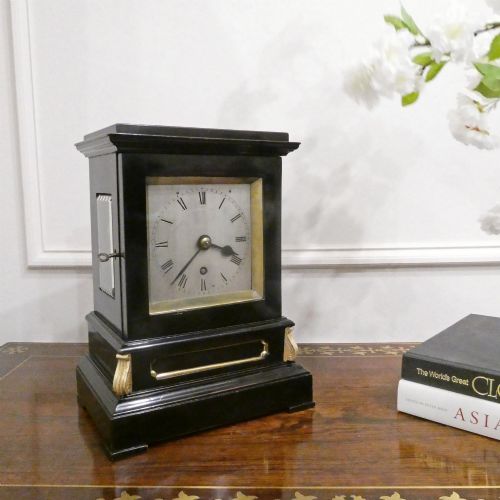
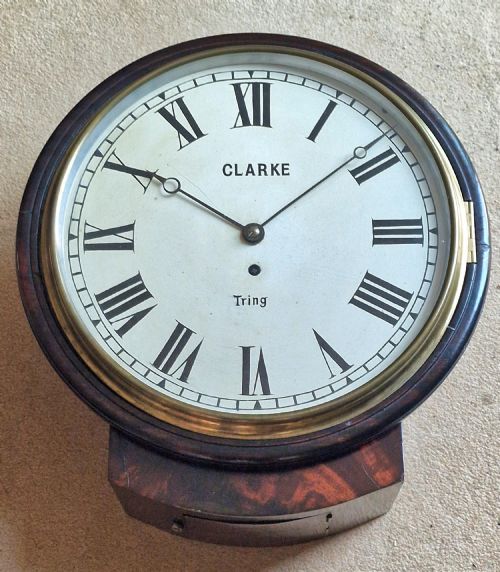
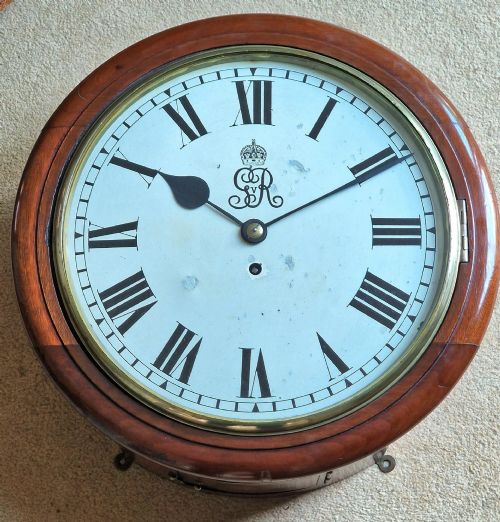
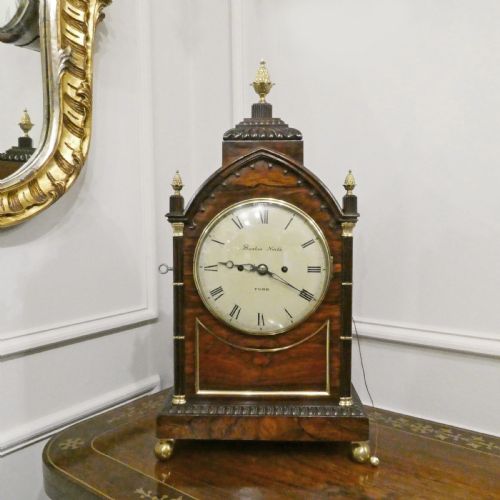
A wood fusee clock is a timekeeping device driven by a spring and controlled by a conical pulley, known as a fusee, which ensures even tension as the mainspring unwinds. Buyers searching for a wood fusee clock will encounter a variety of forms, predominantly wall-mounted dial clocks, bracket clocks for tables or shelves, and library clocks.
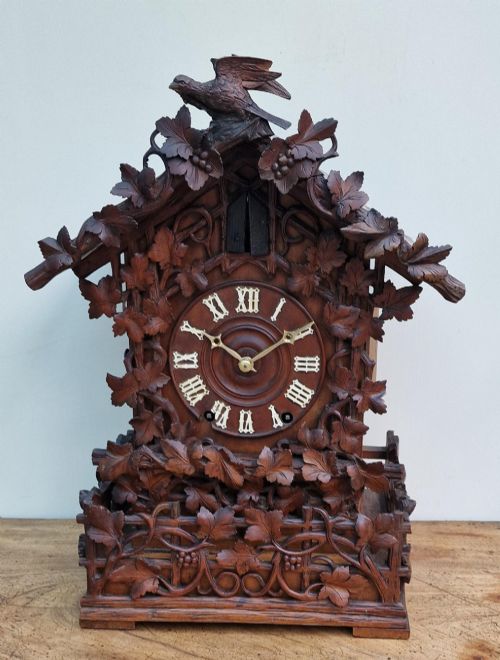
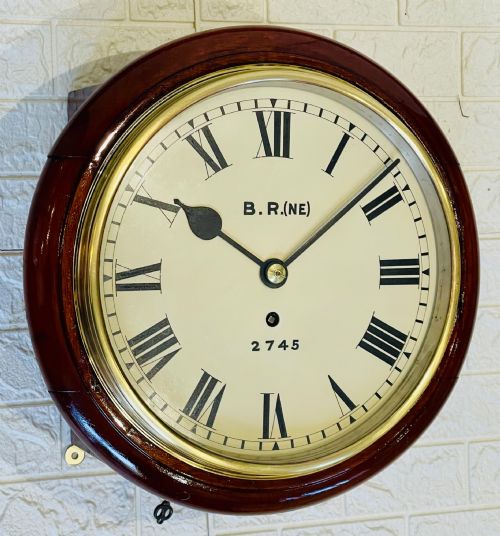
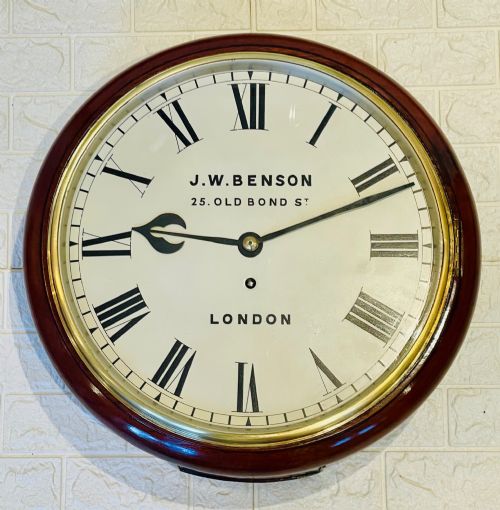
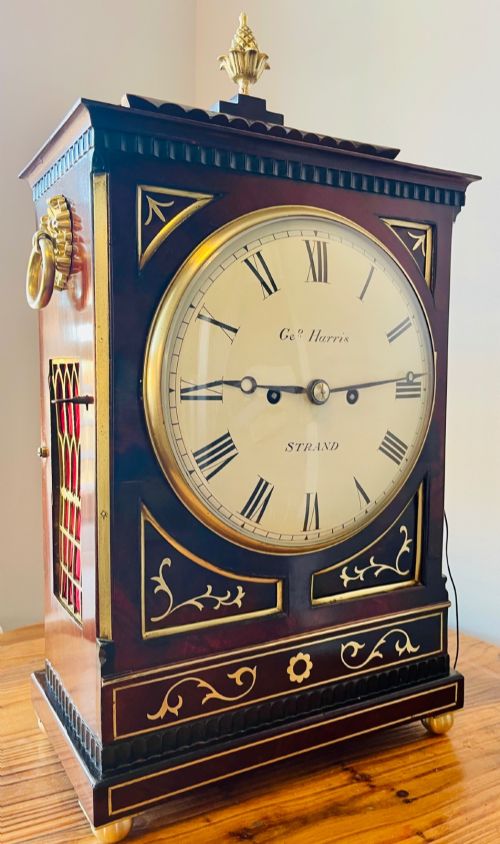
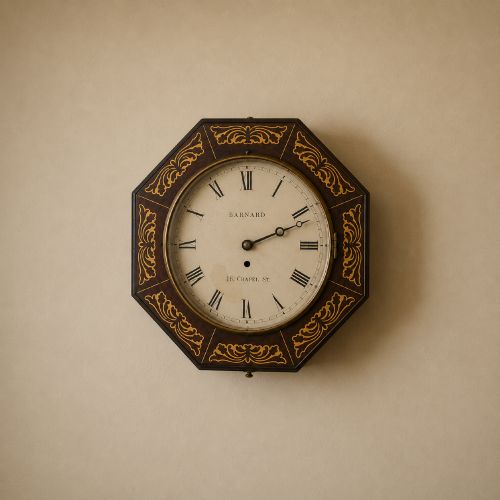
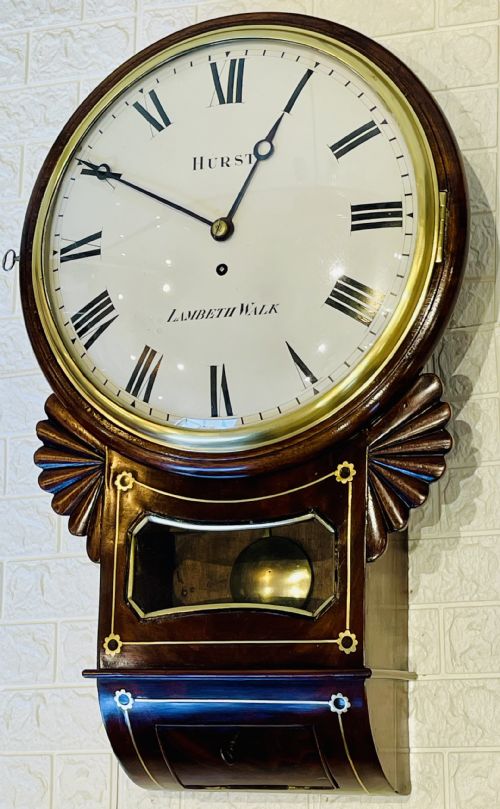
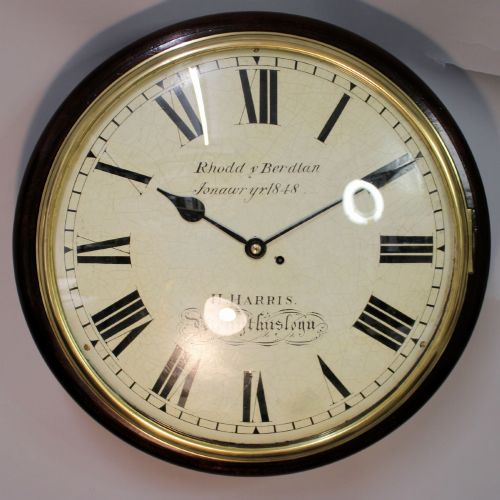
The pieces on this page span the Georgian, Regency and Victorian periods, with significant representation from the nineteenth century. Wall clocks often feature round or octagonal wooden surrounds, sometimes with drop dials, while bracket and table clocks showcase architectural timber cases in mahogany, rosewood and ebonised finishes.
Makers ranged from provincial watchmakers to prominent London firms, producing everything from utilitarian railway timepieces to decorative domestic mantel clocks. Single fusee movements generally provide timekeeping alone, while twin fusee variants frequently incorporate bell-striking mechanisms.
Materials and Construction
The cases of a wood fusee clock rely heavily on dense hardwoods like mahogany and rosewood, selected for stability and polished finish, alongside occasional pollard oak or ebonised treatments. Brass forms the plates and gear trains of the internal movements, while glass protects the dial and pendulum.
Dial construction varies between painted metal, enamel, convex surfaces and solid wood dials. Brass inlay, carved details and pagoda or pad top architectural elements provide decorative finish to the timber housings without obscuring the core engineering of the fusee cone and chain or cord drive.
Wood Fusee Clock Retail Price Guide 2026
Typical asking prices for wood fusee clock among the pieces listed under this phrase on Sellingantiques today, from the lower quarter to the upper quarter. They describe what is for sale here now, not the wider market.
Listings feature wood fusee clock examples spanning the Georgian, Regency and Victorian eras, utilising mahogany, rosewood and brass.
Assessing Quality
Quality in a wood fusee clock rests upon the crispness of the cabinet joinery, the choice of timber grain, and the fineness of the brass movement engraving. Higher tier examples demonstrate careful proportion in octagonal or drop-dial surrounds and integrated brass work that complements rather than overpowers the wood case.
The legibility of the dial and the original condition of the movement components separate standard production pieces from those produced by skilled urban makers. Proportion, material selection and the integrity of the timber case determine the standing of each clock within its period.
J W Benson·George Clarke·Henry Harris·Barber & North·Mappin & Webb·Walker·Thomas Connold·John Walker·Joseph Jump·Pennington·Budgen·Francis Perigal·Haley & Milner
The Wood Fusee Clock Glossary
- Fusee
- A conical pulley with a spiral groove that equalises the pull of the mainspring as it winds down. This mechanism ensures consistent force is delivered to the gear train.
- Bracket clock
- A portable table or shelf clock, originally designed to sit on a wall bracket. They frequently feature architectural wooden cases and carrying handles.
- Drop dial
- A wall clock featuring an extended wooden trunk beneath the circular dial to accommodate the pendulum swing. They are common in railway and office environments.
- Twin fusee
- A movement possessing two separate fusee cones and trains, typically separating the timekeeping function from the striking mechanism. This setup allows the clock to chime on a bell.
Wood Fusee Clock: Frequently Asked Questions
How does a wood fusee clock work?
A wood fusee clock uses a spring-driven movement connected via a cord or chain to a conical pulley. As the mainspring unwinds and loses power, the chain moves to a wider part of the cone, maintaining steady force.
This ingenious system ensures consistent timekeeping from the moment the clock is fully wound until it needs winding again.
Where should I place a bracket clock?
Bracket clocks were historically designed for shelves, tables or wall brackets where their architectural wooden cases could be easily viewed. They suit stable pieces of furniture away from direct sunlight and drafts.
Ensuring the surface is completely level helps the pendulum swing evenly and maintains accurate timekeeping.
What is the difference between single and twin fusee?
A single fusee movement drives the timekeeping mechanism alone, requiring only one spring and chain. A twin fusee movement includes a second train to power a striking mechanism.
Twin fusee clocks typically strike the hours on a bell or gong and require separate winding arbours for each function.
How do I identify a Regency period clock?
Regency clocks, dating from the early nineteenth century, often display clean architectural lines, mahogany or rosewood veneers, and subtle brass inlay. Dial surrounds may be octagonal or feature classic bracket silhouettes.
Examining the internal movement and secondary woods often provides further clues to confirm the manufacturing era.