




Wood Framed Textile
These wood framed textile pieces bring historic needlework, tapestries, and samplers into modern interiors.
Wood Framed Textile
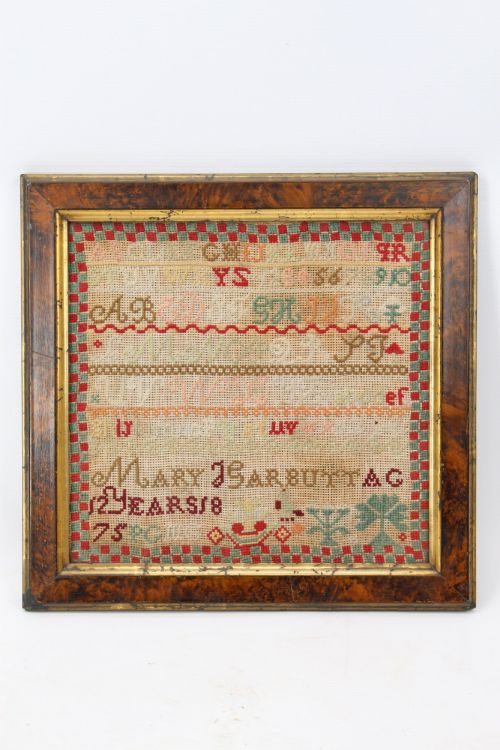
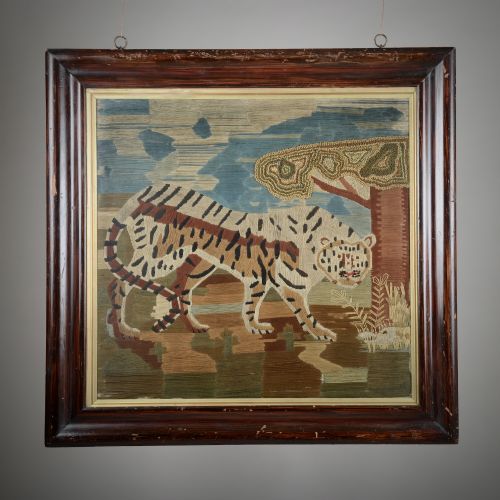
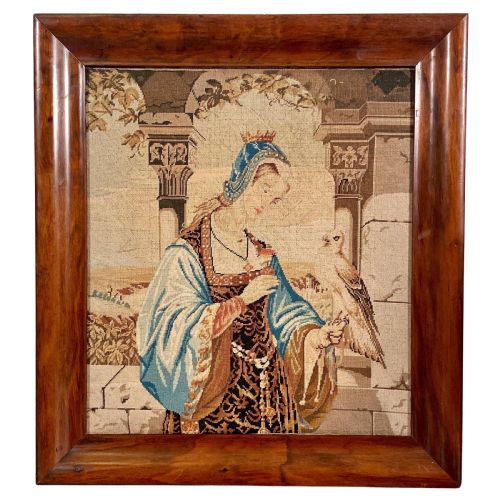
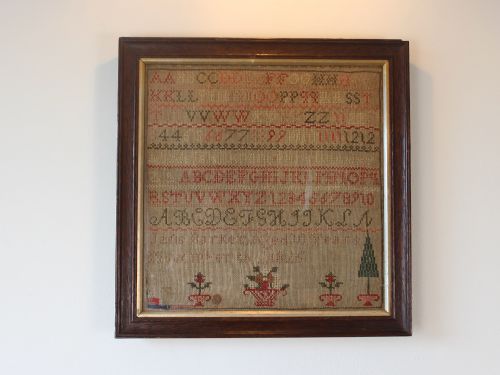
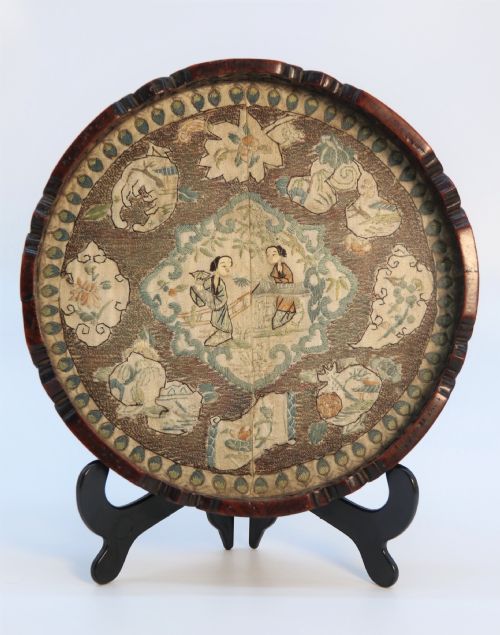
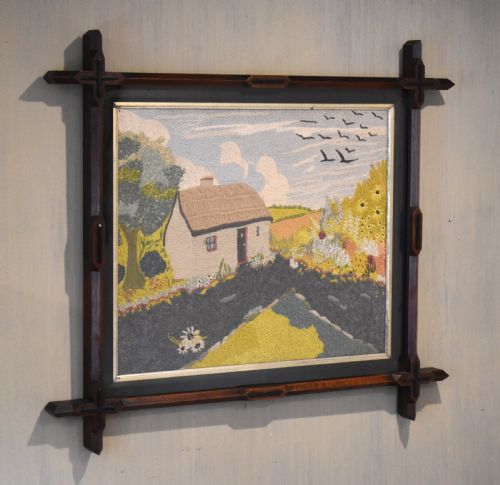
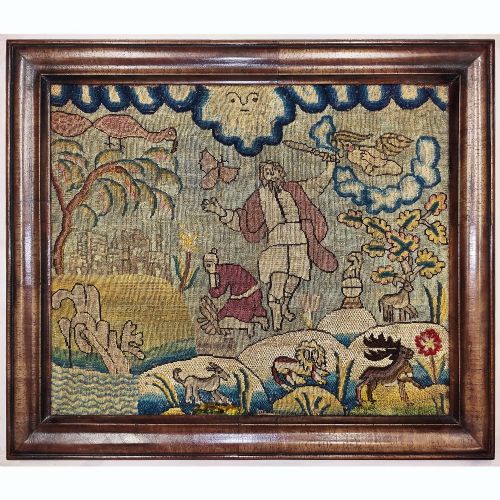
A wood framed textile encompasses needlework samplers, embroidered pictures, and tapestries mounted behind glass within timber surrounds. When you search for wood framed textile, you encounter works spanning from the seventeenth century through the Victorian era.
The selections here range from schoolgirl alphabet samplers and religious silk pictures to folk art pieces and carved trays. Most examples date from the nineteenth century, reflecting the domestic needlecraft of that period.
Makers utilised various framing materials including hardwood and oak to protect delicate wool, silk, and linen threads. These objects function primarily as wall art, bringing historical narrative and botanical motifs into residential spaces.
Materials and Construction
Needleworkers stitched wool, silk thread, and silver or gold elements onto linen and canvas backings. These textiles incorporate stitches such as cross stitch and stumpwork to create figures, animals, and floral arrangements.
Wood Framed Textile Retail Price Guide 2026
Typical asking prices for wood framed textile among the pieces listed under this phrase on Sellingantiques today, from the lower quarter to the upper quarter. They describe what is for sale here now, not the wider market.
Listings feature wood frames housing wool, silk, and linen textiles from the seventeenth to the nineteenth century.
Assessing Quality and Execution
Finer pieces display intricate stitch control, clear lettering on samplers, and sophisticated pictorial composition such as multi-figure narratives. Simpler examples rely on repetitive motifs or standard botanical subjects.
The preservation of the textile fibres and the original integrity of the wood frame influence the overall character of each piece. Faded silks or damaged linen grounds alter the visual impact compared to tightly preserved examples.
The Wood Framed Textile Glossary
- Sampler
- A piece of needlework demonstrating a maker's skill in various stitches and alphabets. These often include dates and the age of the creator.
- Stumpwork
- A raised embroidery style popular in the seventeenth century. It utilises padding and wire to create three-dimensional figures and elements.
- Tapestry
- A form of textile art woven on a loom rather than stitched with a needle. These depict classical or historical scenes.
- Toile de Jouy
- A cotton or linen fabric featuring printed pastoral or allegorical vignettes. Fragments of this material appear mounted in frames.
- Canvas
- A heavy woven fabric used as a firm foundation for needlework pictures. It supports dense wool and silk thread applications.
Wood Framed Textile: Frequently Asked Questions
How do I hang a textile safely?
Keep framed pieces away from direct sunlight to prevent silk and wool threads from fading over time. Ensure the wall environment remains stable regarding humidity.
Use secure picture hooks suited to the weight of the timber frame and glass. Professional framing support protects the textile tension inside the wood surround.
What periods are common?
Nineteenth-century and Victorian examples appear frequently, often featuring alphabets, floral studies, or narrative scenes. These reflect widespread domestic embroidery practices.
Earlier seventeenth and eighteenth-century works emerge less often, typically showcasing stumpwork, religious iconography, or finely worked silk imagery.
Are these pieces original?
Many items retain their period mounting and timber frames, though framing methods varied across centuries. Close inspection reveals the age of the wooden backing and protective glass.
Needlework pictures sometimes required re-framing to ensure ongoing preservation of the fragile fabrics. Documentation like stitched dates and names assists in confirming period origins.
How should I clean the glass?
Apply standard glass cleaner to a cloth rather than spraying the surface directly. This prevents liquid from seeping past the frame rebate onto the textile.
Check that the frame joints remain tight before undertaking any maintenance. Gentle dusting of the timber frame preserves the aged surface finish.