




Wood Framed Horse Picture
A wood framed horse picture brings the motion and character of the stable and the turf straight onto the wall.
Wood Framed Horse Picture
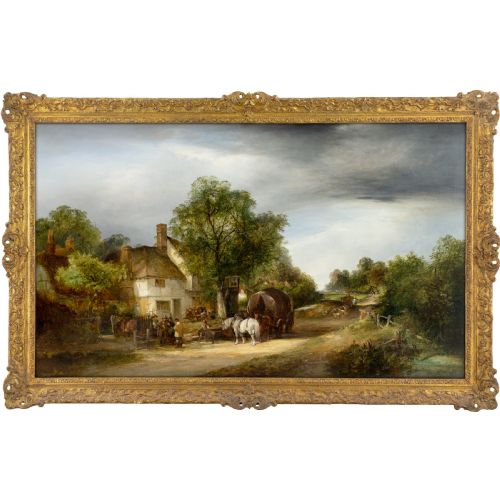
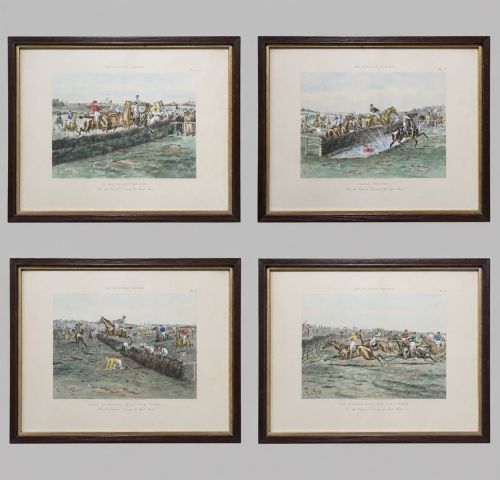
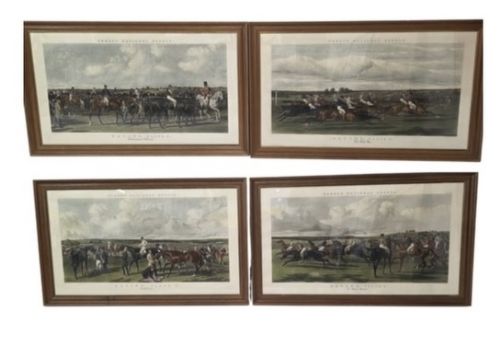
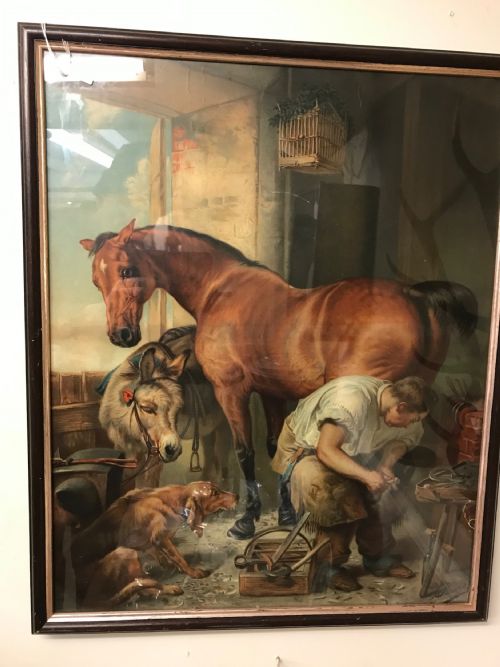
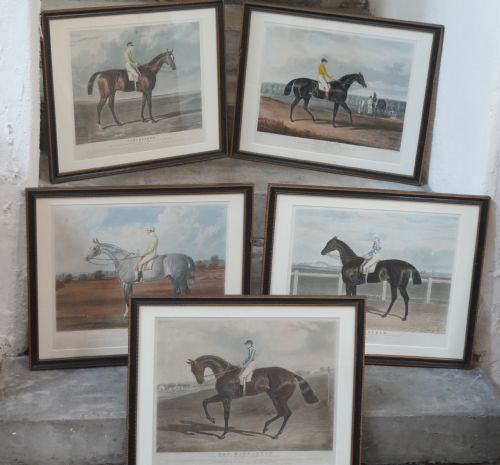
A wood framed horse picture captures the enduring appeal of equine art, spanning subjects from hunting scenes and racing moments to stable studies. When you search for a wood framed horse picture, you encounter everything from mid-century pastel paintings to nineteenth-century engravings and Victorian prints.
The pieces on this page draw upon traditional British sporting art, realism, and mid-century modern aesthetics. Works range from individual pastel portraits of stallions to sets of racing aquatints and framed photographs of huntsmen.
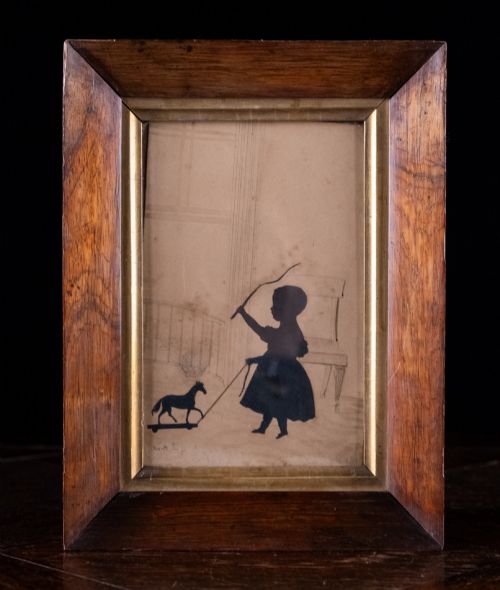
Dating across the nineteenth and twentieth centuries, these works utilise timber frames to enclose delicate watercolours, gouache, oils, prints, and silhouettes. Each item preserves a specific technique of its era, framed and ready for display.
Materials and construction
Makers set paper, card, and canvas within wooden surrounds, often incorporating glass to protect delicate surfaces such as watercolours, gouache, and pastel drawings. Gilding and gold leaf frequently accent the timber mouldings on nineteenth-century pieces.
Mediums vary widely across the selection, including traditional oil paint, pen and ink, watercolour, gouache, and original prints like aquatints and engravings. Specialised techniques such as eglomise and sand pictures also appear among the framed works.
Wood Framed Horse Picture Retail Price Guide 2026
Typical asking prices for wood framed horse picture among the pieces listed under this phrase on Sellingantiques today, from the lower quarter to the upper quarter. They describe what is for sale here now, not the wider market.
Materials range from traditional oil paint and watercolour on paper to sand pictures and eglomise glass panels.
Judging quality in equine art
Quality rests in the precision of the draftsmanship and the vitality with which the animal's form and movement are rendered. Stronger works capture accurate anatomy and dynamic energy, whether in a detailed oil painting or a rapid pastel study.
The integrity of the framing materials also matters, with period timber frames and original glass adding authenticity to nineteenth and early twentieth-century pieces. Hand-finished details, such as gold leaf accents or delicate mounts, separate standard reproductions from superior works.
Augustin Edouart·George Finch Mason·Edwin Henry Landseer·John Rattenbury Skeaping·Abraham Cooper·John Sanderson-Wells·Snaffles·H. Alken
The Wood Framed Horse Picture Glossary
- Aquatint
- A printmaking technique that produces tonal areas resembling watercolour washes. It was frequently utilised for nineteenth-century sporting and racing scenes.
- Eglomise
- A process of applying cold painting and gold leaf to the rear of glass. This technique creates a reflective, decorative border around the central image.
- Gouache
- An opaque water-based medium containing pigment and a binding agent. It provides dense, flat areas of colour well suited to detailed animal studies.
- Sand picture
- A craft form using coloured sands fixed to a backing to build a pictorial scene. Examples from the nineteenth century often depict landscapes and animals.
- Silhouette
- A solid dark profile image cut from paper or painted against a pale background. Early examples often recorded human and animal portraits with striking economy.
Wood Framed Horse Picture: Frequently Asked Questions
How do I date a wood framed horse picture?
Examine the framing materials, backing paper, and the medium used to create the artwork. Nineteenth-century pieces often feature older timber mouldings and hand-cut mounts, while twentieth-century works may display mid-century modern styling or specific print technologies.
Typography on prints and the signatures of artists such as Snaffles or H. Alken provide further chronological clues. Matching the style of dress and tack in hunting or racing scenes to specific decades helps narrow down the period.
Are these pictures originals or prints?
The selection includes both original hand-painted works and period prints. You will find unique oil paintings, watercolours, gouache studies, and pastels alongside traditional engravings and aquatints.
Read the listing details to identify whether the piece is a one-off painted artwork or an editioned print. Both categories hold distinct places in equine sporting art collecting.
How should I hang and care for these pieces?
Keep framed works out of direct sunlight to prevent fading on paper, watercolours, and pastels. Stable indoor humidity protects both the underlying artwork and the wooden frame from warping.
Ensure secure wall fixings suited to the weight of the timber frame and glass. Dust the frames gently with a dry cloth and avoid using liquid cleaners on the glass near exposed paper edges.
What subjects are most common in equine art?
Horse racing, hunting scenes, and individual portraiture of famous or striking animals dominate this category. Scenes often feature named horses, point-to-point races, and packs of hounds with huntsmen.
These subjects reflect the strong British tradition of sporting art from the nineteenth and twentieth centuries. They celebrate both the utility and the aesthetic grace of the horse.