





Wood Framed Horse Art
Wood framed horse art gathers centuries of equine depiction, from Victorian oil paintings to mid-century racing prints.
Wood Framed Horse Art
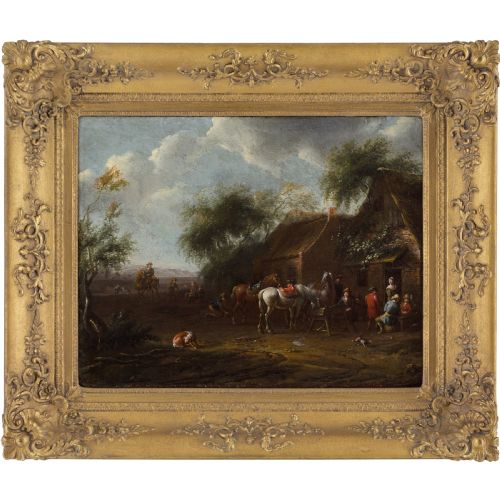
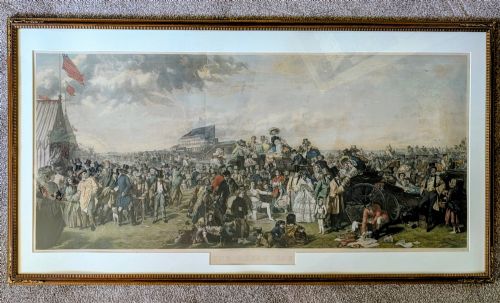
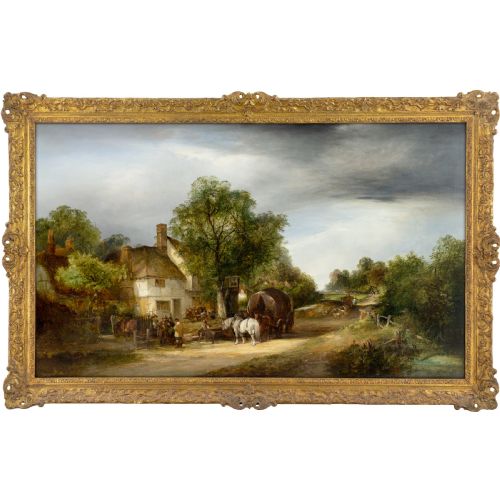
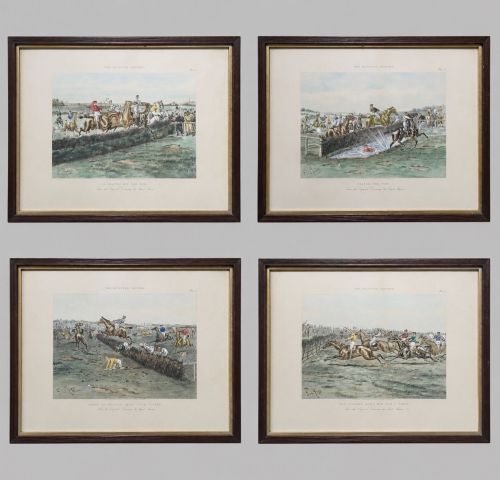
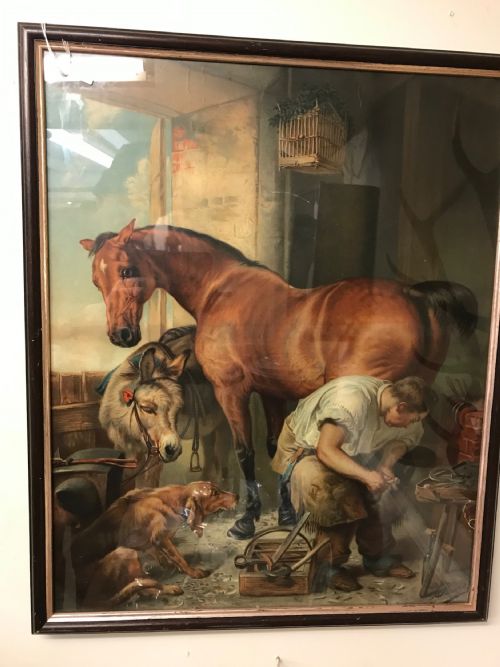
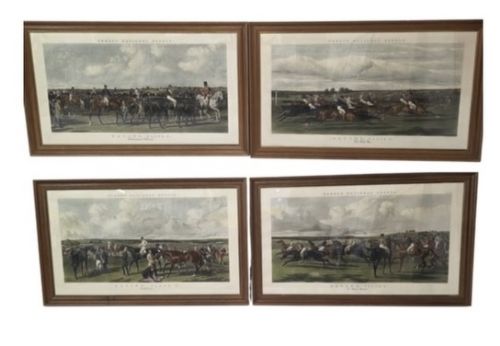
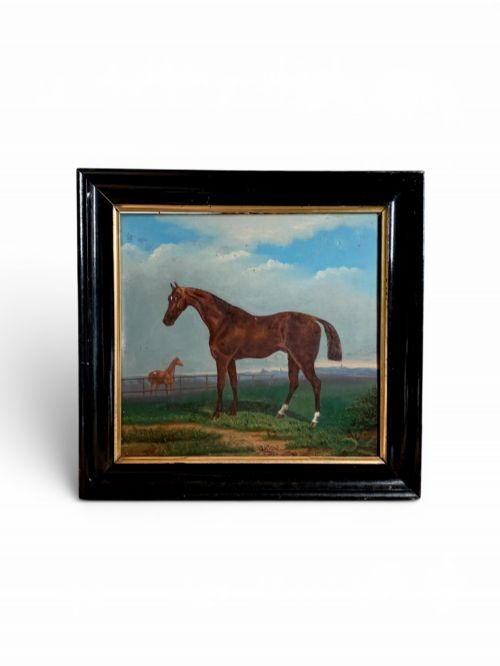
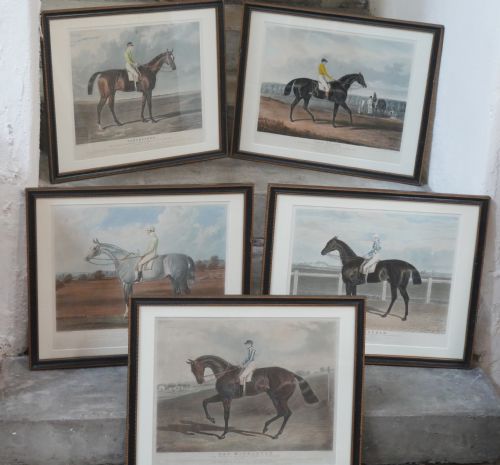
When you search for wood framed horse art, you encounter a diverse range of depictions capturing horses across the nineteenth and twentieth centuries. These pieces span from traditional oil paintings on canvas and panel to watercolours, gouache works, pastels and various print methods including aquatints, engravings, lithographs and photographs.
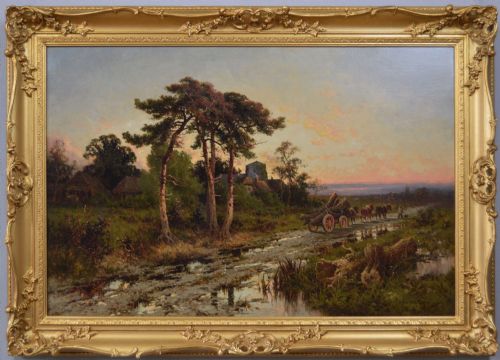
The selections on this page heavily feature Victorian sporting prints and mid-century racing works, alongside original oils depicting hunters, stable interiors and champion stallions. Subjects range from formal equestrian portraits and racing scenes to hunting prints and working horses on country tracks.
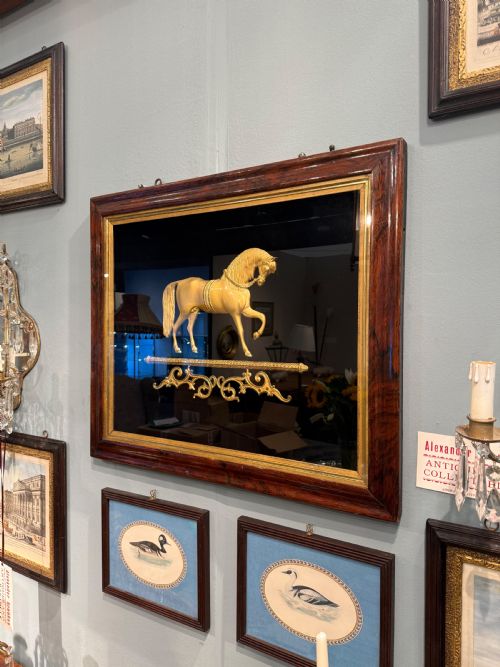
Origins stretch across British and French schools, offering both intimate watercolours and grand oil paintings. Frames in wood provide the primary housing for these works, often complemented by glass, paper supports and occasional gold leaf accents.
Assessing quality and execution
Quality rests in the anatomical accuracy of the animals and the surety of the artist's hand, whether rendering muscle definition in an oil painting or fine line work in a period engraving. Master works capture the movement and spirit of horses with precise draughtsmanship.
The integrity of the framing and the preservation of the underlying medium dictate the overall standard. Original oils on canvas or panel hold greater presence than reproduction prints, while period hand-colouring on engravings elevates the piece.
Wood Framed Horse Art Retail Price Guide 2026
Typical asking prices for wood framed horse art among the pieces listed under this phrase on Sellingantiques today, from the lower quarter to the upper quarter. They describe what is for sale here now, not the wider market.
Materials documented across the inventory include oil on canvas, gouache, watercolour, glass and gold leaf.
Augustin Edouart·George Finch Mason·Edwin Henry Landseer·John Rattenbury Skeaping·Abraham Cooper·James William Booth·John Sanderson-Wells·Snaffles·Victor Adam·W.A. Clark·H. Alken·James Barenger·Henry H Parker·William Shayer Snr·William F. Perrin
The Wood Framed Horse Art Glossary
- Aquatint
- A variant of etched printmaking that produces areas of tone resembling watercolour washes. This technique proved popular for nineteenth-century sporting prints.
- Eglomise
- A process of applying design and gilding to the rear face of glass to create a mirror-like finish. It appears on decorative reproduction panels.
- Gouache
- An opaque water-based paint that provides solid, matte areas of colour. Artists combined it with watercolour for heightened contrast.
- Lithograph
- A planographic printing process using stone or metal plates. It allowed artists to produce detailed tonal illustrations like nineteenth-century sporting sets.
- Sand picture
- A textured artwork created by fixing coloured sands to a backing surface. Mid-nineteenth examples utilised this unusual medium for topographical and animal subjects.
Wood Framed Horse Art: Frequently Asked Questions
How do I date these pieces?
Dating relies on stylistic clues, framing methods and the recorded dates of active artists or print publishers.
Nineteenth-century works often bear distinct Victorian typography or framing styles that help separate them from later twentieth-century reproductions.
Are these original paintings or prints?
The selection includes both unique hand-painted works in oil, watercolour and pastel alongside period printed editions.
Listings specify the exact medium, distinguishing original oil paintings on canvas from aquatints, engravings and lithographs.
How should I display them at home?
Wood framed pieces suit traditional country house aesthetics, study walls and hallways alongside other sporting or equestrian decor.
Keep them away from direct sunlight to protect vulnerable watercolours, paper supports and painted wooden frames.
What subjects are most common?
Horse racing scenes, hunting prints and formal portraits of champion stallions and mares dominate the available selections.
You also find occasional working horses, such as logging carts and harvest scenes, captured by nineteenth and twentieth-century painters.