





Wood Framed Diorama
A wood framed diorama brings layered depth into a room, capturing a tiny staged world within its protective box.
Wood Framed Diorama
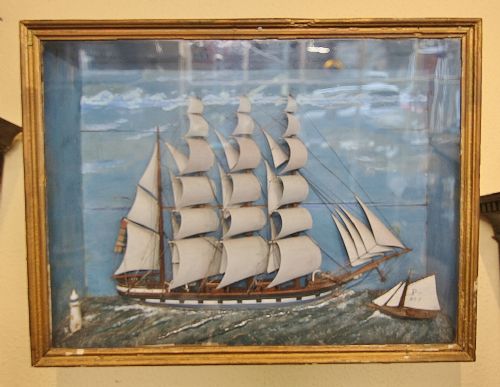
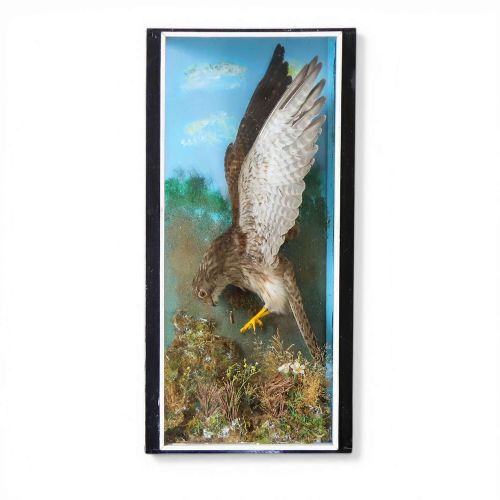
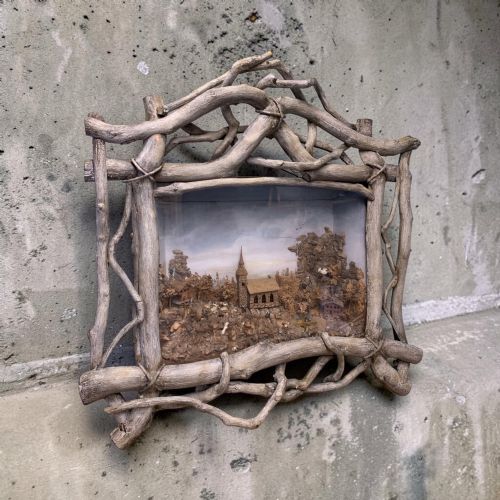
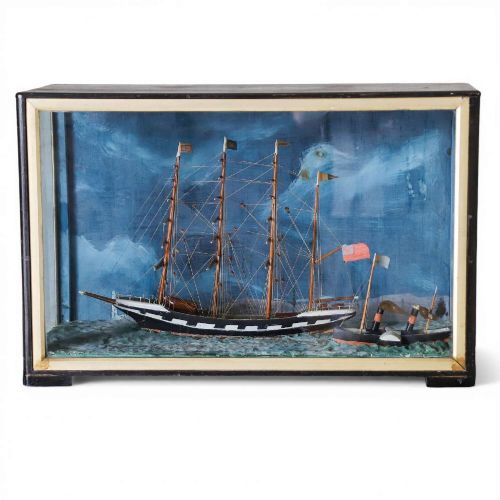
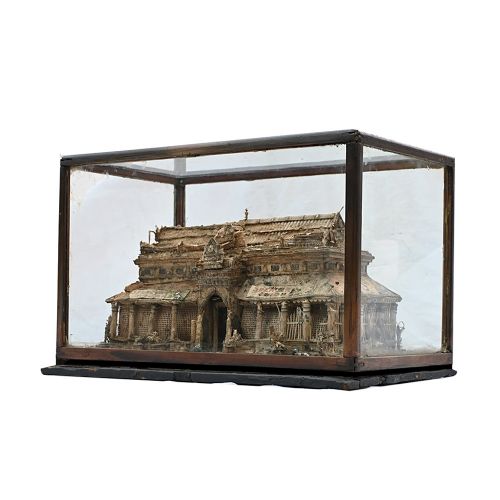
A wood framed diorama presents a three-dimensional scene enclosed within a glass-fronted shadow box or case. When searching for a wood framed diorama, a buyer encounters maritime models, taxidermy displays, and folk art townscapes.
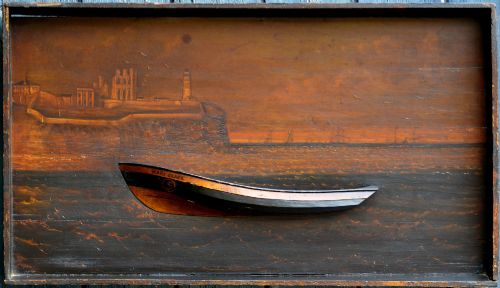
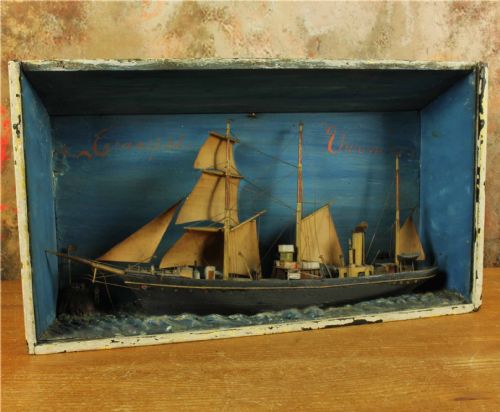
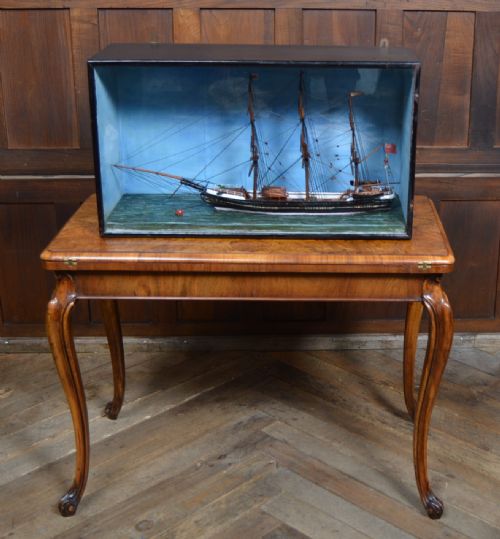
The pieces on this page span the nineteenth century through the early twentieth century. Maritime subjects such as sailing ships and steam barges appear alongside natural history specimens and folk art shell compositions.
How they were made
makers constructed the outer enclosures from wood, frequently shaping twig frames or painted timber cases to house the interior subjects. Glass panes protected delicate contents including paper, canvas, and painted plaster backdrops.
Internal components relied on mixed media assembly, combining scratch-built wooden ship models with painted seascapes or mounted taxidermy specimens. Natural materials like feathers, shells, and cork added texture and depth to the enclosed scenes.
Wood Framed Diorama Retail Price Guide 2026
Typical asking prices for wood framed diorama among the pieces listed under this phrase on Sellingantiques today, from the lower quarter to the upper quarter. They describe what is for sale here now, not the wider market.
Some nineteenth-century makers utilised ordinary cork and twigs to construct surprisingly convincing three-dimensional landscapes.
What varies in quality
Quality rests in the precision of the interior modelling and the preservation of the delicate elements inside the case. Finer examples display meticulous detail in scratch-built ship rigging or realistic taxidermy taxidermy mountings.
The integrity of the original wood frame and the clarity of the protective glass influence the overall visual impact. Superior pieces maintain their original painted finishes and untouched internal arrangements without modern restoration.
The Wood Framed Diorama Glossary
- Shadow box
- A deep, glass-fronted frame designed to enclose and protect three-dimensional objects or scenes. This construction keeps dust away from delicate internal components.
- Taxidermy display
- The preservation and mounting of animal specimens in lifelike poses within a protective enclosure. These pieces often incorporate painted background scenery to create a natural habitat effect.
- Maritime folk art
- Handmade objects created by self-taught makers, focusing on ships, seascapes, and coastal life. These works frequently utilise materials readily available to sailors and coastal communities.
- Scratch-built model
- A miniature replica constructed entirely from raw materials rather than from a commercial kit. Makers fabricate every individual component by hand.
Wood Framed Diorama: Frequently Asked Questions
How should I hang a wood framed diorama?
These pieces require sturdy wall fixings because the wooden cases and glass fronts carry considerable weight.
Position them away from direct sunlight and damp environments to protect the internal paper, fabric, and painted elements.
What subjects appear in these dioramas?
Maritime subjects dominate the selection, featuring sailing ships, clippers, and steam barges set against painted seascapes.
Other examples showcase natural history taxidermy, intricate shell work, and folk art townscapes in snow scenes.
How do I date a diorama?
Dating relies on construction methods, materials, and stylistic clues within the frame and the subject matter.
Nineteenth-century examples often feature hand-painted canvas backgrounds, while early twentieth-century pieces utilise distinct folk art materials.
Can the glass be opened for cleaning?
Most antique dioramas are sealed permanently to protect the fragile interior elements from dust and atmospheric changes.
Attempting to open the case risks damaging delicate paper components, rigging, or taxidermy specimens.