

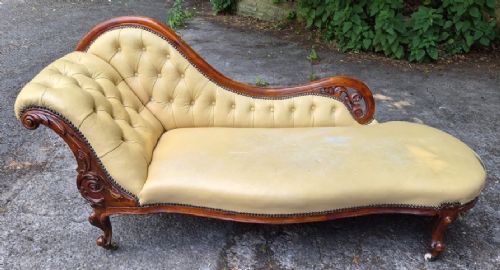


Wood Framed Daybed
These wood framed daybed examples offer genuine period elegance, combining structural timber with comfortable lounging forms for traditional interiors.
Wood Framed Daybed
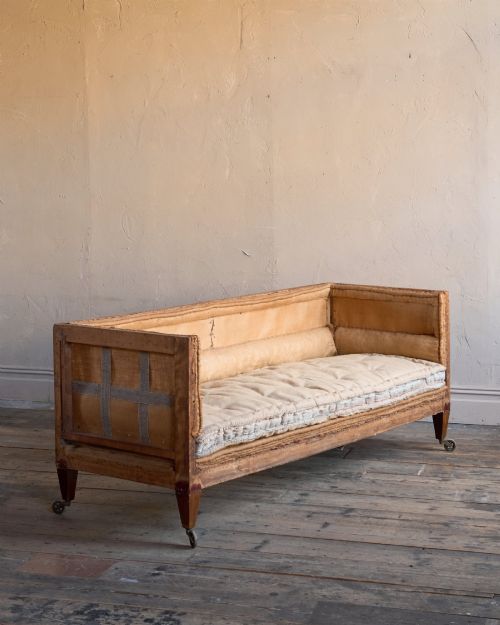
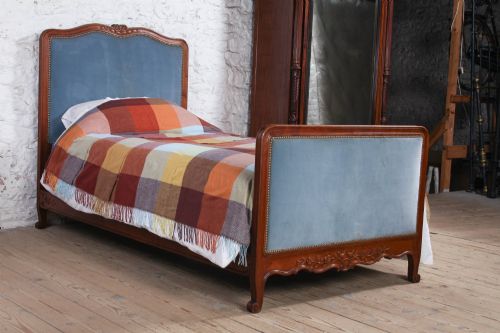
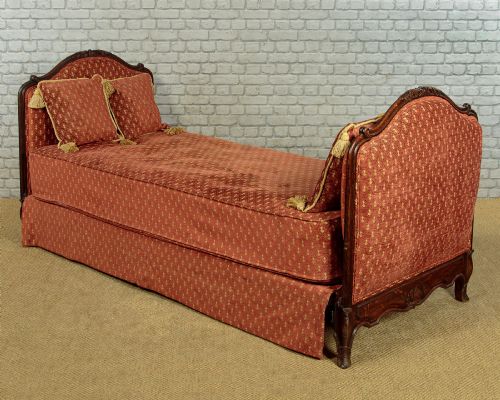
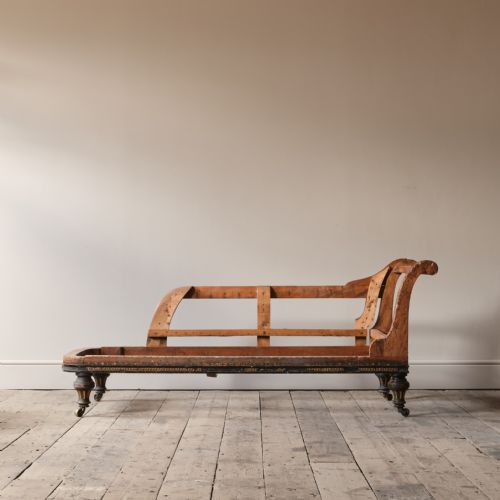
A wood framed daybed brings together classic seating and reclining forms, spanning nineteenth century chaise longues, double ended sofas, and provincial single beds. When exploring this selection, buyers frequently encounter Victorian carved mahogany frames alongside Edwardian oak designs and earlier Regency Daybed Frame examples.
The assortment includes diverse cultural and stylistic influences, ranging from French Provincial and Louis XVI Revival aesthetics to Qing Dynasty hardwood four-poster beds. Many pieces present solid timber structures designed for day use, upholstered in fabrics or velvet to provide practical comfort.
Materials and construction methods
Construction relies heavily on dense timbers such as mahogany, oak, ebony, and ebonised wood, providing robust structural integrity for scroll-end sofas and day beds. Cabinet makers shaped these hardwoods through precise carving, turning, and gilt decoration.
Upholstery forms an essential component of many pieces, utilising fabric and velvet stretched over supportive internal frames. Iron and brass elements occasionally supplement the primary timber structures, particularly on daybeds and single beds from the nineteenth century.
Wood Framed Daybed Retail Price Guide 2026
Typical asking prices for wood framed daybed among the pieces listed under this phrase on Sellingantiques today, from the lower quarter to the upper quarter. They describe what is for sale here now, not the wider market.
One unexpected inclusion is a surrealist day bed created in the distinct manner of interior decorator Syrie Maugham.
Judging quality in construction and design
Quality separates pieces through the crispness of timber carving, the selection of dense hardwoods like mahogany and ebony, and the integrity of the frame joinery. Superior examples demonstrate thoughtful proportion and refined decorative detailing.
The execution of stylistic flourishes, from gilt decoration to scroll-end shaping, dictates the distinction between standard provincial items and finer cabinet work. Original frames retain their structural harmony and authentic period characteristics without excessive modification.
Holland & Sons
The Wood Framed Daybed Glossary
- Chaise Longue
- An elongated chair designed for reclining, featuring an upholstered seat and a backrest positioned at one end or along the side.
- Ebonised Wood
- Timber treated with a dark stain or finish to imitate expensive ebony, frequently utilised on nineteenth-century frames.
- Double Ended Sofa
- A seating form featuring raised scroll ends of equal height at both sides, allowing a person to recline comfortably from either direction.
- Hardwood
- Dense timber derived from broad-leaved trees such as mahogany, oak, and Chinese hardwoods, valued for durability in frame construction.
Wood Framed Daybed: Frequently Asked Questions
What is a wood framed daybed?
A wood framed daybed is a versatile piece of antique furniture designed for both daytime lounging and sleeping, constructed with a visible timber chassis.
These pieces range from Victorian mahogany chaises to early twentieth-century day beds upholstered in fabric.
How were these daybeds used originally?
Historically, these daybeds served in drawing rooms, boudoirs, and libraries for resting, reading, or receiving visitors in a semi-reclined posture.
They functioned as daytime seating alternatives before retiring to a conventional bed at night.
How do I style a wood framed daybed?
Integrating a wood framed daybed into a modern or traditional interior involves placing it against a primary wall or floating it within a spacious room.
Pairing the timber frame with complementary scatter cushions enhances both the aesthetic appeal and the seating comfort.
How can I tell the period of a frame?
Dating relies on observing stylistic markers such as Regency scroll ends, Victorian carved mahogany details, or Edwardian oak construction.
Wood selection, joinery techniques, and upholstery styles further assist in identifying whether a piece originates from the nineteenth or early twentieth century.