

Wood Framed Chair
A wood framed chair brings solid timber structure and traditional upholstery together, offering enduring support for sitting rooms and studies.
Wood Framed Chair
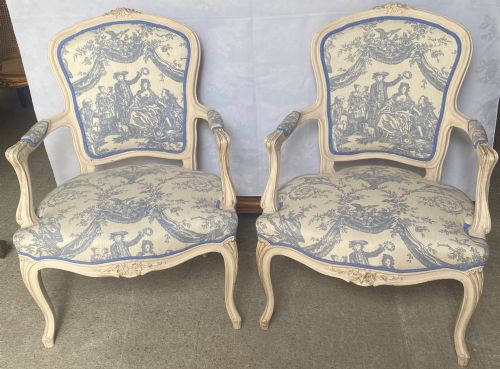
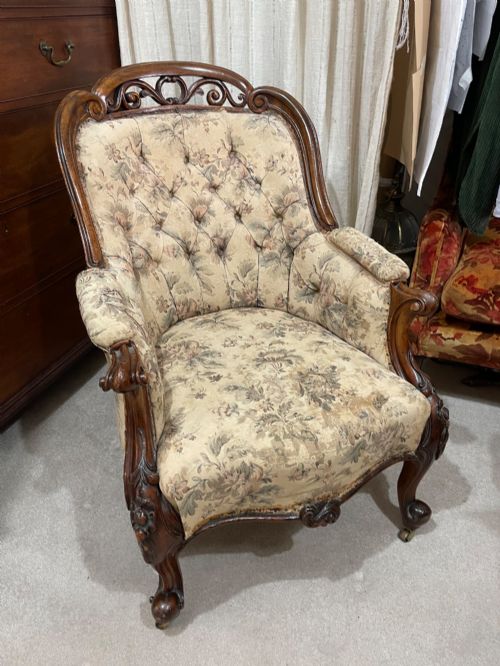
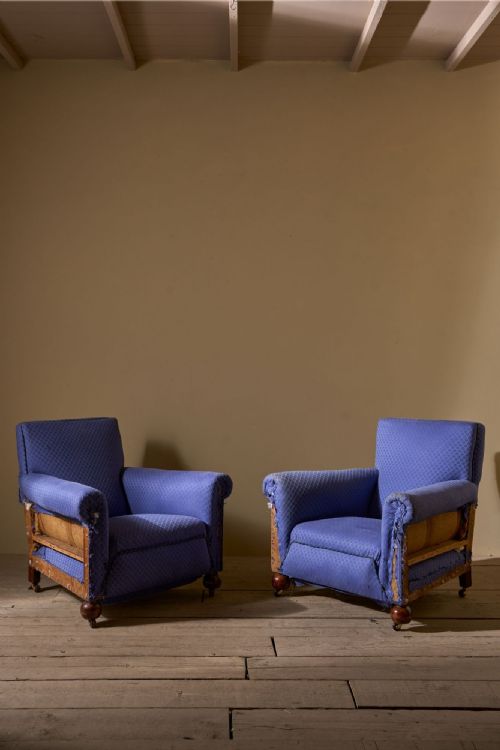
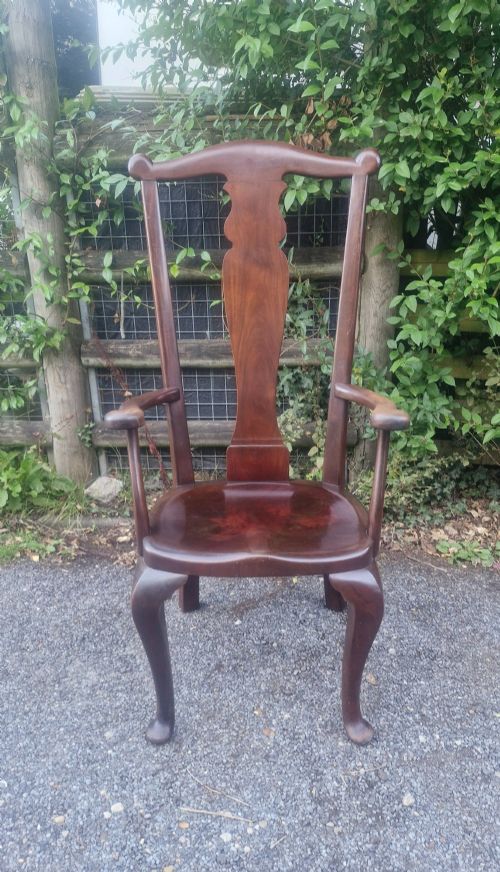
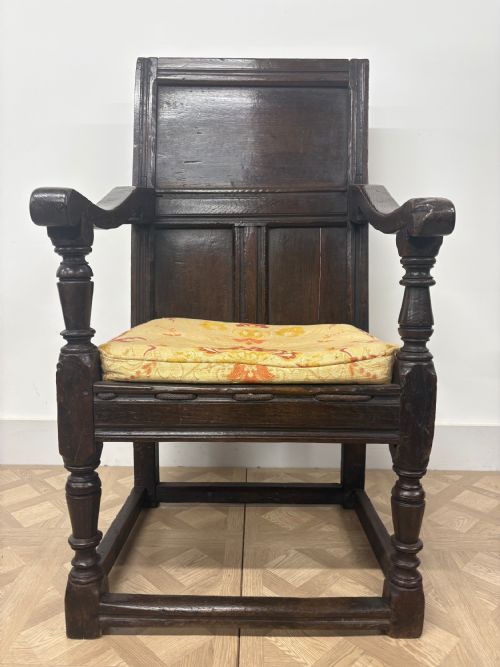
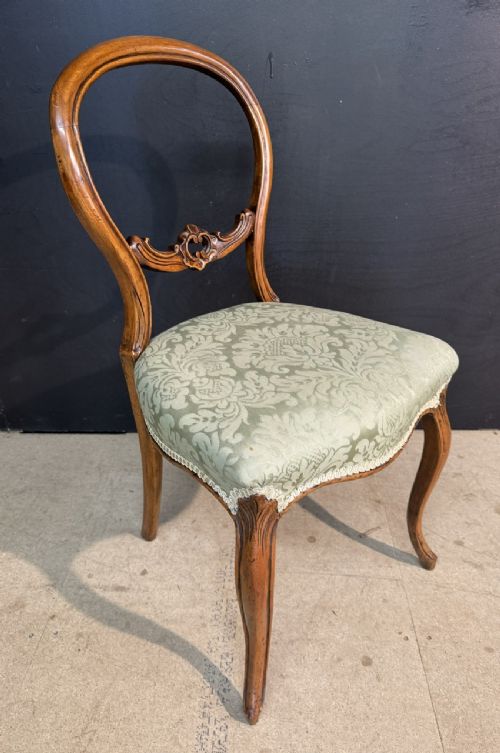
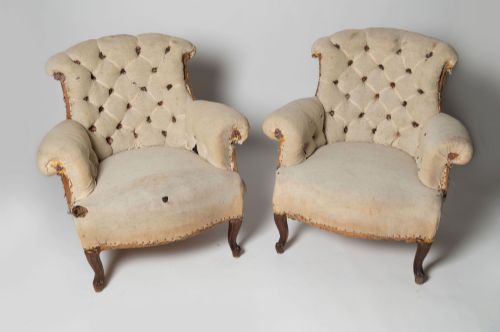
A wood framed chair covers a wide span of domestic seating, from sturdy 17th century English wainscot designs to ornate 19th century French salon armchairs. Buyers searching for a wood framed chair encounter everything from mahogany desk seats and walnut fireside armchairs to carved fruitwood and beech frames.
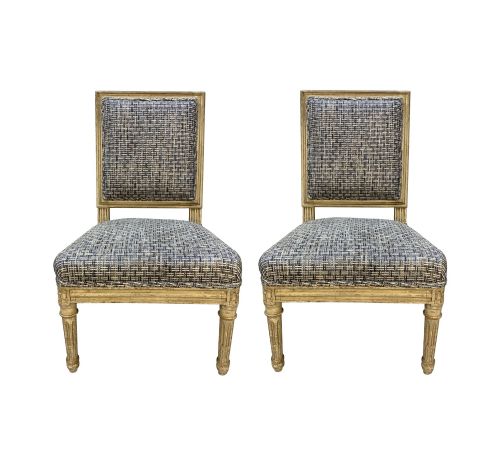
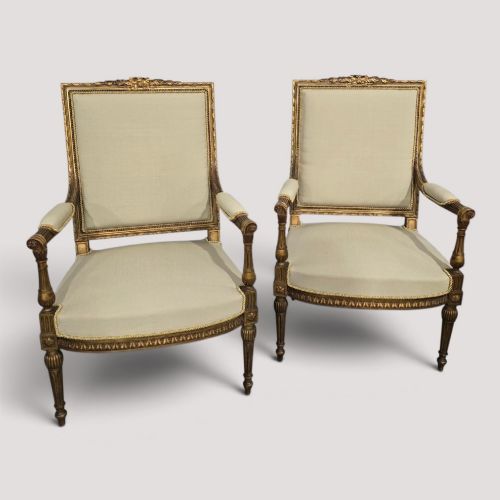
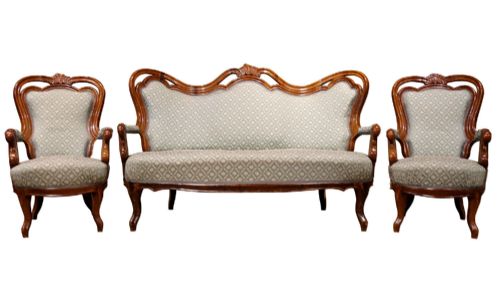
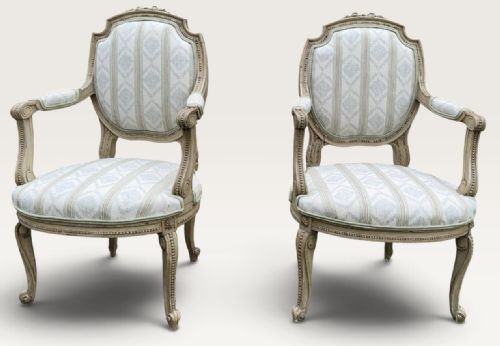
The selection on this page leans heavily towards 19th century and Edwardian examples, featuring revival styles such as Louis XV, Louis XVI, and Renaissance alongside vernacular country pieces in elm, ash, and oak. Forms range from simple side chairs and rocking chairs to elaborate open armchairs and complete salon suites.
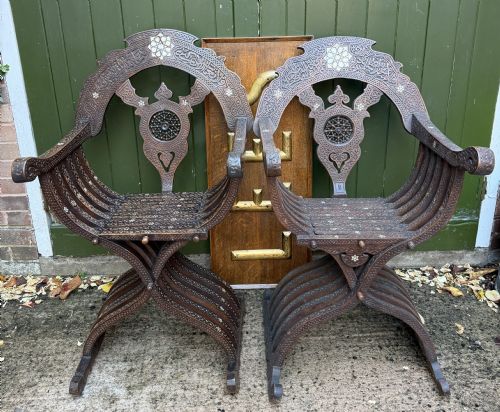
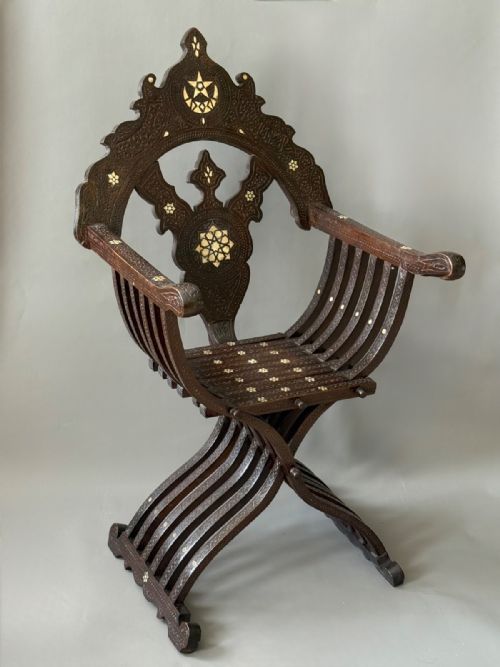
Origin plays a strong role in shaping these pieces, with French giltwood and painted bergères sitting alongside English mahogany library chairs and Middle Eastern mother-of-pearl inlaid frames. Each period brings distinct proportions and turning techniques, reflecting the domestic habits of its era.
Materials and construction
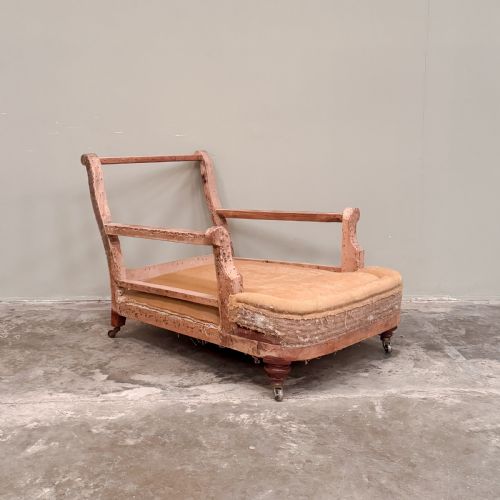
Timbers such as walnut, mahogany, oak, and beech form the structural skeleton of these seats, chosen for grain density and bending strength. Joinery relies on traditional mortise and tenon joints, sometimes reinforced with intricate turnings like bobbin framing or structural X frames.
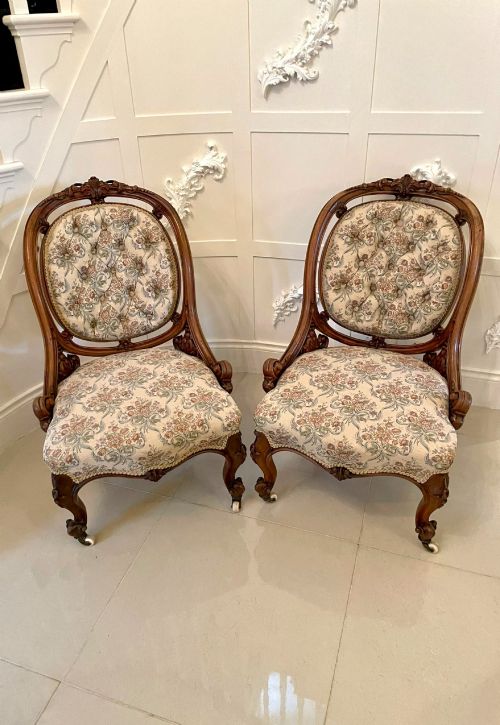
Surface finish and ornamentation vary widely, incorporating hand-carved foliage, applied giltwood, original paint, or contrasting inlays of nacre-shell and mother-of-pearl. Upholstered elements add layers of fabric, velvet, or brass studwork over sprung or stuffed foundations.
Wood Framed Chair Retail Price Guide 2026
Typical asking prices for wood framed chair among the pieces listed under this phrase on Sellingantiques today, from the lower quarter to the upper quarter. They describe what is for sale here now, not the wider market.
Mother-of-pearl and nacre-shell inlay catch the candlelight just as they did in Victorian drawing rooms.
Distinctions in craftsmanship
Quality rests in the crispness of the timber carving and the integrity of the underlying frame construction. Superior pieces show tightly fitted joints and substantial timber scantlings that prevent wobble under daily use.
The refinement of secondary details, such as hand-turned legs, well-matched veneer work, and intact original surface finishes like gilding or paint, separates standard domestic seating from finer workshop productions.
Gillows
The Wood Framed Chair Glossary
- Fauteuil
- An open-arm armchair originating in France, characterised by upholstered armrests and an exposed wooden frame. The arms typically have padded elbow rests.
- Wainscot chair
- An early heavy wooden armchair constructed primarily from oak using panel-back joinery. These pieces date to the 17th century and reflect vernacular joinery traditions.
- X-frame
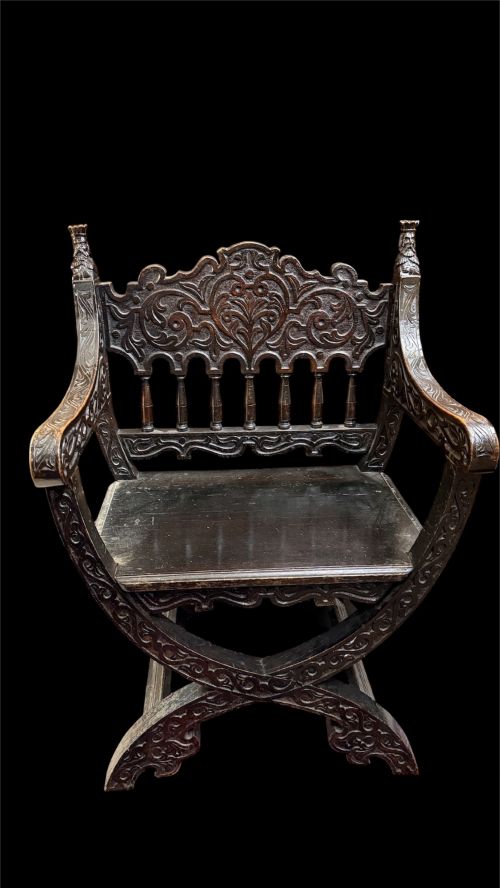
- A chair or stool structure supported by intersecting diagonal legs forming an X shape. This ancient form reappears in various revival periods for ceremonial or formal seating.
- Bobbin framing
- Turned woodwork shaped into a series of rounded spheres resembling bobbins or spools strung together. This decorative turning technique appears frequently on 19th century framework.
Wood Framed Chair: Frequently Asked Questions
What is a wood framed chair?
A wood framed chair is any seat where the structural timber skeleton remains visible as part of the design, supporting the backrest, legs, and arms.
These pieces range from plain utilitarian seating to elaborately carved parlor armchairs made from hardwoods like walnut, mahogany, and oak.
How do I date an antique chair?
Dating relies on identifying the prevailing style, timber choices, and construction methods characteristic of specific periods like the Victorian era or Edwardian times.
Examining the tool marks, joinery techniques, and upholstery foundations also helps narrow down the decade of manufacture.
Are these chairs comfortable for daily use?
Many antique armchairs offer deep padding and supportive back angles suited for everyday sitting rooms and studies.
Upholstered versions often benefit from modern restoration of internal webbing and springs while retaining their historic wooden frames.
What woods were commonly used?
Cabinet makers predominantly utilised dense hardwoods such as mahogany, walnut, oak, and beech for their strength and ability to hold fine carved details.
Alternative timbers like fruitwood, ash, elm, and exotic goncalo alves appear in specific regional or decorative contexts.