
Wood Dressing Mirror
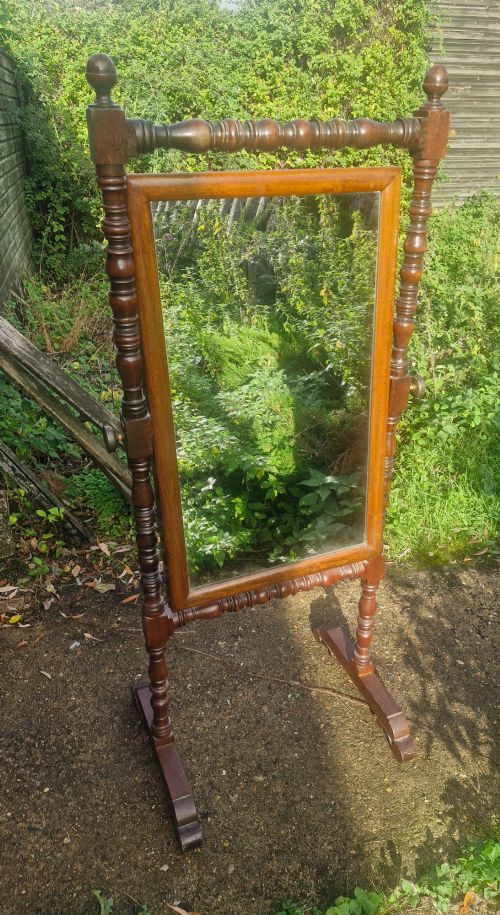
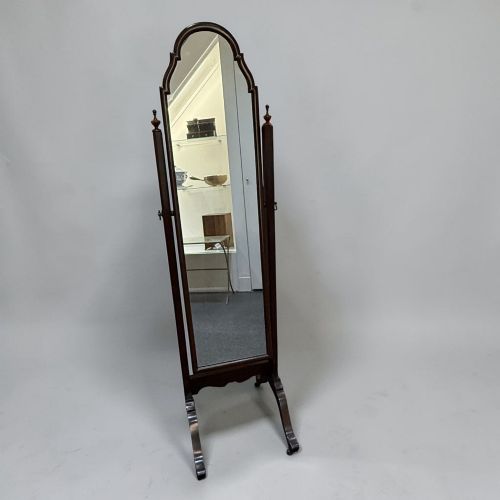
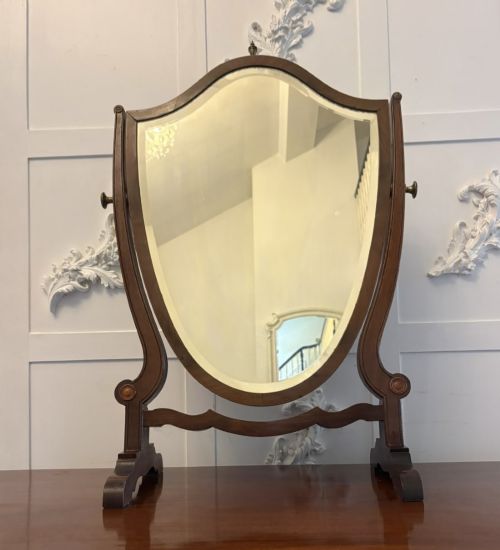
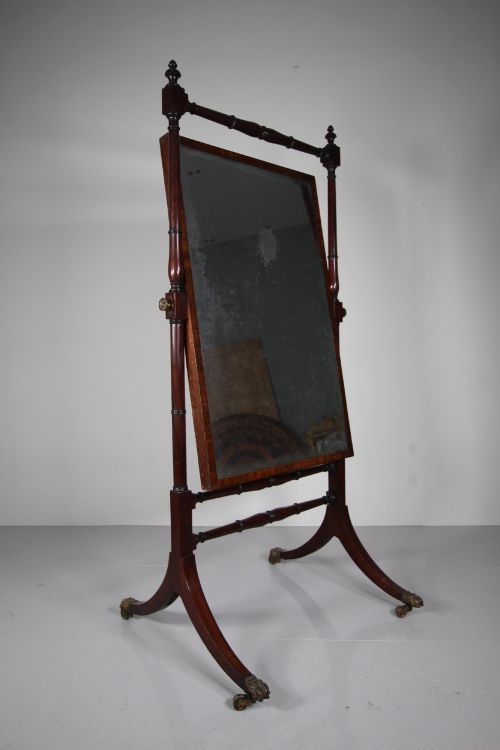
A wood dressing mirror brings daily utility and reflective warmth to a bedroom, ranging from compact swing tables to tall floor-standing cheval forms.
Wood Dressing Mirror
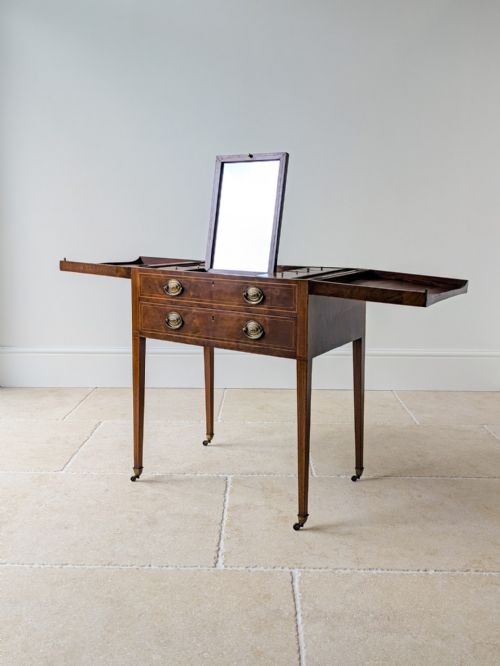
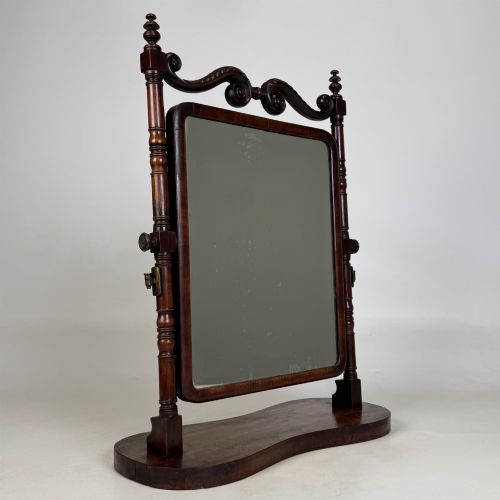
When you search for a wood dressing mirror, you encounter everything from compact tabletop swing glasses resting on small drawer bases to large freestanding cheval frames built to pivot on vertical supports.
The versions you meet most frequently on this page date from the Georgian, Victorian, and Edwardian eras, predominantly fashioned from rich timbers like mahogany and walnut.
Smaller examples often sit atop dressing chests or tables, while grander cheval mirrors stand independently on the floor to reflect the entire figure.
Materials and construction methods
Cabinetmakers constructed these frames using durable hardwoods such as mahogany, walnut, and satin birch, frequently incorporating boxwood stringing, brass castors, and mother-of-pearl inlay for decorative contrast.
Reflective surfaces relied upon traditional glass plates, occasionally featuring mercury backing in earlier French examples or pivoting on brass pivots and screws to adjust the viewing angle.
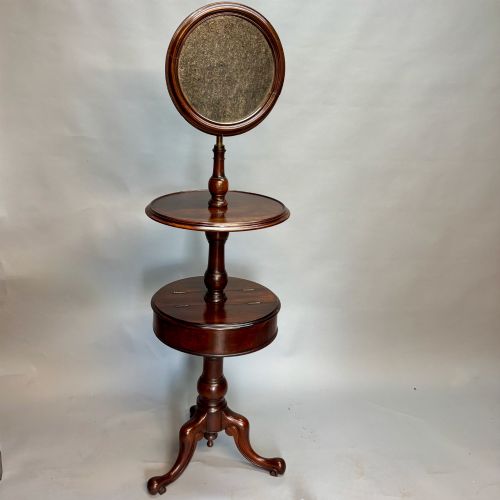
One extraordinary nineteenth-century piece even arrived with a built-in spot specifically designed for stashing shaving soap.
Factors influencing quality and craftsmanship
Quality rests upon the selection of timber figures, such as burr walnut or birds-eye maple, and the crispness of hand-carved details on the frame and support standards.
Superior pieces display thoughtful proportions, robust joinery in the drawer boxes, and original brass hardware that operates smoothly without excessive play in the swivel pivots.
Shapland & Petter·Heal & Sons
The Wood Dressing Mirror Glossary
- Cheval mirror
- A large floor-standing mirror suspended in a frame that allows it to swing vertically. This tall design permits a full-length view of the user.
- Toilet mirror
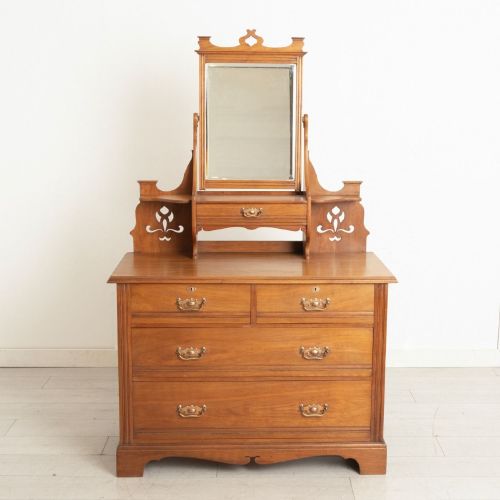
- A smaller tabletop glass mounted on a miniature chest or frame containing tiny drawers. It historically sat upon a dressing table for close grooming.
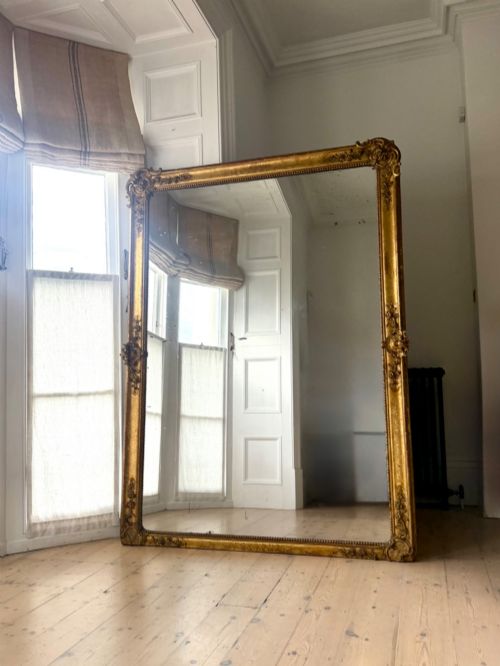
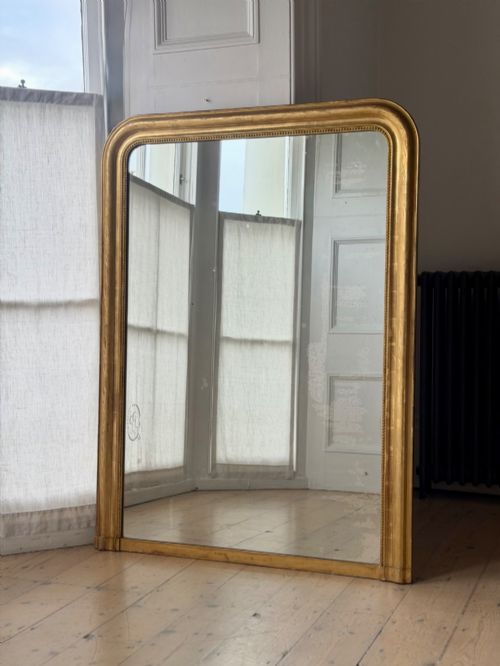
- Giltwood
- Timber carved and coated with a thin layer of gold leaf or gesso finish. It provides a bright metallic contrast to darker woods.
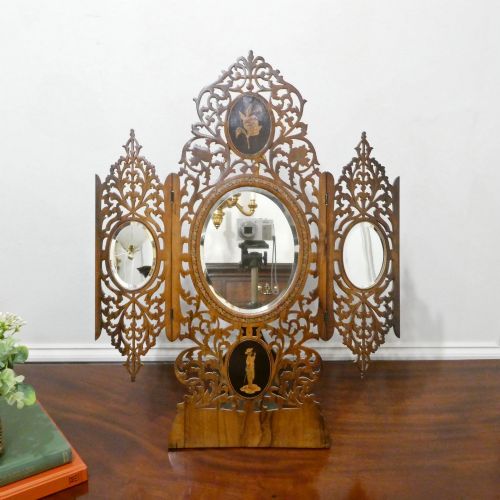
- Triptych mirror
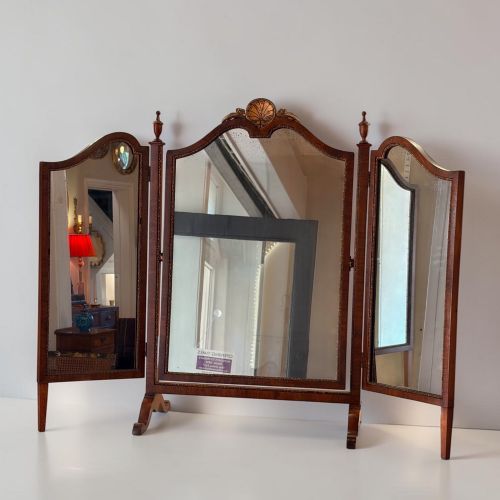
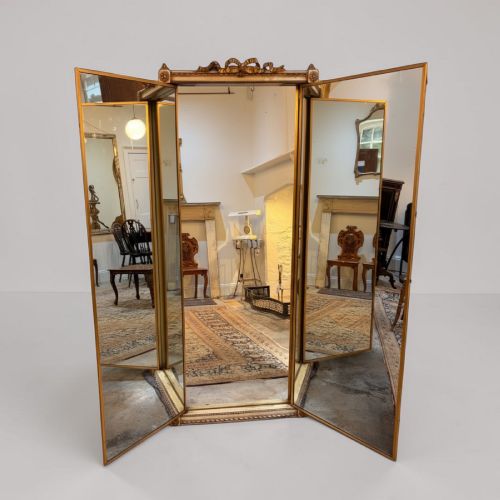
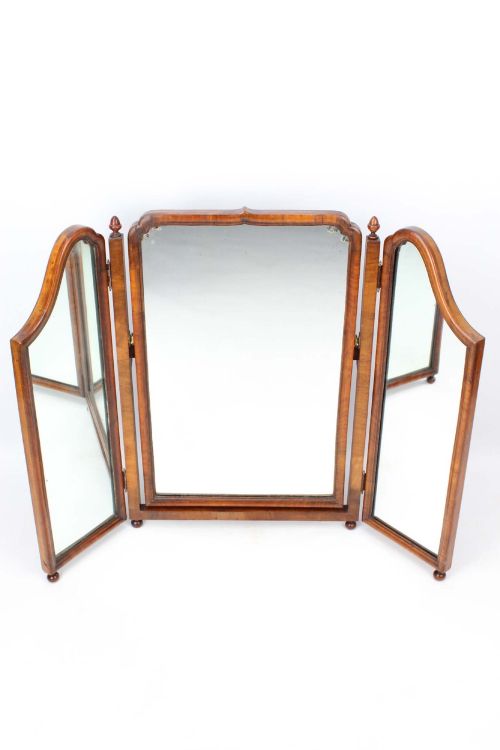
- A three-panel glass arrangement featuring a central plate flanked by two smaller hinged wings. This setup allows the user to view angles from the side.
- Shaving stand
- A specialised compact furniture piece incorporating an adjustable mirror and small surfaces for grooming tools. These items date primarily through the Victorian and Georgian periods.
Wood Dressing Mirror: Frequently Asked Questions
How do I date a wood dressing mirror?
Examine the timber species, joinery methods, and the bevel or thickness of the glass plate. Georgian and Victorian pieces often show hand-cut dovetails in the base drawers.
Hardware details like brass castors and swing screws also help narrow the decade of manufacture when compared against known period styles.
What is the difference between a cheval and a toilet mirror?
A cheval mirror is a tall, floor-standing piece designed to show your entire reflection. It pivots within a heavy upright frame.
By contrast, a toilet mirror is much smaller and sits upon a chest of drawers or a dressing table to show the upper body.
How should I care for an antique wood frame?
Dust the timber regularly with a dry, soft cloth and avoid placing the mirror in direct sunlight or near heat sources. Excessive dryness can cause old wood to split.
Apply a quality wax polish sparingly only when the timber appears dry, buffing it gently to maintain a natural lustre.
Can I adjust the angle of a swing mirror?
Most tabletop and cheval mirrors use brass screw caps or side pins that can be gently tightened or loosened to hold the glass at the desired tilt. Check that the supporting arms are secure before making adjustments.
Take care not to force stiff mechanisms, as older brass threads can strip if handled too roughly.