



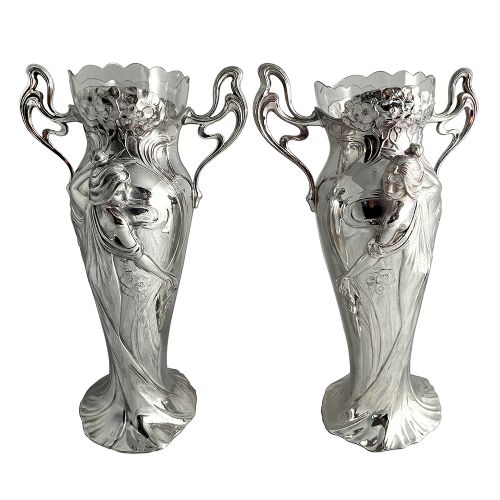


Wmf Silvered Pewter
Wmf silvered pewter pieces bring fluid Art Nouveau forms and sculptural metalwork into your home, prized for their elegant maidens, serpents, and distinctive botanical curves.
Wmf Silvered Pewter
When you search for wmf silvered pewter, you encounter decorative metalwork originating from the turn of the twentieth century. These items embody the flowing lines and organic motifs characteristic of the period.
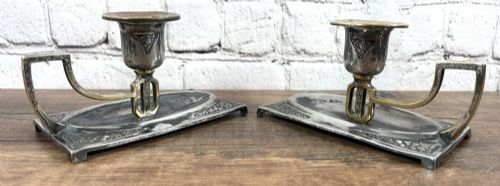
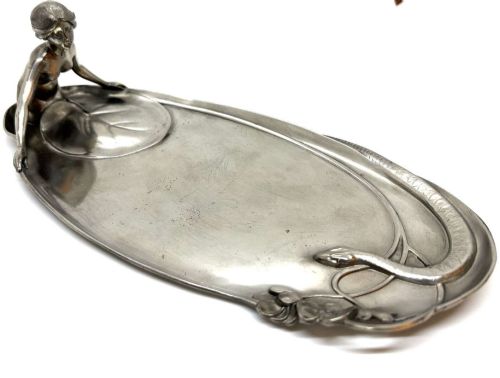
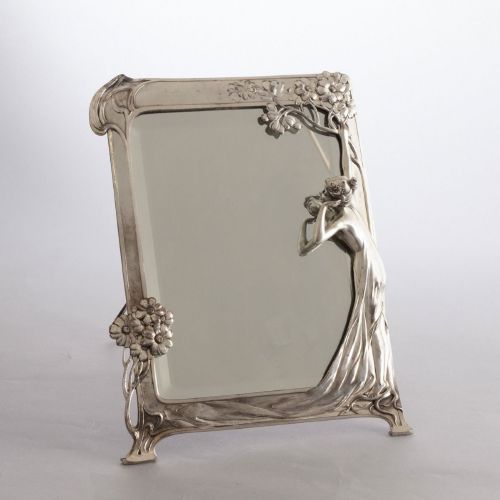
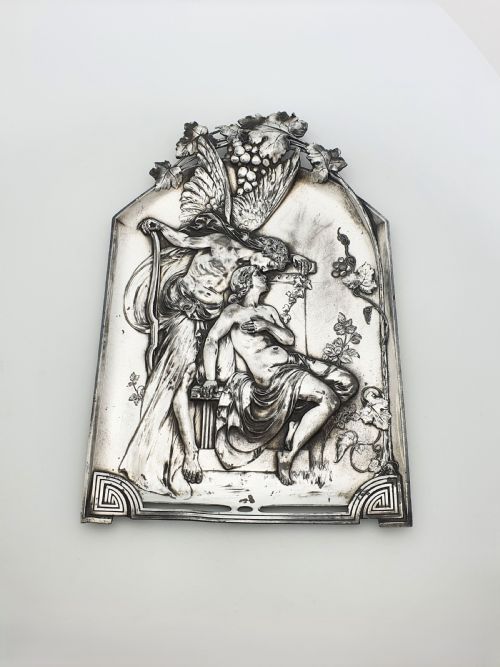
The pieces appearing here include candle holders, card trays, table mirrors, and wall plaques. You also find practical tableware items such as pitchers, jugs, baskets, and elaborate centrepieces combining metalwork with glass inserts.
Most examples date from around nineteen hundred, aligning firmly with the height of the Art Nouveau movement. Makers utilise pewter, silvered pewter, and Britannia metal, frequently incorporating ruby glass or clear glass components.
How they were made
The manufacturing process relies heavily on casting pewter and Britannia metal into complex, sculptural moulds. Artisans then apply a silvered finish to the metal surface to give it a brighter, reflective quality.
Many designs integrate blown or moulded glass elements, such as ruby glass baskets or crystal bowls held within figural metal stands. Stamping marks on the base often indicate the production origin and maker identity.
Wmf Silvered Pewter Retail Price Guide 2026
Typical asking prices for wmf silvered pewter among the pieces listed under this phrase on Sellingantiques today, from the lower quarter to the upper quarter. They describe what is for sale here now, not the wider market.
Materials recorded across the selection include silvered pewter, Britannia metal, brass, and contrasting ruby glass.
What varies in quality
Quality rests in the crispness of the figural casting and the preservation of the silvered finish over the pewter substrate. Intricate details on maiden figures, serpents, and floral tendrils remain sharp on superior examples.
The presence of original glass inserts, such as ruby glass bowls or liners, alters the completeness of an object. Clear maker stamps and well-preserved plating distinguish finer decorative items from standard production pieces.
The Wmf Silvered Pewter Glossary
- Art Nouveau
- A decorative style of the late nineteenth and early twentieth centuries characterised by flowing, asymmetrical lines inspired by natural forms. It heavily influences the curves found in these metal and glass pieces.
- Silvered Pewter
- A base metal alloy coated with a thin layer of silver to enhance its appearance. This technique gives the dull grey metal a brighter, reflective sheen.
- Britannia Metal
- A specific tin-based alloy known for its silvery lustre and smooth surface, often utilised as a base for plating. It provides a durable structure for intricate casting.
- Tazza
- An ornate cup or shallow bowl raised on a stem and foot, frequently used as a centrepiece. These items showcase elaborate figural handles and decorative borders.
Wmf Silvered Pewter: Frequently Asked Questions
What is wmf silvered pewter?
These items are decorative domestic objects produced in Germany around the turn of the twentieth century. They combine cast metal alloy with silver plating to create sculptural homeware.
They reflect the dominant design trends of the era, focusing on natural motifs and stylised figures.
How do I clean silvered pewter?
Cleaning requires a soft cloth and mild soapy water, avoiding harsh abrasive polishes that remove the thin silver layer. Gentle care preserves the original surface finish.
Store the items in a stable environment away from excessive moisture to prevent tarnishing or metal degradation.
How can I date these items?
Dating relies primarily on stylistic indicators such as the flowing lines of the Art Nouveau movement prevalent around nineteen hundred. Maker stamps and company hallmarks stamped into the metal base also help establish production periods.
Associated materials like ruby glass and Britannia metal further narrow the timeframe of manufacture.
Were these pieces purely decorative?
While many items served an ornamental purpose as centrepieces or wall plaques, several designs had practical domestic uses. Card trays, crumb scoops, jugs, and candle holders functioned in daily household routines.
They bridged the gap between fine art sculpture and functional table service.