





Winter Oil Painting
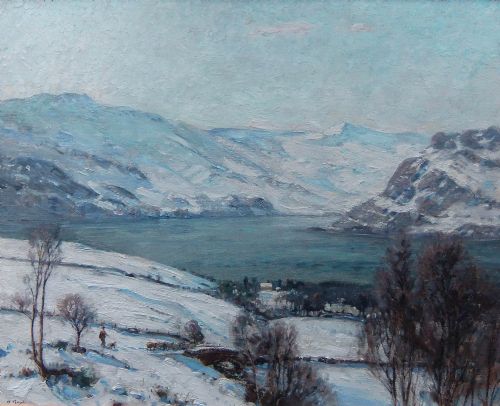
A winter oil painting brings frost, snow, and grey skies directly onto canvas through layered pigments and brushwork.
Winter Oil Painting
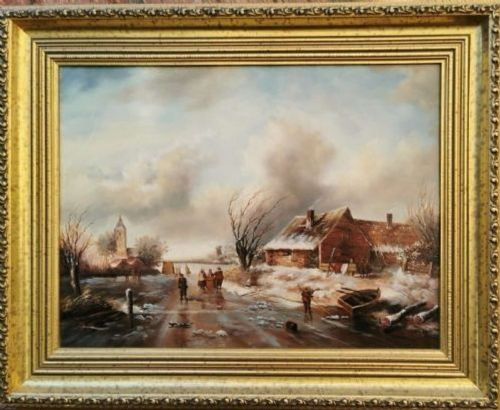
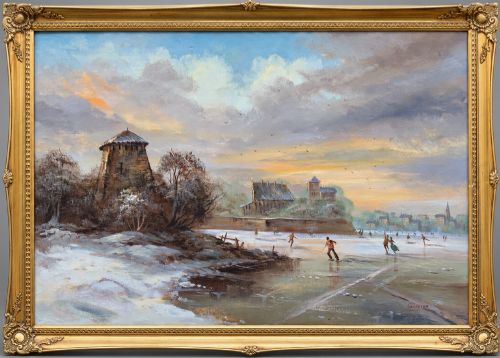
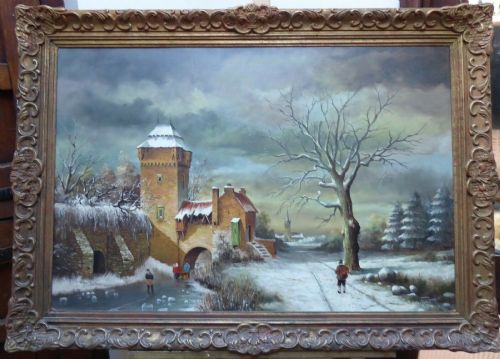
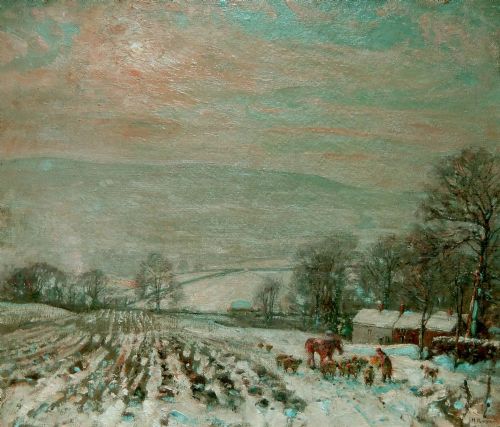
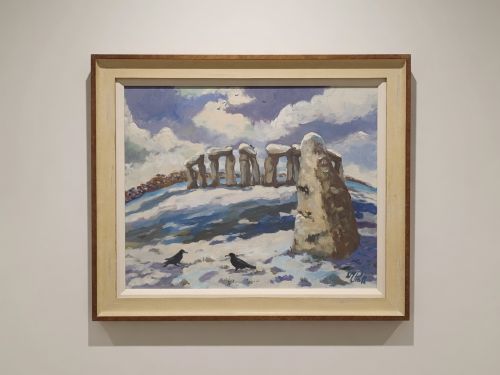
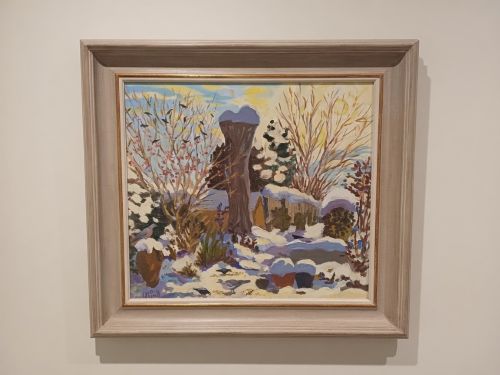
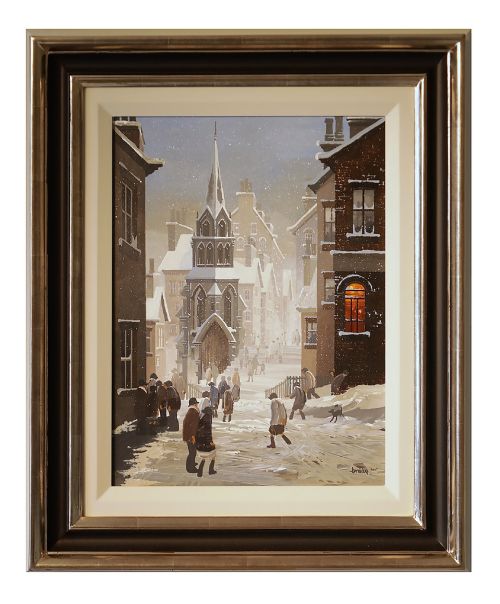
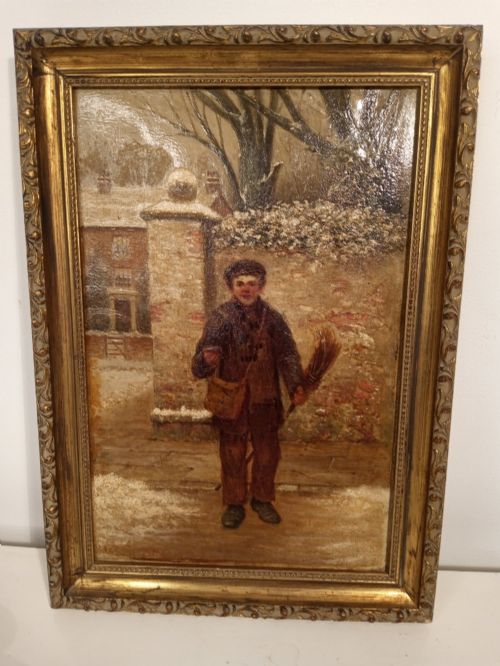
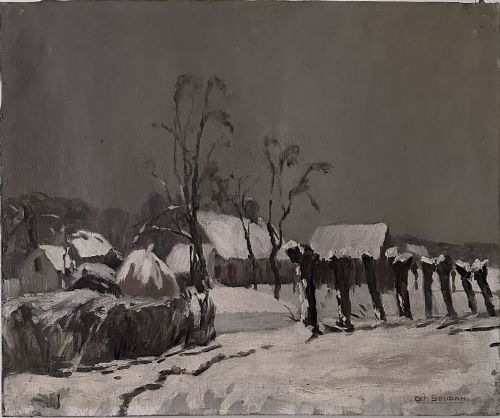
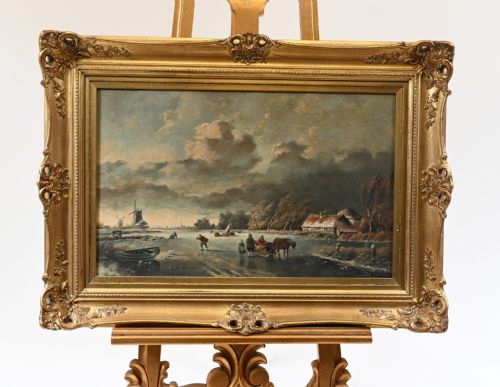
A winter oil painting captures frozen landscapes, snow-covered villages, and cold seasonal light across several decades and centuries. You will frequently encounter nineteenth-century coaching scenes, early twentieth-century rural Yorkshire views, and mid-century Dutch-manner skating landscapes.
These works span British Impressionism, Victorian realism, and Modern British styles, depicting everything from solitary farmsteads in the snow to bustling ice skaters on frozen lakes.
Formats range from intimate canvas boards to large framed oils, preserving the chill of past winters through varied regional interpretations.
How They Were Made
Artists built these compositions primarily using oil paint applied to stretched canvas or wooden board, allowing for rich texture and subtle blending of cold tones. Painters manipulated heavy pigments to render the thick, opaque quality of fresh snow and the translucent depths of ice.
Winter Oil Painting Retail Price Guide 2026
Typical asking prices for winter oil painting among the pieces listed under this phrase on Sellingantiques today, from the lower quarter to the upper quarter. They describe what is for sale here now, not the wider market.
The selection includes British Impressionism, Dutch School styles, and contemporary British works.
What Varies in Quality
The sophistication of brushwork and the handling of atmospheric light distinguish finer examples from simpler decorative works. Masterful depiction of winter shadows and the tactile quality of applied oil paint elevate a composition beyond a standard seasonal record.
Condition of the canvas, stability of the underlying support, and the integrity of the paint surface influence the overall presence of the piece.
Gaastra·Herbert Royle·Lucy Pratt·Brian Shields Braaq·Thomas Hicks·Fannie Moody·Arthur Winter Shaw·Charles Jones·John Charles Maggs·Sydney Kendrick·Pieter Cornelis Steenhouwer·Alexis De Leeuw·Ernest Higgins Rigg·John Ritchie·William Greaves·John Richard Worsdale
The Winter Oil Painting Glossary
- Canvas
- A heavy woven fabric stretched across a wooden frame to serve as a support for oil painting. It provides the foundational texture visible beneath many historical layers of pigment.
- Giltwood
- Wood carved and coated with a thin layer of gold leaf or metallic gilt, commonly used for traditional picture frames. This finish adds warm contrast to cool winter scenes.
- Impressionism
- A style of painting that focuses on capturing the visual impression of the moment, particularly shifting light and atmosphere. Artists utilise rapid brushstrokes rather than precise detail.
- Dutch School
- A tradition of painting originating in the Netherlands, known for detailed landscapes, domestic scenes, and atmospheric winter views. Many later works deliberately emulate this historical manner.
- Genre Painting
- Art that depicts aspects of everyday life by portraying ordinary people engaged in common activities. Winter examples often feature figures skating on ice or travelling by stagecoach.
Winter Oil Painting: Frequently Asked Questions
How do I date a winter oil painting?
Examine the canvas preparation, stretcher frames, and stylistic clues within the brushwork and clothing of any figures depicted. Signatures and dates inscribed on the reverse often provide direct confirmation of the period.
Contextual details such as horse-drawn coaches or specific architectural styles also help narrow down the decade of creation.
Where should I hang a winter oil painting?
Position the piece away from direct sunlight and strong heat sources to protect the oil paint and canvas from drying out or warping. A wall with stable ambient temperature ensures the longevity of both the artwork and its frame.
Pairing the painting with complementary traditional or modern interior elements enhances its visual impact in a room.
What is the difference between canvas and board?
Canvas consists of woven fabric stretched over a wooden frame, offering slight give and a textured surface for the paint. Board provides a rigid, flat wooden or composite support that resists punctures differently.
Both materials have been utilised across various centuries depending on the artist's preference and availability of supplies.
How do I care for an antique oil painting?
Dust the surface very gently with a soft, dry brush without applying pressure to the paint layers. Avoid using water, household cleaners, or chemical solvents on the delicate pigment.
Professional conservators should handle any cleaning or structural repairs needed for older canvases.