



Winter Landscape Canvas
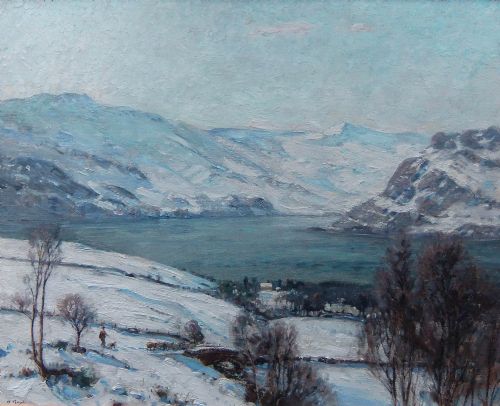
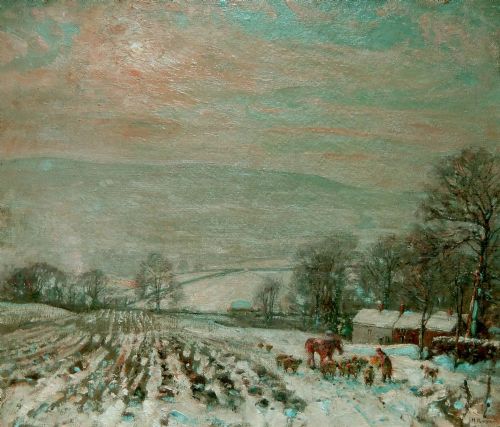
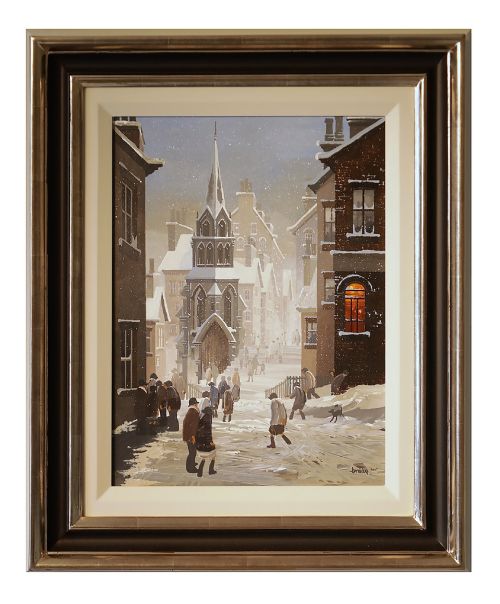
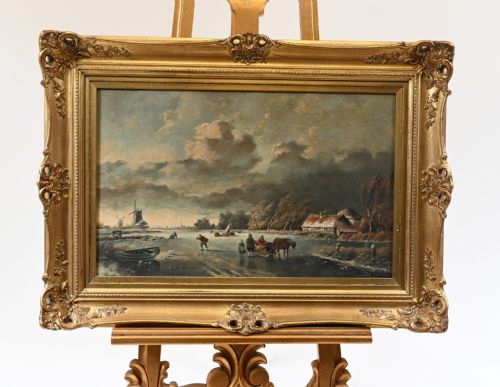
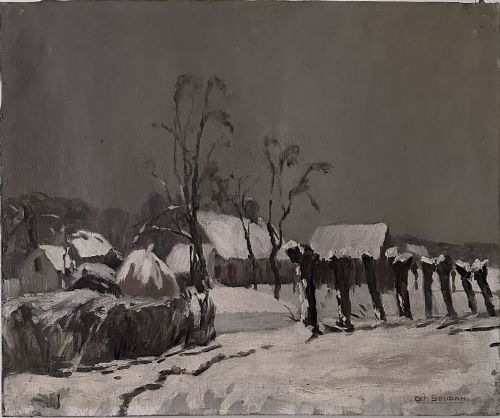
A winter landscape canvas brings the chill of a frozen lake, a Yorkshire dale, or a snowy coaching scene directly into the room through layered oil paint.
Winter Landscape Canvas
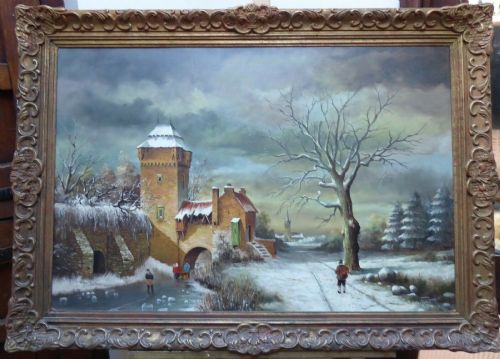
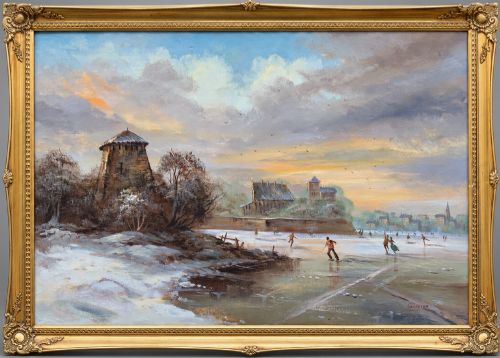
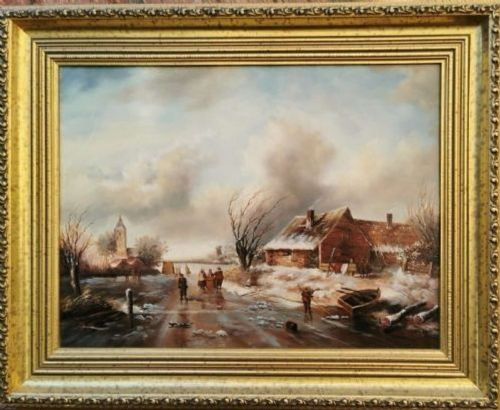
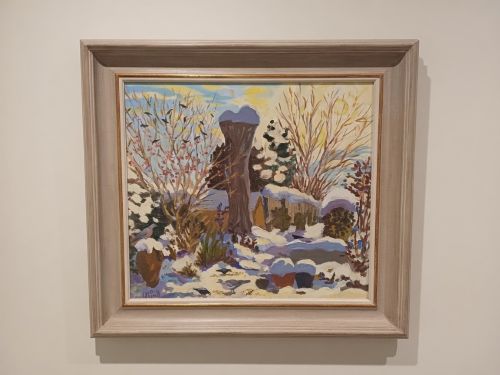
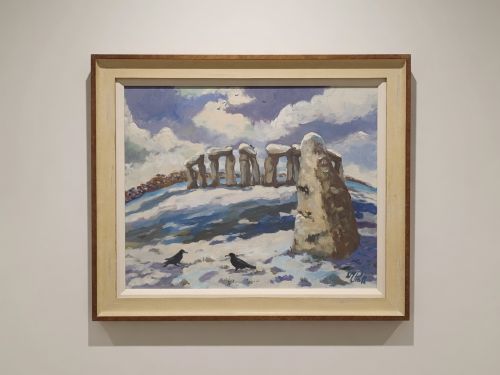
A winter landscape canvas captures frozen waterways, snow-covered village streets, and livestock grazing in bitter weather. These oil paintings span from the nineteenth century through the mid twentieth century, recording quiet rural scenes and bustling Dutch ice-skating gatherings.
The most common examples on this page are British and Dutch works painted on stretched canvas, featuring traditional subjects such as sheep droving, horse-drawn stagecoaches, and rural cottages surrounded by snow.
Collectors encounter pieces attributed to known painters alongside unsigned canvases created in the distinct manner of regional European schools. The formats range from intimate cabinet paintings to large decorative works designed for prominent wall display.
Materials and construction
These works are executed in oil paint upon woven canvas stretched over wooden frames, often supported by gesso layers on period wood frames. The physical build relies on traditional ground preparation that holds thick impasto and thin tonal glazes alike.
Artists built up snow scenes using heavy white pigments alongside earthy tones to render grey skies and dark tree branches against frozen ground. The combination of oil on canvas allowed painters to manipulate wet pigment, capturing the transient light of short winter days.
Winter Landscape Canvas Retail Price Guide 2026
Typical asking prices for winter landscape canvas among the pieces listed under this phrase on Sellingantiques today, from the lower quarter to the upper quarter. They describe what is for sale here now, not the wider market.
Several canvases capture dogs participating in the hunt and sheep braving the snow, proving that winter landscapes were rarely as quiet as they looked.
Distinctions in quality
Quality rests upon the artist's handling of atmospheric light and the convincing weight of snow, rather than the mere presence of winter motifs. Skilled painters render the cold grey diffusion of a snowy afternoon with nuanced brushwork, whereas lesser works rely on formulaic white highlights.
The structure of the canvas, the stability of the wood stretcher, and the preservation of the original paint layer determine the integrity of a piece. Works retaining their early giltwood frames or clear signatures carry stronger documentary value for collectors.
Pieter Cornelis Steenhouwer·Herbert Royle·Brian Shields Braaq·Thomas Hicks·Fannie Moody·Arthur Winter Shaw·Charles Jones·John Charles Maggs·Sydney Kendrick·Alexis De Leeuw·Ernest Higgins Rigg·John Ritchie·Ludwig Hermann·Louis Smets·Anthonij Anton Mauve
The Winter Landscape Canvas Glossary
- Canvas
- A heavy woven fabric stretched across a wooden frame to serve as a painting surface. It provides the flexible support essential for oil application.
- Impasto
- Paint applied thickly to a canvas, standing out from the surface so that texture and brush marks remain visible. This technique often denotes snowdrifts or icy ridges.
- Stretcher
- The internal wooden frame that holds the canvas taut. Older pieces often show traditional corner wedges and handmade wooden joints.
- Gesso
- A plaster mixture applied to wood frames or panels to prepare a smooth surface for gilding and painting. It forms the hard white base beneath many period frames.
- Dutch School
- A collective term for seventeenth to twentieth-century painters influenced by the realist traditions of the Netherlands. These works frequently depict frozen canals and skaters.
Winter Landscape Canvas: Frequently Asked Questions
How should I clean a winter landscape canvas?
Dust the surface gently with a soft, dry brush to prevent particulate buildup. Avoid using water or liquid solvents on the oil paint.
Consult a professional conservator if the canvas requires deeper cleaning or varnish removal. Improper handling can strip delicate glazes from the paint layer.
Are these paintings original works?
Every piece listed is an original oil painting on canvas rather than a modern mechanical reproduction. Artists painted each scene directly by hand during the periods indicated.
Signatures, stretcher construction, and canvas weave help verify the age and authenticity of each work. Many pieces retain original framing from their period of creation.
How do I date an antique canvas?
Examine the construction of the wooden stretcher, the type of nails or tacks used, and the weave of the canvas fabric. Older pieces often display hand-cut wooden joints and darkened oil pigments.
Stylistic cues, artist signatures, and framing materials also offer reliable indicators of the decade or century in which the work was produced.
Where should I hang these paintings?
Display the canvas away from direct sunlight and excessive humidity to protect the oil paint and wooden frame. Stable indoor conditions prevent the canvas from sagging or becoming brittle over time.
Pair the work with traditional wall spaces where adequate lighting can highlight the textured brushwork of the snow and ice.