



Winter Canvas Art
Winter canvas art brings cold-weather scenes into interiors, capturing frost, snow, and ice through painted textures.
Winter Canvas Art
Winter canvas art encompasses painted scenes of snow, frost, and cold weather executed on fabric supports. These works range from nineteenth-century coaching scenes to mid-twentieth-century village landscapes.
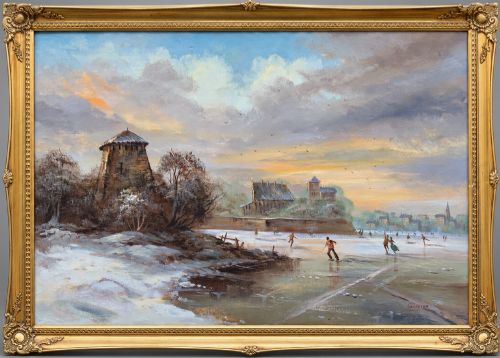
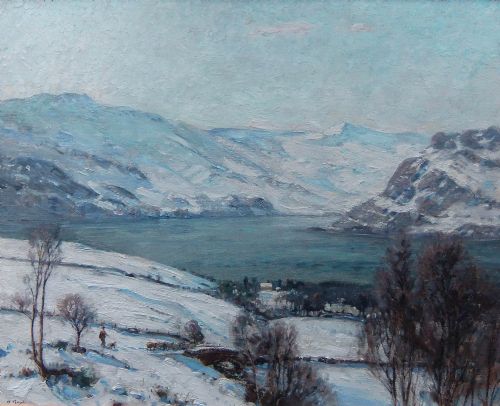
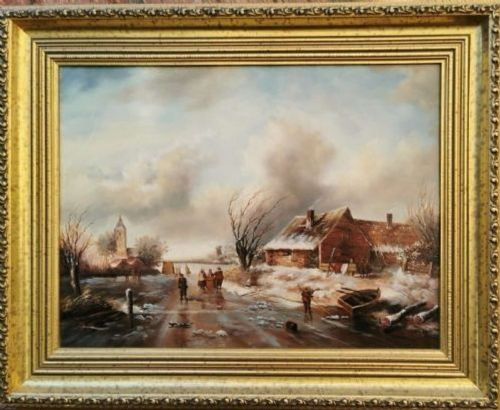
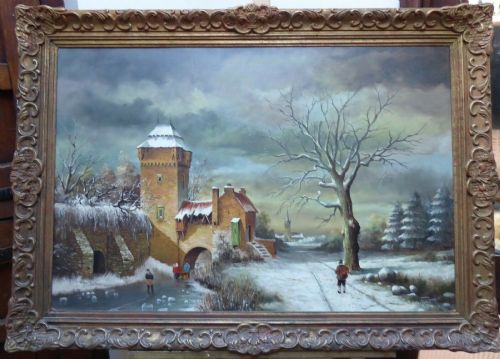
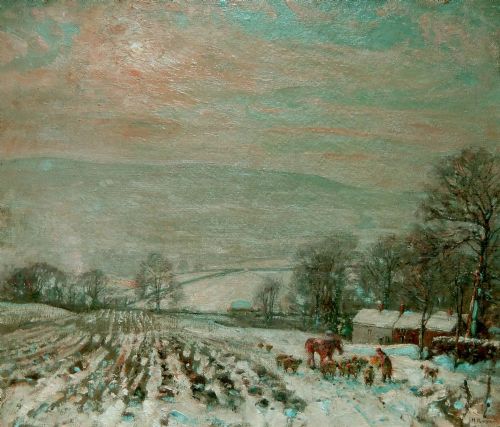
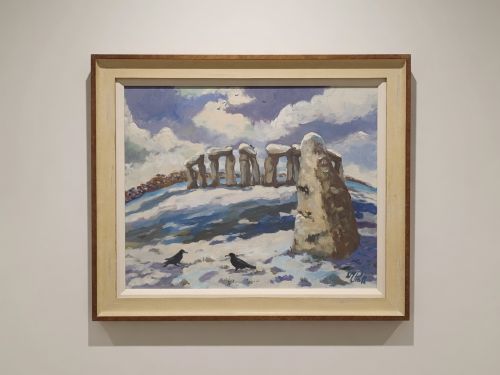
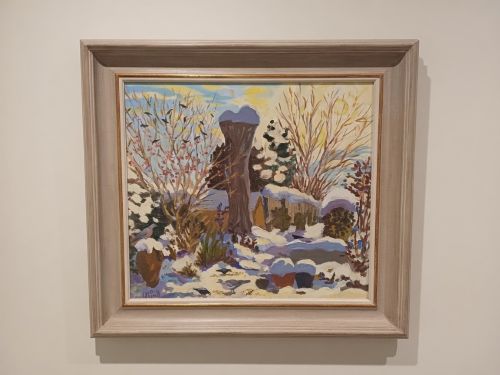
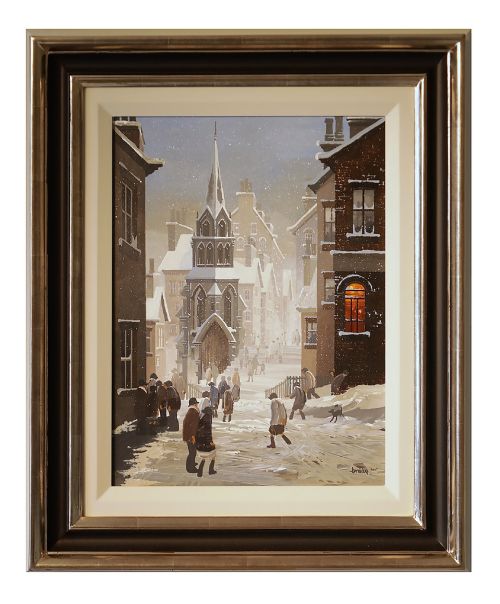
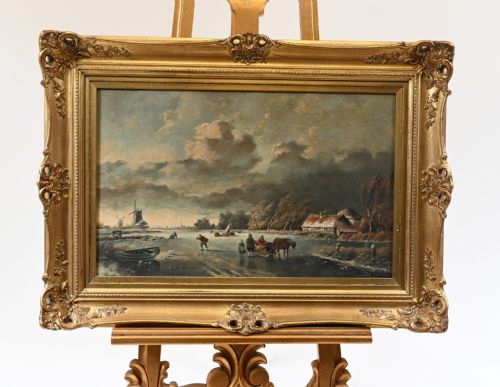
Buyers meet pieces stretching from the eighteen-seventies through the nineteen-sixties on this page. Common subjects involve frozen lakes with skaters, snow-covered sheep-droving routes, and crisp rural lanes.
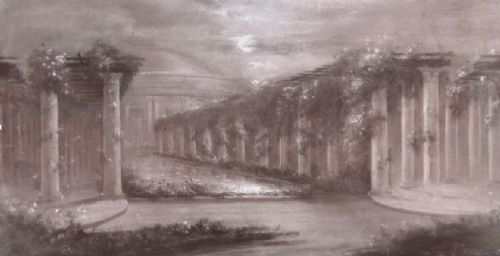
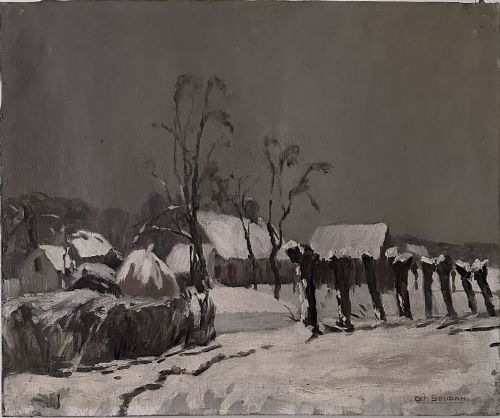
British Impressionist and Dutch School approaches dominate the visual record. Many works focus on tonal variations of white, grey, and brown to render winter light.
Materials and construction
These works rely on oil paint applied to woven canvas stretched over wooden frames. Giltwood and gesso frames frequently enclose the stretched fabric.
Artists built up pigment using brushwork to capture the dense texture of snow and the glassy surface of ice. Wooden stretchers provide the structural tension behind the painted textile surface.
Winter Canvas Art Retail Price Guide 2026
Typical asking prices for winter canvas art among the pieces listed under this phrase on Sellingantiques today, from the lower quarter to the upper quarter. They describe what is for sale here now, not the wider market.
Listings feature oil paintings on canvas depicting winter scenes from the nineteenth and twentieth centuries.
Variations in quality
Quality rests on the handling of light and atmospheric depth within the cold palette. Stronger works convey the chill and moisture of the air through confident pigment application.
The precision of spatial perspective in complex compositions like coaching scenes or crowded frozen lakes separates accomplished works from simpler regional pieces.
Pieter Cornelis Steenhouwer·Herbert Royle·Thomas Hicks·John Charles Maggs·Ernest Higgins Rigg
The Winter Canvas Art Glossary
- Canvas
- A heavy woven fabric used as a surface for oil painting. It is typically stretched tightly across a wooden frame before work begins.
- Oil paint
- A slow-drying medium made by mixing pigments with drying oils such as linseed. This material allows for thick impasto effects used to render snow.
- Stretcher
- The wooden framework that supports the textile substrate under tension. Older pieces often feature wedged corners to adjust this tension.
- Giltwood
- Wood carved and covered with a thin layer of gold leaf. This material frequently forms the ornate frames surrounding nineteenth-century paintings.
- Tonalism
- An artistic style emphasising atmospheric moods and shadow rather than crisp graphic detail. It appears often in early twentieth-century depictions of frost and dusk.
Winter Canvas Art: Frequently Asked Questions
What periods do these pieces span?
The available selection covers works from the nineteenth century through the mid-twentieth century. Examples include Victorian coaching scenes and nineteen-sixties Dutch landscapes.
Dates extend from the eighteen-seventies up to modern mid-century items. This timeline captures shifting approaches to seasonal landscape painting over nearly a century.
How should I hang these paintings?
Keep them away from direct sunlight and damp walls to protect the canvas and oil medium. Proper placement preserves the structural integrity of the wooden stretcher.
Ensure the surrounding environment maintains stable humidity levels. This prevents the fabric and the gesso frame from cracking over time.
Are these works original oil paintings?
The listings consist of original oil paintings on canvas rather than mechanical prints. Artists applied pigment directly by hand to the textile support.
Every piece utilises traditional painting techniques, showing visible brushstrokes and material texture. This handmade quality defines the category.
What subjects appear most often?
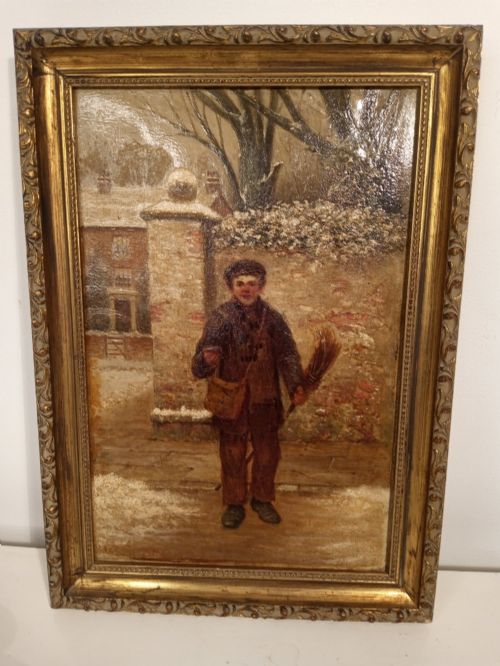
Common subjects include frozen rivers with ice skaters, snow-covered village streets, and rural livestock in winter fields. Coaching scenes involving stagecoaches in snowstorms also recur.
Artists frequently documented daily life during cold weather, recording figures on ice and rural workers navigating snow. These themes reflect both British and continental European traditions.