


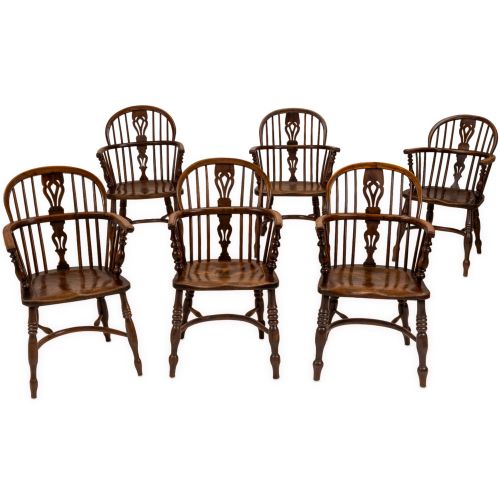


Windsor Dining Armchair
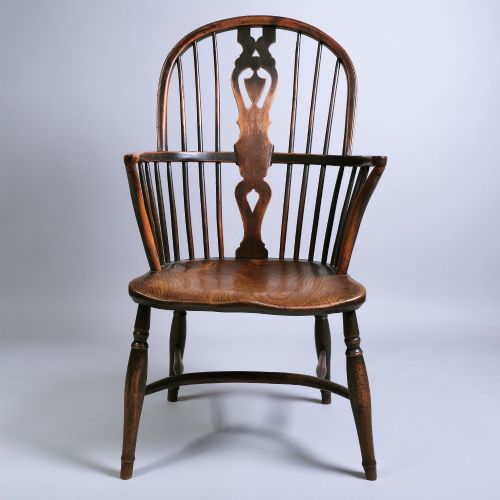
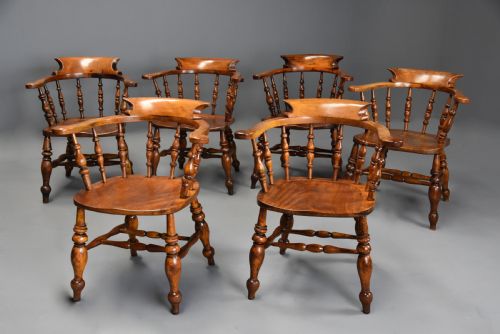
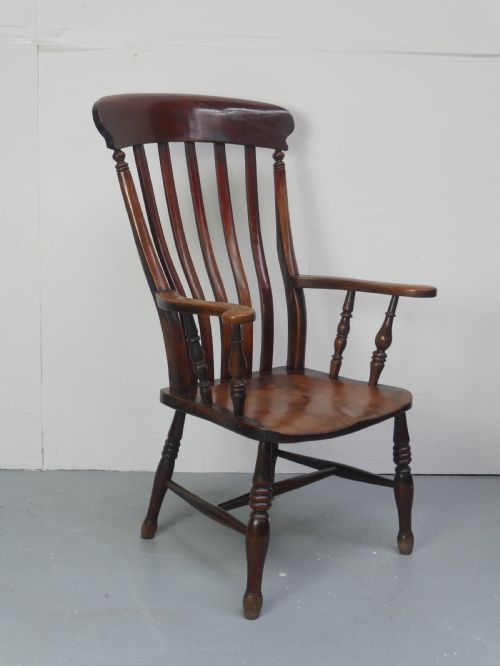
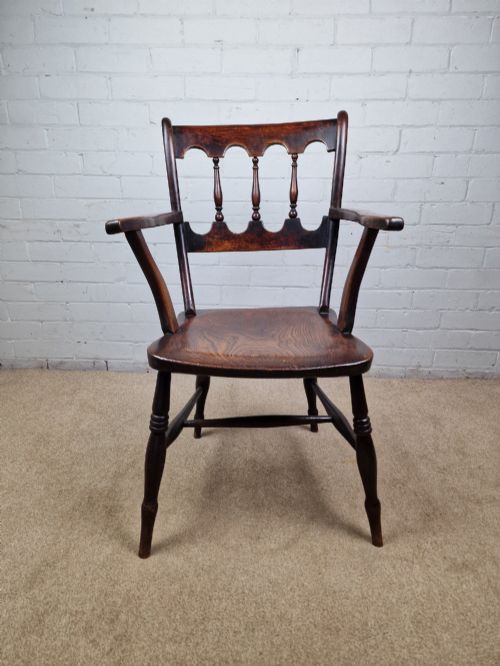
A Windsor dining armchair brings robust vernacular timber craftsmanship directly to the table.
Windsor Dining Armchair
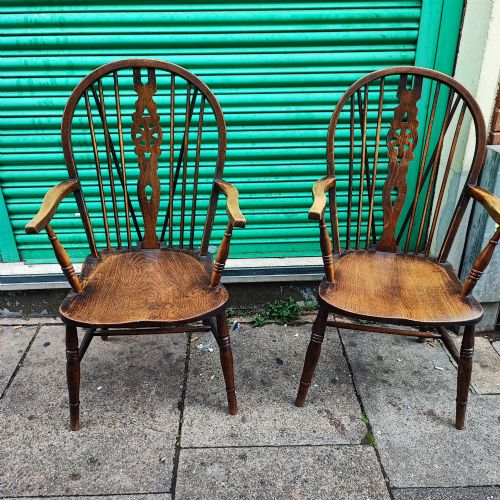
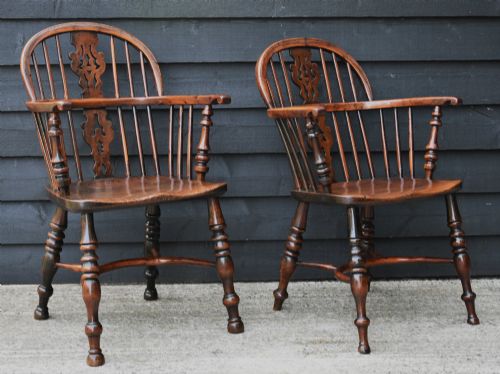
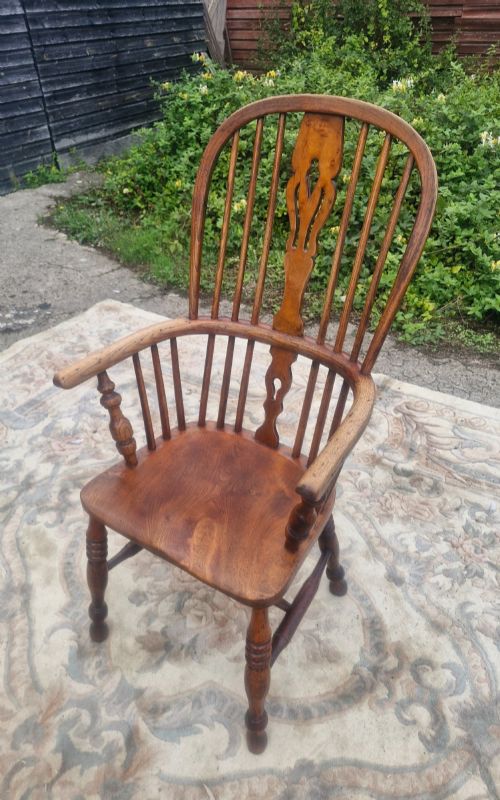
A Windsor dining armchair is a sturdy wooden seat built with a distinct central split in construction where the legs and back are wedged directly into a thick sculpted solid wooden seat. When you search for this phrase, you find traditional seating originating from country workshops, farmhouse kitchens and provincial dining rooms across various English regions.
The most common examples you meet on this page date from the nineteenth century, spanning Victorian and Georgian vernacular traditions. These pieces frequently combine elm seats with ash, beech or yew frames, offering solid construction designed for daily domestic use.
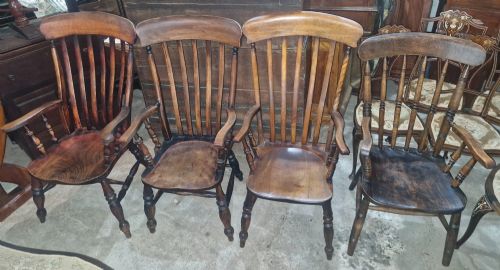
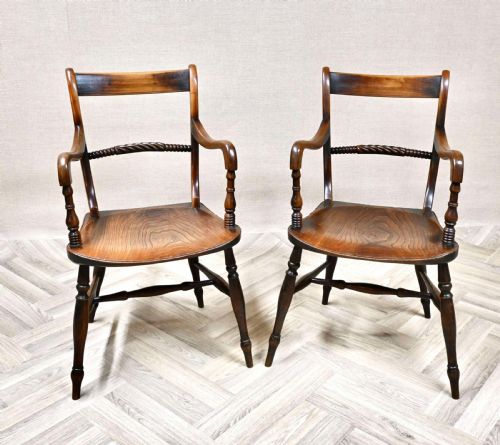
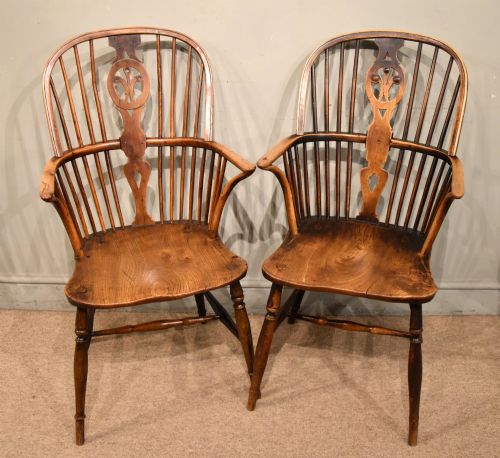
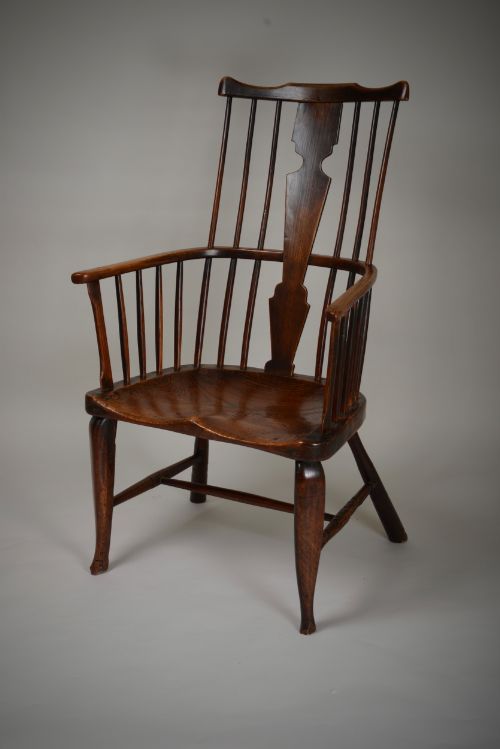
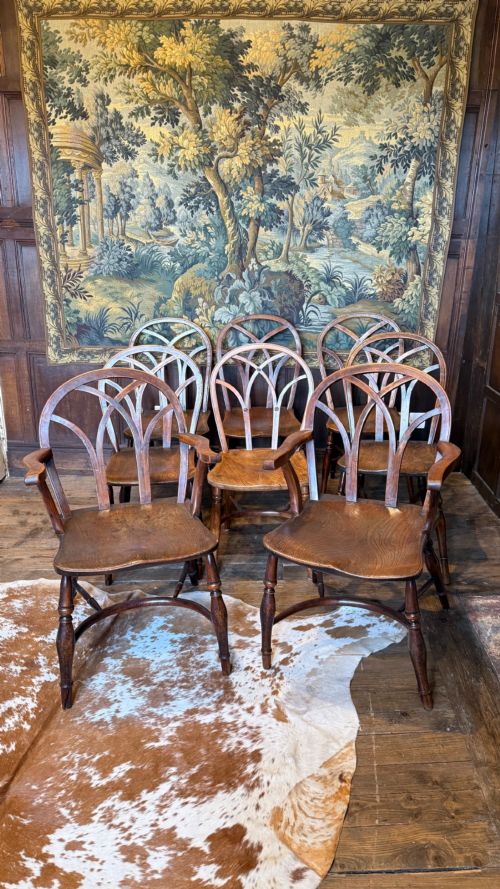
You encounter several regional and structural variations, including high back, hoop back, comb back and bar back designs. Many examples incorporate crinoline stretchers for added structural stability between the legs.
How they were made
Maker workshops built these chairs using a combination of green woodworking techniques and seasoned timber selection. The thick saddle seats are typically carved from elm to resist splitting, while the bentwood hoops, spindles and arms utilise steam-bent ash, yew or beech.
Traditional joinery relies on wedged tenon joints where vertical spindles and leg components pass right through the seat plank. Some pieces employ fruitwood, cherrywood or alder, paired with traditional surface finishes including original paint or clear wax.
Windsor Dining Armchair Retail Price Guide 2026
Typical asking prices for windsor dining armchair among the pieces listed under this phrase on Sellingantiques today, from the lower quarter to the upper quarter. They describe what is for sale here now, not the wider market.
Regional chair styles include Thames Valley designs alongside farmhouse kitchen stick backs and Gothic revival variations.
What varies in quality
The distinction between ordinary utility seating and superior examples rests largely on the choice of timber and the grace of the turning. Yew wood examples with rich grain patterns and well-figured elm seats occupy the upper end of the scale.
Proportion and comfort dictate value just as much as materials do. Chairs with slender, well-sculpted arms, retained original wedged construction and balanced proportions demonstrate superior cabinet-making skill within the vernacular tradition.
Fred Walker Rockley
The Windsor Dining Armchair Glossary
- Crinoline stretcher
- A curved under-frame joining the legs of a Windsor chair to provide extra rigidity. This horseshoe-shaped rail is typical of earlier and better-made provincial examples.
- Hoop back
- A continuous bentwood bow forming the back and arms of the chair. It is typically secured directly into the solid wooden seat plank.
- Comb back
- A Windsor chair style where vertical spindles rise through a crest rail to resemble the teeth of a comb. This form often provides a taller backrest for the sitter.
- Bar back
- A chair back featuring horizontal wooden slats or bars framed between vertical supports. This style appears frequently on nineteenth-century dining and farmhouse armchairs.
- Thames Valley
- A regional English style associated with refined Windsor chair production. Pieces from this area often utilise yew wood and feature distinctive carved arm supports.
Windsor Dining Armchair: Frequently Asked Questions
Are Windsor dining armchairs comfortable for daily use?
The solid sculpted elm seats are ergonomically shaped to fit the body, providing surprising support during long meals.
Adding a loose seat cushion can increase comfort while keeping the original wooden frame visible.
How do I date an antique Windsor armchair?
Makers changed wood combinations and turning styles across decades, moving from eighteenth-century cabriole legs to nineteenth-century bamboo-turned spindles.
Examining the tool marks underneath the seat and the wear on the foot helps confirm the age of the timber.
What is the difference between a carver and an armchair?
In dining sets, carver chairs traditionally sat at the head of the table and featured supportive armrests for the host.
They share the exact same sturdy construction methods as standard Windsor armchairs.
Can I mix different Windsor chair styles around a table?
Country dining sets often evolved organically over time through matched pairs or gathered collections rather than uniform factory production.
Matching chairs by wood tone or seat height creates a cohesive look while celebrating individual craftsmanship.