




William IV Rosewood Library Table
A william iv rosewood library table is a substantial 19th-century centrepiece crafted for serious study and reading, prized by collectors for its rich timber and architectural presence.
William IV Rosewood Library Table
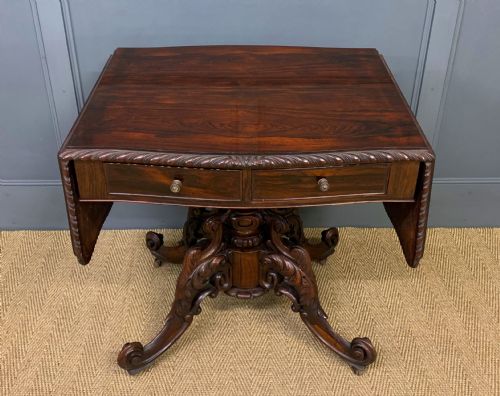
A william iv rosewood library table is a heavy, freestanding piece designed to sit in the middle of a room rather than against a wall. The pieces appearing most frequently on this page combine the stylistic traits of the 19th century with the substantial proportions typical of the period.
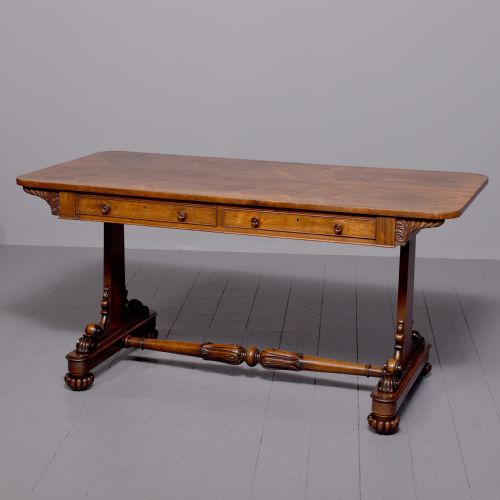
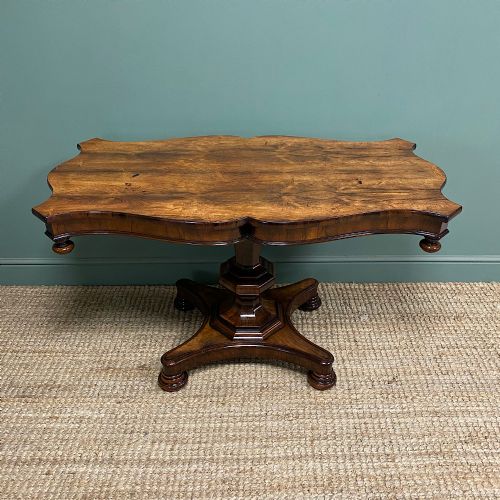
Makers and workshops of the era, including Gillows, produced these tables to serve multiple functions as writing desks, reading tables, and central display surfaces. The forms seen here range from rectangular writing tables with drawers to circular centre tables and end-support designs.
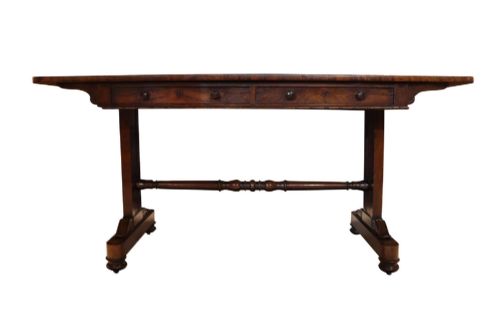
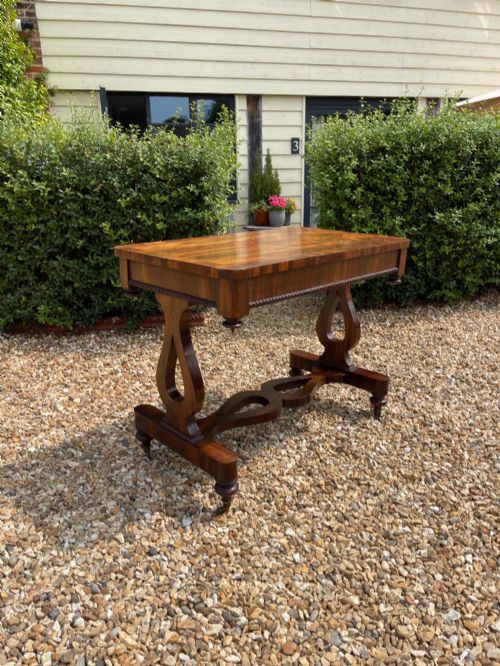
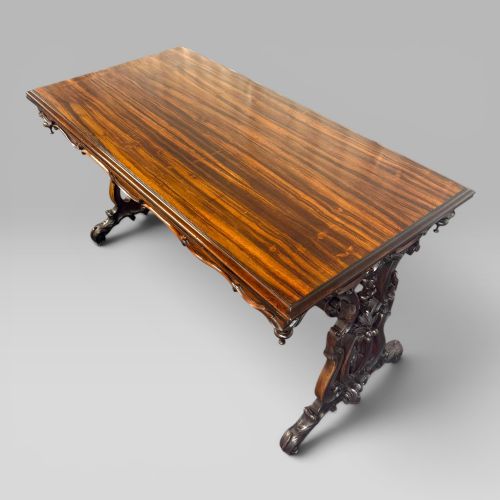
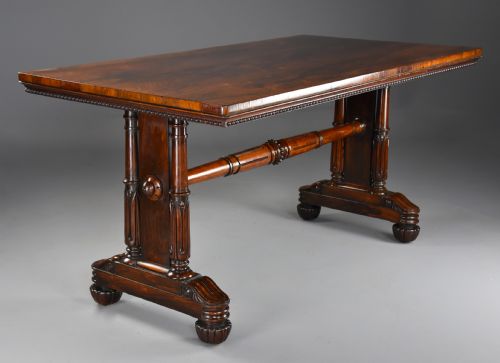
Examples recorded in the archive and current listings display variations including stretcher bases, baluster legs, and turned supports. Buyers selecting a william iv rosewood library table are acquiring a functional centrepiece defined by the architectural vocabulary of Regency and Early Victorian design.
How They Were Made
The construction of a william iv rosewood library table relies heavily on dense, highly figured rosewood veneers applied to secondary timbers such as oak, alongside alternative exotic woods like goncalo alves, zebrawood, and albuera wood. Cabinetmakers utilised robust framing techniques to support the heavy timber tops, incorporating oak linings within drawers and solid turnings for legs and pedestals.
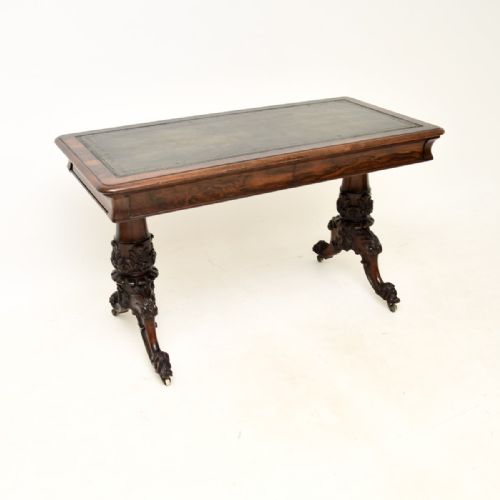
Decorative embellishments often include brass inlay, intricate wood turning, and leather writing surfaces inset into the top. Joinery methods of the period required precise craftsmanship to manage the movement of dense tropical hardwoods across large expanses.
William IV Rosewood Library Table Retail Price Guide 2026
Typical asking prices for william iv rosewood library table among the pieces listed under this phrase on Sellingantiques today, from the lower quarter to the upper quarter. They describe what is for sale here now, not the wider market.
Listings feature woods including rosewood, goncalo alves, zebrawood, and albuera wood across the 19th-century period.
What Varies in Quality
The distinction between standard examples and the finest pieces lies in the choice of timber and the precision of the joinery. Tables attributed to notable makers like Gillows demonstrate superior figure in the rosewood grain, more refined carving on the end supports, and superior interior construction such as oak-lined drawers.
Proportion and execution separate ordinary production from master craftsmanship. Higher-quality pieces maintain balanced architectural proportions, crisp turning on the balusters or stretcher bases, and meticulous integration of secondary woods like goncalo alves or zebrawood.
Gillows of Lancaster·Mein of Kelso
The William IV Rosewood Library Table Glossary
- Rosewood
- A dense, heavily figured tropical timber known for its dark grain and rich colour, widely used in high-status 19th-century furniture. It takes a high polish and provides the primary aesthetic appeal for these tables.
- Centre Table
- A freestanding table finished on all sides intended to stand in the middle of a room. These pieces provide access from any angle.
- Goncalo Alves
- A dense exotic hardwood sometimes called tiger wood, featuring distinctive contrasting brown and blonde markings. It appears in select high-end tables from this period.
- Stretcher Table
- A table featuring horizontal wooden bars connecting the legs or supports for added structural stability. This form frequently incorporates turned architectural members.
- Fusee
- A conical pulley used in clock movements to maintain an equal pull as the mainspring unwinds. This mechanism appears in specialised library clocks associated with these furnishings.
William IV Rosewood Library Table: Frequently Asked Questions
Where did these tables stand?
A william iv rosewood library table was designed to sit freestanding in the middle of a room rather than against a wall. This placement allowed scholars and readers to walk around the piece and access materials from any side.
Because they were finished on all four sides, they served as grand architectural centrepieces in studies, libraries, and large drawing rooms. Their central position made them the focal point for daily reading and correspondence.
How do I use one today?
These tables function effectively as large executive desks, writing surfaces, or central display tables in contemporary rooms. Their sturdy construction and generous surface area accommodate modern office equipment or books with ease.
Placing the table away from direct sunlight and extreme temperature fluctuations protects the rosewood veneer and leather inserts from drying out. Routine maintenance involves simple dusting and occasional polishing with appropriate wood care products.
How do I distinguish William IV from Regency?
Regency style leans toward classical restraint, inspired by ancient Greek and Roman forms, often featuring cleaner lines and delicate brass mounts. William IV furniture, bridging into the early Victorian era, tends to be heavier and more robust.
William IV pieces frequently display bolder proportions, heavier rosewood veneers, and more substantial turned or carved supports. The transition from Regency to William IV represents a shift toward comfort and physical weight in cabinetmaking.
What are end supports?
End supports refer to the structural vertical assemblies located at either end of the table base rather than four individual legs. These often take the form of heavy columns, lyres, or scrolled pedestals connected by a central stretcher.
This design configuration allowed cabinetmakers to provide maximum legroom underneath while supporting the heavy weight of a solid rosewood top. It remains a defining silhouette of 19th-century library furniture.