


William IV Open Cabinet
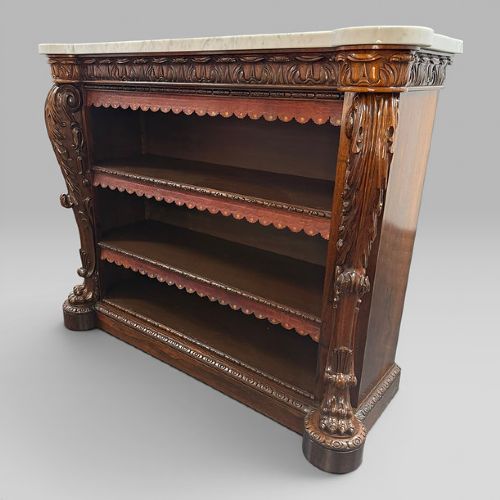
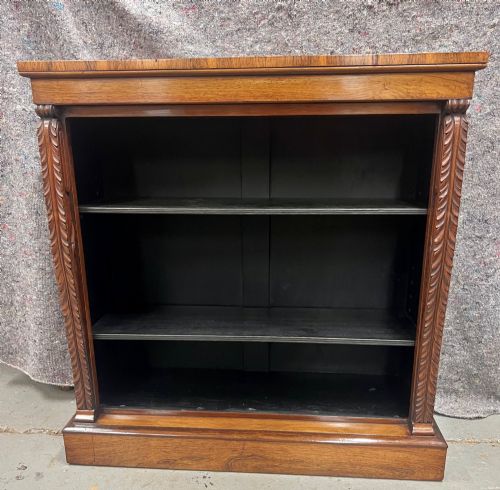
A william iv open cabinet brings architectural presence and versatile shelf space to a room, offering handsome timbers like rosewood and flame mahogany.
William IV Open Cabinet
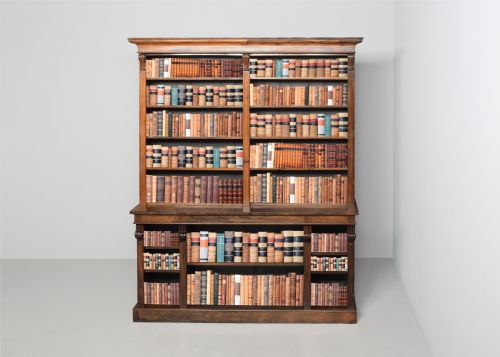
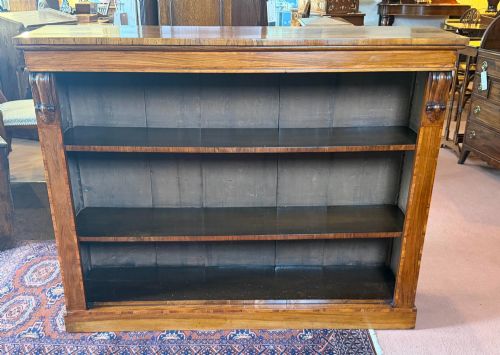
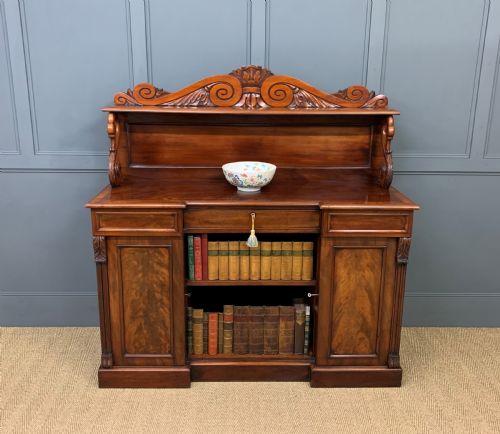
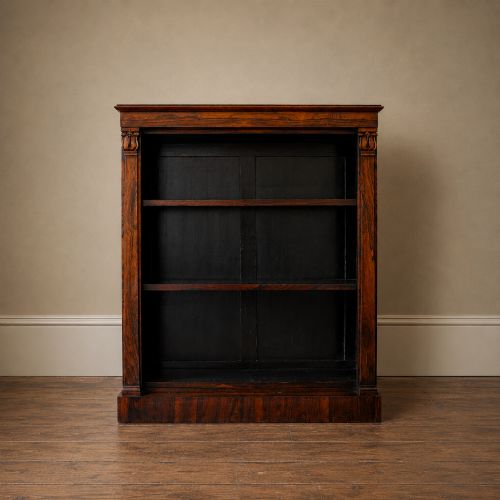
A william iv open cabinet search covers low bookcases, chiffoniers, and library pieces dating primarily from the nineteenth century. These items combine open shelving with structured cabinetry, reflecting the stylistic bridge between Regency elegance and early Victorian mass.
Rosewood and mahogany dominate the offerings, frequently enhanced with marble tops, adjustable shelves, and breakfront configurations. Pieces range from diminutive proportions to pairs of library bookcases built from oak or goncalo alves.
The aesthetic leans toward substantial timber grain and restrained classical proportions, suiting both formal reception spaces and working libraries. Collectors encounter variations from plain satinwood surfaces to carved Gothic Revival details.
Materials and Construction
Joiners built these cabinets using solid foundational woods like oak, applied with finely figured veneers of rosewood, flame mahogany, and satinwood to create rich surface patterns. Timber selection dictated the visual weight of the piece, with cabinetmakers matching grain across drawer fronts and uprights.
Secondary elements include heavy white or pink marble tops fitted to rosewood carcases, alongside brass hardware and adjustable wooden shelving tracks. Construction relied on robust mortise and tenon joinery to support heavy volumes without sagging.
Gradations in Quality
Quality rests upon the selection of timber veneers, where intensely figured flame mahogany or dense rosewood elevates a piece far above plain stock. The crispness of carved mouldings and the integration of secondary materials such as marble or goncalo alves distinguish superior workshops from standard production.
Proportion and scale also dictate value, with diminutive or breakfront formats showing greater design ambition than simple rectangular carcases. Original elements, including brass fittings and adjustable shelving mechanisms, preserve the integrity of the piece.
Gillows·Richard Bridgens
The William IV Open Cabinet Glossary
- Breakfront
- A cabinet design where the central section projects forward from the flanking wings. This configuration adds architectural depth to large library bookcases.
- Chiffonier
- A low sideboard or cabinet featuring shelves or a small superstructure above. It serves as a multipurpose piece for storage and display.
- Goncalo alves
- A dense exotic hardwood prized for its striking contrasting grain patterns. Makers utilised it for high-status nineteenth-century furniture.
- Flame mahogany
- Timber cut from the fork of the mahogany tree to produce a flickering flame-like pattern. It requires careful veneering skill to apply evenly.
- Marble top
- A stone slab fitted to the upper surface of a cabinet. It provided a durable, heat-resistant counter for serving or display.
William IV Open Cabinet: Frequently Asked Questions
How do I spot a true William IV piece?
Look for heavy classical proportions, dark exotic timbers like rosewood, and restrained carving that bridges Regency and Victorian tastes. The presence of adjustable wooden shelves and robust carcase construction often points to this specific era.
Examine the secondary woods and veneer thickness to confirm nineteenth-century origin. Stylistic markers such as stylised acanthus scrolls and plinth bases help separate these items from later reproductions.
Were these cabinets meant for books?
Many examples served as open bookcases or library fixtures designed to hold household volumes within easy reach. The inclusion of adjustable shelving accommodated books of varying heights.
Other variations, such as chiffoniers, combined open display with enclosed lower cupboards for general domestic storage. Their low stature allowed them to sit beneath windows or against principal walls.
How should I care for rosewood and mahogany?
Keep timber cabinets away from direct sunlight and heat sources to prevent the veneers from drying out and lifting. Dust regularly with a dry cloth and apply occasional wax polish to nourish the grain.
Marble tops require simple wiping with a damp cloth and mild soap to avoid staining. Avoid placing heavy moisture directly on unsealed wooden surfaces.
Can I adjust the shelves?
Most period bookcases feature wooden ratchets, peg supports, or brass studs that allow shelves to be moved up and down. This system reflects the practical demands of nineteenth-century libraries.
Take care when shifting heavy mahogany or rosewood boards within older housings to avoid damaging the interior veneer linings.