




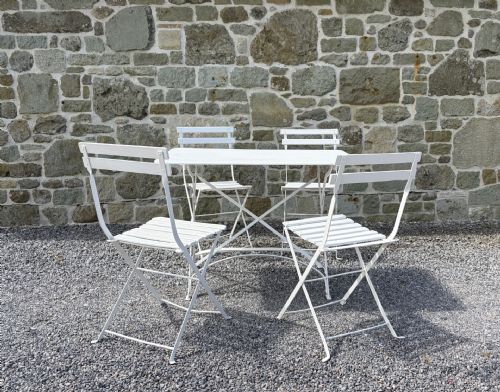
White Wooden Table
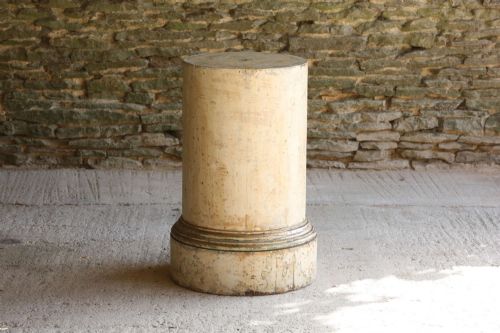
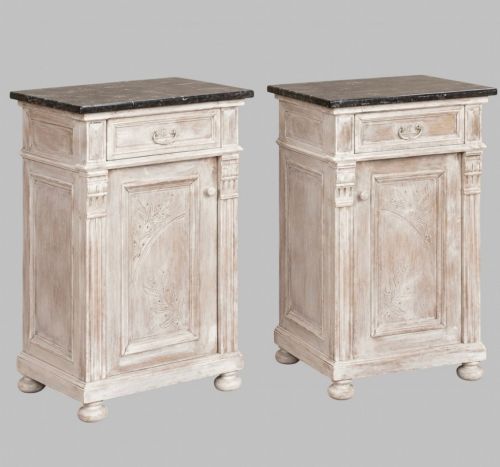
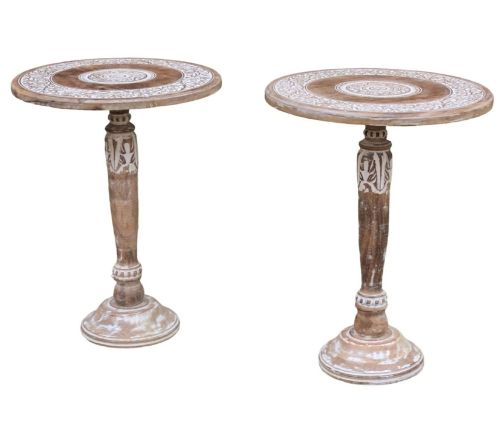
White wooden table pieces offer painted surfaces and timber frames spanning the nineteenth and twentieth centuries.
White Wooden Table
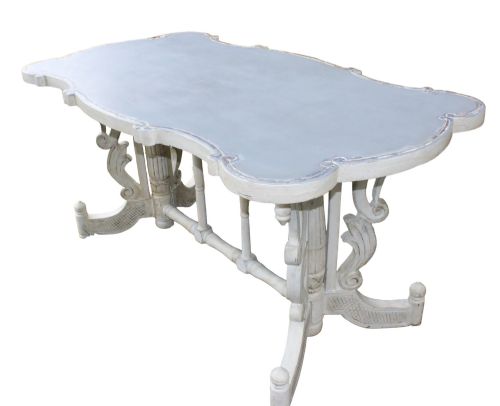
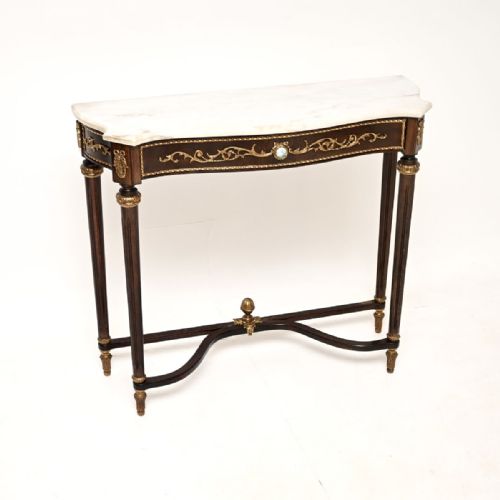
A white wooden table selection brings together utilitarian preparation benches, bedside stands, console tables, and dining forms sourced from English, French, and Swedish traditions. Buyers browsing this phrase encounter items originating from the nineteenth century up to the nineteen-thirties, reflecting country house, provincial, and classical styles.
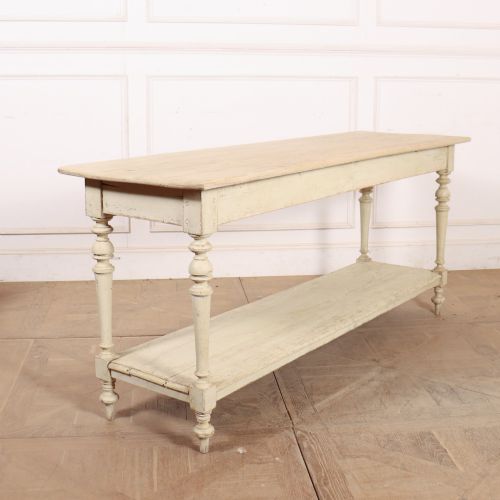
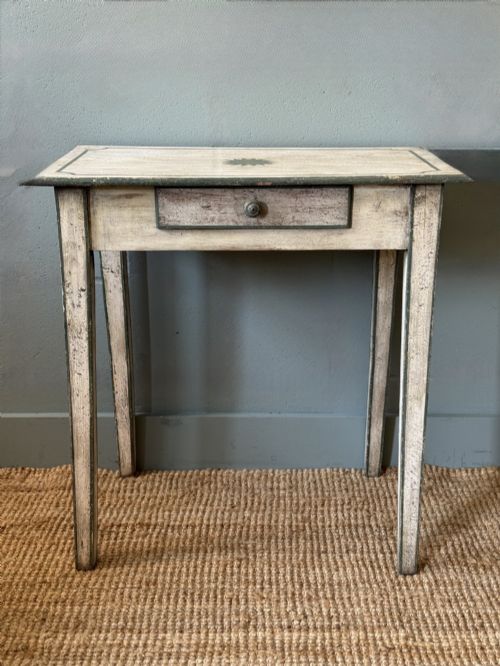
The most frequent items met on this page are pine kitchen tables, painted side tables, and console tables bearing remnants of layered old paint or deliberate antique white finishes. These domestic and occasional forms display regional characteristics such as Scandinavian demi-lune shapes or English country prep surfaces.
Materials and Technique
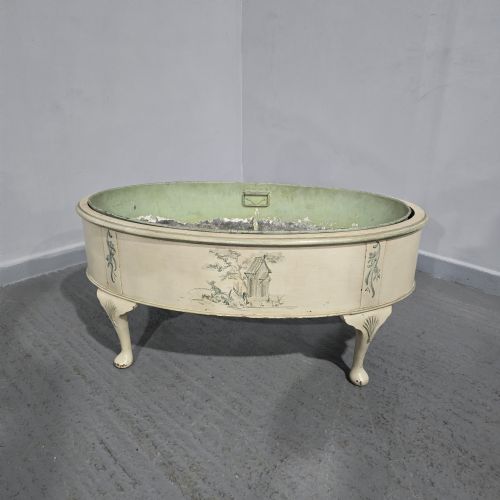
Construction relies heavily on timber bases such as pine, fruitwood, oak, and mahogany, shaped by hand-carving and traditional joinery. Many examples feature applied layers of paint over the natural wood, sometimes with later decorative coats applied over earlier finishes.
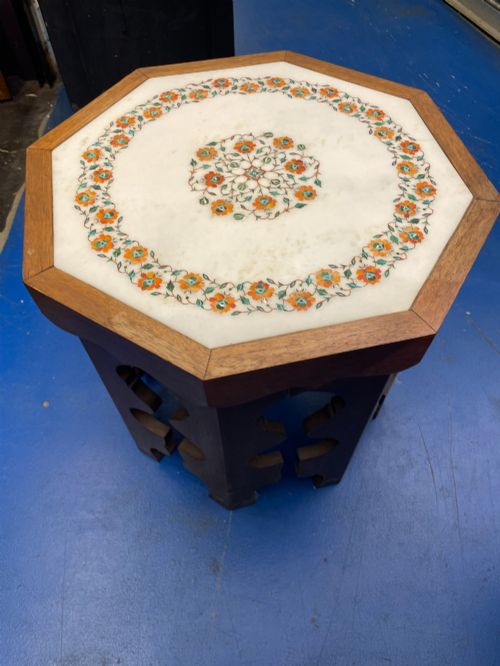
Surface details frequently incorporate inset marble tops, brass fittings, and iron supports to complement the wooden structures. Hand-carved elements appear on wall consoles and occasional tables, while preparation and kitchen tables utilise sturdy timber boards designed for heavy daily use.
White Wooden Table Retail Price Guide 2026
Typical asking prices for white wooden table among the pieces listed under this phrase on Sellingantiques today, from the lower quarter to the upper quarter. They describe what is for sale here now, not the wider market.
Several pieces come equipped with deep drawers originally designed to press cheese or conceal kneading flour.
Craftsmanship and Surface Integrity
Distinction across the range rests on the authenticity of the surface finish and the integrity of the timber construction. Pieces retaining genuine historical layers of paint or original hand-carved detailing demonstrate superior character compared to uniform modern applications.
Structural execution, from the precision of joinery in pine dining and kitchen tables to the careful fitting of marble tops on console tables, determines the grade of the piece. The depth and patina developed through decades of wear separate standard domestic items from finer decorative examples.
The White Wooden Table Glossary
- Console table
- A table designed to stand against a wall, frequently featuring decorative carved brackets or legs. These pieces often incorporate marble tops.
- Prep table
- A sturdy utilitarian table used historically for food preparation in large country houses and kitchens. They typically feature heavy pine construction and drawer storage.
- Demi-lune
- A half-moon shape characteristic of certain console and occasional tables. This curved form allows the furniture to sit flush against a wall.
- Pine
- A softwood commonly utilised in country furniture and kitchen tables. It accepts paint finishes readily and forms the basis for many antique white pieces.
White Wooden Table: Frequently Asked Questions
What is a white wooden table used for?
These tables serve various domestic functions depending on their original form, acting as dining surfaces, bedside stands, or hallway consoles.
Larger kitchen and prep tables provide sturdy workspace, while smaller side and occasional tables support lamps and decorative objects.
How do I care for a painted wooden table?
Maintenance requires gentle cleaning with a soft, dry cloth to remove dust without damaging fragile historic paint layers.
Avoid chemical cleaning products and excessive moisture, particularly on pieces with exposed timber or delicate antique finishes.
Are the paint finishes original?
Many listings feature original or early layers of paint, while others specify later painted surfaces applied during the twentieth century.
Examining the depth and wear of the paint helps distinguish period finishes from newer decorative treatments.
Where were these tables made?
The pieces originate from various European traditions, including English country workshops, French provincial houses, and Swedish estates.
Regional styles often dictate the proportions, decorative carving, and specific shade of paint utilised on the wooden frame.