





White Upholstered Lounge Chairs
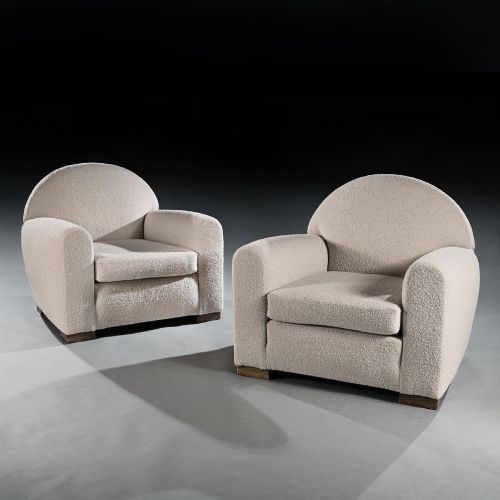
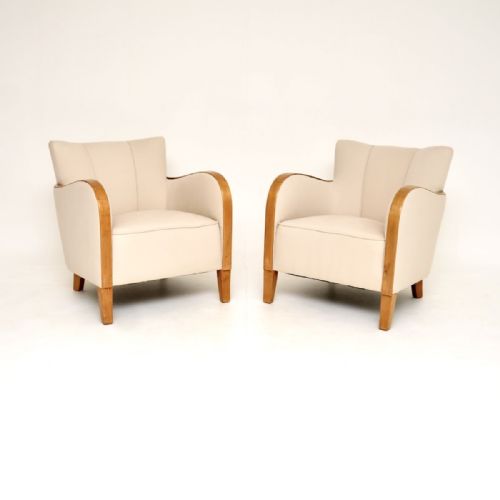
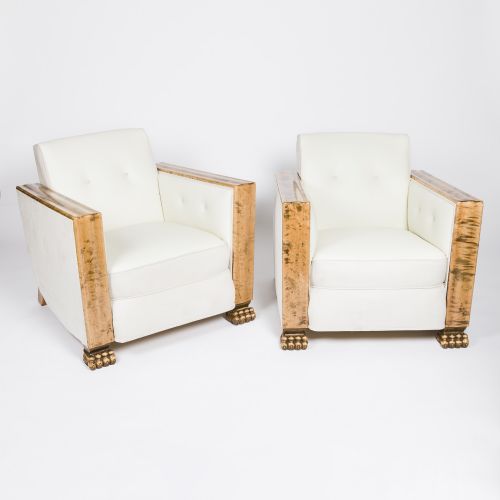
White upholstered lounge chairs bring comfortable seating and distinct period character to a room, ranging from robust Victorian frames to sleek Art Deco designs.
White Upholstered Lounge Chairs
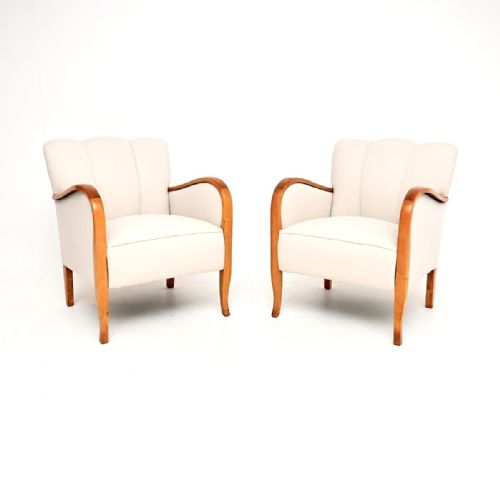
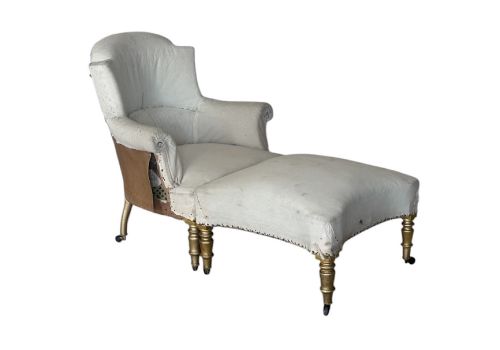
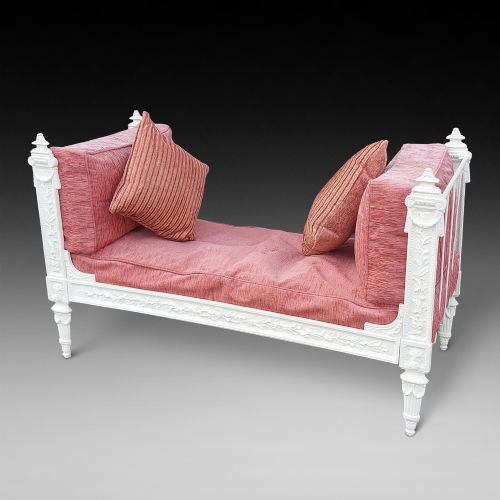
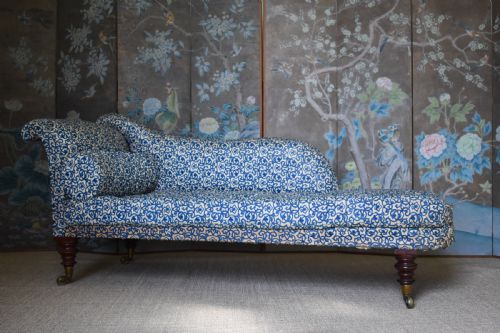
White upholstered lounge chairs encompass a variety of comfortable seating forms designed for relaxation, including armchairs, club chairs, daybeds, and chaise longues. When exploring white upholstered lounge chairs, buyers encounter pieces spanning from the nineteenth century through the mid-twentieth century.
Makers and workshops range from notable firms like Howard and Sons to unattributed nineteenth-century artisans. Frames arrive in various states of readiness, often presented in calico, ticking, cotton, or velvet.
How they were made
Makers constructed the foundational frames of these chairs using timber, beech, walnut, satin birch, and occasional cast iron for daybeds. These wooden structures provided sturdy skeletons designed to support deep cushioning and elaborate upholstery.
Upholstery techniques involved durable internal stuffing covered in fabrics such as cotton, velvet, leather, and calico or ticking under-covers. Brass fittings and turned wooden feet frequently finished the lower sections of the seating.
Materials across these listings include traditional hardwoods like walnut and beech alongside tactile finishes in leather, velvet, calico, and brass.
What varies in quality
Quality in these chairs rests upon the integrity of the underlying timber frame and the precision of its joinery. Chairs bearing attribution to established workshops display superior carving and structural robustness.
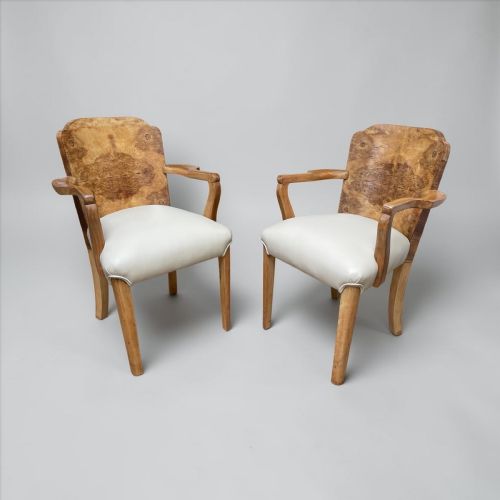
The choice of primary wood, from plain timber to figured satin birch, alters the visual weight and refinement of the piece. Upholstery finish and the execution of turned feet or brass details distinguish standard workshop output from exceptional examples.
Howard and Sons·Sopwith
The White Upholstered Lounge Chairs Glossary
- Calico
- A plain-woven cotton fabric often used as an initial upholstery layer before a final cover is applied. It provides a neutral, tight base for fitted loose covers.
- Bergere
- An enclosed upholstered armchair with wooden framing exposed around the sides and back. This French form dates back to the eighteenth century and continued through later revivals.
- Duchess Brisee
- A two or three-part lounge combination consisting of an armchair and an elongated stool or matching chair. It forms a continuous surface for reclining.
- Ticking
- A heavy, tightly woven cotton or linen fabric traditionally used to contain feather or down fillings. Its striped pattern makes it a popular finish for relaxed country house seating.
- Satin Birch
- A dense timber with a lustrous grain favored by twentieth-century Scandinavian designers. It brings a pale, reflective quality to Art Deco frames.
White Upholstered Lounge Chairs: Frequently Asked Questions
How do I identify a Howard and Sons armchair?
Look for stamped maker marks on the castors, numbered legs, and characteristic low, deep proportions designed for lounging.
The upholstery techniques and traditional ticking or calico covers also point toward the firm's distinctive workshop output.
How do I care for white fabric upholstery?
Vacuum the fabric regularly using a low-suction attachment to prevent dust from settling into the weave. Address spills immediately by blotting with a clean, dry cloth rather than rubbing.
Many period pieces feature loose covers in calico or cotton that can be professionally cleaned or replaced.
Where do club chairs originate?
Club chairs originated in France during the early twentieth century, known initially as comfortable armchairs due to their deep, inviting seats. They gained popularity for domestic lounging in libraries and drawing rooms.
Makers in France and England later adapted the form using leather and heavy fabric upholstery.