

White Side Table
When you search for a white side table, you find a remarkably varied group of marble-topped consoles, painted bedside cabinets and occasional tables spanning the nineteenth and early twentieth centuries.
White Side Table
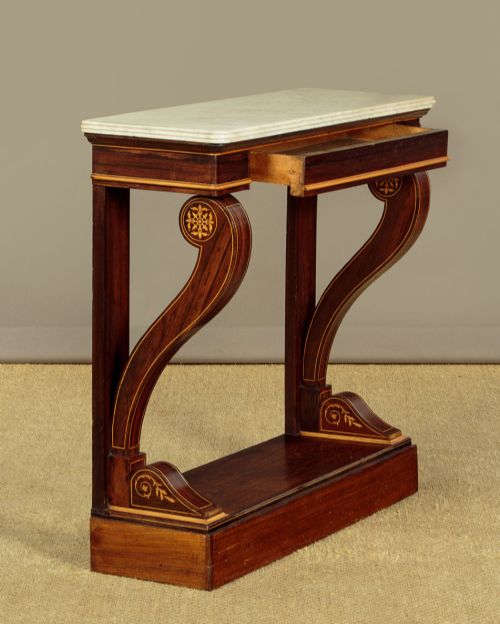
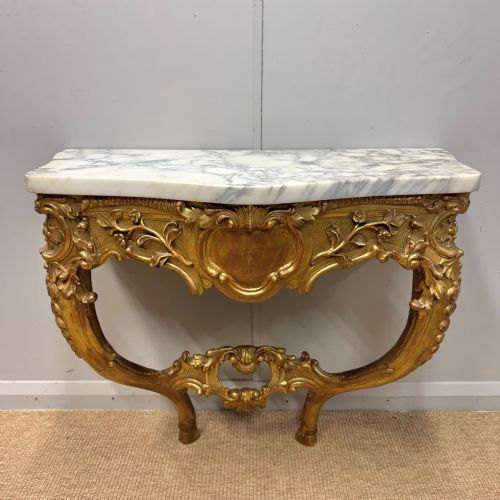
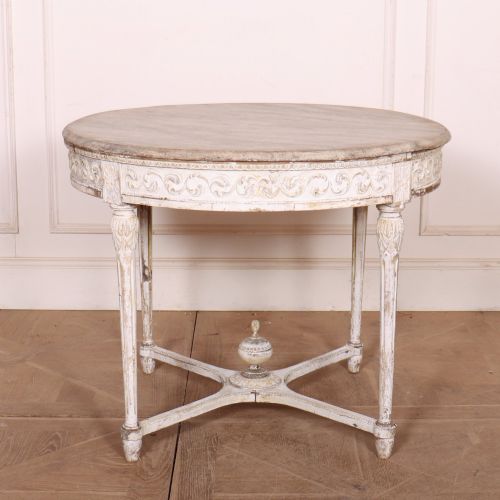
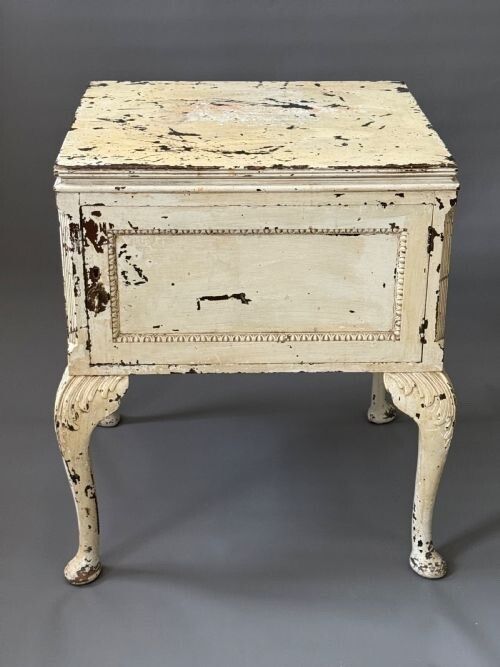
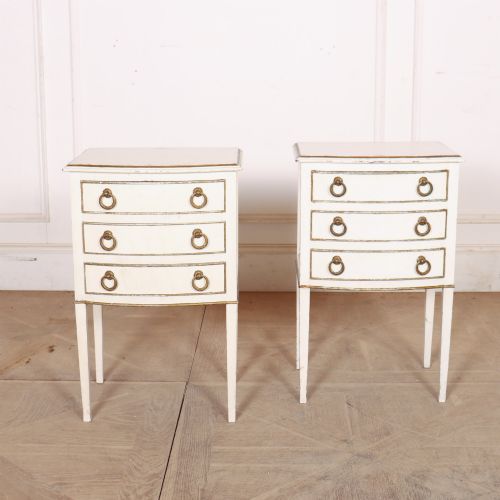
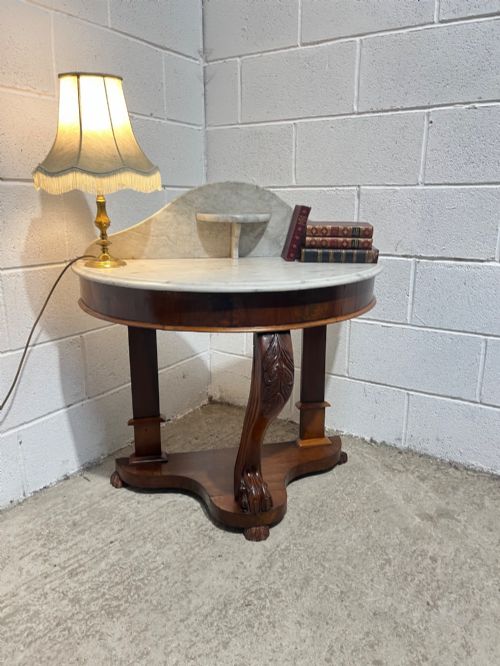
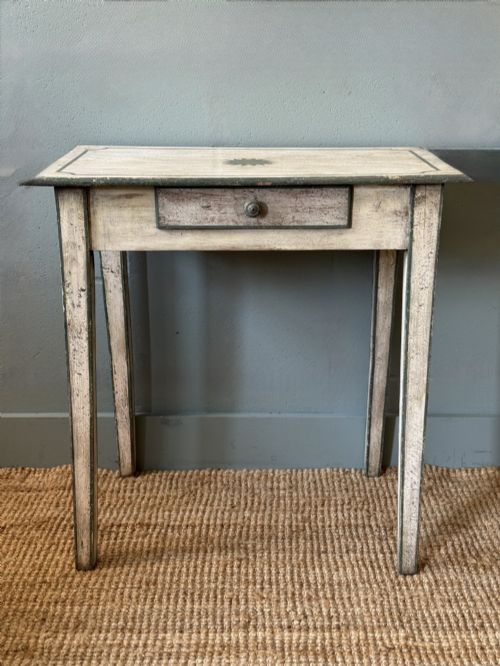
A white side table generally appears as a painted wooden piece or a marble-topped console originating from nineteenth-century England, France, Sweden or Italy. The selection encompasses bedside cabinets, bistro tables, occasional tables and grander wall consoles with painted finishes or applied giltwood details.
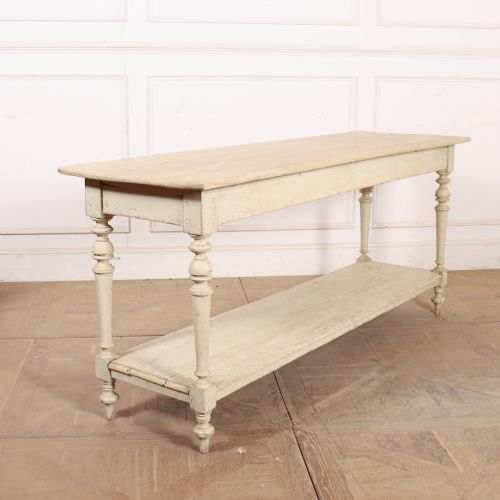
Many examples demonstrate continental influence, particularly through Swedish demi-lune consoles, French drapers tables and Italian baroque or neoclassical designs. Painted pine, mahogany and fruitwood form the structural carcasses of these pieces, frequently paired with white marble or alabaster tops.
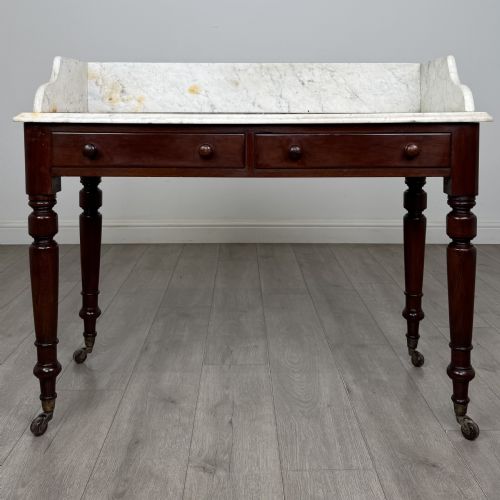
Buyers also encounter cast iron and brass occasional furniture alongside specialised items like shop fittings and washstands adapted for modern interiors. The forms range from compact bedside cupboards to large console tables with mirror backs and intricate hand-carved ornamentation.
Materials and Construction
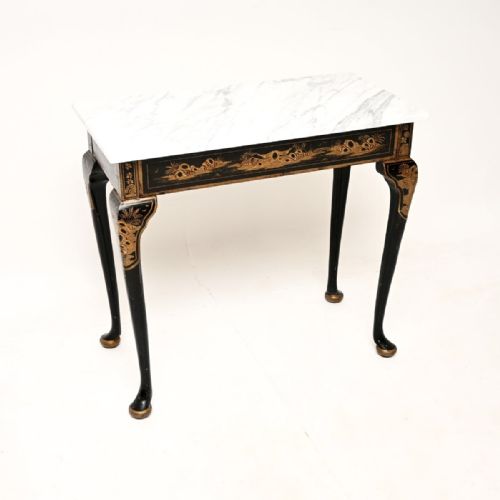
Makers utilised a combination of solid hardwoods such as mahogany, oak, walnut and fruitwood alongside pine carcasses prepared for decorative paint layers. Surfaces received hand-applied paint finishes, giltwood accents or lacquerwork, occasionally showing later coats applied over earlier preparation.
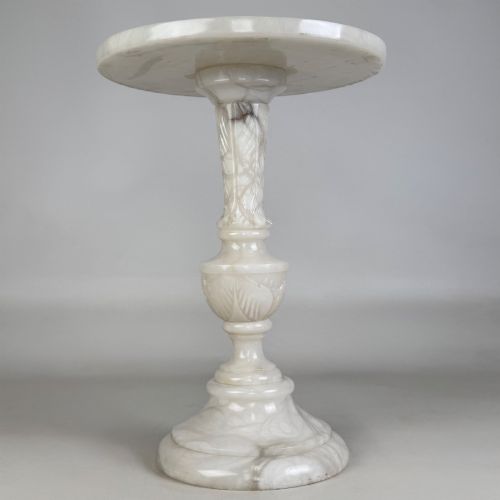
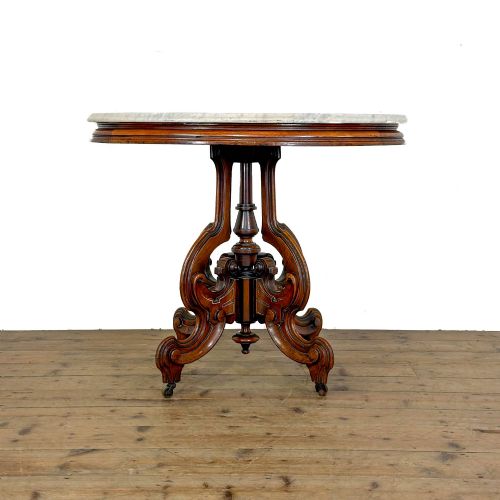
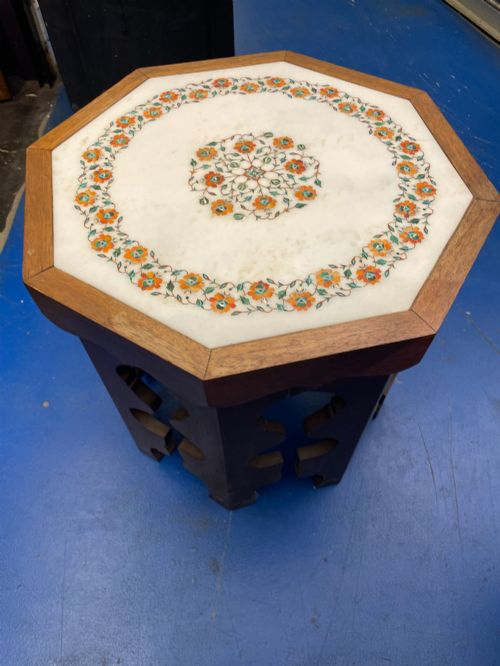
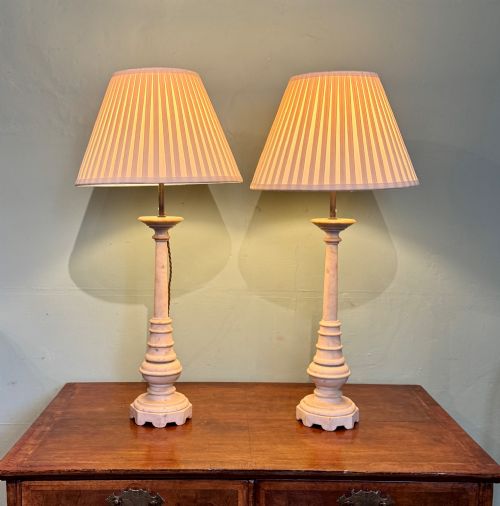
Heavy marble, alabaster and white-metal inlays define the upper surfaces of many pieces, particularly the console and bistro tables designed for functional durability. Metalwork elements incorporate cast iron, brass and copper-inlaid brass in styles spanning from Victorian industrial framework to intricate cairoware.
Listings feature items from the 1750s through the 1940s, encompassing Victorian, Regency, Edwardian and Louis XVI styles.
Assessing Quality and Execution
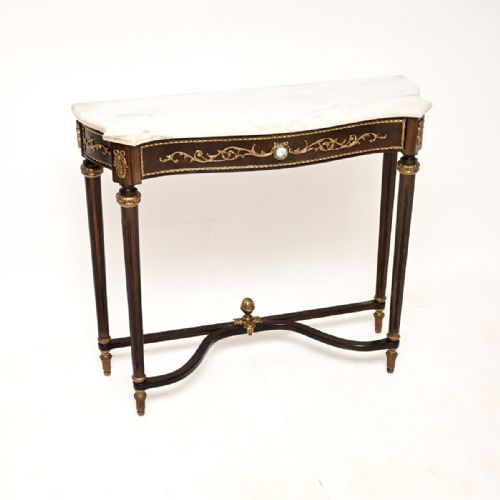
Quality reveals itself in the integration of materials, such as the thickness and veining of a fitted white marble top relative to its supporting timber or iron base. Finer examples display precise hand-carving, original or period-correct paint layers, and substantial Ormolu mounts rather than applied composition ornaments.
Structural integrity distinguishes standard utility items from high-status pieces like Louis XVI period console tables or Hepplewhite mahogany designs. Superior execution shows in the crispness of joinery, the retention of original brass hardware, and the balance of proportion across demi-lune and serpentine forms.
The White Side Table Glossary
- Demi-lune
- Having a half-moon shape. This semicircles form appears frequently in console tables designed to stand flat against a wall.
- Giltwood
- Wood that has been coated with gold leaf or gold paint. It adds reflective brightness to neoclassical and baroque furniture frames.
- Gueridon
- A small circular table on a central pillar or column. Originating in seventeenth-century France, these pieces often feature marble tops.
- Cairoware
- Metalwork inlaid with silver, copper or white-metal following traditional Islamic designs. This technique decorates occasional tables from the early twentieth century.
- Chinoiserie
- European imitation of Chinese artistic styles and motifs. It appears on lacquered furniture surfaces from the Victorian era.
White Side Table: Frequently Asked Questions
Where should I place a marble top console table?
Marble top tables suit entrance halls, living rooms and dining areas where their stone surfaces resist moisture and daily wear.
Their shallow depth allows them to sit neatly against walls without obstructing pathways in narrower rooms.
How do I care for antique painted wood?
Dust painted surfaces gently with a dry, soft cloth and avoid chemical cleaning agents that might soften historical paint layers.
Keep these tables away from direct heat sources and strong sunlight to prevent the timber from warping and the paint from cracking.
How do I distinguish Gustavian style from French country?
Gustavian pieces from Sweden typically exhibit restrained neoclassical restraint with pale grey or white paint and subtle fluted carving.
French country furniture tends to show warmer fruitwood tones, softer provincial curves, and less strictly formal symmetry.