






White Pleated Shade Lamp
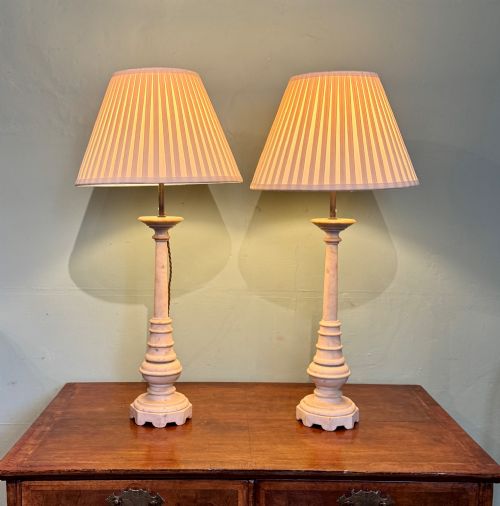
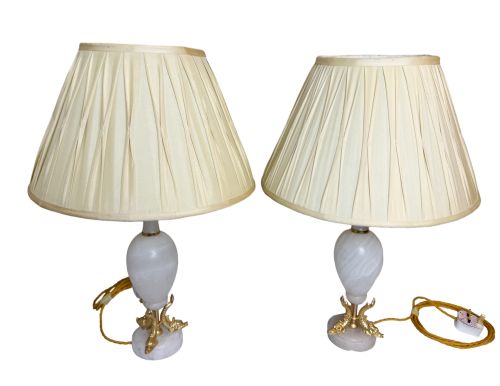
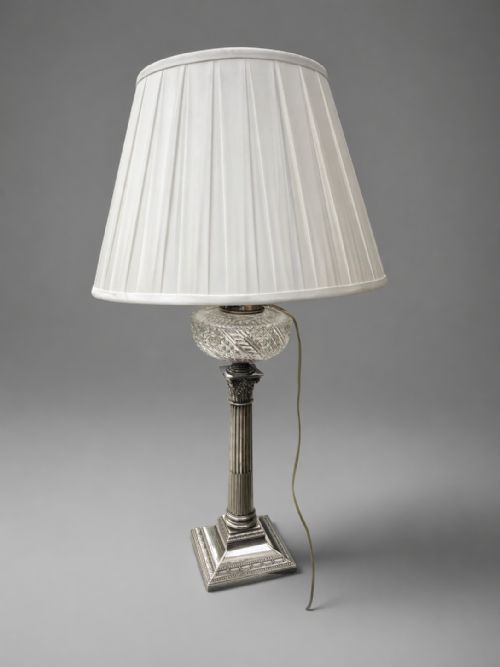
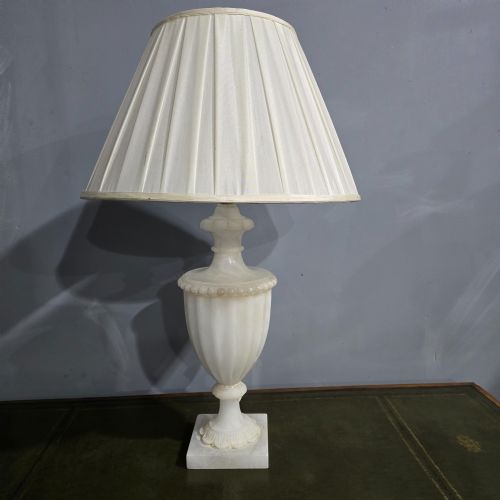
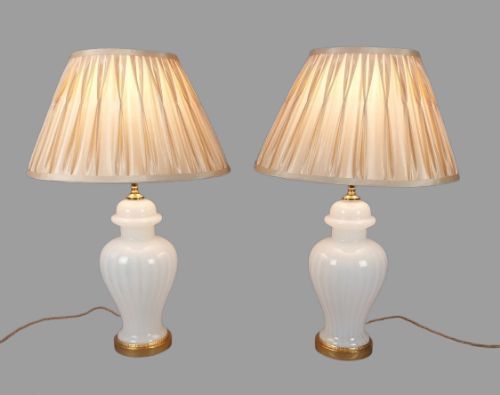
White pleated shade lamp pieces combine antique porcelain, marble, and converted vases to cast a soft interior glow.
White Pleated Shade Lamp
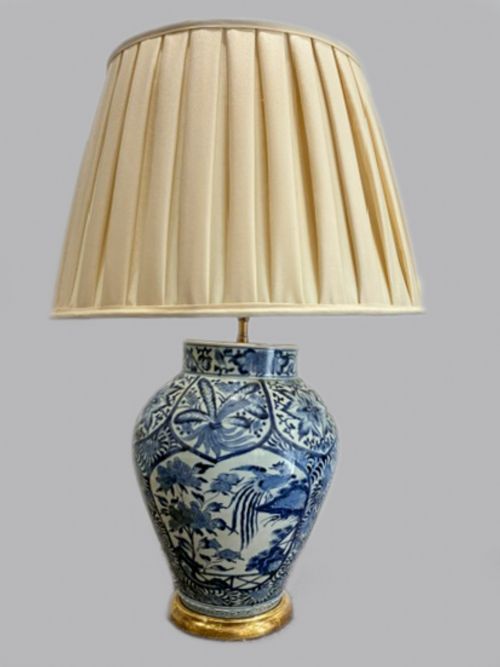
A white pleated shade lamp brings together traditional lighting forms and older ceramic or stone bodies. Buyers searching for a white pleated shade lamp encounter table lamps created from nineteenth-century Chinese vases, Japanese porcelain, and European marble bases.
The selection on this page relies heavily on converted vessels, including blue and white ginger jars and Imari porcelain. These bodies carry history from periods spanning the seventeenth to the early twentieth century before receiving electrical fittings and shades.
Pairs appear frequently alongside solo pieces, offering symmetry for sideboards and mantelpieces. Forms range from slender alabaster columns to stout crackleware jars mounted on gilt or brass bases.
How they were made
Manufacturers built these lighting pieces using rigid natural materials such as white marble, alabaster, and cast brass. Artisans turned stone on lathes or cast metal components to support delicate ceramic bodies.
Potters shaped clay on wheels or in moulds before firing blue and white glazes or enamel designs at high temperatures. Later fitters drilled these finished vases to run internal wiring for modern illumination.
Fabric and silk formed the pleated shades that accompanied the mounted bases, diffusing light evenly across the room.
Even an owl can find itself holding a lightbulb when a German porcelain figurine is turned into a desk lamp.
What varies in quality
Quality rests in the harmony between the converted vessel and its metal mounts. Skilled conversion retains the structural integrity of the antique ceramic without harming the original glaze or body.
The weight and purity of the stone bases dictate the stability and feel of the piece. Dense white marble and fine alabaster outlast softer moulded plaster alternatives.
Casting detail on the bronze and brass mounts shows the hand of the maker. Crisp chiselling and heavy gilding separate standard workshop output from finer decorative pieces.
Ernst Bohne & Sohn·Samson Porcelain
The White Pleated Shade Lamp Glossary
- Arita
- A Japanese town known for producing porcelain wares that were frequently exported to Europe and later adapted into lamps. These pieces often feature underglaze blue and iron-red enamel details.
- Ginger jar
- A wide-shouldered ceramic vessel originally used to store spices that collectors now convert into table lamps. They provide a stable, decorative body for interior lighting.
- Ormolu
- Gilt bronze mounts applied to furniture and ceramic bases to add decorative weight and richness. This technique was widely used in French lighting design.
- Cracklevure
- A network of fine microscopic cracks intentionally produced in the glaze of certain oriental ceramics. It creates a textured surface pattern seen on nineteenth-century vases.
White Pleated Shade Lamp: Frequently Asked Questions
How do I style a white pleated shade lamp?
Place pairs on matching side tables or console surfaces where their height can balance room proportions. They sit comfortably in traditional living spaces and neutral reading corners.
Keep surrounding objects understated to let the textured ceramic or stone body remain the visual focus of the arrangement.
Were these always electric lamps?
Most older bodies started life as decorative vases, jars, or urns before being converted to hold electrical fittings. Skilled conversion teams wired the vessels during the nineteenth or twentieth century.
This method gives antique ceramics a new domestic function while preserving their historical surface decoration.
How do I identify porcelain periods?
Study the underglaze painting style, the weight of the ceramic body, and the characteristics of any surface crackleware glaze. Nineteenth-century Chinese and Japanese pieces often show distinct brushwork compared to earlier periods.
Compare the mounting style and metal patination to date the secondary brass and bronze elements added during assembly.
What maintenance do these lamps need?
Dust alabaster and marble surfaces gently with a dry cloth to prevent dirt settling into porous areas. Avoid liquid cleaners on antique gilt bronze mounts to protect the original finish.
Check wiring periodically through a qualified electrician to ensure safety when operating older converted fixtures.