



White Plaster Portrait
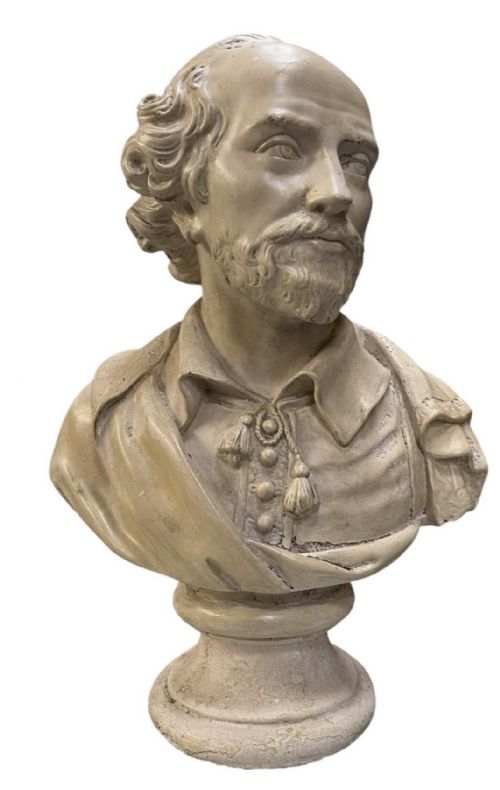
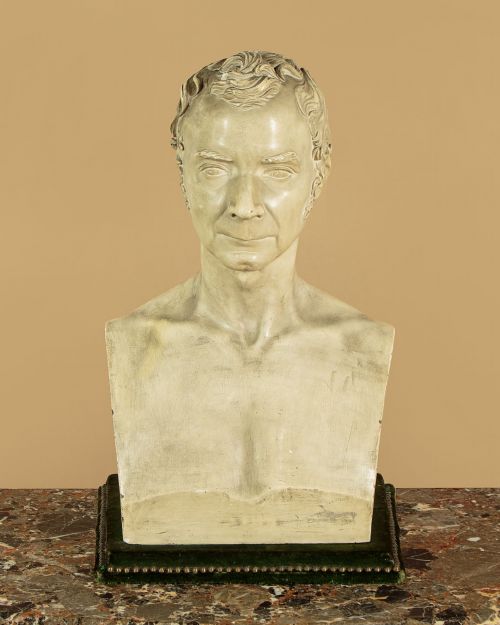
A white plaster portrait brings the austere presence of classical sculpture and historical figures directly into an interior.
White Plaster Portrait
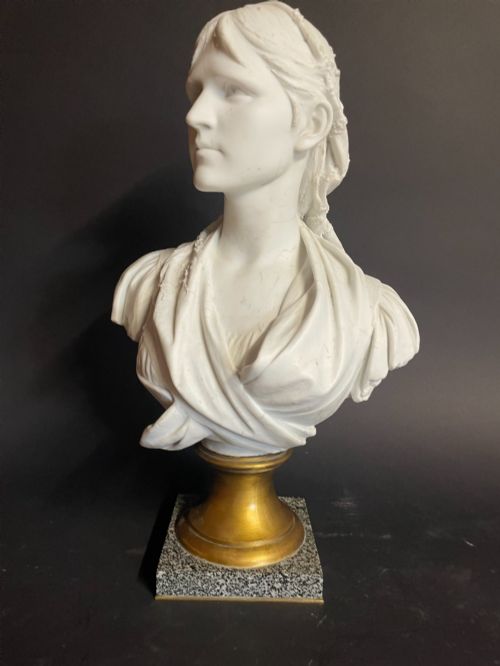
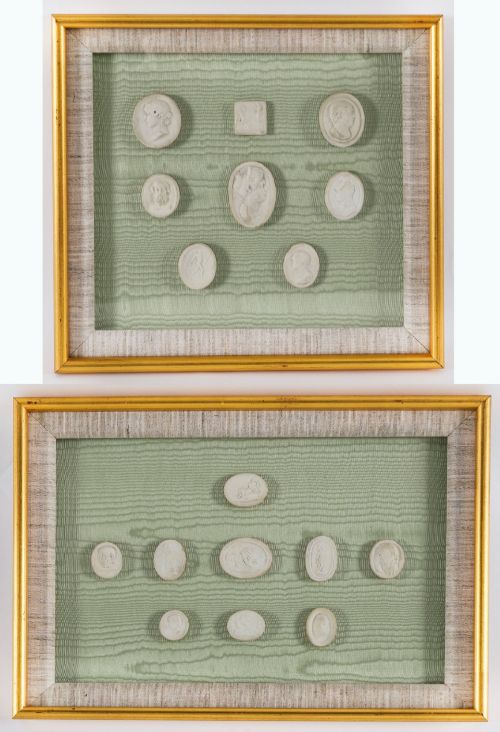
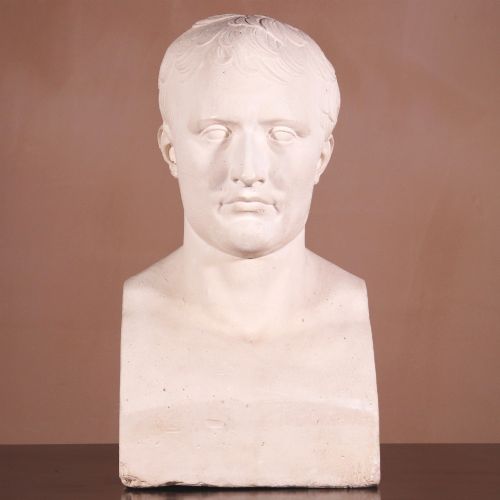
When searching for a white plaster portrait, a buyer encounters sculptural likenesses rendered in moulded gypsum, ranging from monumental library busts of literary figures and classical poets to framed Grand Tour intaglios. These objects capture historical personages, literary icons, and anonymous sitters with a striking monochrome severity that emphasises form over colour.
The versions most commonly met on this page are nineteenth century busts depicting historical figures such as Napoleon, Shakespeare, and Homer, alongside classical library busts mounted on brackets. These pieces derive their aesthetic from Neoclassical and Victorian sensibilities, often drawing inspiration from antique prototypes encountered during the Grand Tour.
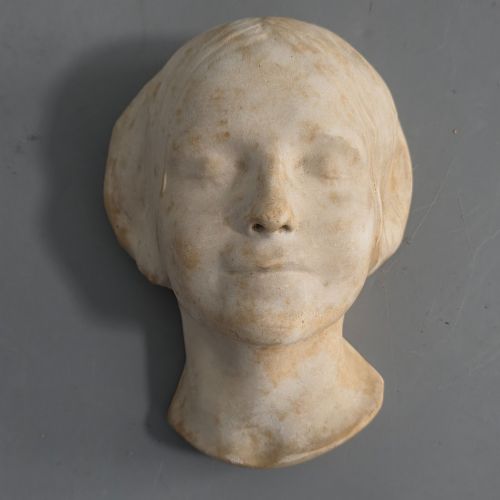
Beyond standalone busts, the category encompasses death masks and framed intaglios that translate stone carving techniques into accessible wall art and cabinet pieces. Their presence relies on crisp modelling and a matte white finish that mimics carved marble without the immense weight and cost.
How they were made
These works rely on plaster as the primary medium, poured into moulds taken from original sculptures, life sittings, or death masks to capture fine facial details and drapery. Makers often reinforced the interiors with wood or structural elements to support the weight of larger figurative pieces.
Presentation frequently involved mounting the plaster bust upon a wooden bracket, or framing delicate intaglios against textile backgrounds behind glass. Gilding with gold leaf occasionally highlights specific framing elements, while bases incorporate materials such as marble, brass, and granite to ground the composition.
White Plaster Portrait Retail Price Guide 2026
Typical asking prices for white plaster portrait among the pieces listed under this phrase on Sellingantiques today, from the lower quarter to the upper quarter. They describe what is for sale here now, not the wider market.
The selection includes classical library busts on brackets alongside framed Grand Tour intaglios and death masks.
What varies in quality
The choice of secondary mounting materials also distinguishes standard decorative items from finer library pieces. Integrations of turned wooden brackets, marble plinths, and protective glass frames elevate the overall integrity and visual weight of the object.
Raffaelo Monti
The White Plaster Portrait Glossary
- Plaster
- A building and sculpting material composed of calcium sulphate hemihydrate mixed with water, which sets into a hard solid. It serves as the primary medium for affordable yet highly detailed portrait busts.
- Intaglio
- A gem or other gemstone incised with a design so that it sits below the surface. In plaster form, these are often assembled in framed sets reminiscent of Grand Tour collections.
- Death mask
- A cast taken from the face of a deceased person, usually made of wax or plaster. These objects provide an exact anatomical likeness of historical figures.
- Neoclassical
- A Western cultural movement drawing inspiration from the classical art and culture of ancient Greece and Rome. This style heavily influences the severe profiles and heroic framing of nineteenth century busts.
White Plaster Portrait: Frequently Asked Questions
What is a white plaster portrait?
A white plaster portrait is a sculptural likeness cast in gypsum, depicting historical figures, literary icons, or classical subjects. These pieces range from grand library busts to framed wall art.
They emulate the appearance of carved marble or stone, providing a monumental aesthetic suited for domestic and scholarly interiors.
How should I display a plaster bust?
Plaster busts look best placed securely on library shelves, mantelpieces, or dedicated wall brackets where their monochrome forms stand out against darker backgrounds. Adequate lighting from the side emphasises the modelled contours and facial expressions.
Care should be taken to keep them away from excessive moisture and direct handling, as the surface is susceptible to marking.
How do I date a plaster bust?
Dating relies on examining the style of the subject, the mounting materials, and the craftsmanship of the casting. Nineteenth-century examples often display Neoclassical or Victorian characteristics, sometimes incorporating wooden brackets or marble elements.
Makers' stamps, handwritten signatures, or labels on the reverse also provide clues to the period of manufacture.
What is a Grand Tour intaglio?
A Grand Tour intaglio is a small plaster impression cast from an ancient carved gem, collected by travellers during their educational tours of Europe. These collections were typically mounted in custom frames for display in cabinets.
They represent a miniature form of classical portraiture and classical mythology popular in the nineteenth century.