




White Paper Relief
White paper relief pieces combine classical mythology and architectural subjects, offering crisp monochrome detail suited to sophisticated interiors.
White Paper Relief
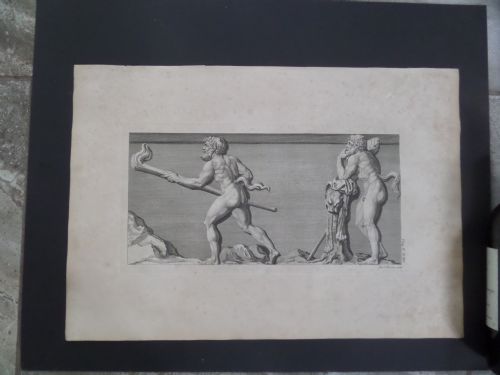
When you search for white paper relief, you find works executed primarily on paper within eighteenth-century and early twentieth-century periods. These items include large-scale engravings of Greek gods, architectural studies, and a framed brass rubbing depicting a Tang horse.
The material focus centres on monochrome prints and ink works, alongside glass and wood elements utilised in framing. Originating predominantly from neoclassical designs and Chinese subjects, these prints document antiquities of Athens and mythical scenes.
How they were made
Makers utilised traditional printing and engraving techniques on paper supports, applying ink to capture intricate architectural details and figures. Master engravers like James Basire and Edward Rooker executed these plates during the eighteenth century.
Framing frequently incorporates wood and glass to protect the delicate paper surfaces from environmental damage. Rubbing techniques were similarly applied to create large-scale works like the early twentieth-century brass rubbing.
White Paper Relief Retail Price Guide 2026
Typical asking prices for white paper relief among the pieces listed under this phrase on Sellingantiques today, from the lower quarter to the upper quarter. They describe what is for sale here now, not the wider market.
Current listings feature eighteenth-century and early twentieth-century works created on paper, ink, wood, and glass.
What varies in quality
The clarity and depth of the ink impression upon the paper separate standard examples from finer works. Sharpness in architectural lines and mythological figures indicates superior plate condition and careful printing.
The preservation of the paper sheet and the quality of the surrounding wood and glass framing influence the overall presentation. Early impressions pulled directly from detailed eighteenth-century copper plates retain greater visual definition.
James Basire·Edward Rooker
The White Paper Relief Glossary
- Engraving
- A printmaking process where an artist cuts an image onto a metal plate using a burin. The resulting lines hold ink to be transferred onto paper under pressure.
- Neoclassical
- A style reviving classical Greek and Roman forms, prominent in eighteenth-century architecture and art. It emphasises symmetry, proportion, and mythological subjects.
- Brass rubbing
- A copy of an incised brass memorial or plaque made by laying paper over the metal and rubbing over it with wax or graphite. This technique captures precise surface textures.
- Antiquity
- The ancient past, particularly the classical civilizations of Greece and Rome. Eighteenth-century publications often documented these historical remains through detailed engravings.
White Paper Relief: Frequently Asked Questions
What periods do these pieces date from?
The pieces span the eighteenth century and the early twentieth century, reflecting distinct historical publishing and rubbing traditions.
Eighteenth-century examples focus heavily on architectural engravings of Athens, while the later period includes large-scale rubbings.
How should I frame paper relief works?
Framing typically involves wood mouldings and protective glass to safeguard the delicate paper substrate from dust and moisture.
Conservation mounting ensures the paper remains stable and preserves the longevity of the ink impression.
What subjects appear in these prints?
Subjects include Greek gods, mythological paintings, satyrs, and architectural elevations drawn from Athenian antiquities.
Chinese subjects also appear, alongside traditional rubbings of historical motifs such as Tang horses.
How do I identify a neoclassical print?
Neoclassical prints display orderly compositions inspired by classical Greek and Roman architecture, sculpture, and mythology.
Engravings from this movement prioritize clean lines, classical proportions, and academic precision over ornate excess.