

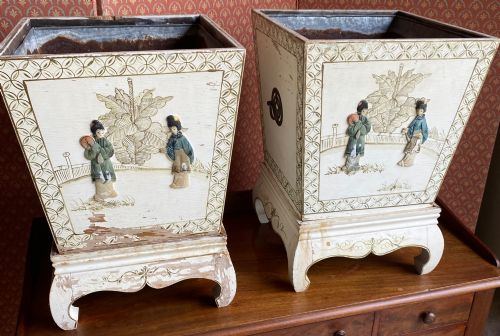
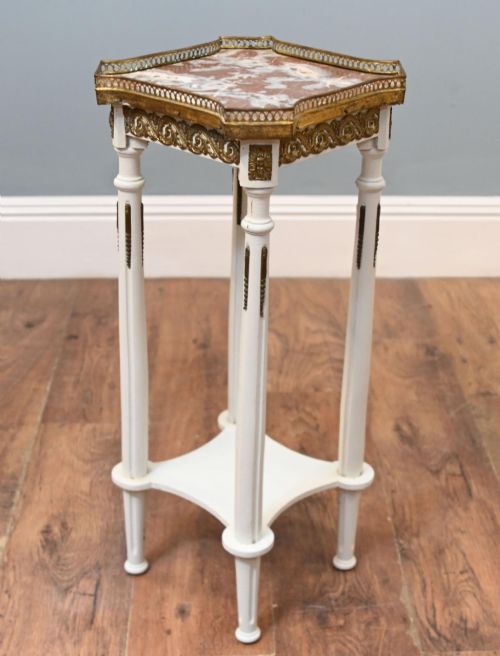
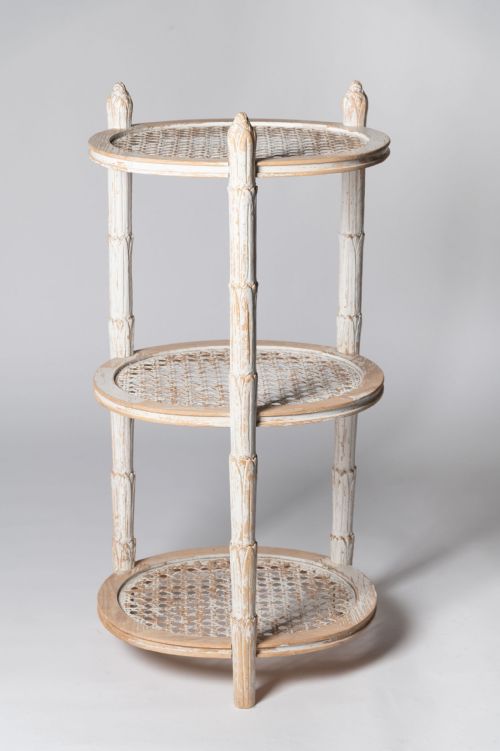
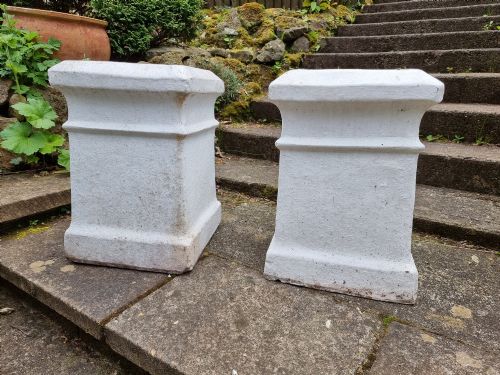




White Painted Plant Stand
These white painted plant stand pieces bring architectural form and garden utility indoors or onto terraces, offering sturdy stages for ferns and trailing stems.
White Painted Plant Stand
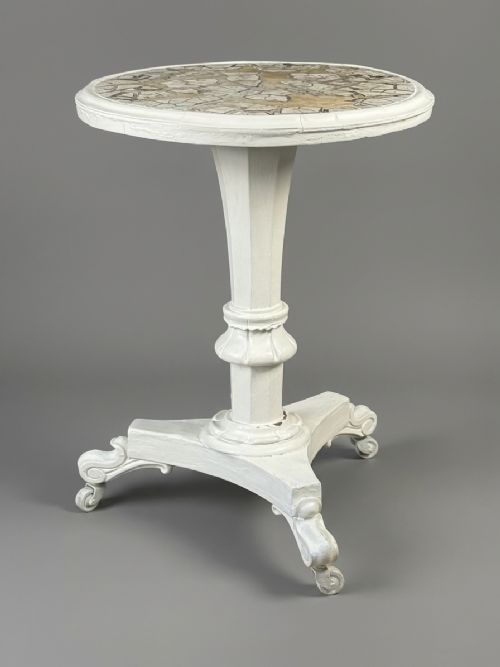
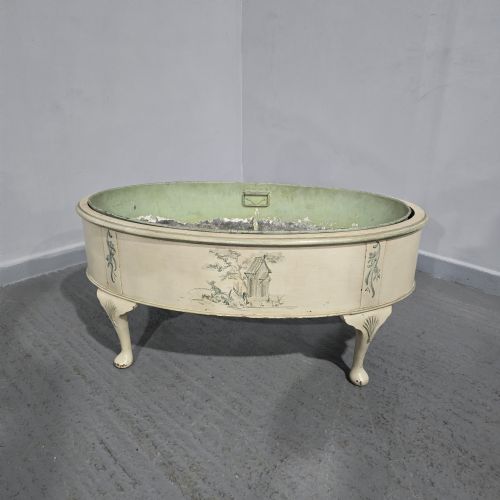
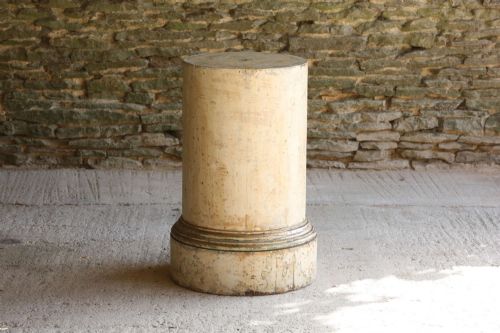
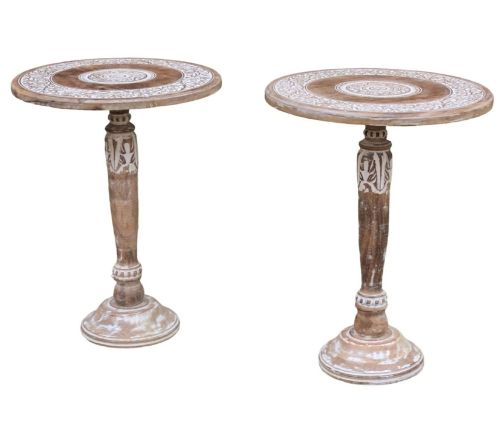
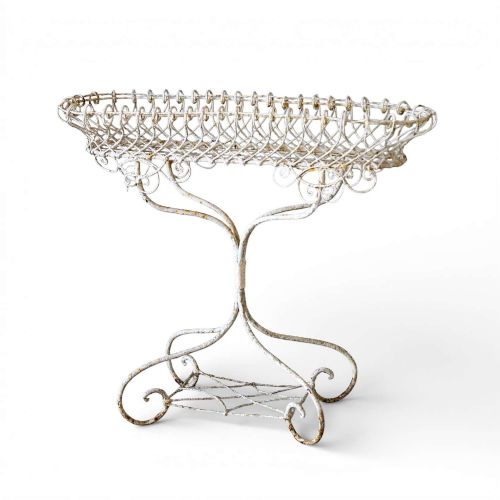
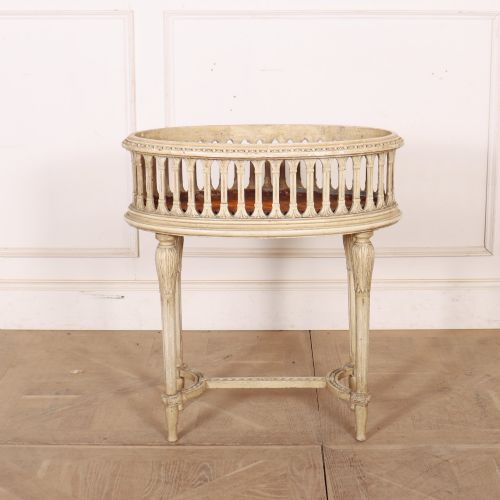
When searching for a white painted plant stand, buyers encounter elevated pedestals, tiered wirework planters, and circular jardiniere holders designed to lift foliage into the light. The pieces span diverse origins and periods, from Victorian English wirework and cast iron to French Belle Epoque stands and Anglo-Indian carved pedestal tables.
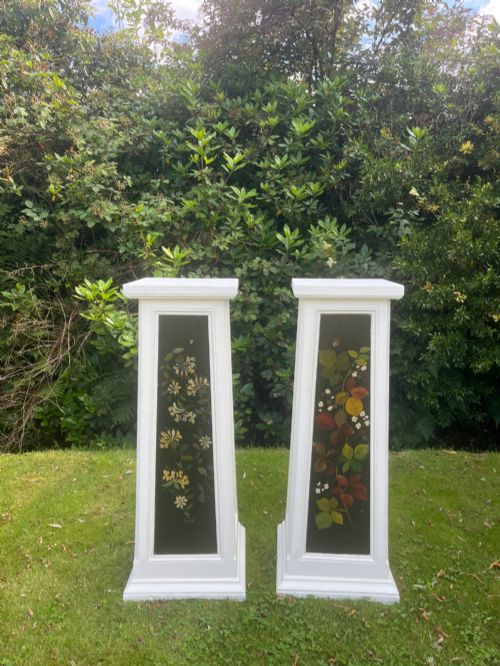
The most frequent examples on this page are nineteenth century wirework garden pieces, cast iron column planters, and painted wood pedestals. These sturdy forms serve both domestic interiors and conservatory spaces, providing functional elevation for heavy pots and decorative urns.
Materials and construction methods
Construction relies heavily on durable metals like wrought iron, wirework, and cast iron, alongside painted wood and occasional marble tops. Blacksmiths and founders shaped scrollwork, lattice baskets, and garden columns to withstand outdoor moisture while maintaining decorative grace.
Wood surfaces receive protective coats of white paint, sometimes laid over earlier lacquered or carved bases such as Chinoiserie side tables and Asian elephant seats. Wirework pieces utilise woven strands to create lightweight yet robust tiered baskets for botanical displays.
White Painted Plant Stand Retail Price Guide 2026
Typical asking prices for white painted plant stand among the pieces listed under this phrase on Sellingantiques today, from the lower quarter to the upper quarter. They describe what is for sale here now, not the wider market.
Several stands double as seating for carved wooden Asian elephants, proving that botanical display occasionally requires a pachyderm foundation.
Evaluating construction and finish
Quality reveals itself in the intricacy of the metalwork scrollwork, the integrity of the welded or forged joints, and the depth of the painted surface. Superior examples display crisp casting details on iron columns and carefully balanced tiers in wirework structures.
The relationship between the supporting base and the top platform dictates overall stability, particularly in tall pedestals and multi-tiered etageres. Pieces retaining their original structural rigidity and honest paint weathering demonstrate superior enduring craftsmanship.
The White Painted Plant Stand Glossary
- Etagere
- A set of open shelves or tiers used for displaying small objects or potted plants. These freestanding pieces maximise vertical display space in drawing rooms and conservatories.
- Jardiniere
- An ornamental pot or stand designed to hold flowers or growing plants. They appear in ceramic, cast iron, and wirework forms across various nineteenth century styles.
- Wirework
- Metal construction formed from interwoven or welded wire, commonly utilised in nineteenth century garden plant stands and tiered planters. This technique creates airy, resilient structures suitable for botanical displays.
- Pedestal
- A foundational column or base supporting a bust, urn, or plant pot. These architectural supports elevate decorative elements to eye level.
- Chinoiserie
- European artistic style reflecting Chinese motifs and decorative techniques, often applied to lacquered furniture and tables. This aesthetic gained particular popularity during the Victorian era.
White Painted Plant Stand: Frequently Asked Questions
Where should I place a metal plant stand?
These stands suit bright garden rooms, conservatories, or sheltered outdoor terraces where iron and wirework withstand gentle moisture.
Ensure the floor surface remains level to maintain stability for heavy pots and delicate trailing plants.
How do I care for painted iron plant stands?
Maintain the painted metal surfaces by gently dusting with a dry cloth and checking periodically for any moisture exposure.
Preserve the existing finish by avoiding harsh chemical cleaners that might strip the historic paint layers.
Are wirework plant stands strong enough for heavy pots?
Nineteenth century wirework stands utilise interwoven metal strands designed to distribute weight evenly across supportive tiers and frames.
Verify the structural rigidity of the individual base before placing exceptionally heavy ceramic planters on top.
How do I distinguish Victorian wirework from later pieces?
Victorian wirework typically exhibits hand-forged joints, heavier gauge wire, and patinated paint surfaces accrued over decades of use.
Examine the construction intersections for signs of traditional blacksmithing rather than modern machine welding.