



White Painted Iron Bench
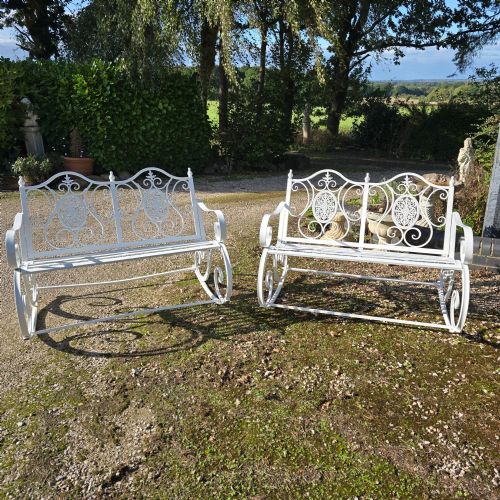
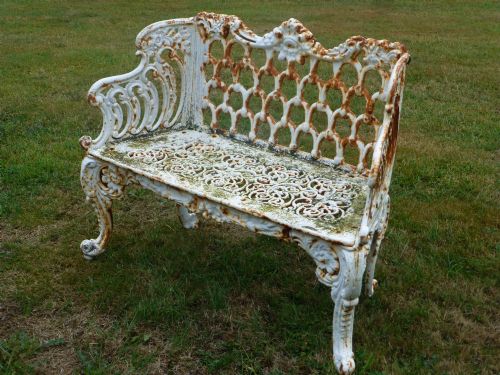
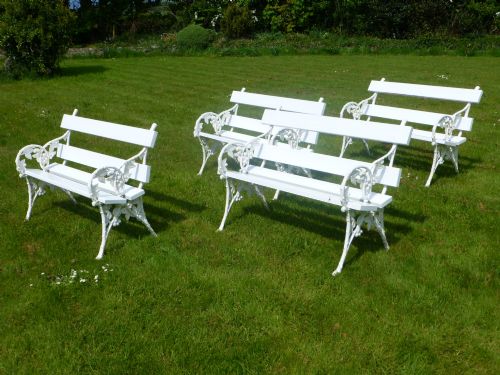
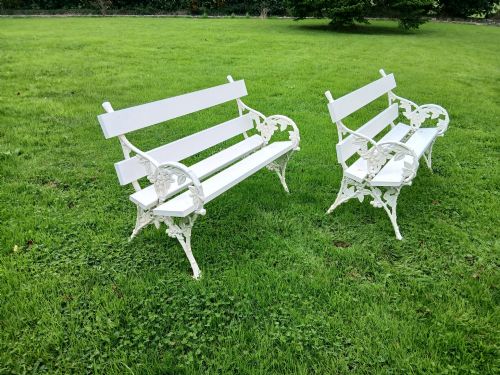
These white painted iron bench examples bring durable metalwork and classic form to outdoor spaces.
White Painted Iron Bench
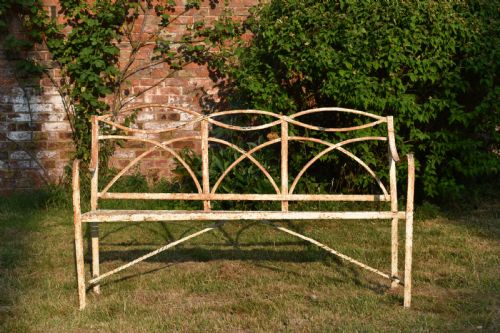
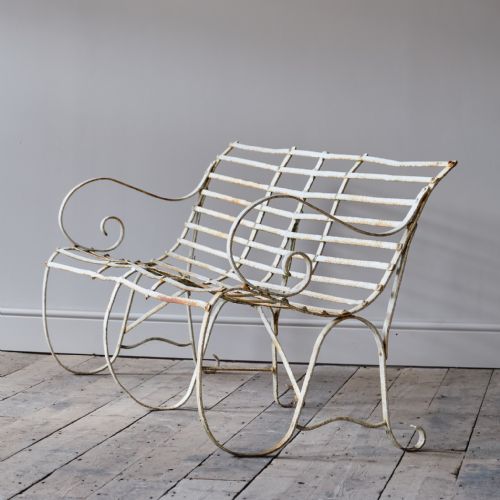
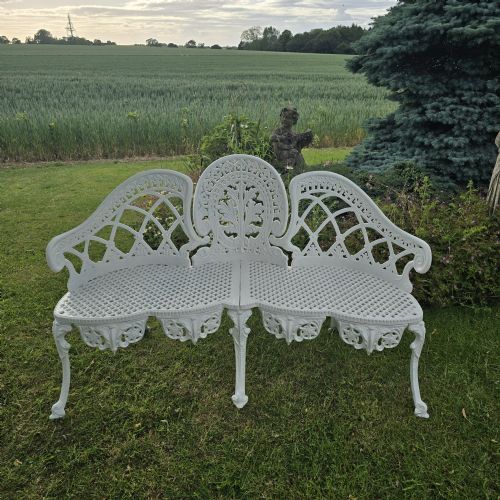
A white painted iron bench combines functional outdoor seating with decorative metal casting and strapwork patterns. Buyers examining this page encounter pieces originating from the nineteenth century through to the interwar period.
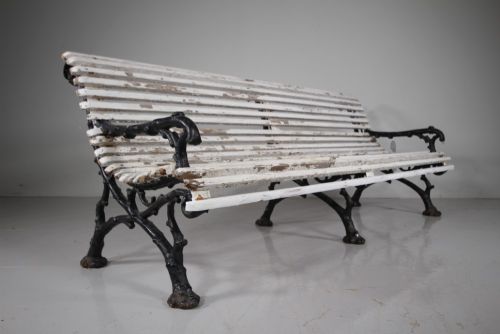
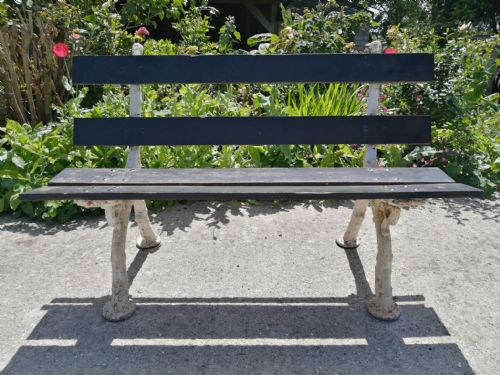
The selections span distinct historical designs, including Regency strapwork, Victorian rustic motifs, and faux bois finishes. Many examples utilise cast or wrought iron, occasionally paired with timber components or fabric elements.
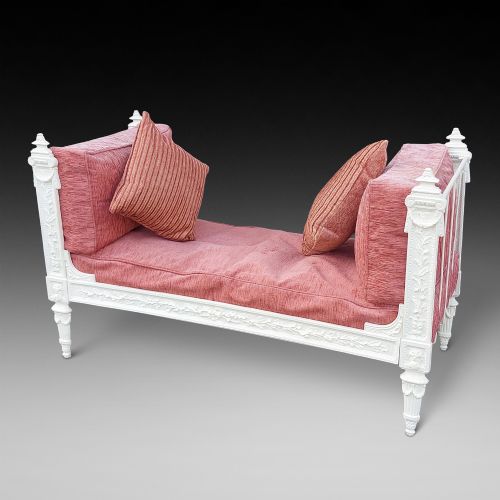
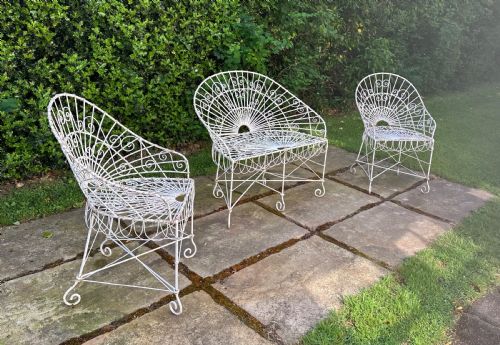
Forms extend beyond standard two-seater garden benches to include daybeds, armchairs, and matching sets. The white paint layer serves to protect the metal beneath while highlighting intricate foundry work.
Assessing quality in metal garden seating
Depth and crispness of the casting define the standard of execution on metal surfaces. Foundry work featuring sharp leaf veins and well-defined animal motifs indicates superior craftsmanship.
Structural integrity depends on the original joining of iron components and the condition of surviving wooden elements. Pieces bearing maker attribution or distinct foundry patterns demonstrate greater historical interest.
White Painted Iron Bench Retail Price Guide 2026
Typical asking prices for white painted iron bench among the pieces listed under this phrase on Sellingantiques today, from the lower quarter to the upper quarter. They describe what is for sale here now, not the wider market.
Some nineteenth-century seats crossed the globe to serve the Calcutta Polo Club before finding their way back to British gardens.
Falkirk Foundry·Carron Foundry·Coalbrookdale
The White Painted Iron Bench Glossary
- Cast Iron
- Molten iron poured into a mould to create rigid forms with intricate decorative detail. This material defines the heavy framework of nineteenth-century garden seats.
- Wrought Iron
- Iron heated and worked by hand into specific shapes using tools. This technique produces durable structural bars and linear strapwork designs.
- Strapwork
- Flat bands of metal arranged in geometric or interlaced patterns. Regency and later styles utilise this technique for backrests and seats.
- Faux Bois
- An artistic imitation of wood grain rendered in another material. Coalbrookdale examples often applied this finish to cast iron to mimic natural timber branches.
- Foundry
- A factory where metal is melted and cast into moulds. Major producers included Falkirk and Coalbrookdale.
White Painted Iron Bench: Frequently Asked Questions
How do I care for a white painted iron bench outside?
Keep the metal clean and touch up the white paint where weathering occurs to protect the iron underneath from moisture.
Positioning the seat on stable paving rather than damp grass helps preserve the feet and lower frame throughout the winter months.
Are these benches heavy to move around the garden?
Cast and wrought iron pieces possess substantial weight due to the density of the metal used in their construction.
Enlisting assistance ensures safe relocation across lawn or patio surfaces without straining the joints of the frame.
Can these metal seats stay outdoors all year?
Iron construction withstands outdoor conditions well, provided the protective paint barrier remains intact against rain and frost.
Covering the piece during severe winter weather offers additional protection for the painted finish and any timber components.
How do I distinguish a Victorian piece from later revivals?
Nineteenth-century examples display specific foundry marks, heavier casting techniques, and distinct botanical or rustic ornamentation patterns.
Later revival pieces replicate these historical styles while often employing modified construction methods or lighter metal gauges.